Veltrixa
The landscape of OEM AI server manufacturers is rapidly evolving as we approach 2026. Market dynamics, technological advancements, and growing demands shape this competitive field. According to Dr. Emily Chen, a leading expert in AI infrastructure, "The future of AI servers will redefine what we expect from technology." Understanding key trends will be essential for stakeholders.
As companies adopt AI-driven solutions, the role of OEM AI server manufacturers becomes critical. They provide tailored systems that meet specific enterprise needs. Features such as energy efficiency, scalability, and robust security are increasingly prioritized. Yet, not all manufacturers can deliver the quality and support required.
The challenge lies in choosing the right OEM AI server manufacturer. Buyers face overwhelming options. Each manufacturer offers unique strengths and weaknesses. It is vital to weigh these factors carefully. The next few years will be pivotal in determining which players will lead the way in innovation and customer satisfaction.
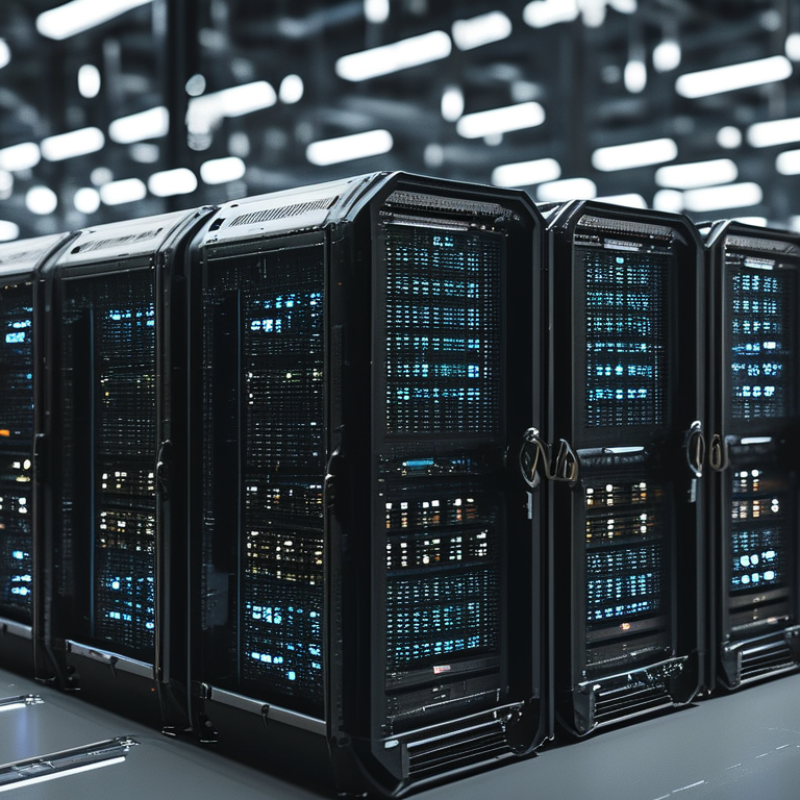
The AI server market is evolving rapidly as we approach 2026. Companies are investing heavily in advanced technology and infrastructure. There is a growing emphasis on high-performance computing and energy efficiency. AI workloads demand specialized hardware to process massive data efficiently. This transition is driving innovation among manufacturers.
In 2026, we expect to see a focus on modular designs. These allow for easy upgrades and expansions. Customization will be a key feature. Clients want flexibility in their AI applications. Moreover, sustainability will be on the minds of many manufacturers. Technologies that reduce energy consumption are gaining traction. However, the balance between performance and eco-friendliness remains a challenge.
Security features will also be critical. With increasing cyber threats, data protection has never been more important. Manufacturers must integrate robust security measures into their designs. Companies must continually improve their offerings while managing costs. This reflection on operational efficiency is essential for long-term success in the highly competitive AI server market.
When considering OEM AI servers in 2026, key features stand out. Firstly, processing power is crucial. According to recent industry reports, the demand for high-performance computing capabilities is rising. It’s projected that AI server applications will require at least 30% more processing power than current models. This indicates a shift toward more robust architectures that can handle complex algorithms efficiently.
Another important aspect is scalability. Businesses increasingly need systems that can adapt as requirements grow. Scalable architectures allow for seamless integration of additional resources. A recent study highlighted that 70% of companies prefer modular designs that enable easy upgrades. This flexibility is vital for future-proofing investments in AI technology.
Lastly, energy efficiency cannot be overlooked. With rising energy costs, a focus on power consumption is essential. Reports suggest that energy-efficient models can reduce operational costs by up to 25%. Companies must consider thermal management solutions, which prevent overheating and ensure optimal performance during intensive tasks. Embracing these features will define the success of OEM AI servers in the near future.
| Feature | Description | Importance (1-10) |
|---|---|---|
| Scalability | Ability to expand resources based on demand. | 9 |
| Processing Power | High-performance CPUs and GPUs for AI workloads. | 10 |
| Energy Efficiency | Minimizing power consumption while maximizing performance. | 8 |
| Cooling Solutions | Effective cooling systems to maintain optimal performance. | 7 |
| AI Optimization | Built-in features for optimized AI model training and inference. | 9 |
| Reliability | High uptime and durable hardware components. | 8 |
| Security Features | Built-in security protocols for data protection. | 9 |
| Support and Service | Comprehensive technical support and warranty options. | 8 |
In 2026, the AI server industry is evolving rapidly. Manufacturers must focus on innovations that enhance performance. Buyers should prioritize features like scalability and energy efficiency. This is crucial as AI workloads become more complex. A server's capability to expand and adapt is essential for future needs.
Leading OEM manufacturers are increasing investments in research and development. They aim to improve data processing speeds and reduce latency. However, not all manufacturers deliver consistently. Some may promise advanced technology but lack real-world applications. Buyers must carefully evaluate vendor claims.
Reliability remains a challenge in the industry. Regular updates and support are vital for maintaining optimal performance. Examining a manufacturer's track record can provide insights into their dependability. Choosing wisely can significantly impact organizational efficiency. It's imperative to balance cutting-edge features with practical usability.
The landscape of AI servers is rapidly evolving. Innovations are reshaping their architecture and functionality. One major trend is the adoption of specialized processors. These chips are designed for machine learning tasks, enhancing performance while reducing energy consumption. Speed and efficiency become vital as data volumes surge.
Another noteworthy advancement is the integration of advanced cooling technologies. Traditional cooling methods may no longer suffice. Liquid cooling systems are taking center stage, offering improved thermal management. This innovation can extend the lifespan of the servers and maintain optimal performance.
Additionally, enhanced security protocols are crucial. With growing concerns over data breaches, built-in security features are now standard. They help protect sensitive information without sacrificing performance. These changes highlight the need for constant vigilance and adaptation in the fast-paced world of AI server manufacturing.
As AI technology evolves, so does the landscape of server manufacturing. The future trends in AI server development will focus on efficiency, scalability, and sustainability. In 2026, expect a strong emphasis on energy-efficient designs. These servers will utilize advanced cooling technologies and power management systems. This shift is essential as data centers become increasingly energy-hungry.
Challenges will persist, particularly in addressing the need for high-performance computing. Balancing speed with efficiency will be a crucial challenge. AI workloads demand powerful hardware that can process vast amounts of data quickly. Manufacturers will need to innovate to meet these requirements while keeping operational costs low.
Tip: When evaluating AI servers, look for designs that prioritize modularity. This feature allows for easy upgrades, ensuring that your system can adapt to future advancements. Another consideration is the integration of AI capabilities within the servers themselves. These smart systems can enhance performance and optimize resource usage.
AI server development will not be without its flaws. For example, over-reliance on automation could lead to vulnerabilities. It's vital to maintain a human oversight to mitigate risks in AI operations. Adopting a thoughtful approach will be key to navigating the future of AI servers successfully.
I servers?
Scalable architectures allow systems to adapt as business needs grow. This flexibility is essential for future investments.
Energy-efficient models can reduce operational costs by up to 25%. This is vital amid rising energy expenses.
Specialized processors for machine learning tasks enhance performance. Advanced cooling technologies are also pivotal in server design.
Look for modular designs that enable easy upgrades. This ensures adaptability to future advancements in technology.
Balancing speed with efficiency is a major challenge. High-performance computing demands powerful yet cost-effective hardware.
They offer improved thermal management, extending server lifespan and ensuring optimal operation under high loads.
Built-in security features protect sensitive information, addressing concerns over data breaches while maintaining performance levels.
Over-reliance on automation could create vulnerabilities, highlighting the need for human oversight in AI processes.
Expect a strong emphasis on efficiency, sustainability, and advanced cooling technologies to meet increasing data demands.
The AI server market in 2026 is poised for significant evolution, with OEM AI server manufacturers at the forefront of innovation. As organizations increasingly rely on AI-driven solutions, key features such as scalability, performance efficiency, and robust cooling systems are becoming essential considerations for any OEM AI server manufacturer.
Technological advancements, including enhanced hardware accelerators and improved data processing capabilities, are driving the next generation of AI servers. However, these developments also bring challenges, such as the need for sustainable practices and addressing data privacy concerns. As we move forward, staying informed about these trends and evaluating the offerings of leading OEM manufacturers will be critical for organizations aiming to leverage AI technology effectively.
