Veltrixa
Veltrixa
Veltrixa
Explore our core line of network switches, high-density computing servers, and server memory modules optimized for enterprise scaling and intensive workloads.
Analyzing the pivotal shifts in high-speed hardware architecture driven by cloud expansion and AI workloads.
In the modern digital economy, the global demand for network switches has transitioned from standard office connectivity to driving massive data centers processing petabytes of information per second. The rise of machine learning, AI model training (such as DeepSeek, GPT architectures), and decentralized cloud storage has placed unprecedented stress on networking equipment. Businesses can no longer rely on legacy copper configurations; the industry is rapidly transitioning toward optical, ultra-low latency Layer 3 switches with speeds reaching 10G, 40G, 100G, and even 400G/800G protocols.
"The network is the computer. In distributed computing systems, a bottleneck in the network switch fabric can degrade AI cluster performance by up to 50%, regardless of how powerful individual GPU nodes are."
This dynamic has elevated the role of network switch manufacturers and exporters. Modern network switches are required to support advanced traffic-shaping protocols, non-blocking fabric architectures, and robust virtualization features. Key market vectors now prioritize energy-efficient chipsets to reduce data center power usage, alongside flexible hardware designs that support software-defined networking (SDN).
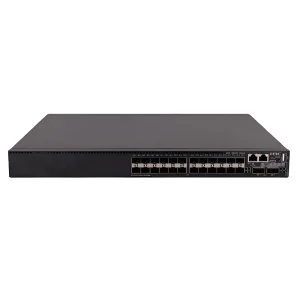
Traditional networks handled north-south traffic (user-to-server). Modern microservice and AI model training trigger vast east-west traffic (server-to-server). High-density port designs, such as 24-Port 10G switches with 40GE optical uplinks, ensure data pipelines remain open during parallel processing runs.
Legacy switches operated entirely on MAC address tables. To support complex enterprise routing segments and dynamic traffic routing without stressing central routers, modern switches integrate Layer 3 dynamic routing protocols like OSPF, BGP, and RIP natively into the switch ASIC.
For high-frequency trading and high-performance GPU clustering, nanosecond latency variations (jitter) can cause process packet dropouts. Advanced switch architectures utilize cut-through switching instead of store-and-forward methods to lower latency to absolute physical limits.
Combining Server Dominance with Customized Network Switching Infrastructure
Established in 2017, Shenzhen Veltrixa Intelligent Computing Co., Ltd. is a leading manufacturer and solution provider specializing in AI GPU servers, high-performance computing (HPC) platforms, edge AI systems, and customized data center infrastructure. Our deep expertise in hardware manufacturing allows us to design and deliver networking integration that matches server capabilities. In AI clusters, networking and compute power cannot be separated. By engineering both systems, Veltrixa provides system-level efficiency that third-party integrators cannot replicate.
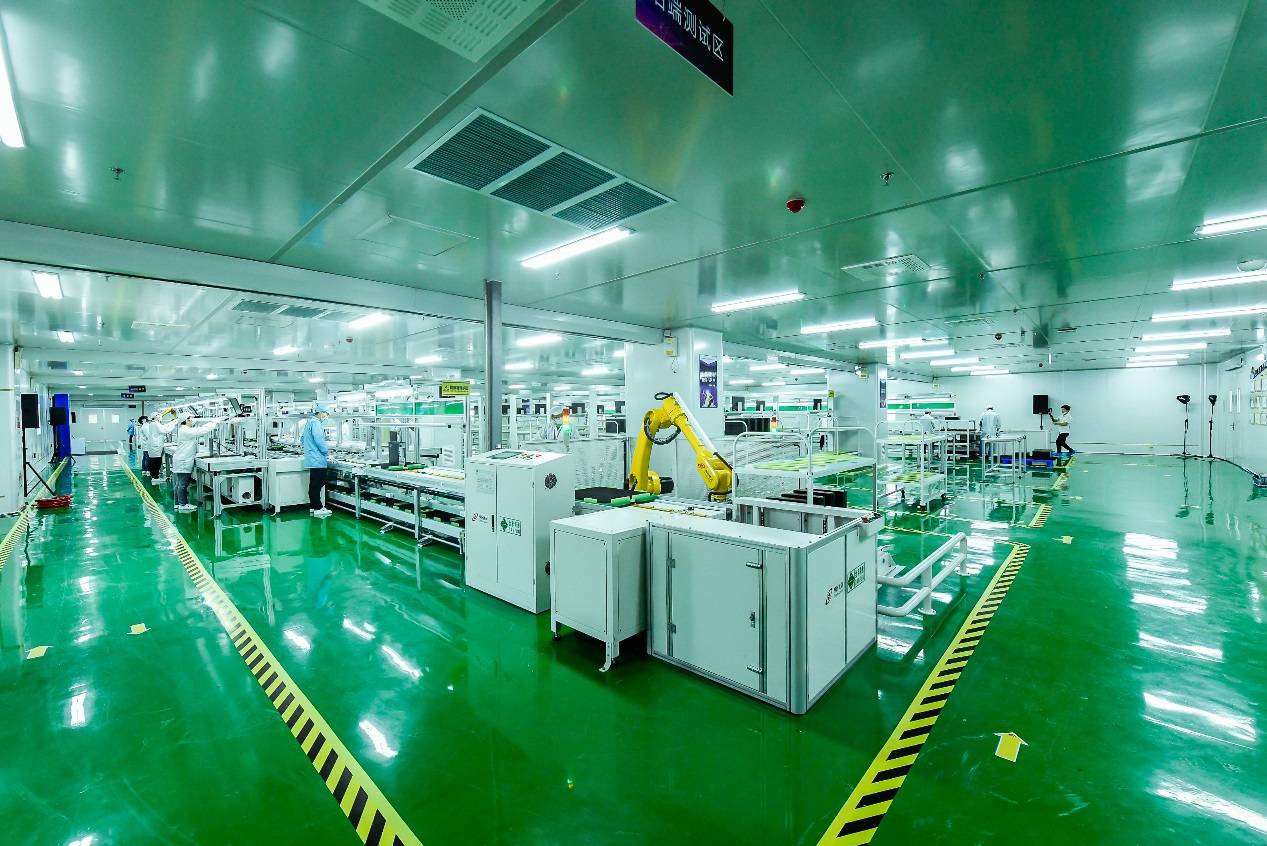
Operating a modern production facility in Shenzhen, China covering 386 m², we feature state-of-the-art assembly lines, specialized thermal test chambers, and precision network performance benchmarking systems. We provide flexible OEM and ODM services tailored to compute and networking requirements worldwide.
We deploy 46 dedicated QC professionals implementing a strict 100% Pre-Shipment Inspection protocol. Our verification includes functional testing, extensive high-temperature burn-in testing, throughput benchmarking under maximum port loads, and compatibility testing with all major server Operating Systems (Linux, Windows Server, VMware ESXi).
With an R&D department of 86 engineers, Veltrixa released 124 new products last year. We offer custom switch port mappings, private labeling, modified chassis physical depths for specialized server racks, firmware customization (incorporating specific VLAN or routing defaults), and custom liquid-cooled networking integration.
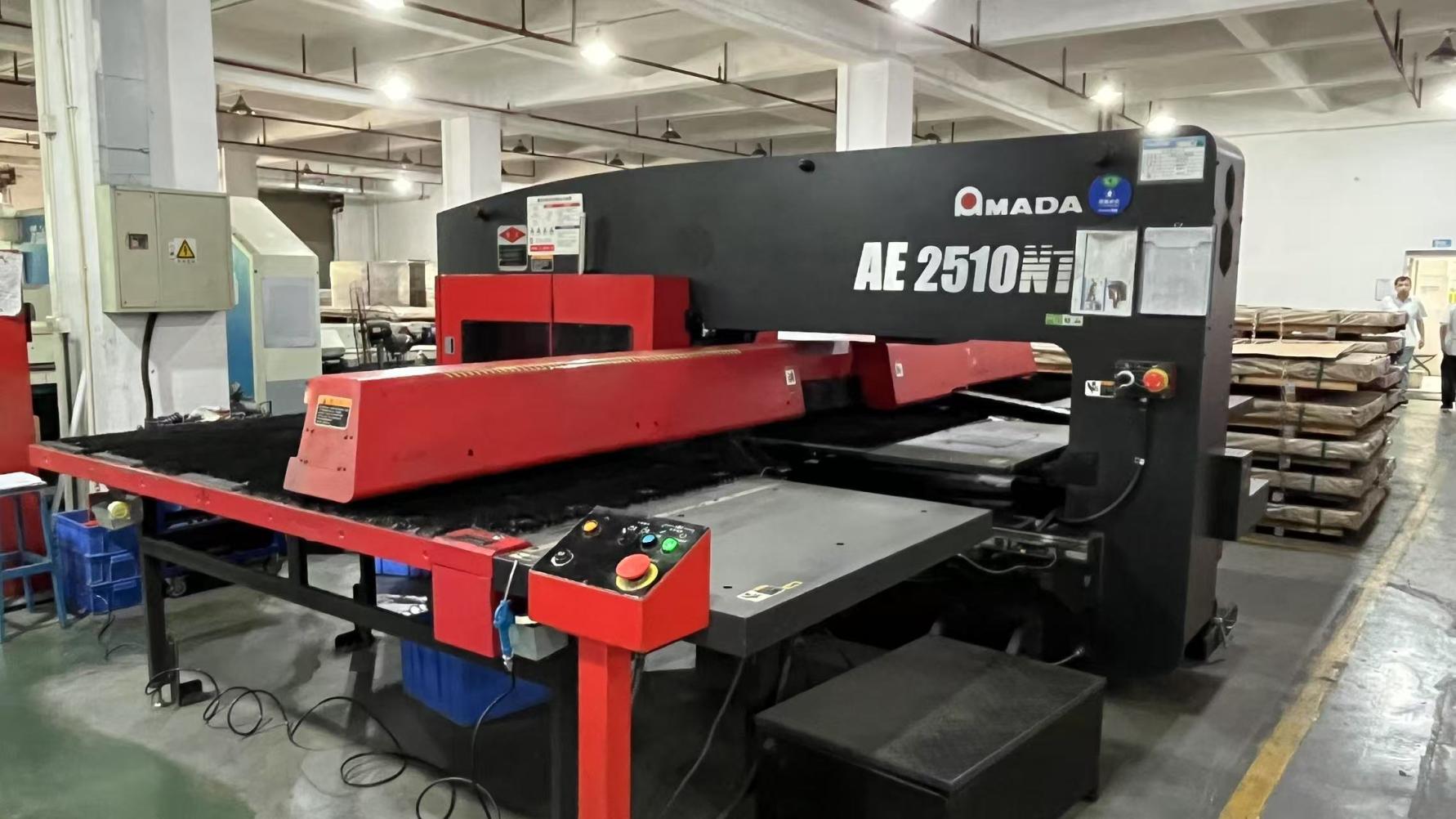
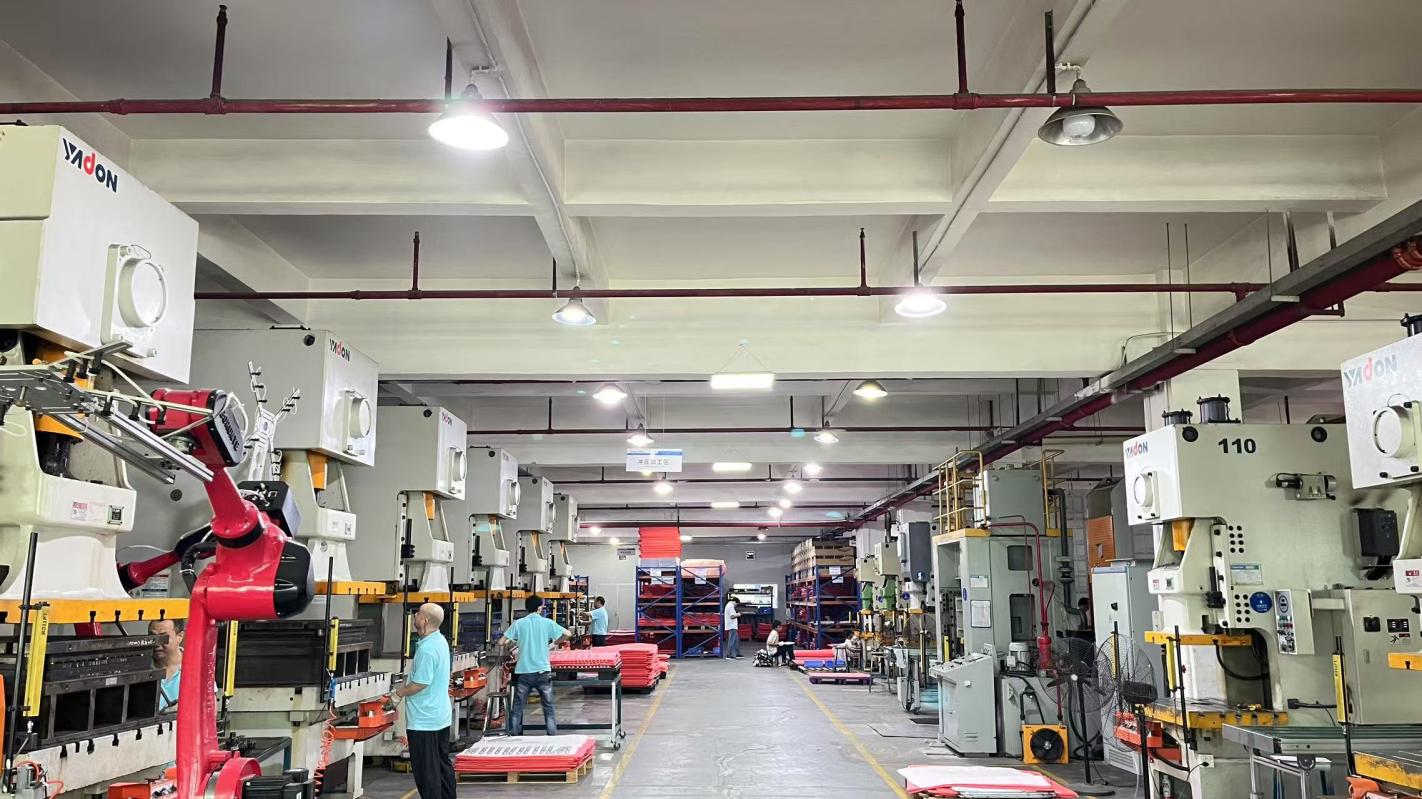
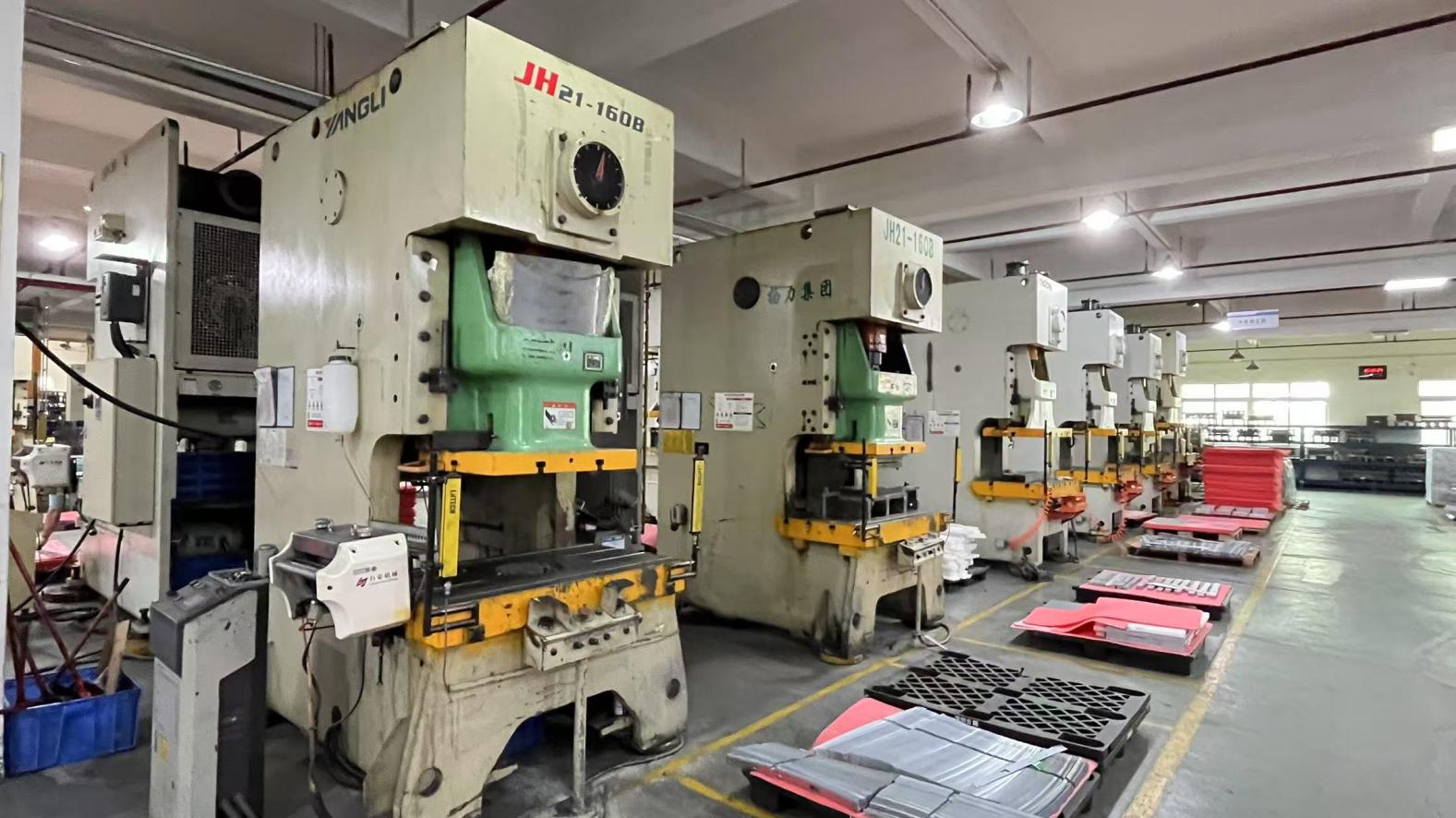
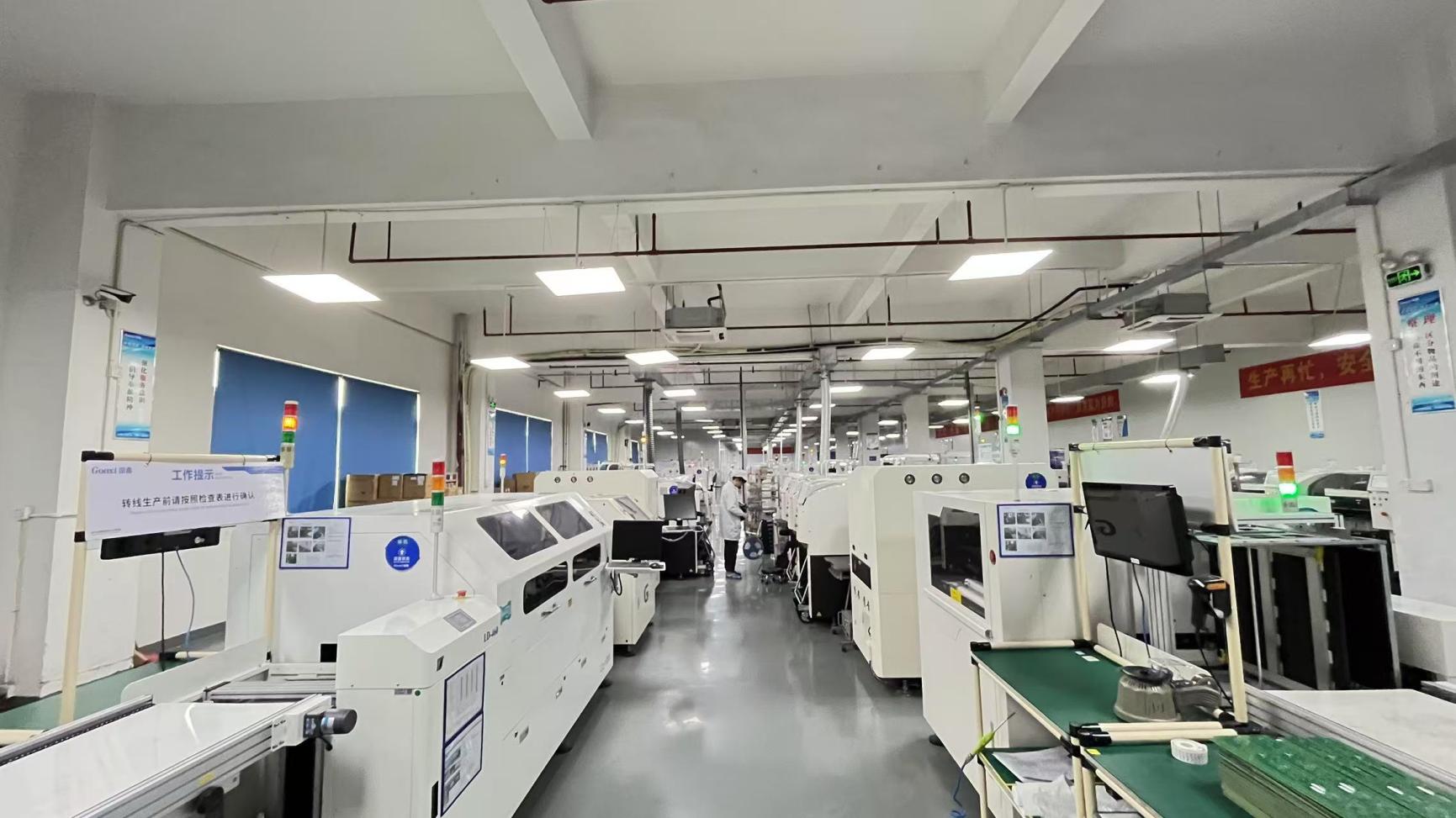
Why sourcing network switches from our Shenzhen facilities ensures premium components, rapid delivery, and cost scaling.
Shenzhen is widely recognized as the global epicenter of electronic and high-technology manufacturing. Our strategic location allows Veltrixa to leverage a highly concentrated network of chip designers, component manufacturers, and logistics experts. This local concentration yields significant benefits for enterprise procurement teams:
How our products are deployed across diverse global industries to overcome technical bottlenecks.
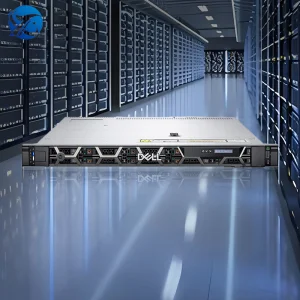
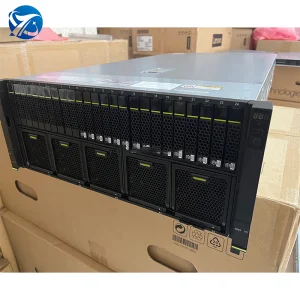
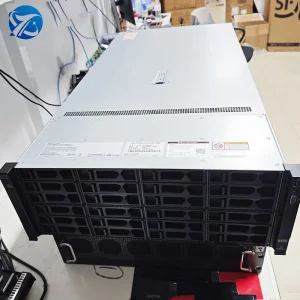
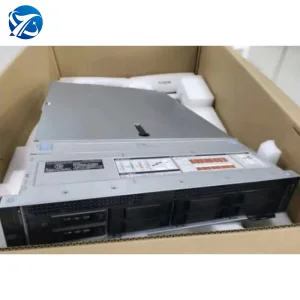
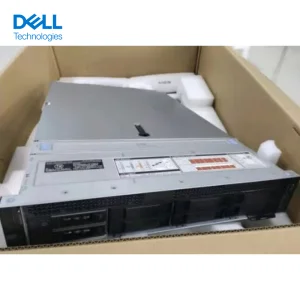
In high-density clusters utilizing Dell R750 or xFusion G8600 V7 platforms, GPUs communicate constantly via RDMA (Remote Direct Memory Access) protocols over Converged Ethernet (RoCE). Our switches provide the low-latency backbone, preventing packet losses that drop training throughput.
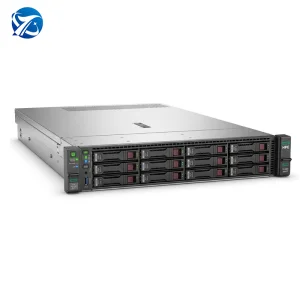
Large-scale corporate environments require advanced virtualization support. Our Layer 3 switches enable overlay networks (VXLAN) to run seamlessly, allowing system administrators to construct hundreds of virtual networks across physical rack servers (such as the HPE DL360 Gen11).
Edge servers deploying machine learning models demand localized, compact switches. Our custom short-depth network components ensure stable data aggregation from cameras, sensors, and micro-servers under variable environmental conditions.
Stay ahead of industry developments to ensure long-term hardware compatibility.
As networks expand, three major technological shifts are defining the future of design and manufacturing:
At transceiver speeds of 800Gbps and 1.6Tbps, copper interfaces encounter severe attenuation and power loss. Manufacturers are integrating optical engines directly onto the switch packaging substrate alongside the network processor, drastically reducing power consumption and latency.
Enterprise clients are moving away from proprietary switch operating systems. High-performance models increasingly support SONiC (Software for Open Networking in the Cloud), an open-source network OS based on Linux. This allows enterprises to deploy uniform software control panels across multi-vendor switch networks.
Rather than relying on legacy SNMP polling, modern switches leverage in-band network telemetry (INT) to monitor link states, queuing delays, and traffic congestion in real time. Switch firmware can automatically adjust packet priorities to mitigate localized congestion before it affects critical servers.
A technical guide for procurement directors to evaluate hardware viability.
Verify that the switch backplane offers non-blocking throughput. A 24-Port 10G switch requires at least 480Gbps of switching capacity to ensure all ports can run at full duplex speed simultaneously without drops.
Procuring switches with unlocked SFP+ / QSFP28 cages ensures compatibility with generic or third-party optical modules, reducing total fiber optic installation costs by up to 60% compared to proprietary modules.
Data center uptime requirements command dual hot-swappable power supply units (PSUs). A failure in one PSU should not disrupt the switch operation, allowing replacement without system downtime.
Detailed technical insights regarding network switches, servers, and custom system integration.
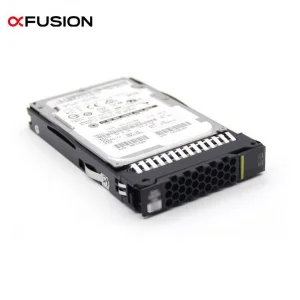
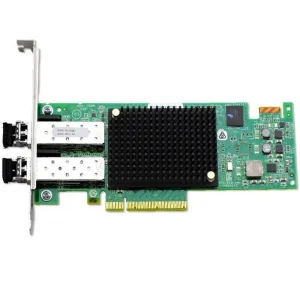
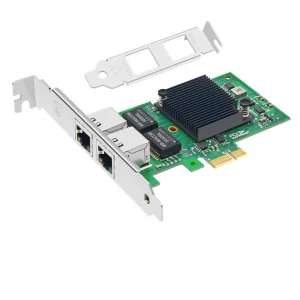
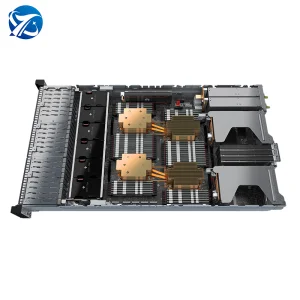
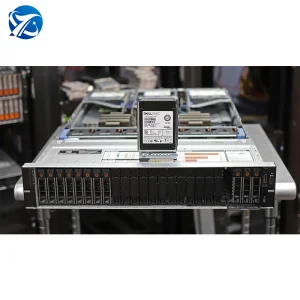
Complete your data center network path with our selection of host bus adapters, storage interface components, and dedicated server configurations.