Veltrixa
Veltrixa
Veltrixa
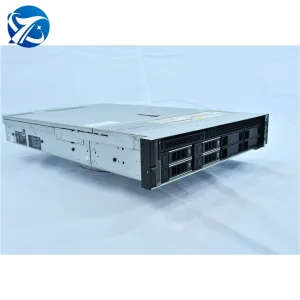
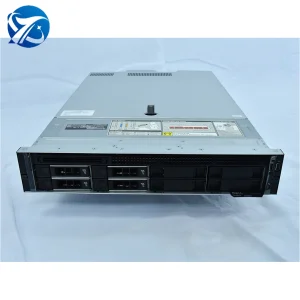
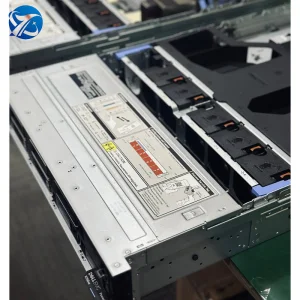
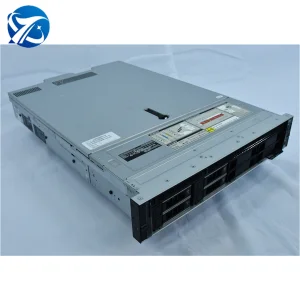
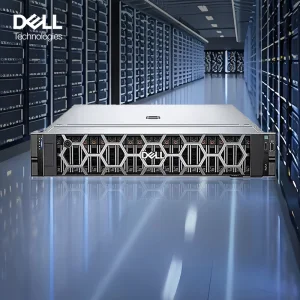
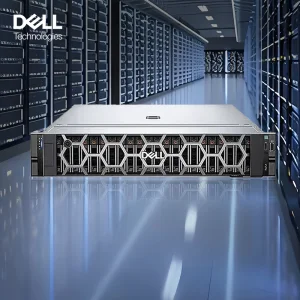
In an era defined by rapid technological adaptation, enterprise-level computation stands as the modern economic backbone. Dell PowerEdge servers play a pivotal role in global computing infrastructure. Across industries, from automated factory floors to complex cloud networks, the demand for scalable, secure, and reliable hardware continues to rise.
Global supply chain logistics require robust IT hardware infrastructure to keep pace with demand. Organizations moving towards complex hybrid-cloud systems rely heavily on computing power that offers high uptime and predictable performance. Dell's design philosophy—focused on thermal efficiency, silicon-root-of-trust security, and ease of management—has made it a top choice for enterprises globally.
Hardware distribution spans continents, requiring structured systems for secure, prompt, and compliant delivery. Regional compliance, import/export custom clearances, and component verification are key steps in maintaining continuous enterprise-level operations.
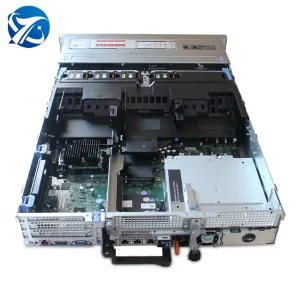
Dell's modular architecture makes expanding from single rack environments to massive hyperscale facilities straightforward. Native support for hot-swappable drives, redundant PSUs, and dynamic cooling configurations helps simplify expansion plans.
Using a Silicon Root of Trust, Dell servers offer cryptographically verified protection from factory assembly to actual installation. Secure boot features and signed firmware validation protect critical business operations from cyber vulnerabilities.
Servers are more than raw computing components; they form the operational foundation for specialized industries. Understanding these roles helps businesses choose the right systems for their needs.
Modern factories run on deterministic computing systems. Deploying 1U and 2U servers locally enables real-time edge processing for industrial robotics, assembly-line IoT hubs, computer vision quality control, and automated logistics. Ruggedization options and specialized rack integrations ensure reliable performance in environments subject to vibrations and variable temperatures.
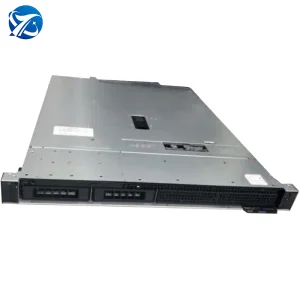
Telecom infrastructure requires high-density computing at the edge of the network. Compact 1U dual-socket servers, like the Dell PowerEdge R660 series, provide the performance density needed for virtualization, software-defined networking (SDN), and low-latency data processing in regional micro-datacenters.
For financial institutions and machine learning teams, low latency and parallel processing are essential. Multi-socket rack systems configured with enterprise GPUs (e.g., NVIDIA H100/A100) handle large-scale database operations, predictive financial modeling, and AI model refinement.
Cloud service providers and large enterprises rely on virtualization to maximize resource utilization. Dell R760 and R960 series servers provide the high core counts, large DDR5 memory footprints, and extensive PCIe Gen5 expansion slots needed for hyperconverged infrastructure (HCI).
IT infrastructure design requires regular upgrades to keep up with changing demands. The roadmap below highlights the key technological milestones driving modern server hardware choices.
| Architectural Era | Processor Technology | Memory Standard | PCIe Bandwidth | Primary Cooling Options |
|---|---|---|---|---|
| Dell 14G/15G Legacy | Intel Xeon Scalable (1st/2nd Gen) | DDR4 (up to 3200 MT/s) | PCIe Gen 3 / Gen 4 | Standard Fan Forced Air-Cooling |
| Dell 16G (Current Gen) | Intel Xeon Scalable (4th/5th Gen) | DDR5 (up to 5600 MT/s) | PCIe Gen 5 (High Lane Count) | Smart Flow, Advanced Heatsinks |
| Next-Gen Architecture | Intel Xeon 6 / AMD EPYC Turin | DDR5/MRDIMM (6400+ MT/s) | PCIe Gen 5 / CXL 2.0 / PCIe Gen 6 | Direct Liquid Cooling (DLC), Immersion |
Key Upgrades in Modern Architectures: Upgrading to PCIe Gen5 doubles the data throughput between processors and acceleration cards compared to Gen4. Additionally, transitioning from DDR4 to DDR5 raises memory bandwidth, helping clear data transfer bottlenecks in virtualized systems. Modern server configurations also support advanced liquid cooling, allowing high-performance setups to run efficiently at higher thermal limits.
Shenzhen Veltrixa Intelligent Computing Co., Ltd. is a manufacturer and solution provider specializing in AI GPU servers, high-performance computing (HPC) platforms, edge AI systems, and customized data center infrastructure. Established in 2017, the company is committed to delivering reliable, scalable, and high-efficiency computing solutions for enterprises, cloud service providers, AI startups, research institutions, and system integrators worldwide.
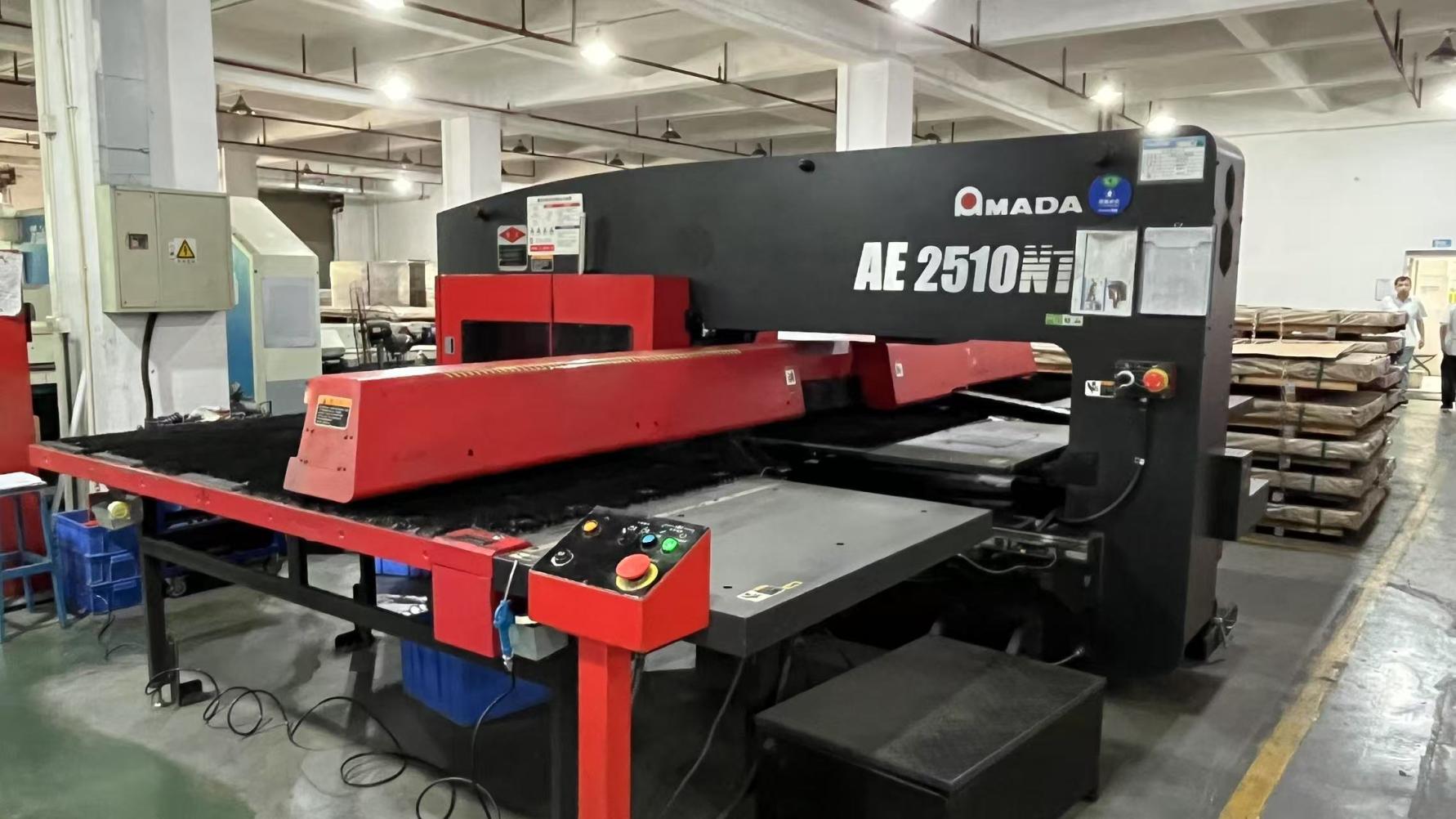
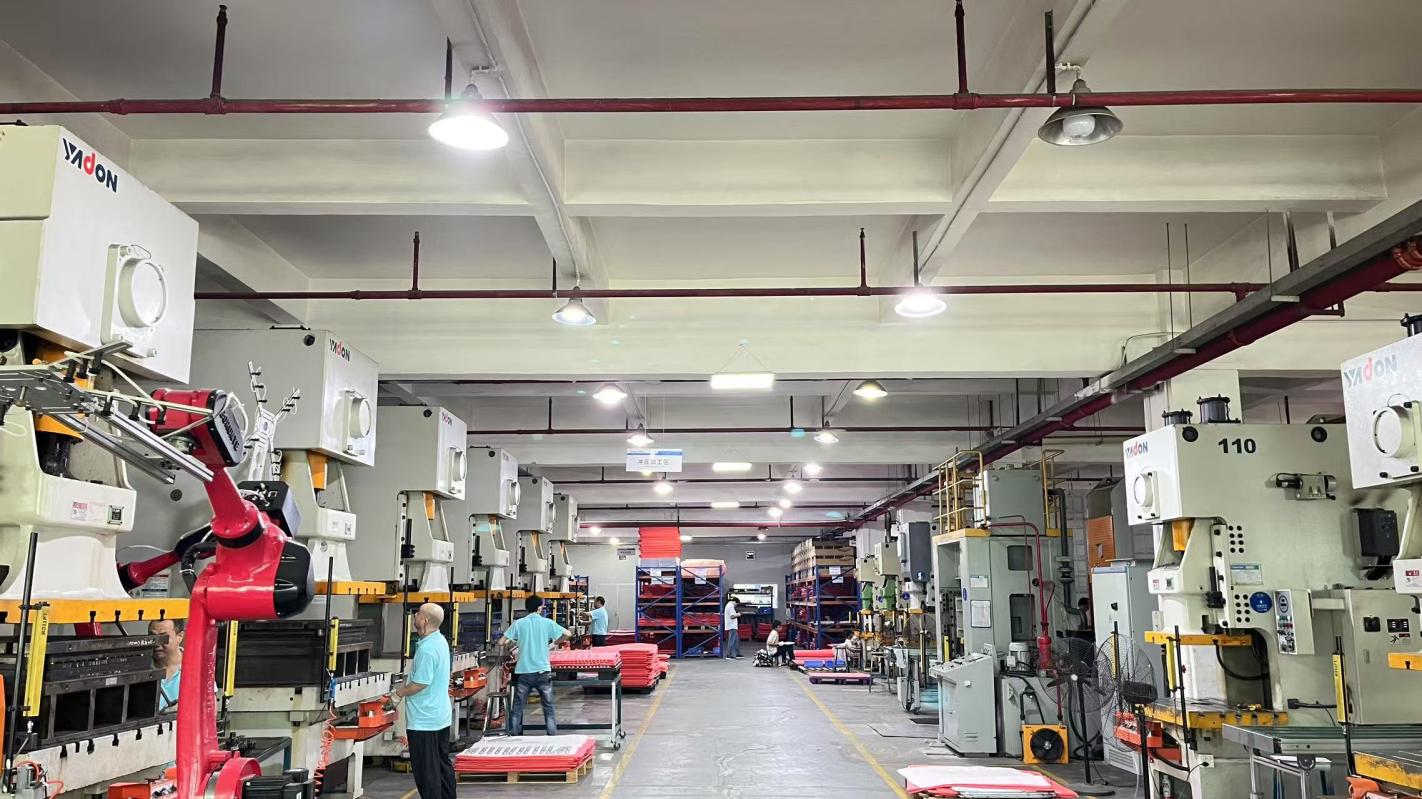
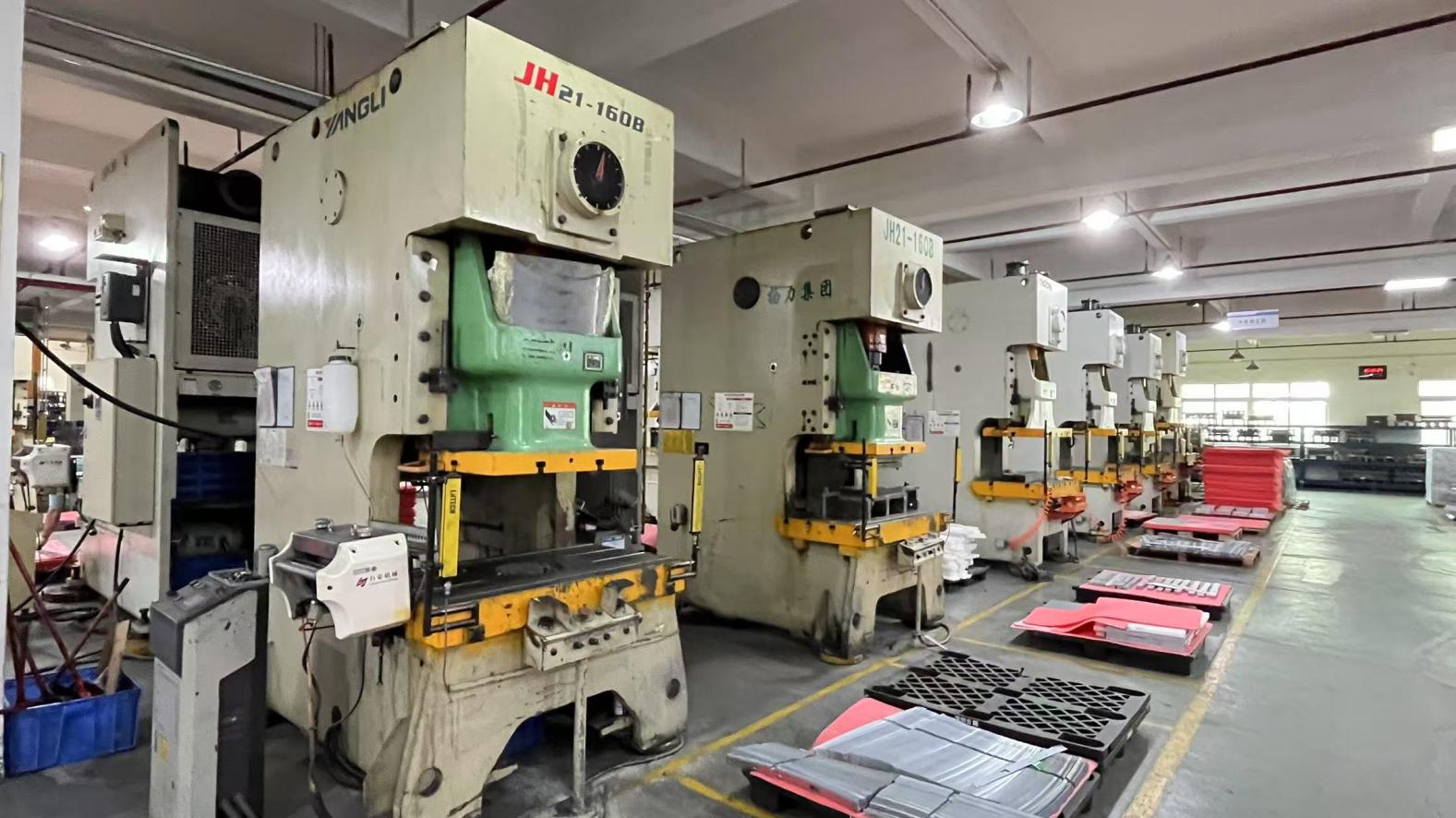
Located in Shenzhen, China, Veltrixa operates a modern production facility covering 386 m², equipped with assembly, testing, and quality control systems. With a focus on technical performance and reliable service, we provide flexible OEM and ODM options tailored to diverse computing requirements.
Veltrixa implements a quality management system to ensure products meet international standards.
We invest in technology innovation and product design to keep pace with the computing industry.
Our system integration portfolio covers a range of high-performance computing needs:


Detailed technical insights for IT professionals, procurement officers, and network architects planning server deployments.
Dell PowerEdge "XS" models (like the R760xs or R750xs) are designed for cost-effective scaling in virtualized environments. While standard models support maximum expansion, storage configurations, and high TDP processors, XS configurations focus on optimized memory, CPU, and storage footprints. This helps cloud builders control costs while maintaining high compute density.
DDR5 memory provides data transfer speeds starting at 4800/5600 MT/s, which is significantly faster than DDR4. This improvement helps feed multi-core processors without processing delays. PCIe Gen5 doubles the bandwidth per lane compared to Gen4, which speeds up communications between the host processor, NVMe storage drives, and accelerators like GPUs or NICs.
High-density setups use specialized cooling configurations. Dell's Smart Flow chassis uses high-performance cooling fans, optimized airflow baffles, and efficient heatsinks to handle higher thermal loads. For dense rack setups, Direct Liquid Cooling (DLC) or rear-door heat exchangers are often used to manage thermals and reduce energy usage.
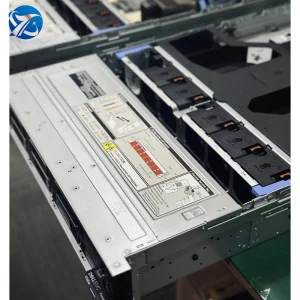
As an experienced system integrator and supplier, Veltrixa provides custom BIOS flashing, hardware configuration, and rigorous testing services. Every server undergoes functional testing, burn-in testing, and thermal validation prior to export. This ensures that hardware arrives ready for installation and configuration.