Veltrixa
Veltrixa
Veltrixa
Deploy enterprise-ready server architecture featuring next-generation processors, scalable memory banks, and superior thermal management systems.
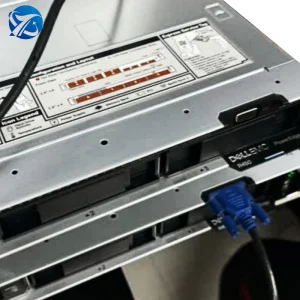
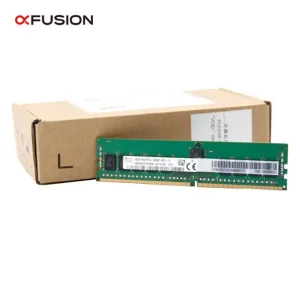
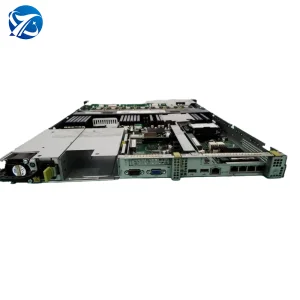
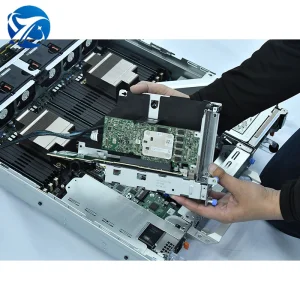
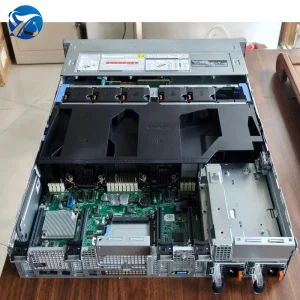
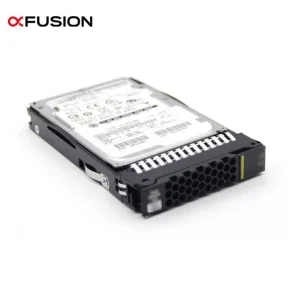
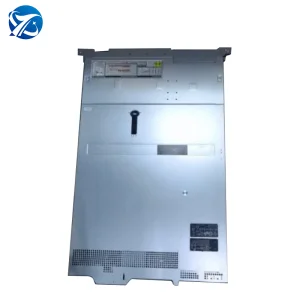
The global rise in generative AI workloads, deep learning architectures, and large language models (LLMs) has fundamentally transformed the requirements for data center hardware.
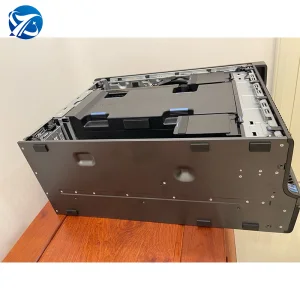
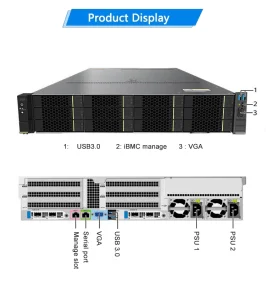
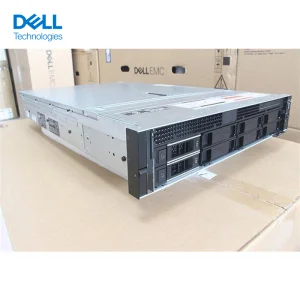
Traditional server designs are no longer sufficient to manage the immense power, processing speed, and space constraints faced by contemporary enterprise organizations. High-density server platforms represent the natural evolution of compute architecture—combining dual-socket multi-core CPUs, high-capacity DDR5 ECC RDIMMs, and multiple graphics processing accelerators into compact 1U, 2U, or 4U rackmount form factors.
By maximizing the utilization of vertical rack units, organizations can realize massive operational cost savings. A high-density configuration reduces the physical footprint within a colocation center or enterprise facility, directly decreasing power distribution expenses, cabling overhead, and initial real estate capital layout. Furthermore, specialized thermal paths and liquid cooling provisions guarantee that these dense systems operate well within safety standard limits, mitigating hardware throttling and extending hardware life cycle efficiency.
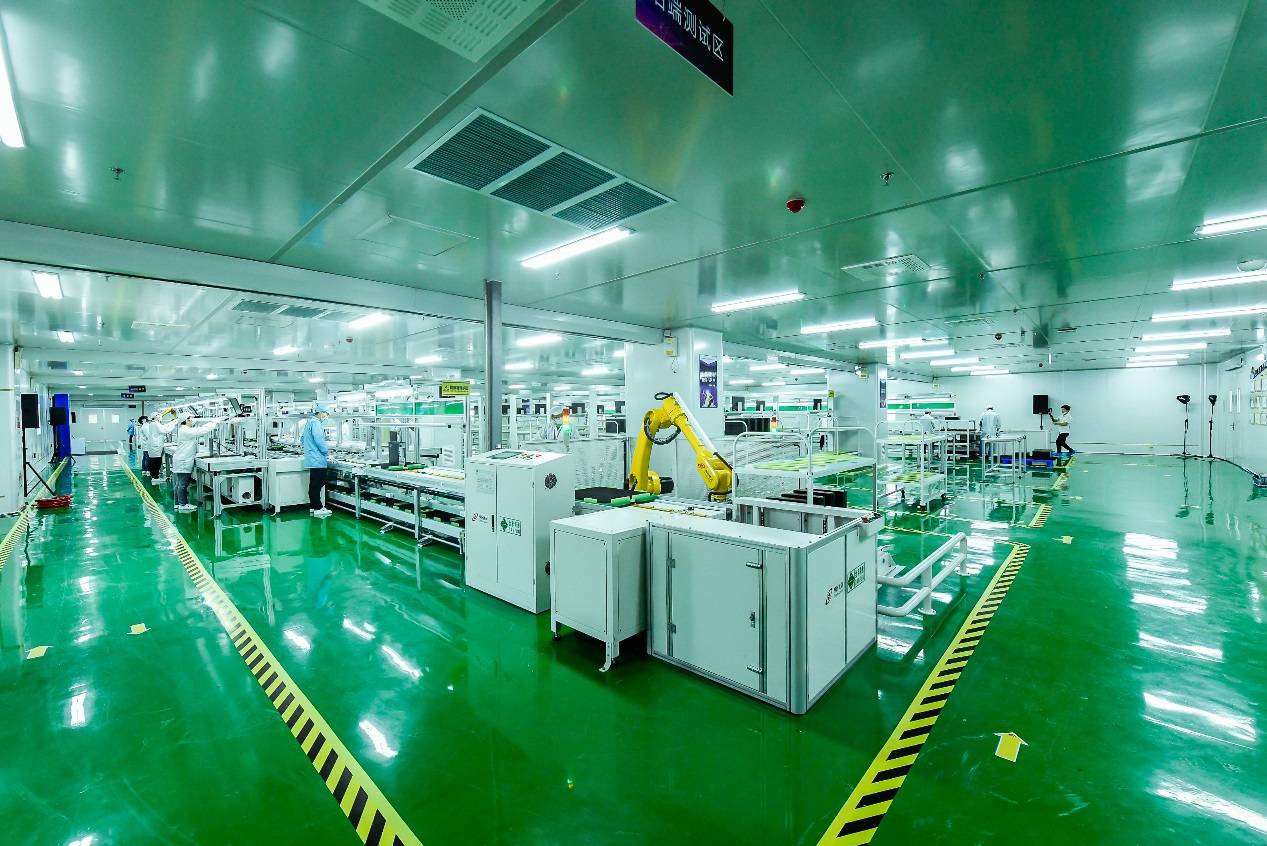
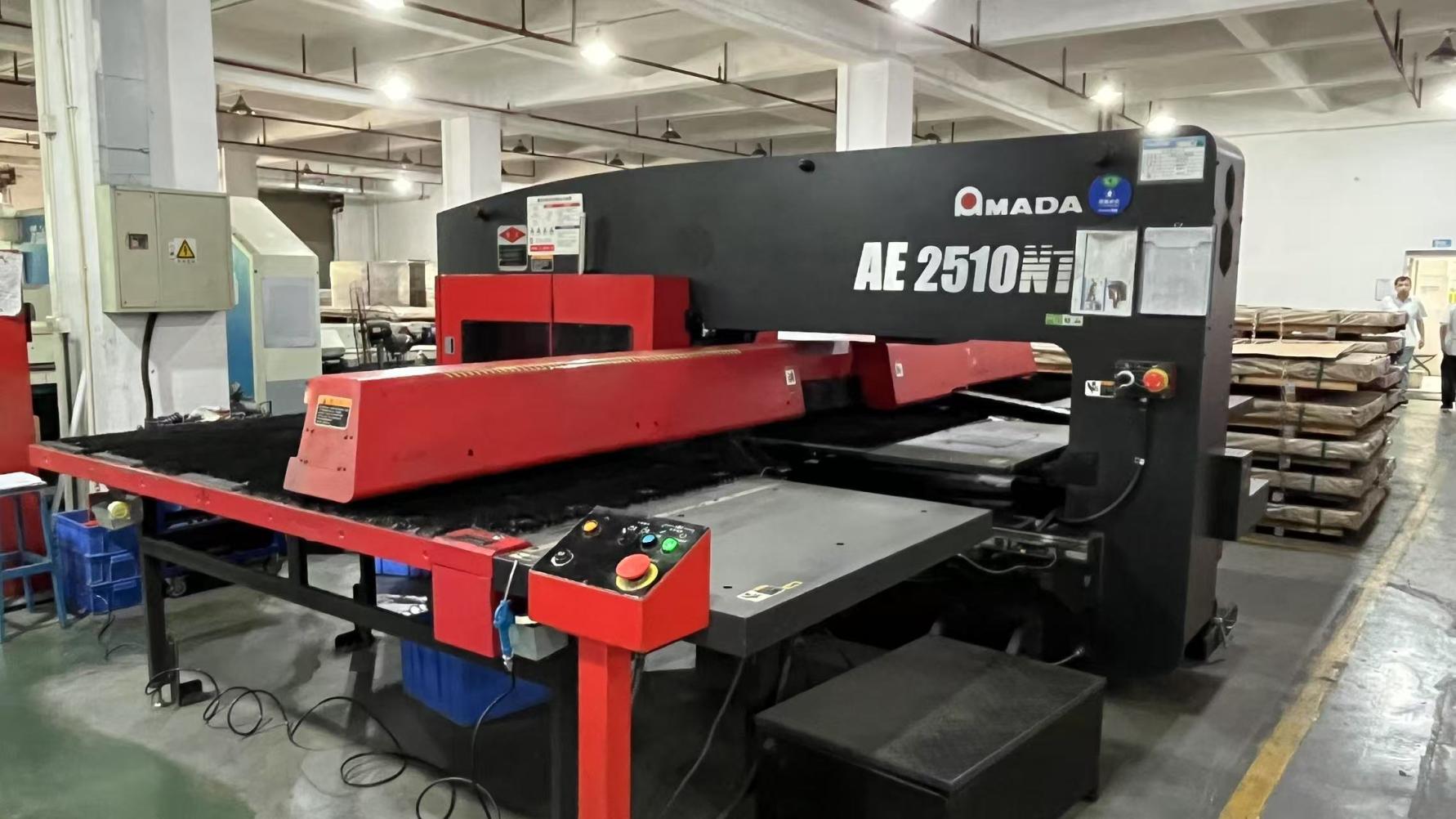
A premier global developer and system integrator specializing in AI GPU computing, advanced high-density clusters, and mission-critical server hardware solutions.
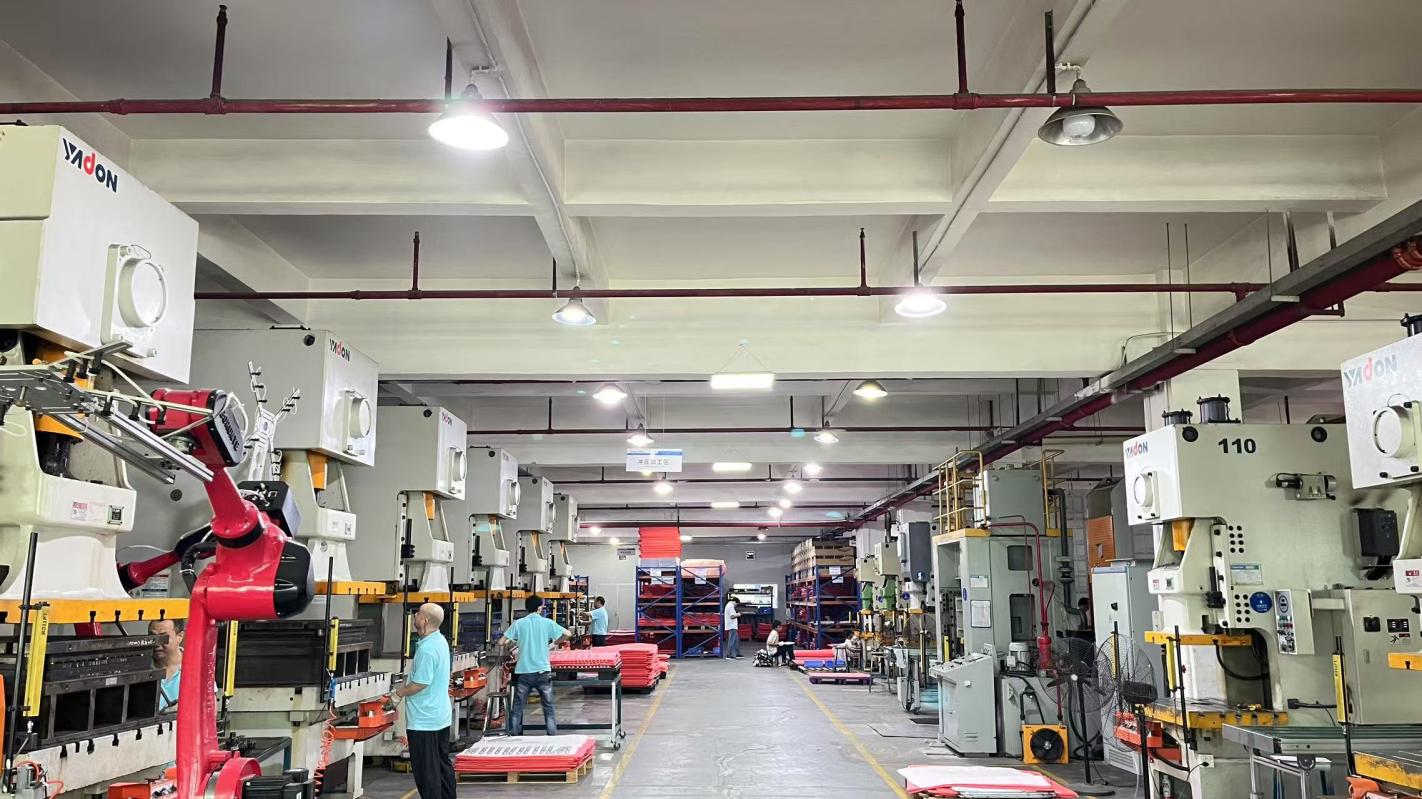
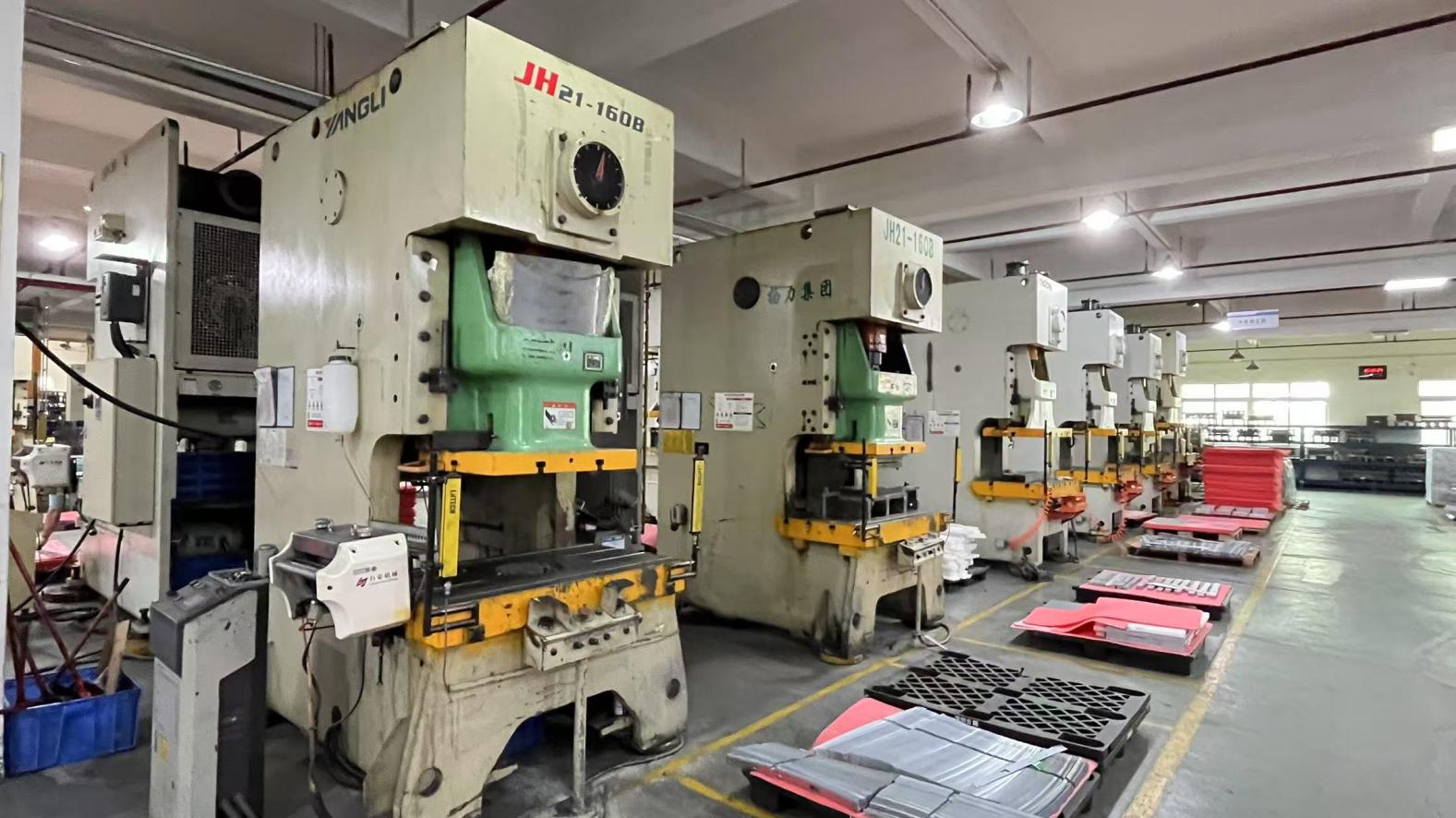
Operating out of Shenzhen's high-tech manufacturing sector, our specialized assembly facility spans 386 m² and is optimized for advanced diagnostic verification, strict quality testing, and configuration tuning.
We run a 100% pre-shipment quality audit program staffed by 46 specialized QA technicians. Every high-density server undergoes strenuous burn-in, hardware benchmarking, and thermal testing before shipping.
With 12 years of industry engineering experience and 7 years of global trade history, Veltrixa distributes hardware worldwide. Our global sales channel generates an annual export turnover of USD 18 Million.
The progression of modern high-density architecture is shaped by a shift toward software-defined data centers (SDDC) and massive parallel execution. High-performance processors from Intel and AMD EPYC now feature TDP ratings in excess of 350W per socket, pushing the limits of thermal dissipation in tightly packed 1U and 2U enclosures. Engineers must design custom heatsinks and dual-path airflow loops to ensure that components like memory, storage, and networking interfaces receive sufficient cooling.
As memory performance requirements increase, DDR5 RDIMM configurations operating at 4800MHz to 6400MHz have become the baseline standard. These components require advanced power management ICs (PMICs) directly integrated onto the module PCB. This migration from motherboard-based voltage regulation allows systems to manage power density profiles at a granular level, reducing power sag risks across multi-channel structures during peak computing operations.
With racks now exceeding 50kW configurations, standard air cooling systems are reaching their limits. System builders are increasingly adopting direct-to-chip liquid cooling systems and secondary closed-loop manifolds to remove thermal energy directly from high-power CPUs and GPUs. This architecture allows organizations to run at optimal frequencies without thermal throttling, while reducing overall PUE (Power Usage Effectiveness).
Modern computing platforms leverage the PCIe Gen5 bus and Compute Express Link (CXL) protocols to expand physical memory maps. This configuration reduces CPU-to-GPU and CPU-to-Memory access latencies, allowing server nodes to dynamically share pooled memory across high-speed fabric connections.
Aligning server hardware with complex international deployment requirements, regulatory frameworks, and workload dynamics.
Integrating multiple compute nodes into a consolidated chassis allows corporate IT departments to deploy dense virtualization layers. A single 2U high-density server can host hundreds of isolated virtual machines, running complex application stacks with reduced hardware costs.
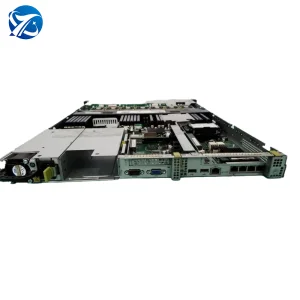
Our custom 1U rack configurations are built to handle intensive floating-point operations. By linking these high-density nodes through low-latency InfiniBand networks, research facilities can build powerful, high-performance computing clusters.
For remote branch offices and edge locations, we build compact, short-depth systems that deliver server-class computing power directly to environments where space is limited and environment conditions cannot be controlled.
| Operational Metric | Standard High-Density Target | Enterprise Level Advantage |
|---|---|---|
| U-Space Utilization | Up to 4 server nodes per 2U chassis | Reduces rack space footprint by 50% |
| Memory Bandwidth | DDR5 ECC RDIMM @ 4800MHz - 6400MHz | Supports high-volume datasets and rapid in-memory processing |
| Expansion Capacity | PCIe Gen5 x16 lanes | Optimizes data path throughput for AI accelerator modules |
| Thermal PUE Target | Direct liquid cooling / Optimized air path | Maintains lower operating temperatures with less cooling power |
Deploying hardware in markets like Western Europe and North America requires strict compliance with international safety and electromagnetic standards.
As a leading CE Certified High-Density Server Factory, Veltrixa ensures all systems comply with the Low Voltage Directive (LVD) 2014/35/EU and the Electromagnetic Compatibility (EMC) Directive 2014/30/EU. This documentation provides our international customers with a smooth import process and ensures safe operations in commercial and industrial settings.
Our quality verification team tests every system for grounding continuity, insulation resistance, and leakage current under heavy operational loads. By maintaining certifications like CE, RoHS, and FCC, we guarantee that our high-density servers are built to meet the safety and reliability standards required by global enterprises.
Developing tomorrow's scalable compute architecture, hybrid power management, and liquid-cooled designs.
Our hardware roadmap includes plans for PCIe Gen6 interfaces, which will double the bandwidth of current PCIe Gen5 channels to support next-generation ultra-fast NVMe storage and high-speed NICs.
Veltrixa is standardizing on-board liquid loop dynamics. This design incorporates micro-channel cold plates directly onto CPU sockets, enabling high-performance operations in warm-water-cooled data centers.
Our future server modules will feature hardware-level trust platforms (TPM 2.0 and secure boot chips) to protect critical data, secure bios revisions, and prevent unauthorized code execution.
Take a look inside Veltrixa's production and testing facility, designed to deliver high-quality, high-density server solutions.
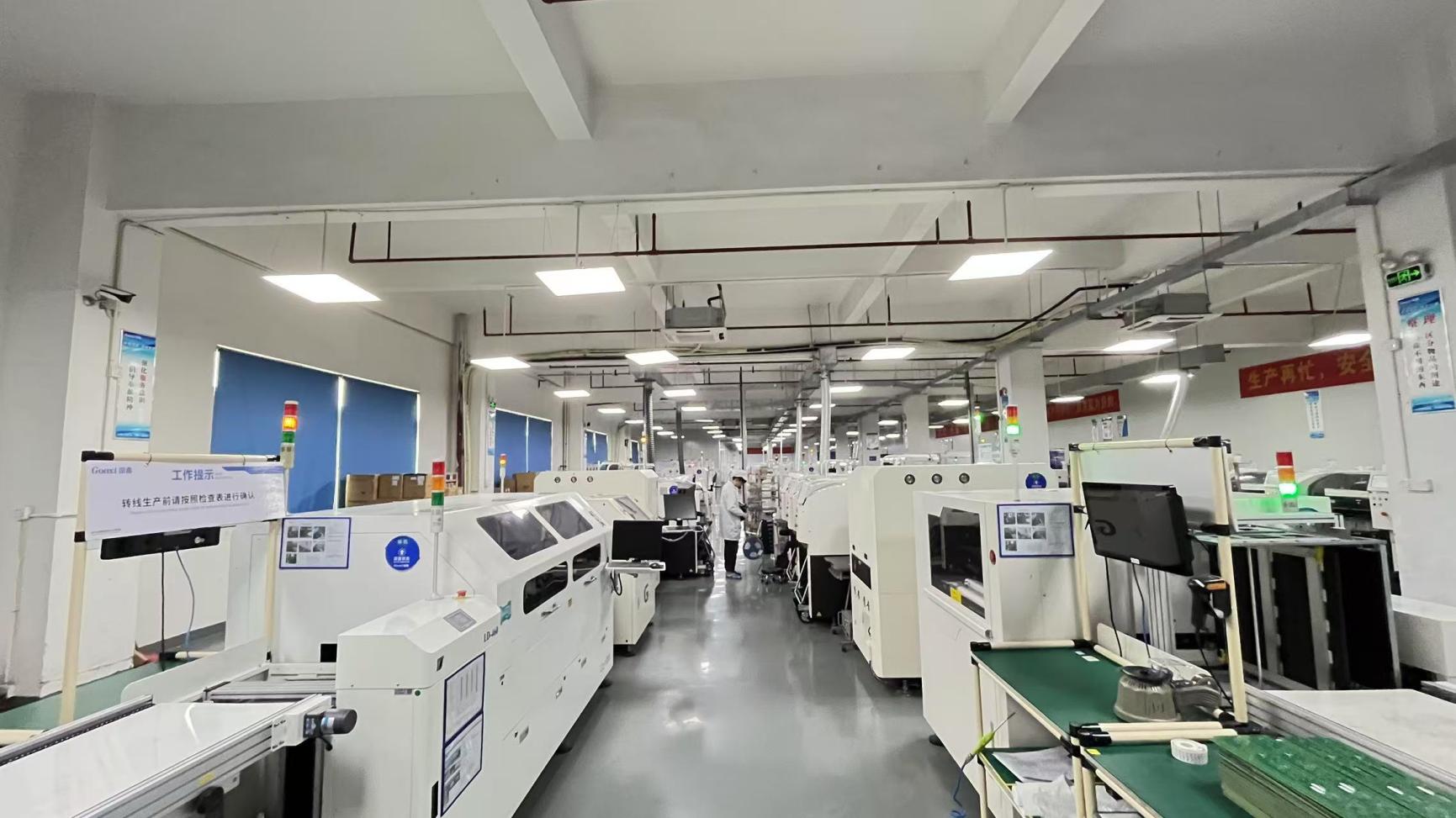
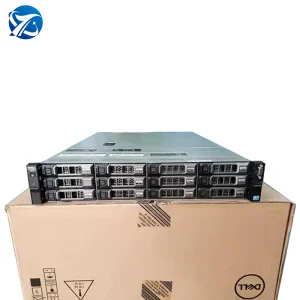
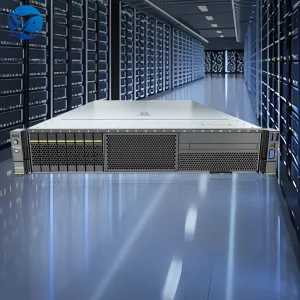
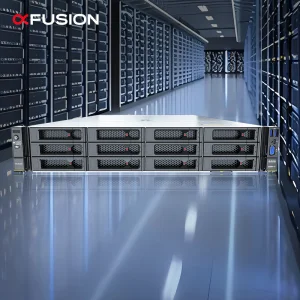
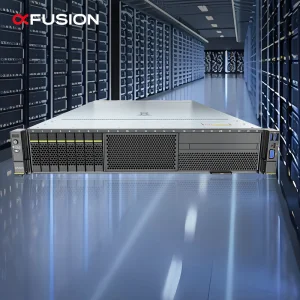
Explore our line of server products, built to support complex data storage and compute requirements.
Answers to common technical questions about high-density computing systems, certifications, and structural deployment.