Veltrixa
Veltrixa
Veltrixa
Explore our leading-edge configurations engineered for deployment across modern hyper-scale data centers, AI workloads, and complex enterprise virtualization environments.
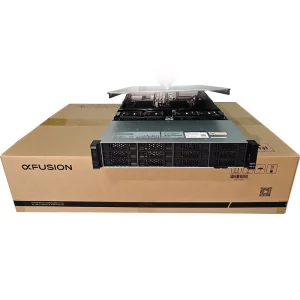
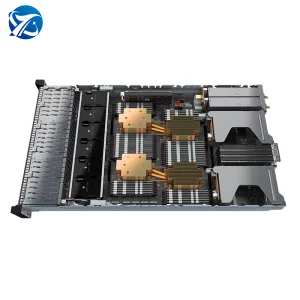
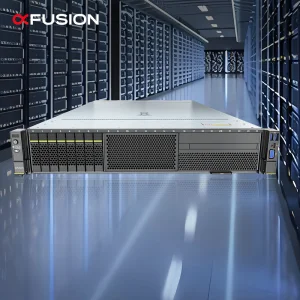
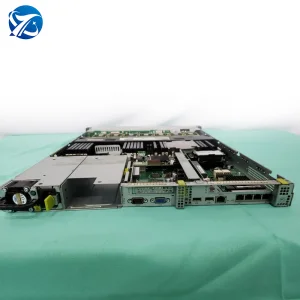
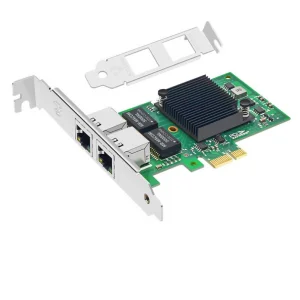
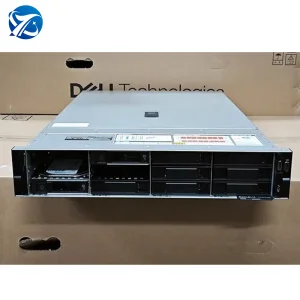
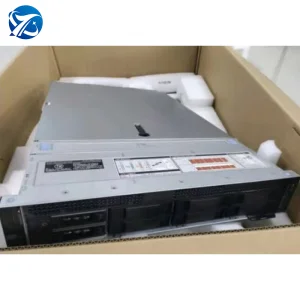
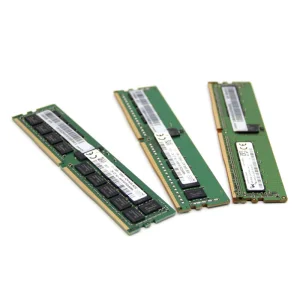
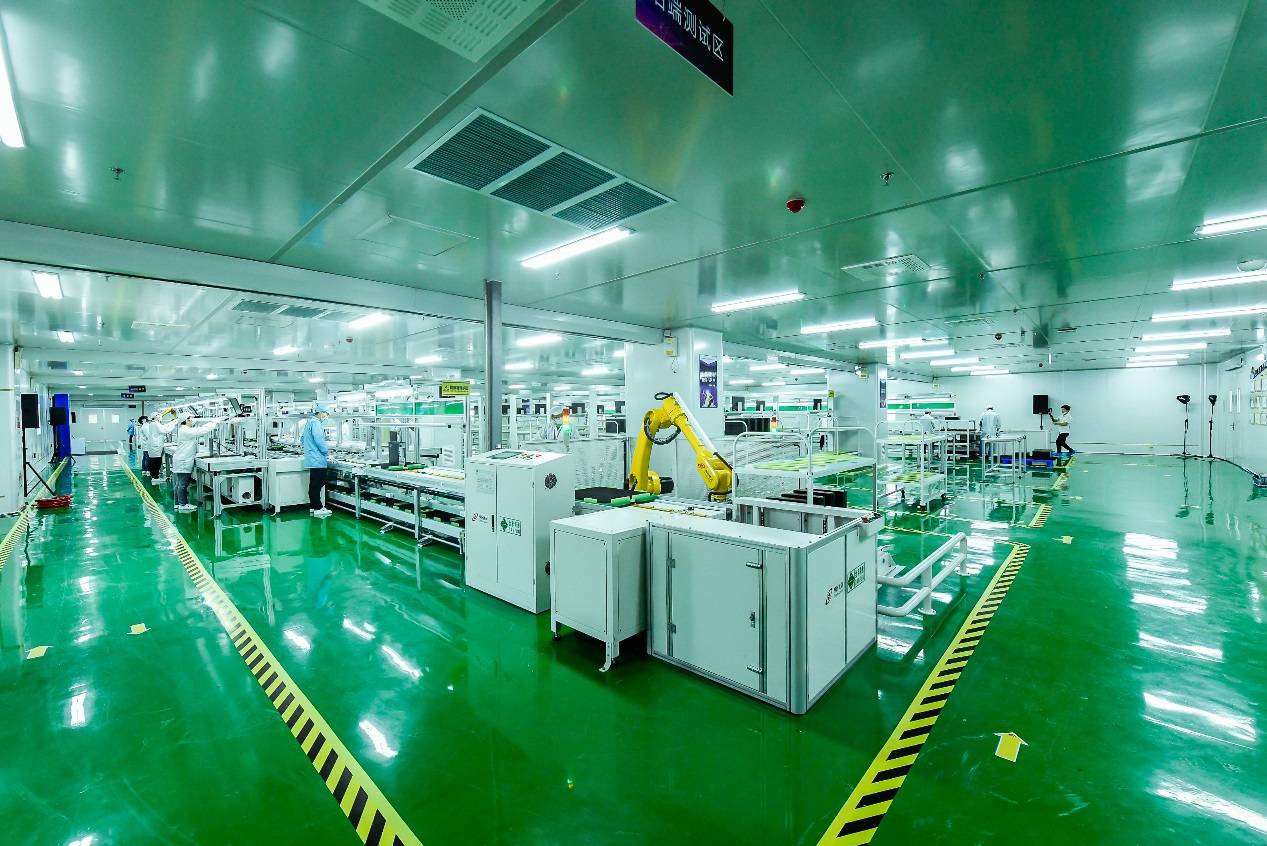
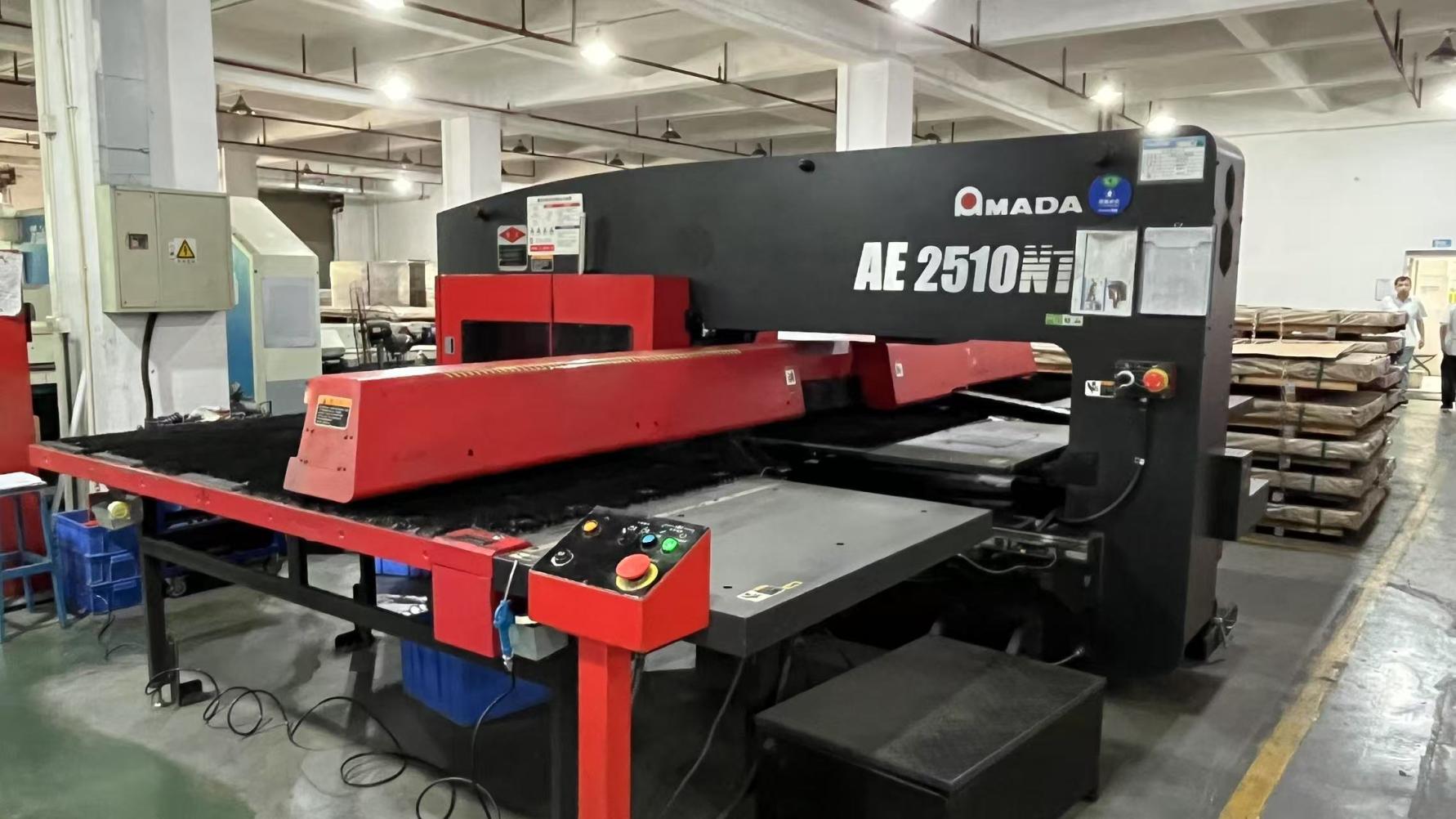
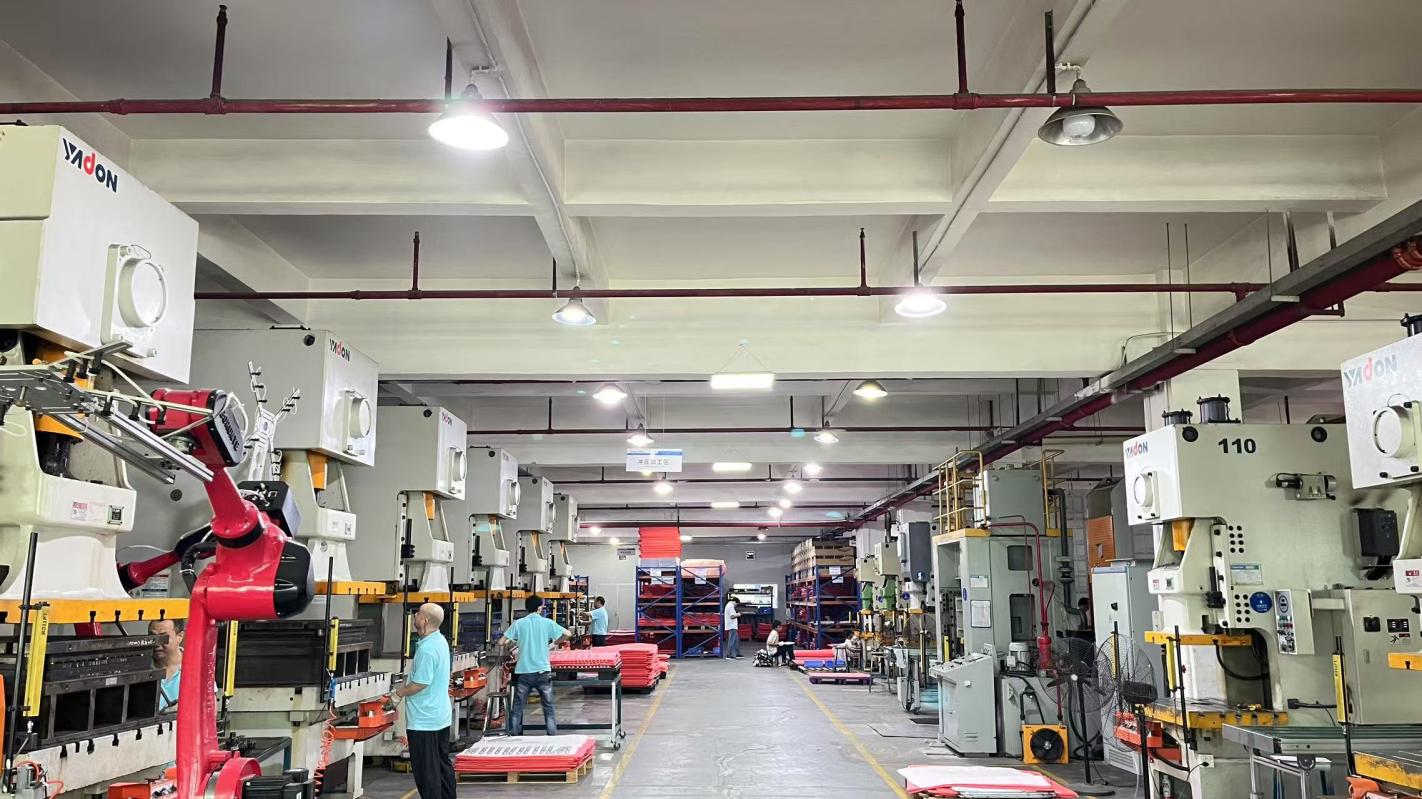
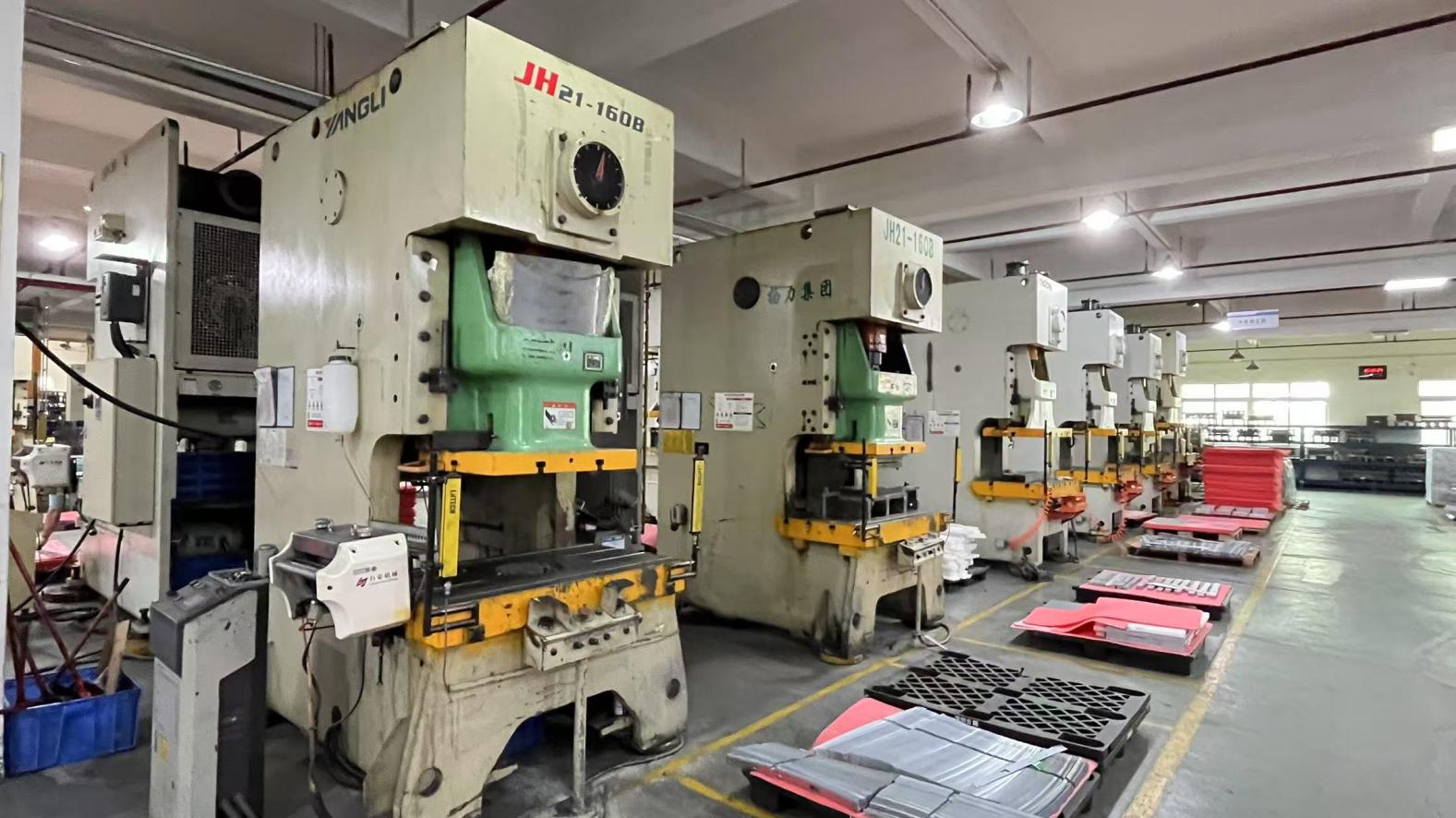
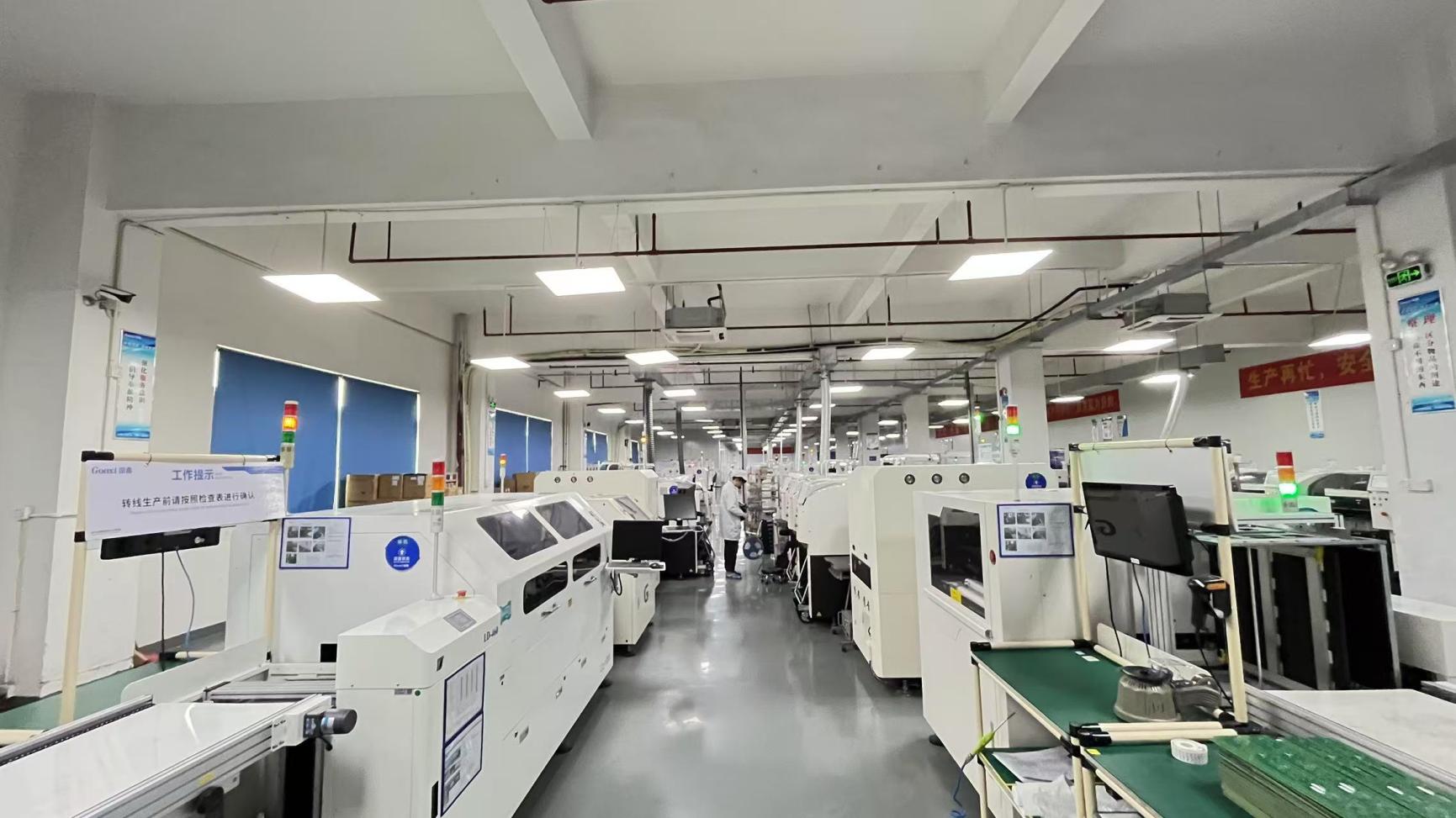
Established in 2017, Shenzhen Veltrixa Intelligent Computing Co., Ltd. has established itself as an authoritative manufacturer and global exporter of high-density AI GPU systems, hyper-scalable storage platforms, liquid-cooled data center appliances, and modular server architectures. From our state-of-the-art facility in Shenzhen, China, we operate advanced assembly, micro-soldering, thermal calibration, and quality verification workflows to power the next generation of deep learning, scientific supercomputing, and cloud native architectures.
Our focus is centered on standardizing open hardware platforms, implementing rigorous E-E-A-T manufacturing methodologies, and adhering to strict international certifications. By providing tailored OEM/ODM adjustments, we support systems integrators, enterprise IT architects, and high-performance computing centers in reaching peak performance while lowering global total cost of ownership (TCO).
An authoritative analysis on why modern hyperscale workloads mandate modular server components, global regulatory compliance, and thermal flexibility.
Traditional rigid rackmount servers are rapidly becoming bottlenecks in the modern enterprise landscape. As artificial intelligence models scale from billions to trillions of parameters, and data throughput requires ultra-low latency interfaces, modular server designs have transitioned from an experimental choice to a core structural standard. By decoupling compute nodes, system memory arrays, storage arrays, power supply units (PSUs), and cooling blocks into hot-swappable sub-modules, operations teams can update or maintain critical sections of their systems without taking down the entire infrastructure.
Shenzhen Veltrixa Intelligent Computing Co., Ltd. designs its modular platform to enable granular hardware upgrades. Our systems segregate the main CPU compute complex from the PCIe bus and storage backplanes. If an organization transitions from PCIe Gen 4.0 to PCIe Gen 5.0 (or plans for Gen 6.0), they only need to swap the passive backplane or interface module, rather than discarding the chassis, power distribution units, and system memories. This methodology limits capital expenditure (CapEx) and significantly minimizes operational electronics waste (e-waste) over a standard 5-to-7-year server life cycle.
Industries worldwide are grappling with a surge in processing demands. The adoption of large language models (LLMs), deep learning, complex spatial analytics, and high-frequency financial modelling requires raw compute power that traditional data center architectures struggle to deliver efficiently. Our modular solutions resolve these bottlenecks across three primary industrial pillars:
| Industrial Application | Traditional Server Bottleneck | Modular Server Solution | Performance Uplift Factor |
|---|---|---|---|
| Large Language Model (LLM) Inference | High bus-latency, inadequate power limits | Specialized GPU carrier modules with 48V bus bars | Up to 2.8x throughput efficiency |
| High-Performance Computing (HPC) | Node downtime disrupts active calculations | Hot-swappable blade architectures | 0% downtime during routine maintenance |
| Edge AI Video Processing | Thermal throttling under outdoor conditions | Independent vapor chamber cooling blocks | Thermal stability up to 55°C ambient |
| Virtual Storage Networks (SAN/NAS) | Limited PCIe lanes, rigid drive arrays | Tri-Mode RAID controller modules & NVMe trays | Up to 12 GB/s continuous throughput |
From a global market perspective, the transition toward modular layouts is driven by both power grid constraints and space density limits within real-estate hubs. Modern cities are experiencing unprecedented power limitations, and data centers must do more with less physical footprint. A modular layout maximizes compute density per rack unit (RU). For instance, a 2U multi-node chassis can house four independent compute engines, sharing redundant high-efficiency power supplies and fans. This cuts total power usage by 15% compared to four individual 1U rackmount units, while reclaiming valuable rack cabinet space.
At Shenzhen Veltrixa, we recognize this dynamic shift. Our supply chain leverages relationships with more than 1,280 component suppliers to source high-grade raw components, specialized controller cards, and premium silicon. Operating from our modern production hub, we export high-density rackmount systems directly to critical regions like North America, Western Europe, Southeast Asia, and the Middle East. Through strict logistics controls and supply contracts, we ensure delivery timelines and product consistency despite global hardware supply chain fluctuations.
How Shenzhen Veltrixa ensures system compliance and reliability across European and global regulatory environments.
CE Certification is not just a regulatory label; it is a fundamental guarantee of electromagnetic safety, structural integrity, and ecological compliance. Our modular systems undergo comprehensive testing protocols to meet European Union directives:
Our commitment extends beyond shipping hardware from our factory. We realize that modular hardware must integrate with existing localized environments. Whether configured for an enterprise cloud platform in Frankfurt, an edge-AI node array in Singapore, or a localized deep learning startup in New York, we adapt our designs to align with regional standards. This includes adjusting power connections, integrating software-defined management suites, and offering remote out-of-band monitoring tools (IPMI 2.0 / Redfish compliant APIs) for easy system administration.
Additionally, Veltrixa maintains localized spare parts depots and partnerships with systems integrators. This ensures that in the event of an interface or PSU failure, replacement modules are delivered and installed within hours, protecting operational uptime SLAs. Each component is tracked via barcode and serialization, providing full supply chain transparency from production to disposal.
Veltrixa's development path for next-generation modular computing infrastructure.
Upgrading passive and active modular backplanes to support PCIe Gen 6.0 high-speed data buses. This doubles data transfer rates compared to PCIe 5.0, removing bottlenecks for next-generation AI models like DeepSeek-R1 and similar hyper-scale architectures.
Developing closed-loop liquid-to-air cooling manifolds that slot into standard modular nodes. This eliminates the need for expensive data center retrofitting while supporting accelerators with TDP profiles exceeding 700W.
Embedding telemetry chips inside each server module to monitor current, temperature, and signal stability. Algorithms predict hardware failures before they occur, automatically alerting management software to hot-swap the degraded module.
Our facility runs an independent research and development wing backed by 86 experienced R&D engineers. In 2024, our engineers released 124 new system configurations. We recognize that one size does not fit all. Our customers require customization, from custom metalwork and branding to specific motherboard configurations, firmware modifications, and complex multi-GPU topologies. Veltrixa provides a structured development path, moving from design and prototype validation to production, safety testing, and CE certification in a streamlined workflow.
Technical and regulatory answers regarding Veltrixa's modular server systems.
Unlike unified servers where components are hardwired to a single mainboard, Veltrixa's modular systems separate compute nodes, power modules, storage backplanes, and cooling components into individual, field-replaceable sub-assemblies. This approach reduces Mean Time to Repair (MTTR), simplifies system upgrades, and lowers long-term operational costs (TCO).
Yes. All modular server systems and server accessories shipped to European territories undergo certification processes. We test for the Electromagnetic Compatibility (EMC) Directive 2014/30/EU and the Low Voltage Directive (LVD) 2014/35/EU, ensuring smooth regulatory entry and safe data center deployment.
We offer full OEM and ODM services. This includes structural adjustments to chassis metalwork, custom silkscreen branding, development of tailored passive storage backplanes, modification of motherboard bios parameters, custom integration of network interface cards, and optimization of power distribution systems (PDU) to match specific power rails.
We execute a 100% pre-shipment verification process led by 46 specialized QA officers. Every system undergoes functional testing, a 72-hour high-temperature thermal stress burn-in test, performance benchmarking, compatibility testing with key operating systems (Linux, VMware, Windows Server), and a visual inspection before final packing.
Select from our certified systems, components, and accelerators ready for global export and seamless rack-level deployment.