Veltrixa
Veltrixa
Veltrixa
Explore our line of server accelerators, storage configurations, and computing platforms designed for high throughput, minimal latency, and full architectural redundancy.
How distributed workforces, hybrid models, and strict data security protocols are shifting computational architectures towards centralized, high-density server configurations.
The global enterprise ecosystem is undergoing an irreversible transition. Today's modern workloads demand high computing capacities at the edge, but maintaining physical endpoint workstations presents a massive security vulnerability, a maintenance bottleneck, and a operational cost sinkhole. Virtual Desktop Infrastructure (VDI) has transitioned from an optional enterprise contingency to a fundamental technological base. By shifting OS workloads from individual local devices to centralized clusters of high-density virtualization platforms, enterprises can guarantee total protection of intellectual property, enforce data loss prevention (DLP) protocols, and scale compute power on demand.
According to comprehensive industry research, the global market for desktop virtualization technology is projected to grow exponentially over the next decade. Major key drivers include the implementation of hybrid-remote corporate operations, the digitization of clinical records in healthcare facilities, and the massive deployment of CAD/CAM systems in high-tech manufacturing ecosystems. Underpinning this infrastructure is the requirement for ruggedized, CE Certified hardware designed to run 24/7/365 without configuration degradation. Global compliance guarantees such as the CE mark verify that the server systems, RAID configurations, and storage backplanes meet rigorous European safety, health, and environmental protection guidelines, establishing them as suitable for mission-critical deployments.
Dynamic RAM allocation, multi-core virtualization, and solid-state array provisioning translate into seamless workstation instantiation and zero resource idle-times across the corporate domain.
By hosting data exclusively inside secure data center structures, sensitive corporate IP never resides on local endpoints. An attack vector on a terminal node remains strictly isolated.
Update system images, patch software bugs, and deploy security patches across ten thousand nodes in minutes rather than orchestrating complex physical deployment cycles.
Decoupling hardware layers to maximize virtual interface throughput, latency management, and parallel processor scaling.
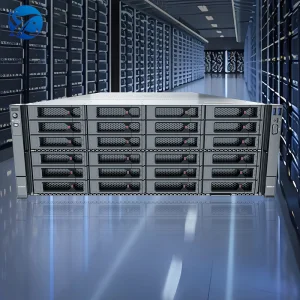
Deploying an enterprise-wide virtual desktop solution requires meticulous server platform architecture selection. At the base layer, VDI compute servers require powerful multi-core processors with hyper-threading enabled, providing optimal density metrics (typically 1.5 to 2.5 virtual desktop sessions per physical CPU core). Concurrently, GPU virtualization (vGPU) has become standard for office environments relying on demanding video playback, multi-screen setups, or browser rendering acceleration. By using high-performance servers configured with dedicated accelerators, sysadmins can share a physical GPU between multiple virtual machines, delivering dedicated-workstation responsiveness at a fraction of the hardware cost.
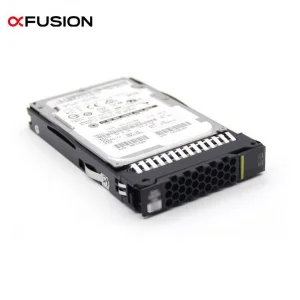
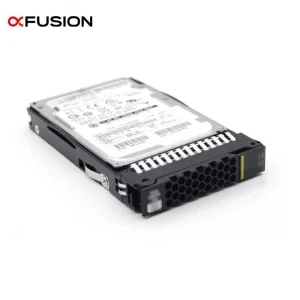
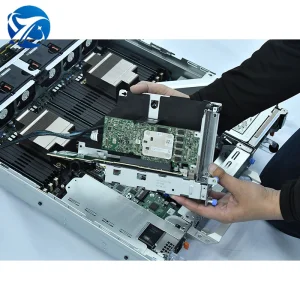
Storage bottlenecks represent the primary point of failure for expanding VDI networks—specifically during "boot storms" (when hundreds of workers sign in simultaneously). To mitigate write/read latency, our engineering team optimizes high-speed RAID controllers and NVMe storage arrays. Utilizing components like the 9560-8I 8-port 4GB RAID Card or the boot-optimized XP270-M2 M.2 RAID Controller, our server architecture guarantees hardware-level striping, cache retention, and redundant disk configurations. These protocols keep user profile read processes under 3 milliseconds, maintaining workstation reliability under extreme operating stress.
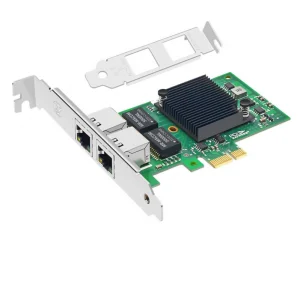
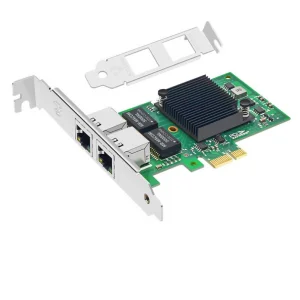
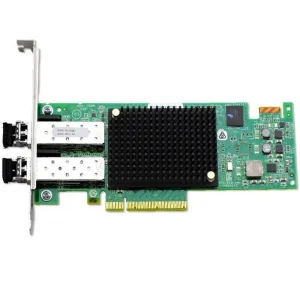
The transmission layer requires ultra-fast, dedicated bandwidth adapters. Incorporating Emulex Host Bus Adapters (HBA) with 32Gb/s SFP28+ throughput enables hypervisors to communicate directly with Fibre Channel storage arrays (SAN) with minimal protocol translation overhead. This architecture supports zero-lag screen rendering updates, high-definition streaming, and immediate USB redirection capabilities across WAN environments.
Analyze end-user performance categories (Knowledge Workers, Power Users, CAD Designers) to balance RAM and compute density.
Integrate high-speed storage backplanes, CE-compliant power supply units (PSU), and GPU server models within rack units.
Provision VMware ESXi, Microsoft Hyper-V, or KVM architectures with optimized RAID arrays and network virtualization.
VDI configurations optimized for industry-specific demands: from financial floor security to real-time CAD processing.
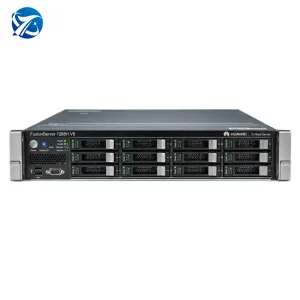
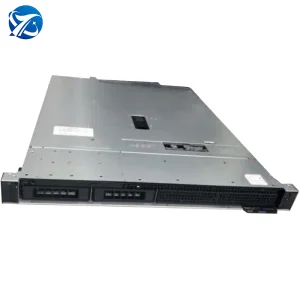
Financial data compliance mandates zero local storage. By deploying VDI nodes powered by reliable FusionServer and PowerEdge platforms, banking institutions isolate account ledger databases and transaction portals inside safe data centers. Bank tellers and customer representatives work via secure thin clients, safeguarding sensitive personal customer data against hardware theft or endpoint security breaches.
Clinicians require rapid, secure access to PACS (Picture Archiving and Communication System) imagery. Our GPU-enhanced servers support real-time rendering of heavy 3D scans. With ultra-fast network cards, clinicians can access images instantly from diagnostic terminals, bedside devices, or home offices, maintaining patient confidentiality and regulatory compliance.
Engineering pipelines require continuous GPU capacity. In traditional architectures, this meant equipping engineers with expensive workstations. By leveraging rackmount systems with vGPU partitioning, multiple engineers share physical GPU assets, accelerating design-to-production workflows while reducing hardware overhead.
Leveraging Shenzhen's leading electronics supply chain, Veltrixa delivers custom enterprise-grade computing platforms to partners worldwide.
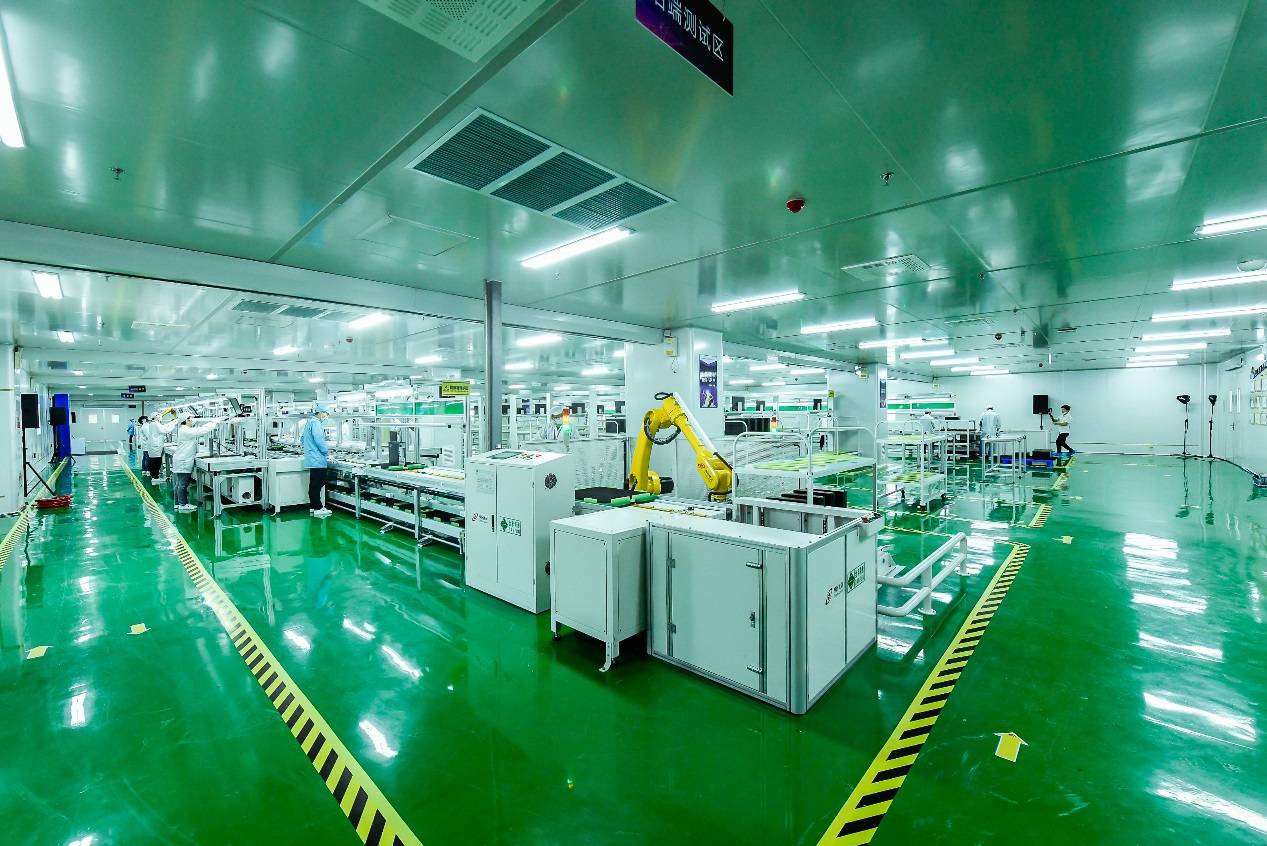
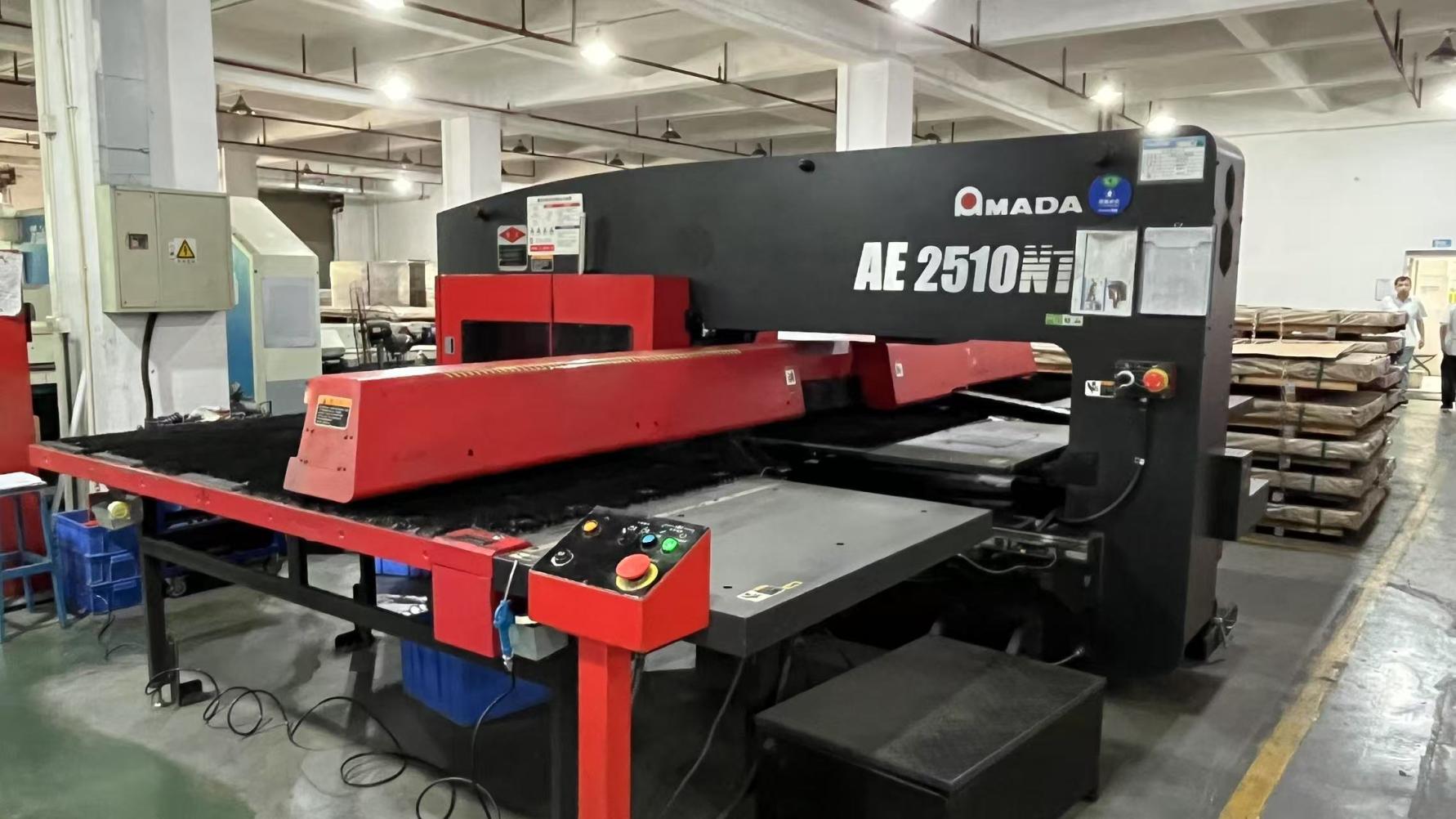
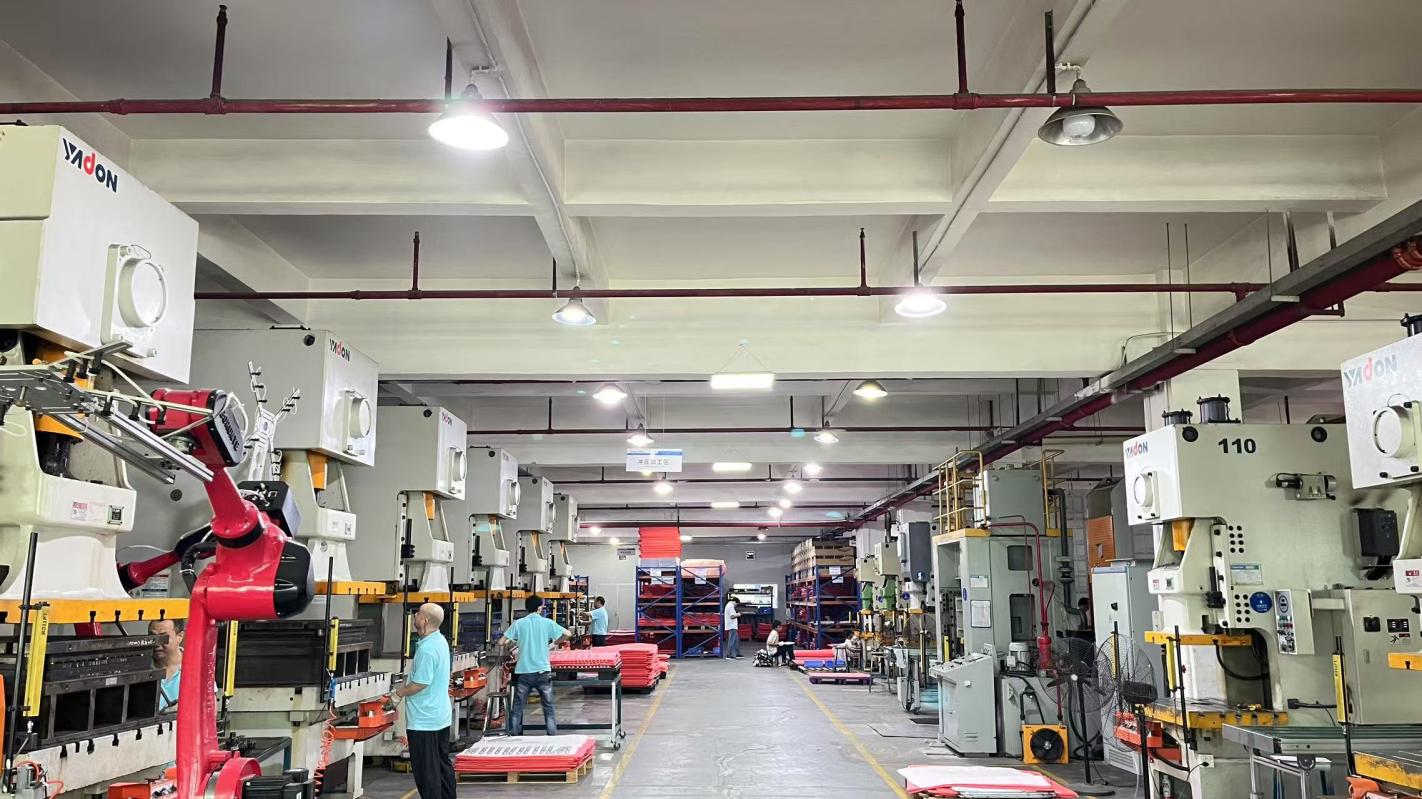
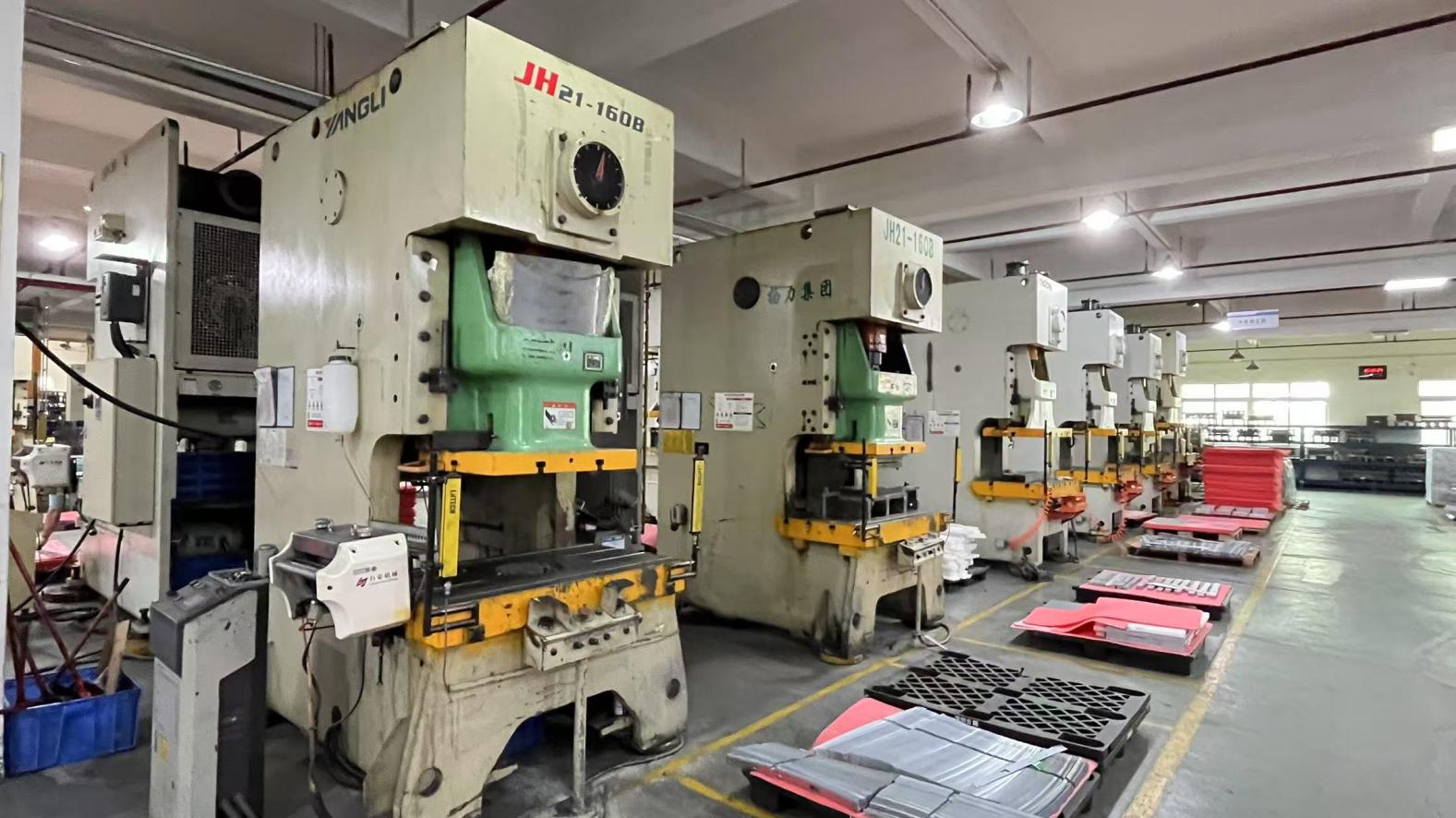
Operating from our modern facility in Shenzhen, China, Shenzhen Veltrixa Intelligent Computing Co., Ltd. serves as a reliable manufacturer, designer, and exporter of enterprise hardware. Since 2017, we have built a manufacturing and delivery ecosystem supported by over 1,280 verified supply chain partners. This robust infrastructure allows us to secure hard-to-source chipsets, premium memory chips, and high-frequency backplanes when global markets face supply disruptions.
From initial design phases to long-term hardware support, our teams maintain strict quality control standards. We understand the performance demands of active server workloads and prioritize mechanical endurance, component compatibility, and energy efficiency across our hardware lines.
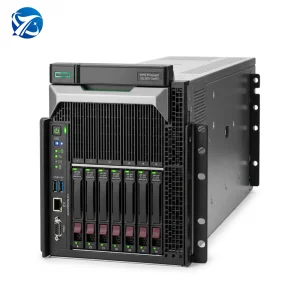
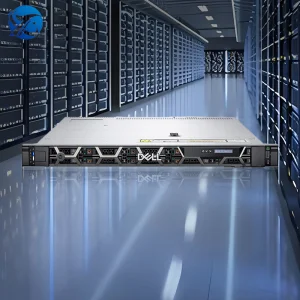
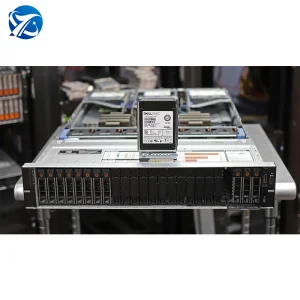
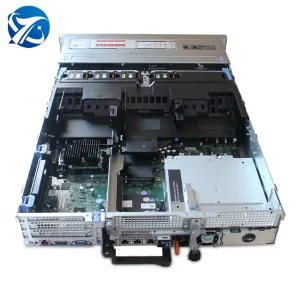
Maximize hardware density and performance with our selection of dual-socket rackmount servers, processing workstations, and cloud computing chassis.
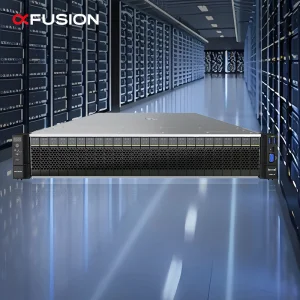
Why CE certification matters for enterprise operations and how our regional network secures client operations.
Deploying non-compliant hardware in professional environments can lead to insurance complications, safety hazards, and unexpected downtime. Our hardware configurations are rigorously designed to earn CE compliance certification, ensuring conformity with the following requirements:
To support deployment pipelines across North America, Western Europe, Southeast Asia, the Middle East, and Australia, we offer flexible localization options. These cover structural OEM customizations, private labeling, modified bios configurations, and localized PSU hardware kits built to handle diverse local grid specifications.
Expert technical insights answering common questions about VDI deployments, compatibility metrics, and procurement services.
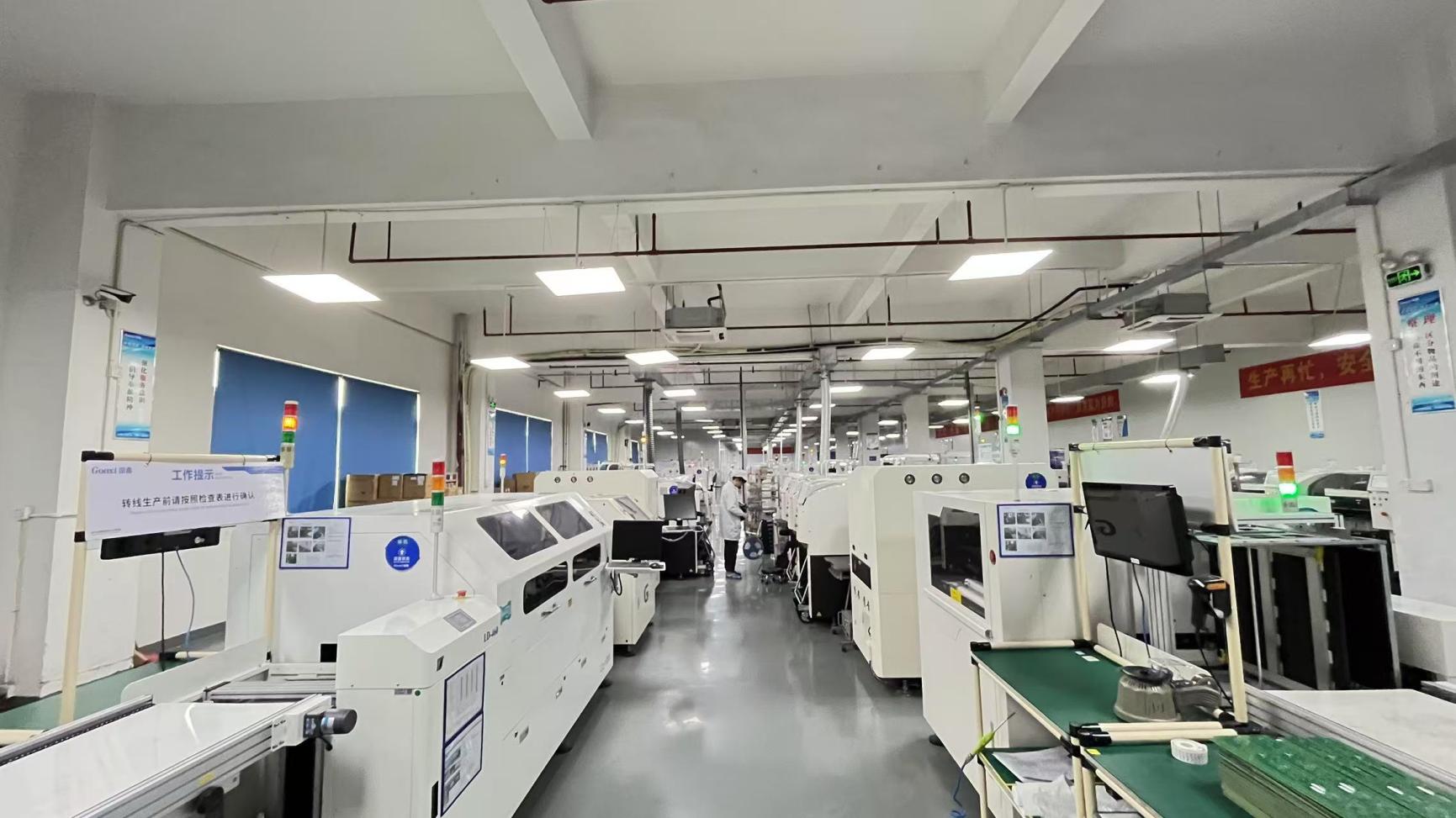
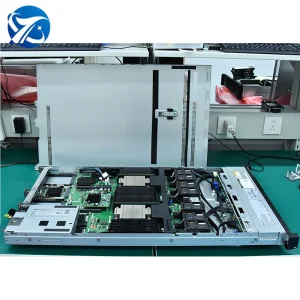
A visual look into our production facilities, testing bays, and quality assurance processes in Shenzhen.