Veltrixa
Veltrixa
Veltrixa
In the age of hyperscale AI computation, massive data ingest, and zero-tolerance SLAs, local hardware resilience is no longer an optional safety net—it is the foundation of business viability.
Modern enterprise disaster recovery (DR) is quantified through two metrics: Recovery Time Objective (RTO) and Recovery Point Objective (RPO). Traditional backup systems targeting cold storage are insufficient for real-time applications. To support active-active and active-passive environments, enterprise infrastructure must employ low-latency synchronization and rapid-failover cluster architectures. This ensures operational continuity even during catastrophic system events.
Leveraging high-performance, high-density processors (such as the AMD EPYC 9654 and Intel Xeon Scalable lines), enterprises can build computational redundancies capable of taking over primary operations instantly. This minimizes production downtime and keeps RTO and RPO metrics as close to zero as possible.
At the device level, data integrity is threatened by sudden power loss and controller faults. This makes hardware-level protection critical. Enterprise-class RAID array cards—such as the 9560-8i 12Gb/s Tri-Mode Card or the XC170-M-8i Array Card—provide onboard DRAM cache along with flash-backed protection modules.
By writing temporary transaction logs directly to non-volatile memory during a system failure, these controllers prevent database corruption. This hardware baseline ensures that failover clusters can boot safely from a known, clean configuration.
How international decision-makers leverage China's advanced server manufacturing to achieve cost-optimized, highly reliable disaster recovery deployments.
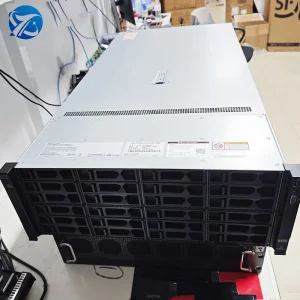
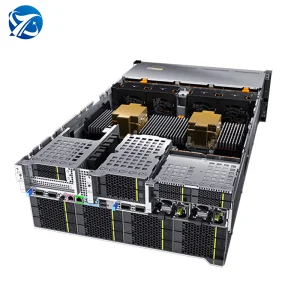
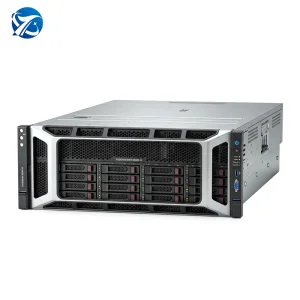
As AI and deep learning applications migrate to production environments, organizations require backup targets capable of taking over heavy AI training and inference workloads. High-density servers like the 8U GPU Rack Server ensure that critical workloads remain operational during primary datacenter disruptions.
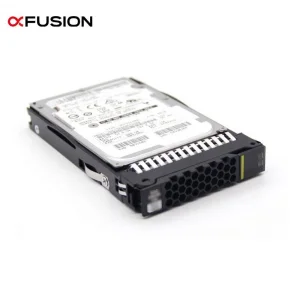
Data replication solutions require high write-endurance storage targets. Incorporating read/write intensive SATA and NVMe SSDs (such as the PM893 or enterprise PCIe Gen4 drives) allows replication nodes to handle continuous database transaction mirroring without bottlenecking.
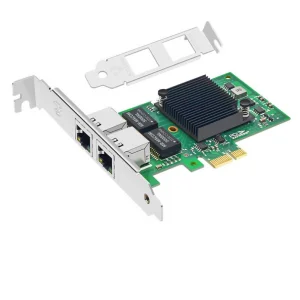
Global buyers rely on flexible chassis form factors, custom network interface cards (NICs), and custom BIOS settings to integrate with legacy networks. Shenzhen Veltrixa provides OEM and ODM options to adapt server configurations to existing enterprise architectures.
Enterprise disaster recovery planning varies by vertical market:
Designing a reliable backup cluster requires matching processing capacity, memory bandwidth, and high-performance controller pathways.
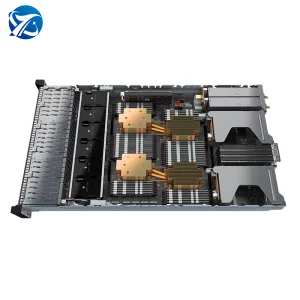
Virtualization platforms like VMware vSphere, Hyper-V, or KVM require robust CPU and memory resources to handle consolidated backup workloads. Using dual AMD EPYC or Intel Xeon Scalable processors provides the core count and memory bandwidth needed to run hundreds of failover VMs.
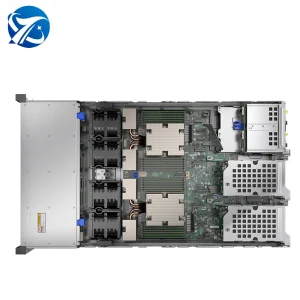
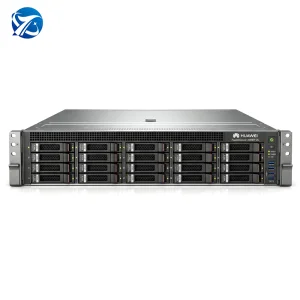
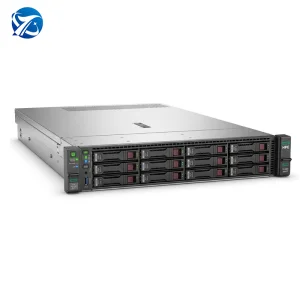
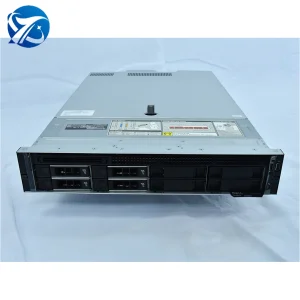
Modern 1U and 2U server architectures—such as the PowerEdge R650xs and HPE ProLiant DL360 Gen11—offer compact form factors that save rack space, allowing organizations to maximize computing density at secondary DR sites.
Next-generation computing hardware leverages high-bandwidth interfaces to move replicated data quickly. DDR5 memory delivers the speeds necessary for real-time data processing, while PCIe Gen5 expansion slots accommodate high-speed network interfaces (such as 100GbE and 200GbE adapters) and ultra-fast NVMe storage.
This high-throughput network backplane reduces latency when copying virtual machines and databases to remote disaster recovery environments, helping organizations meet aggressive RPO targets.
Future-proofing enterprise infrastructure to handle next-generation workloads while maintaining compliance with international standards.
With data center power density rising rapidly, traditional air cooling is reaching its limits. The computing industry is increasingly adopting hybrid and direct-to-chip liquid cooling systems.
Disaster recovery facilities, which must support sudden, high-power compute loads, benefit from liquid cooling by maintaining stable hardware temperatures during full-capacity failover events. This increases thermal efficiency and protects long-term hardware reliability.
Enterprise hardware deployments must align with global data security frameworks. Systems are engineered with built-in hardware security features, including TPM 2.0 modules and secure boot protocols.
These physical security measures help organizations maintain compliance with regulations such as GDPR in Europe, HIPAA for medical records, and SOC 2 Type II audit standards for cloud data centers.
Shenzhen Veltrixa Intelligent Computing Co., Ltd. delivers server hardware, high-performance computing components, and customization services to global enterprises.
Established in 2017, Veltrixa is a specialized manufacturer and solution provider focused on AI GPU servers, high-performance computing (HPC) platforms, edge AI systems, and custom data center infrastructure. Based in Shenzhen, China, we support system integrators, cloud service providers, research centers, and enterprise IT departments worldwide.
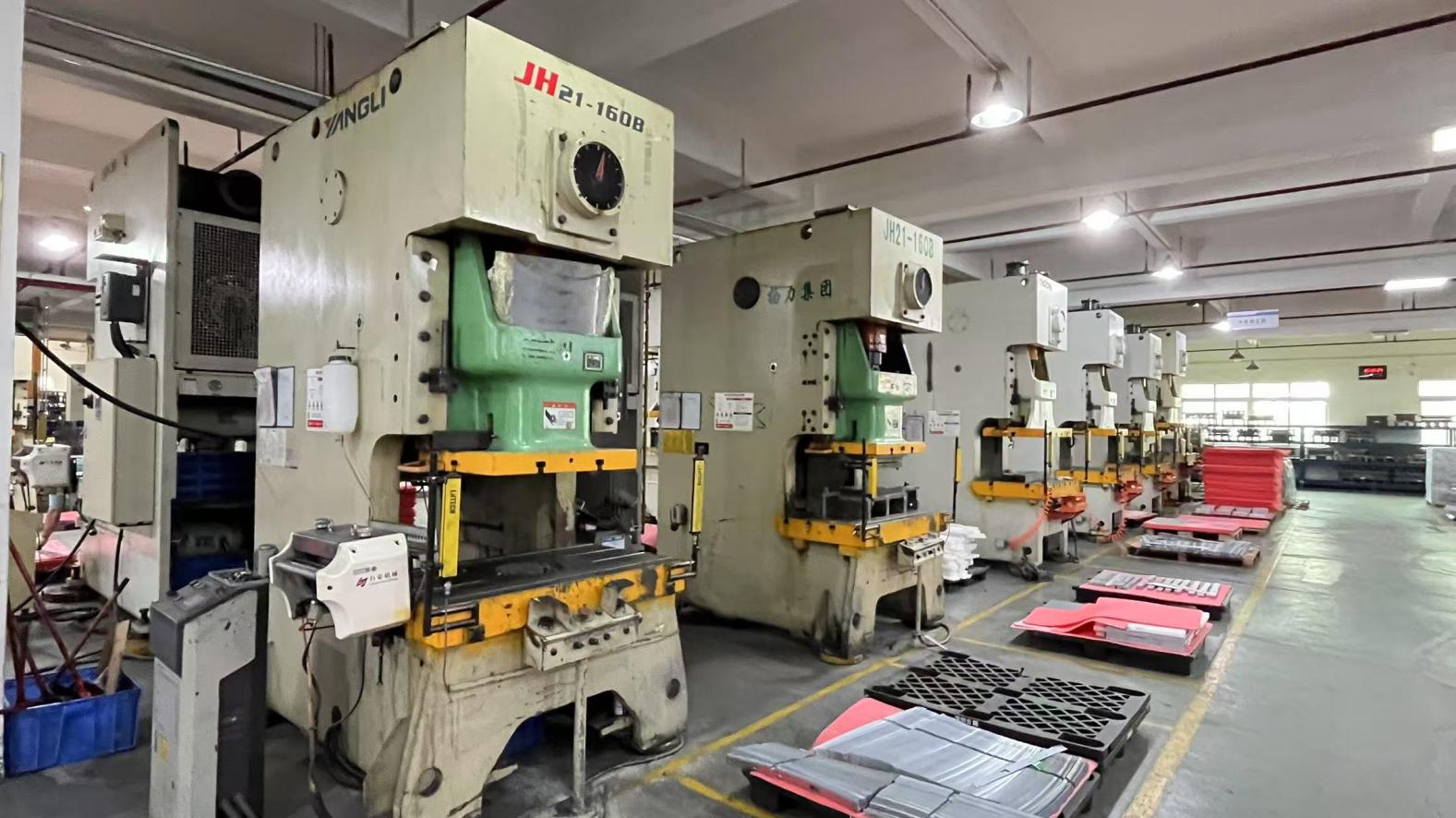
Our manufacturing operations include functional validation, burn-in testing, thermal analysis, and software compatibility verification. Over the past seven years, we have built a supply chain network of over 1,280 partners, allowing us to source quality components and provide custom hardware options.




Answers to key questions regarding server deployment, redundancy configurations, and hardware integration.