Veltrixa
Veltrixa
Veltrixa
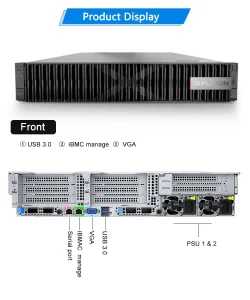
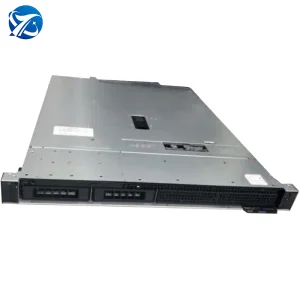
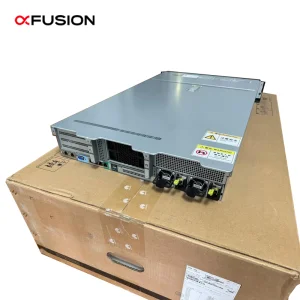
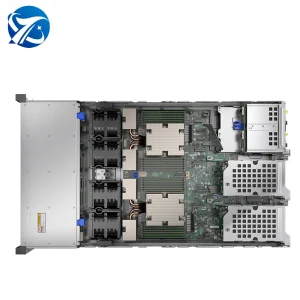
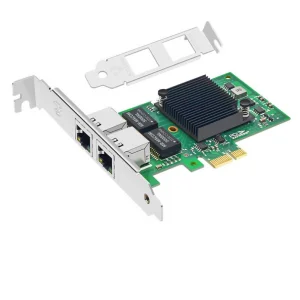
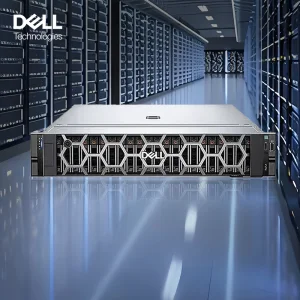
Featured core processing nodes and networking configurations supporting massive throughput deep learning workloads.
A comprehensive examination of global GPU processing trends, deployment dynamics, and technological breakthroughs.
Modern computing is undergoing a structural transition. The standard execution paradigm relies increasingly on heterogeneous computing systems, where traditional CPU platforms delegate highly parallel workloads to hardware accelerators. Chief among these are GPU (Graphics Processing Unit) Accelerators, which are now foundational to machine learning, computational biology, fluid dynamics, and generative AI systems such as LLMs and deep learning transformers.
In the current industrial landscape, enterprises are moving away from general-purpose CPUs for data analytics and large-scale modeling. Instead, they require multi-GPU arrays tied together by high-speed interconnect infrastructure. The explosion of training models, like DeepSeek, Llama, and GPT variants, requires hardware with exceptionally high FP16, BF16, and FP8 floating-point computing capabilities. Our hardware offerings target these specific architectural requirements, providing the necessary thermal, bandwidth, and processing headroom.
To deploy effective GPU systems, hardware integration must solve three major challenges: board-level power distribution, dynamic thermal mitigation, and high-speed data flow.
Our GPU platform deployments vary according to localized regulatory environments, connectivity profiles, and regional workload types:
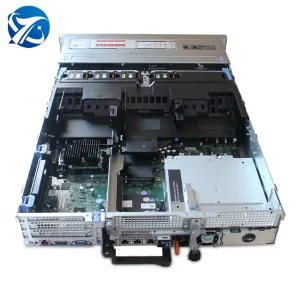
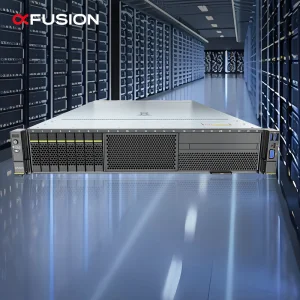
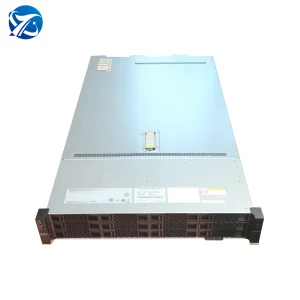
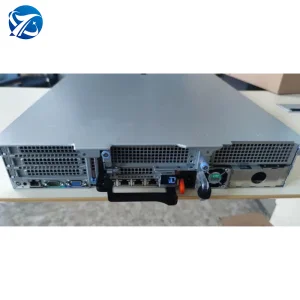
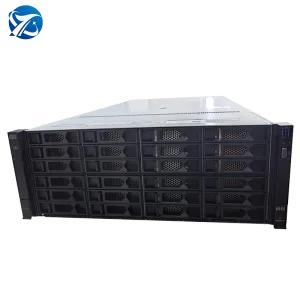
North America & Western Europe: In these markets, the emphasis is heavily on deep learning cluster integration for cloud service providers and enterprise LLM inference pipelines. The demand is centered around dense rack deployments (such as xFusion 2488H and Dell PowerEdge R960 architectures) capable of processing billions of query tokens per second with minimal latency.
Southeast Asia & Middle East: Data sovereignty requirements are driving local compute installations. Regional hubs are investing in hybrid AI-storage infrastructure to support smart city platforms, automated logistics, and multi-lingual language model adaptation.
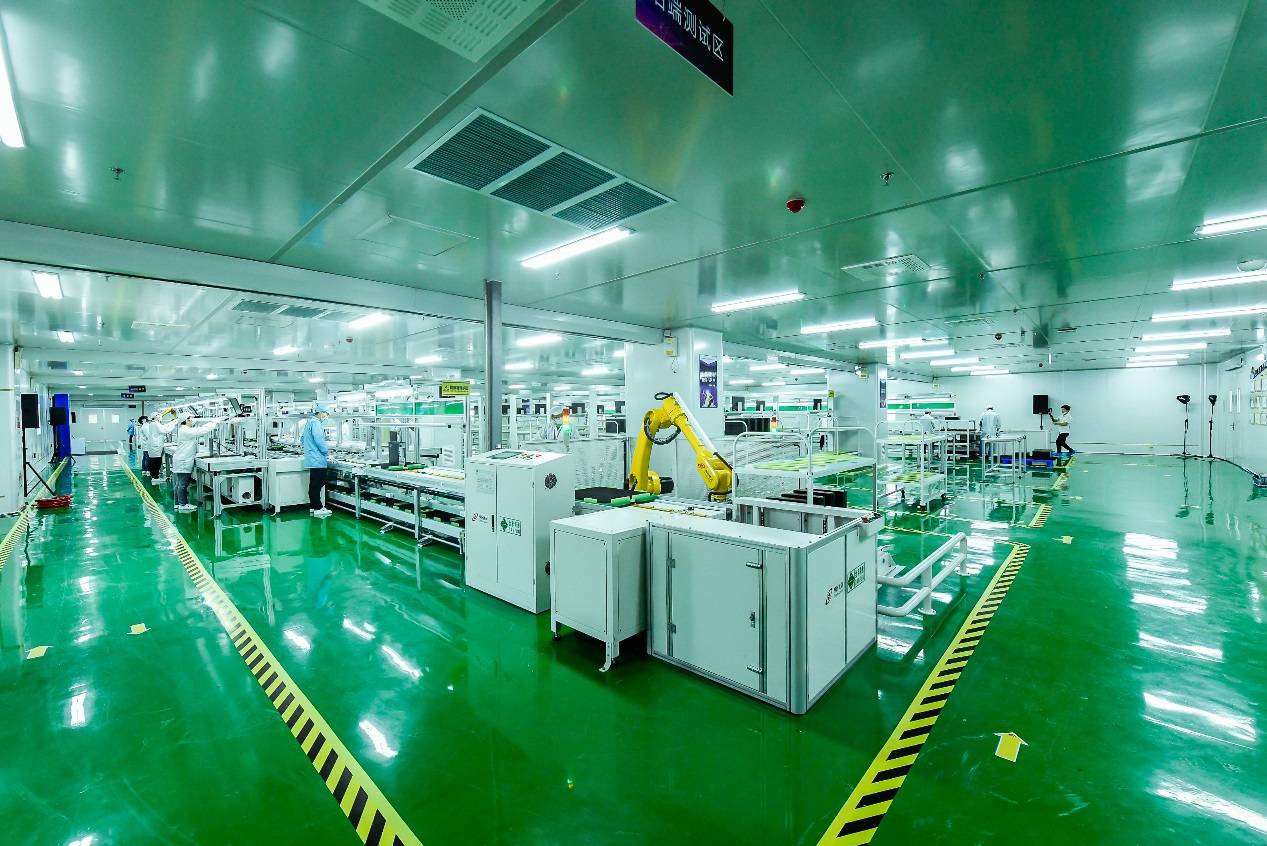
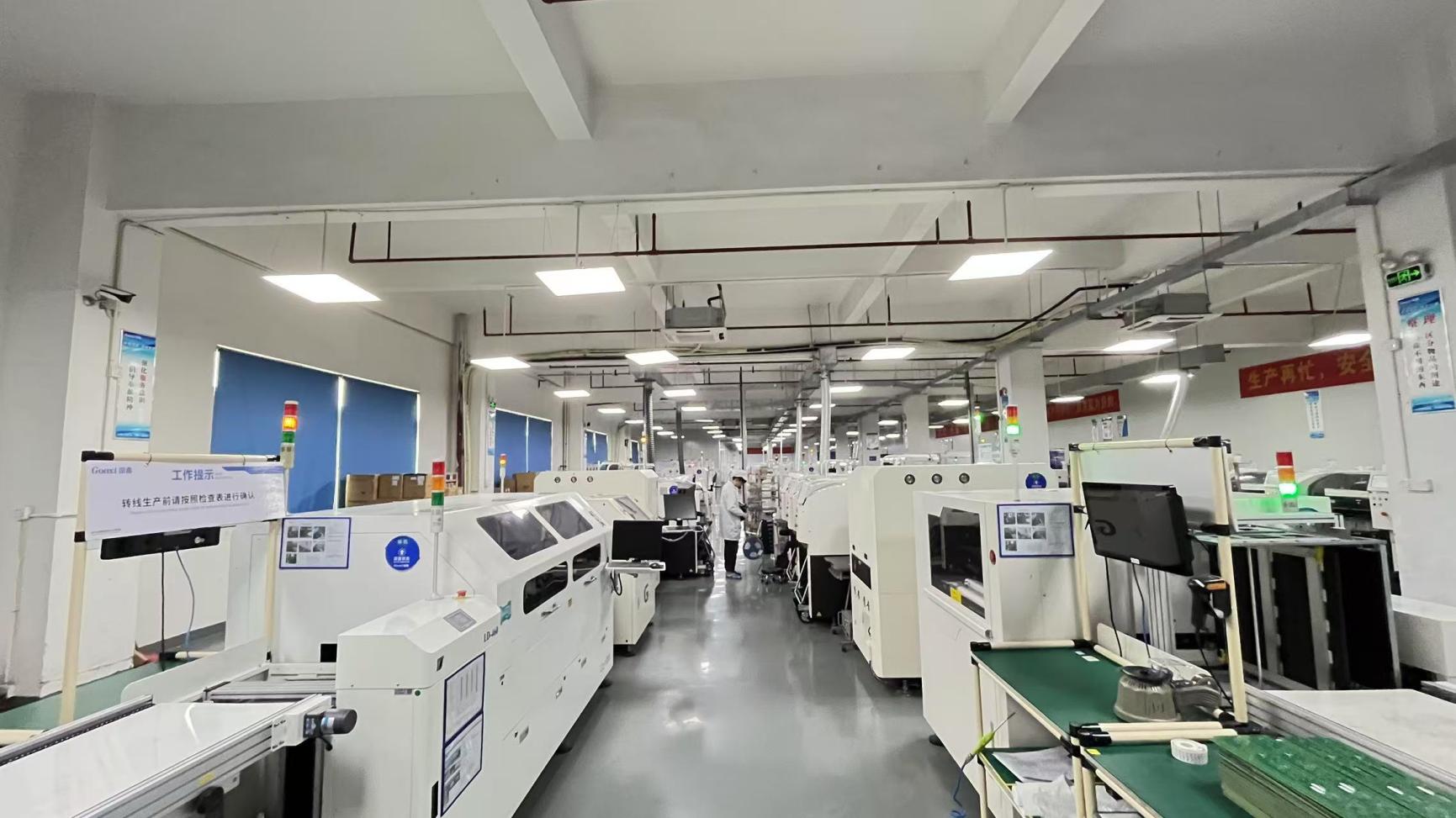
Shenzhen Veltrixa Intelligent Computing Co., Ltd. implements rigorous staging and verification controls to ensure all platforms perform at peak capability. Before any shipment leaves our facility, it undergoes intensive physical, electronic, and operational verification protocols.
Our QC division of 46 engineers runs systems through a series of stressful diagnostic loops, including real-world thermal profiling, burn-in validation under max TDP load, physical storage data integrity testing, and multi-platform driver compatibility tests. This structured QA architecture keeps our field defect rates exceptionally low.
Discover how Veltrixa hardware addresses demanding production workflows across the modern AI and data landscape.
Our rack solutions support high-bandwidth GPU clusters, providing the memory bandwidth and inter-node networking required to scale deep learning training models.
Bring low-latency computing models to factory floors, retail setups, and regional networks with our robust, short-depth edge servers designed for harsh environments.
Easily bridge on-premises computing hardware with leading public cloud architectures. Build redundant, secure storage setups with integrated RAID data controllers.
In-depth responses to essential hardware questions for systems engineers, procurement heads, and data center operators.
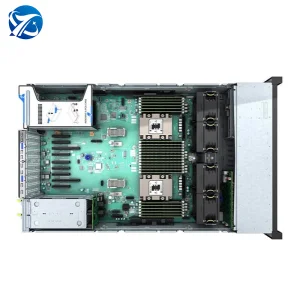
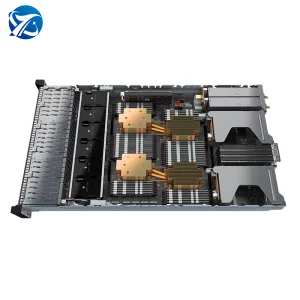
In our 2U and 4U systems, we utilize high-CFM (cubic feet per minute) counter-rotating fan walls configured in redundant N+1 arrays. This is paired with dedicated copper heat pipes and isolated airflow shrouds to optimize flow over key hot zones. For ultra-dense deployments, we also offer custom cold-plate liquid cooling modules that directly capture thermal energy from the accelerators, significantly lowering overall power consumption.
Veltrixa implements a multi-phase QA methodology. Every node undergoes a continuous burn-in procedure of up to 72 hours, using synthetic benchmarks to push processors and memory to their limits. During this time, telemetry systems monitor power draw, clock speed variations, and temperature curves to catch issues before shipment.
Our 86 R&D engineers provide comprehensive customization options. This includes structural adjustments to rack ears and rails, internal layout tuning for specific PCI accelerator footprints, custom BIOS/UEFI programming, customized storage backplane integration, and dedicated client branding.
During large-scale model training, system performance is highly sensitive to communication latency between nodes and accelerator cards. Using PCIe Gen 4.0 or Gen 5.0 systems instead of older interfaces prevents data bottlenecks, ensuring that deep learning engines are consistently saturated with data and operating efficiently.
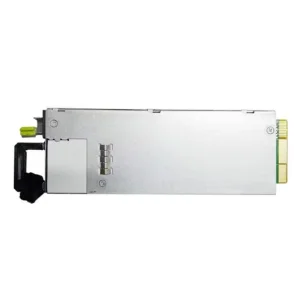
Complete data center building blocks including high-density storage nodes, GPU compute-expansion, and robust power modules.
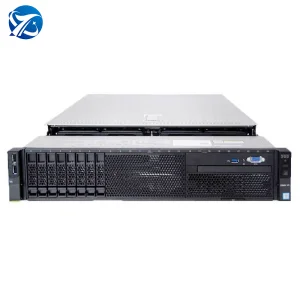
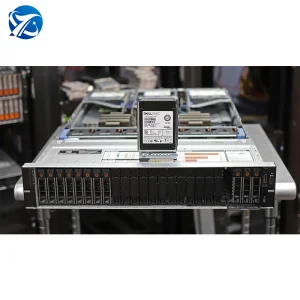
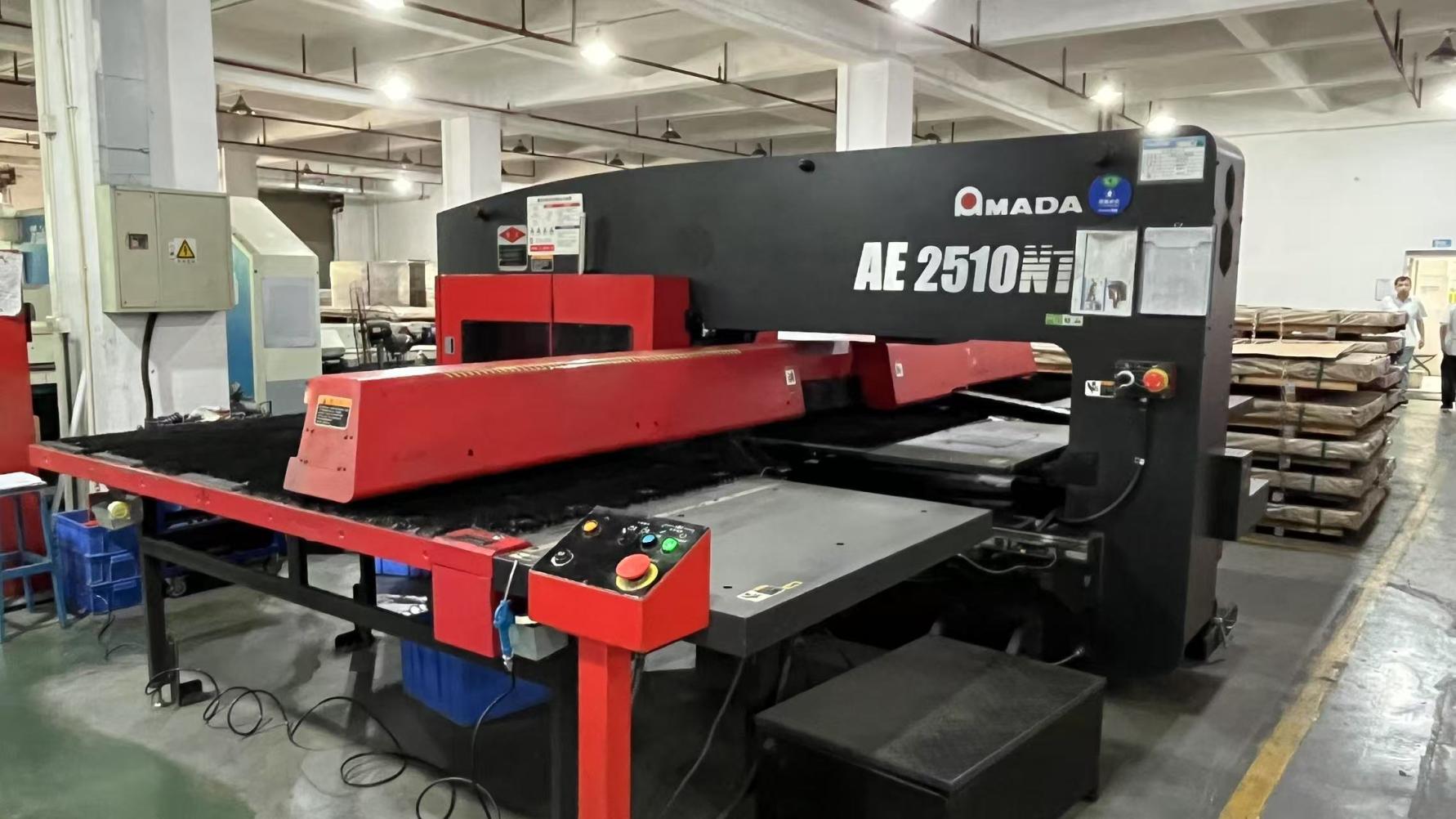
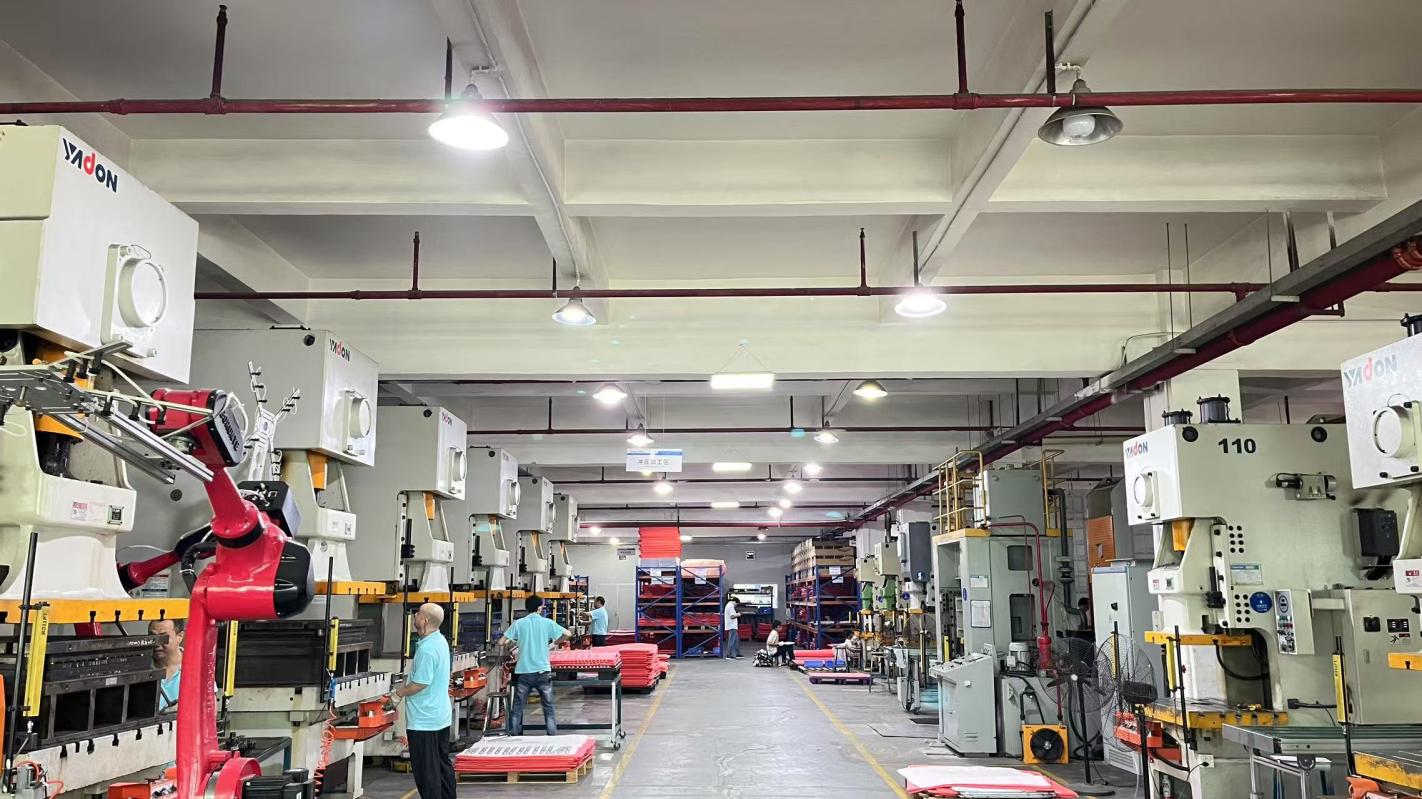
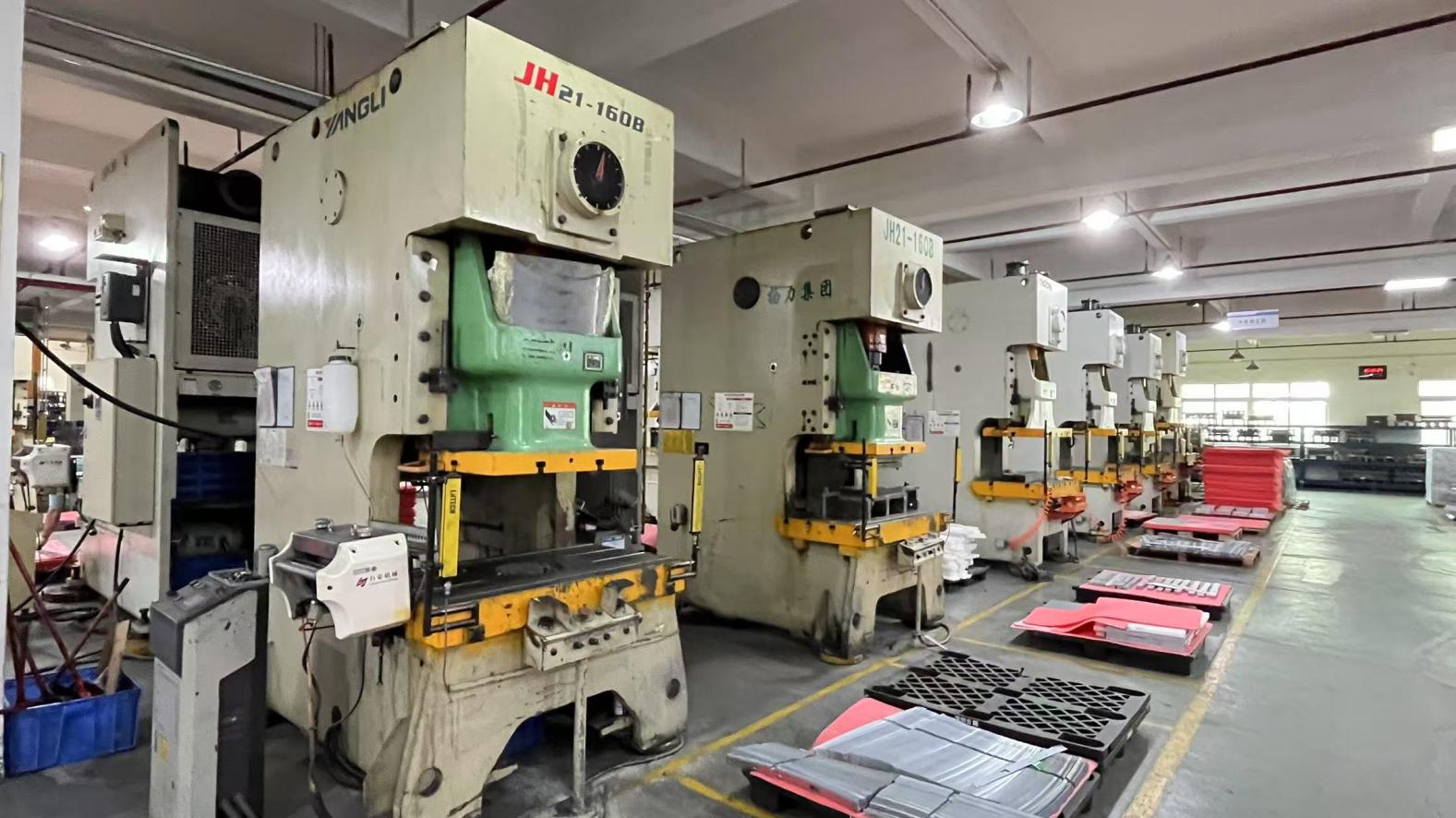
A view inside Veltrixa's hardware staging, quality inspection, and custom integration facilities in Shenzhen.