Veltrixa
Veltrixa
Veltrixa
High-throughput 1U, 2U, and 4U systems optimized for high availability, low latency virtualization, and distributed hybrid-cloud deployments.

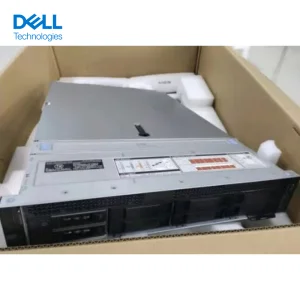
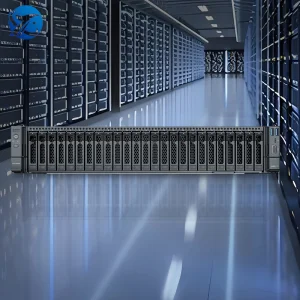
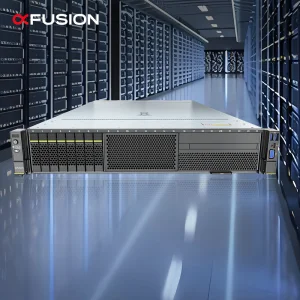
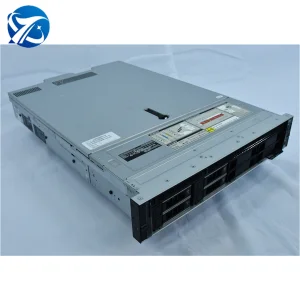
In the modern digital landscape, global enterprises are rapidly transitioning away from single-provider lock-in toward complex, hybrid multi-cloud strategies. As hyperscaler costs rise and data egress fees impact profitability, standardizing on a single public cloud is no longer a viable business option. Modern multi-cloud strategies focus heavily on workload portability, microservices containerization, and distributing processing burdens across diverse infrastructures: on-premise high-density nodes, co-located enterprise datacenters, and edge networks.
However, software-defined multi-cloud orchestration platforms (such as Kubernetes, VMware Tanzu, and OpenStack) only operate as efficiently as the underlying physical hardware layer permits. True architectural resilience requires matching cloud-native workloads with robust compute nodes equipped with specialized memory architectures, PCIe expansion capacities, and efficient thermal dissipation designs. By selecting hardware configurations optimized for virtualization and low-latency storage network routing, organizations can establish consistent performance baselines across public and private cloud environments.
Global technology procurement officers require hardware platforms that satisfy three pillars: cost predictability, long-term supply stability, and strict hardware-level security. With regulations like GDPR and CCPA enforcing strict data sovereignty boundaries, physical storage location control has become critical. The hardware layer must supply cryptographical protection features (such as TPM 2.0 modules and secure boot protocols) to safeguard hypervisor platforms against local firmware vulnerabilities.
Furthermore, the surge in AI deployment—such as localized large language model execution and deep learning pipelines—demands high-density GPU servers with sufficient CPU-to-GPU bandwidth (PCIe Gen 5.0 and NVLink architectures). Procurement strategies now target scalable bare-metal nodes capable of shifting dynamically between generic hypervisor hosting duties and heavy AI inference operations without introducing throughput bottlenecks.
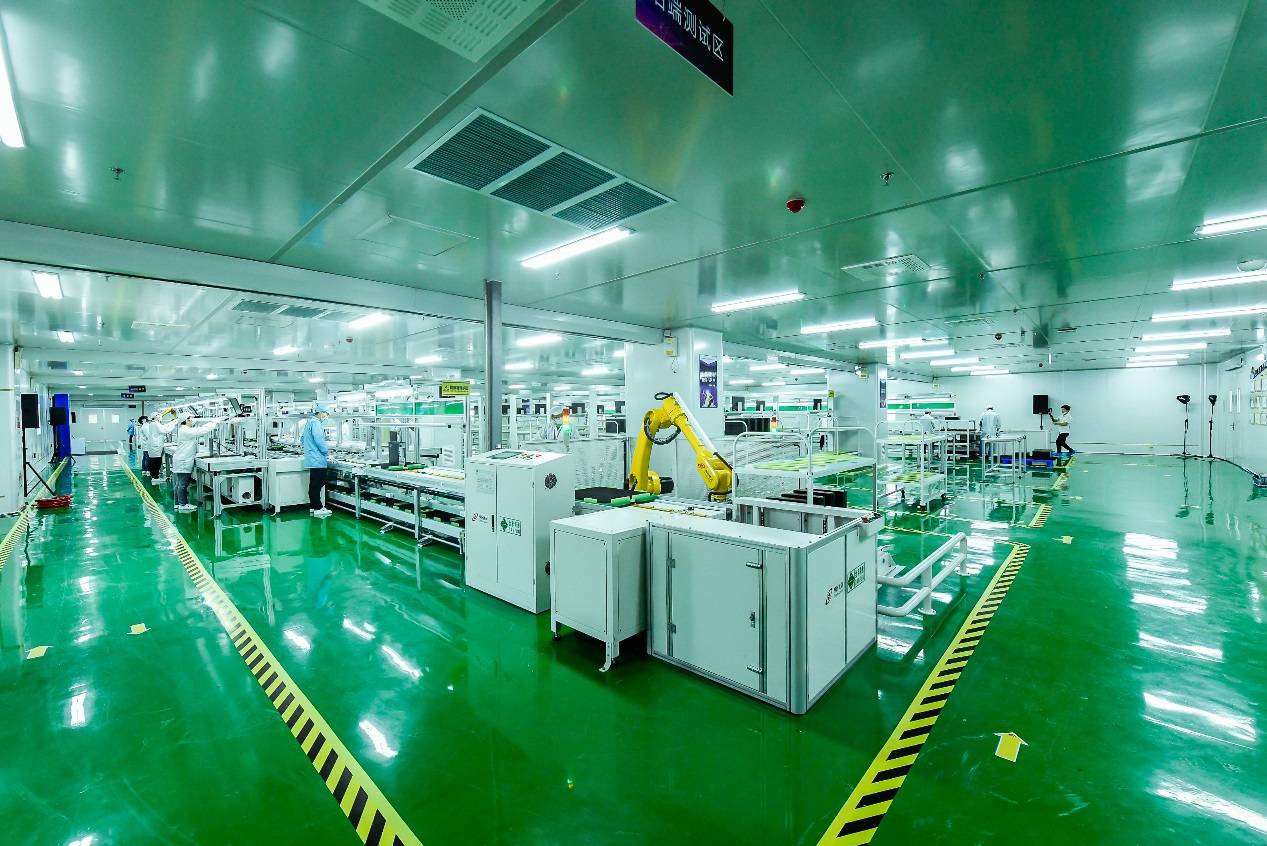
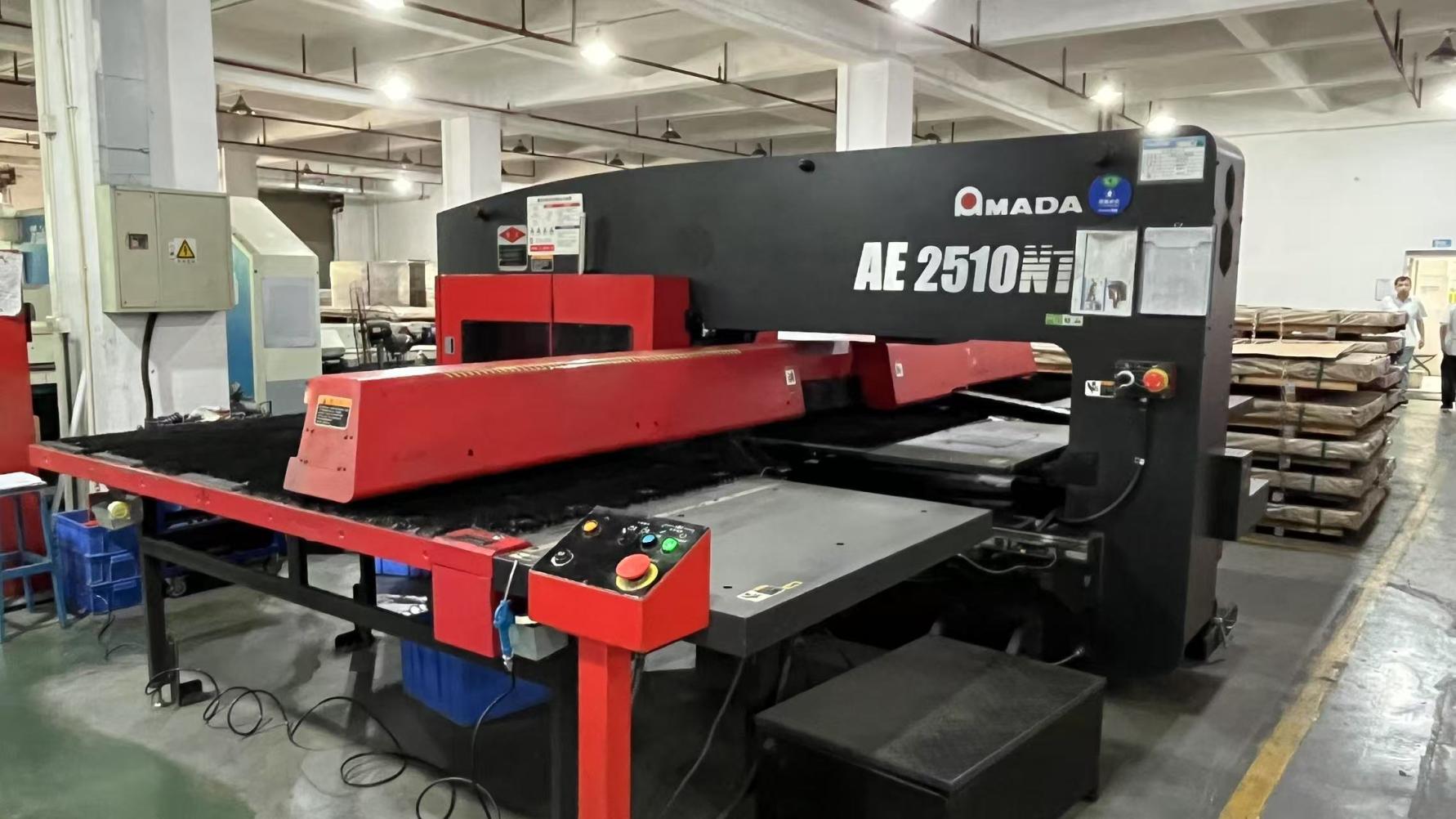
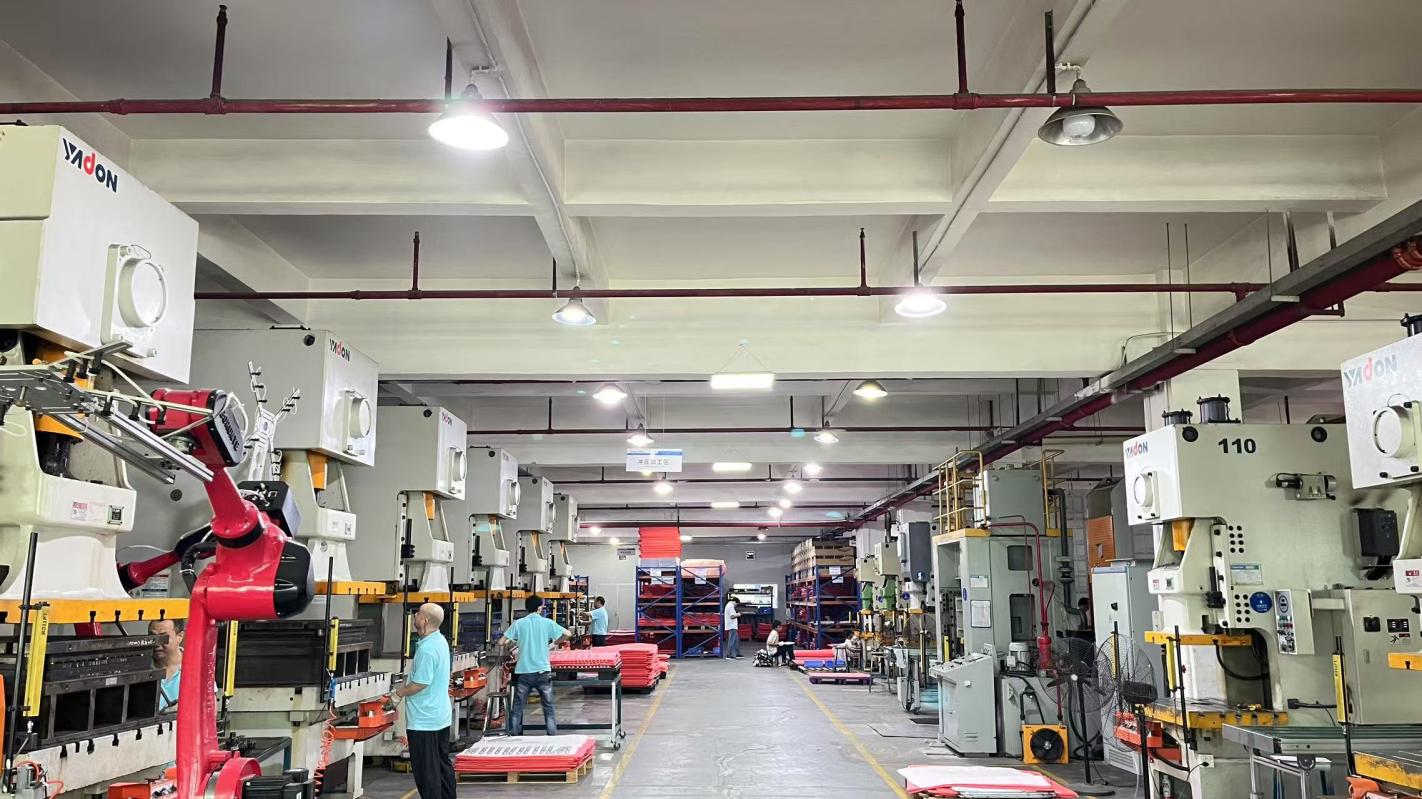
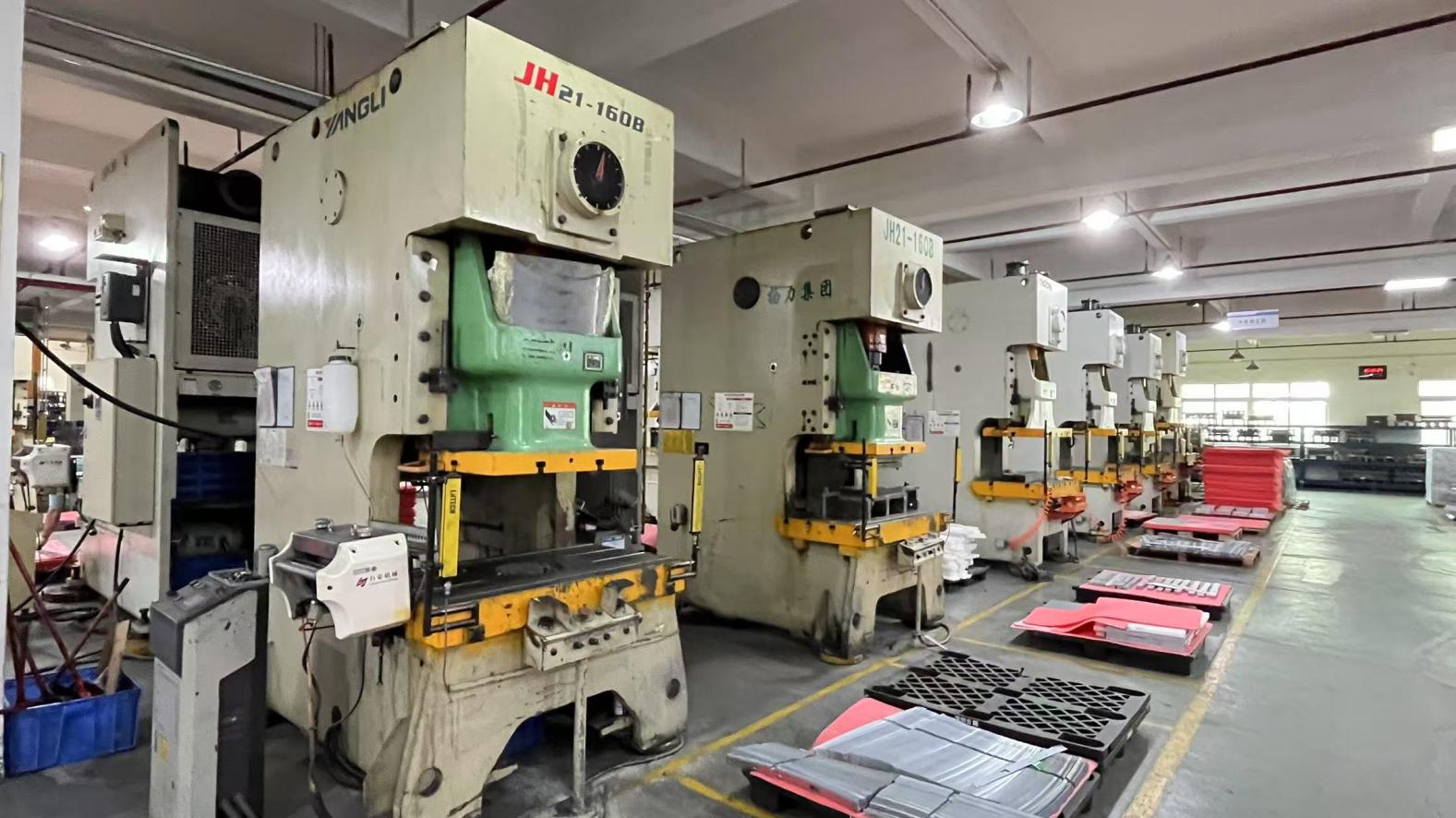
Leveraging the world's most dense IT supply chain ecosystem in Shenzhen to deliver rapid customization, hardware validation, and unmatched shipping reliability.
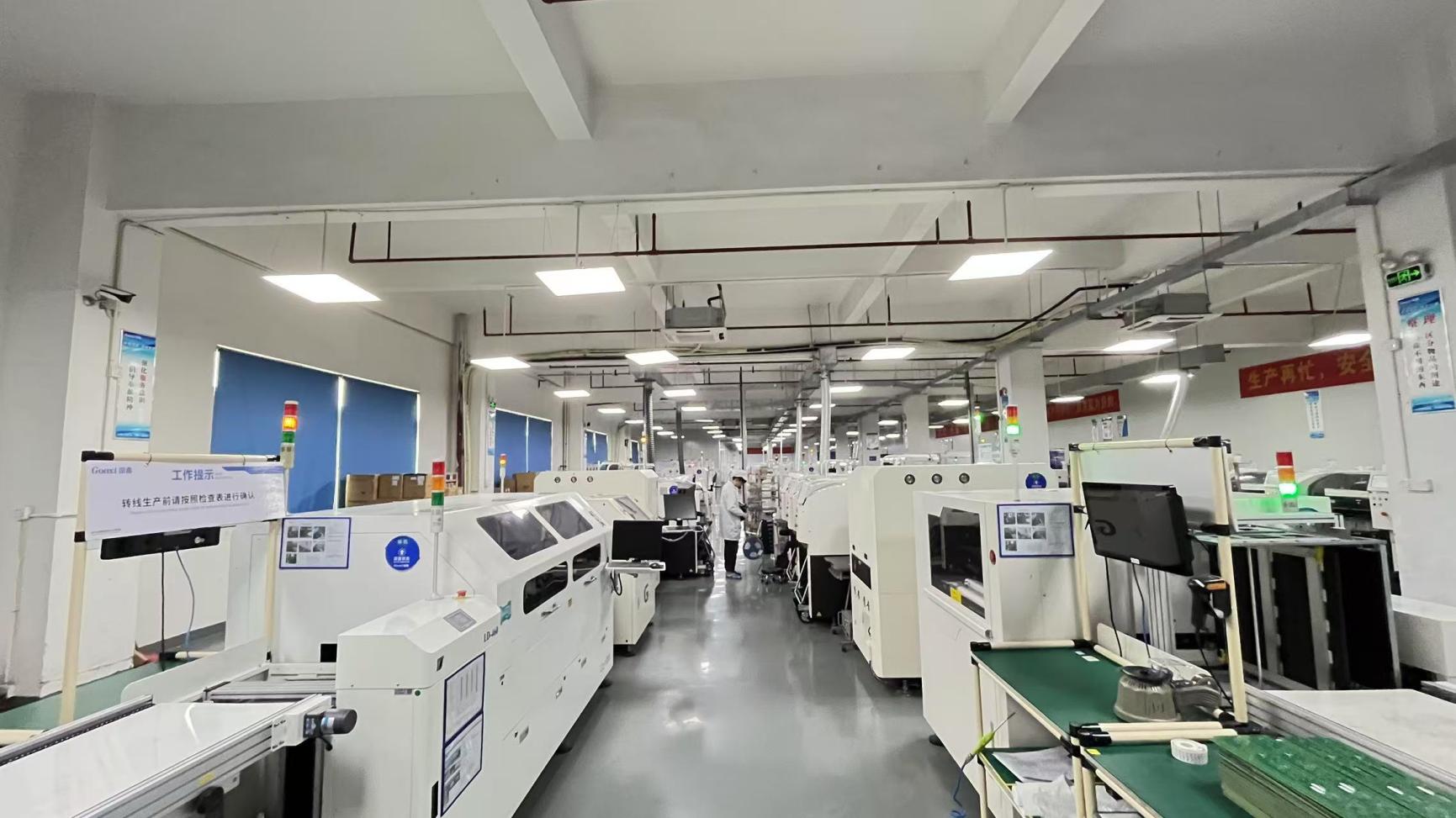
With 86 core R&D engineers, Veltrixa specializes in tailoring custom server layouts. Our design validation spans thermal profile simulations, high-efficiency fan curve testing, and custom motherboard layouts designed to withstand 24/7/365 operations in challenging environments.
Veltrixa implements a rigorous physical hardware quality control pipeline. 46 quality control experts oversee testing, including 72-hour full-load burn-in cycles, memory diagnostic sweeps, dynamic temperature testing, compatibility tests with mainstream OS and virtualization software, and visual damage inspections.
Operating in Shenzhen allows direct component integration with top chip, memory, storage, and host bus adapter manufacturers. This minimizes assembly turnaround time and insulates customers from raw hardware supply crunches.
By adhering to strict industrial specifications, Veltrixa structures hardware output around modular, easily serviceable designs. In hybrid and multi-cloud strategies, component modularity translates to simplified field maintenance and significantly lower Mean Time to Repair (MTTR). Enterprise buyers can specify custom RAM quantities (using ECC DDR4/DDR5 systems), select power supply redundancy schemes (such as dual 2000W 80 Plus Platinum PSUs), and select exact storage configurations to match specific cloud repatriation workloads.
How companies leverage physical hardware nodes to build reliable, high-performance hybrid infrastructure.
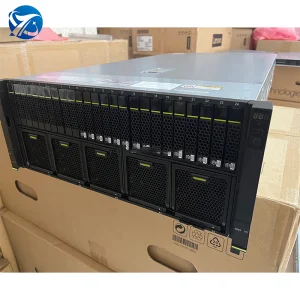
The Strategy: A multinational financial institution retains critical customer transaction ledgers on physical, on-premise enterprise server nodes (utilizing redundant Dell and HPE rack systems), while orchestrating standard customer-facing mobile applications via public clouds.
Hardware Role: Dynamic bare-metal servers fitted with hardware encryption modules prevent exposure of localized private data fields to public routing protocols.
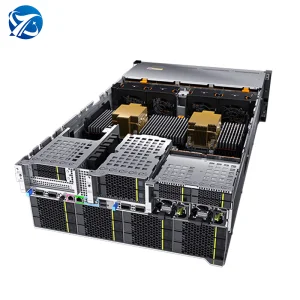
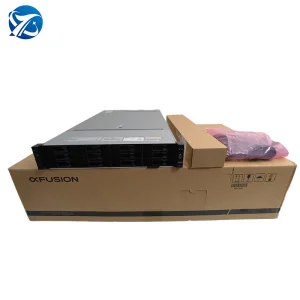
The Strategy: AI startups utilize hybrid cloud nodes to control model training costs. Heavy training clusters run locally on high-density multi-GPU servers (such as the xFusion G5500 V7) to bypass public cloud GPU rental markups, while final model output APIs scale dynamically in public cloud container networks.
Hardware Role: Multi-GPU nodes running specialized DDR5 memory pools provide the memory bandwidth needed to handle complex deep learning queries.
The Strategy: Smart factories run local telemetry processes on short-depth edge servers directly on the factory floor, filtering and structuring massive sensor arrays before sending compressed datasets to central public cloud storage endpoints.
Hardware Role: Dust-resistant, thermally optimized 1U and 2U rackmount models function continuously in high-temperature environments.
Answers to engineering and supply chain questions from system integrators and CTOs.
High-throughput host bus adapters, storage memory modules, and specialized GPU training servers designed to connect your hybrid environments.
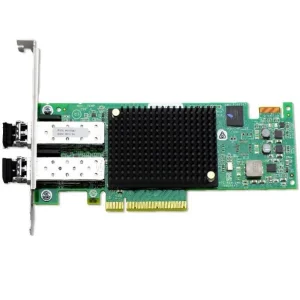
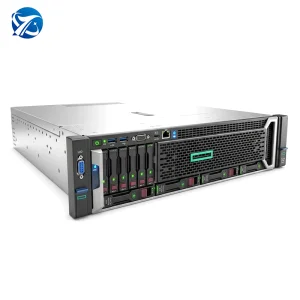
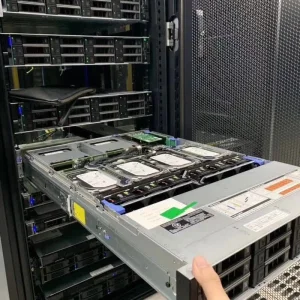
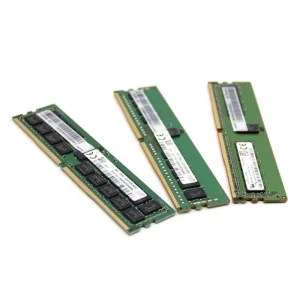
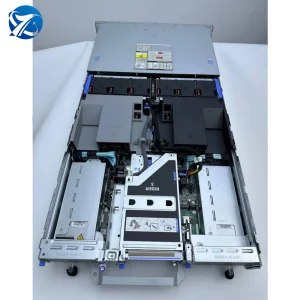
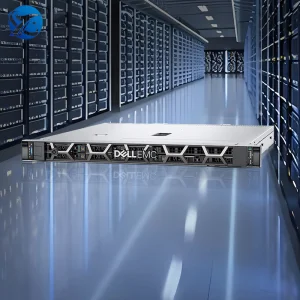
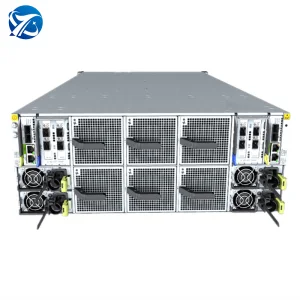
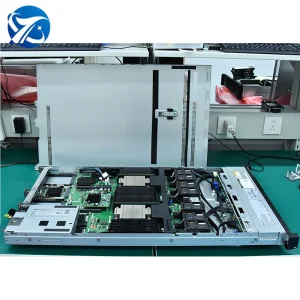
Behind the scenes at our production lines, hardware burn-in cabinets, and validation laboratory in Shenzhen.