Veltrixa
Veltrixa
Veltrixa
The global cloud infrastructure landscape is undergoing a monumental paradigm shift. Originally conceived as simple slice-allocated resources, Virtual Private Servers (VPS) have evolved into highly complex, dynamically orchestrated hyper-scalable virtual micro-environments. Enterprises are transitioning away from standardized, low-density shared hosting toward ultra-responsive Bare-Metal and hypervisor-driven environments. Modern VPS demand is spearheaded by requirements for intensive operations: local low-latency databases, continuous integration and continuous deployment pipelines (CI/CD), secure sandbox systems, and distributed Container-as-a-Service (CaaS) clusters. As a result, the hardware specifications powering virtual private servers must provide immense physical core counts, massive memory bandwidth, and high-performance PCIe network channels to maintain strict virtual isolation without performance degradation.
Modern data center operators realize that software-level VPS optimizations can only go so far. When hosting hundreds of virtual machines (VMs) per chassis, hardware bottlenecks such as memory bus saturation and I/O latency become critical. To address this, hardware manufacturers are engineering customized multi-socket rack-mountable platforms that support high-density DDR5 registers, NVMe over Fabrics (NoF), and dedicated hypervisor offloading chips (DPUs) that isolate management traffic from actual client workloads.
Worldwide deployment configurations also show a massive migration toward Edge VPS. By placing virtualization clusters closer to end-users, organizations minimize latency. However, these remote edge environments require rugged, reliable, and remotely manageable server hardware. This industrial demand emphasizes the need for specialized server factories that understand the intersection of virtualization layer optimization, thermal reliability, and component-level durability.
Direct system-level integration optimized for VMware ESXi, Proxmox VE, KVM, and Microsoft Hyper-V architectures.
Advancd airflow engineering preventing compute throttle during sustained virtual machine over-allocation spikes.
Support for AMD SEV and Intel SGX to guarantee complete isolation of sensitive memory zones across dynamic VMs.
Shenzhen, China, has established itself as the global capital for computational hardware manufacturing. The geographical concentration of PCB designers, component manufacturers, enclosure foundries, and assembly plants creates a highly efficient manufacturing ecosystem. This ecosystem allows factories to rapidly prototype, scale, and optimize bare-metal virtualization platforms far more efficiently than regional competitors. For international enterprise procurement, sourcing directly from Shenzhen means leveraging these integrated advantages.
At Shenzhen Veltrixa Intelligent Computing Co., Ltd., we exploit this localized efficiency to shorten lead times and offer unprecedented configuration customization. By maintaining direct, direct-to-foundry alliances with major silicon component suppliers and local high-precision assembly lines, we circumvent global supply chain disruptions. This allows us to rapidly manufacture specialized rack configurations, tailor cooling shrouds, and integrate custom RAID profiles directly at the factory floor level.
By bypassing multiple layers of global distributors, Shenzhen-based manufacturing delivers a substantial cost advantage. This financial headroom allows our clients to invest in higher-quality components—such as redundant high-efficiency Platinum-certified power supplies, enterprise-grade Samsung/Micron memory modules, and high-end Broadcom controller cards—while maintaining a lower overall capital expenditure (CapEx).
Shenzhen Veltrixa Intelligent Computing Co., Ltd. is a leading manufacturer and solution provider specializing in AI GPU servers, high-performance computing (HPC) platforms, edge AI systems, and customized data center infrastructure. Established in 2017, the company is committed to delivering reliable, scalable, and high-efficiency computing solutions for enterprises, cloud service providers, AI startups, research institutions, and system integrators worldwide.
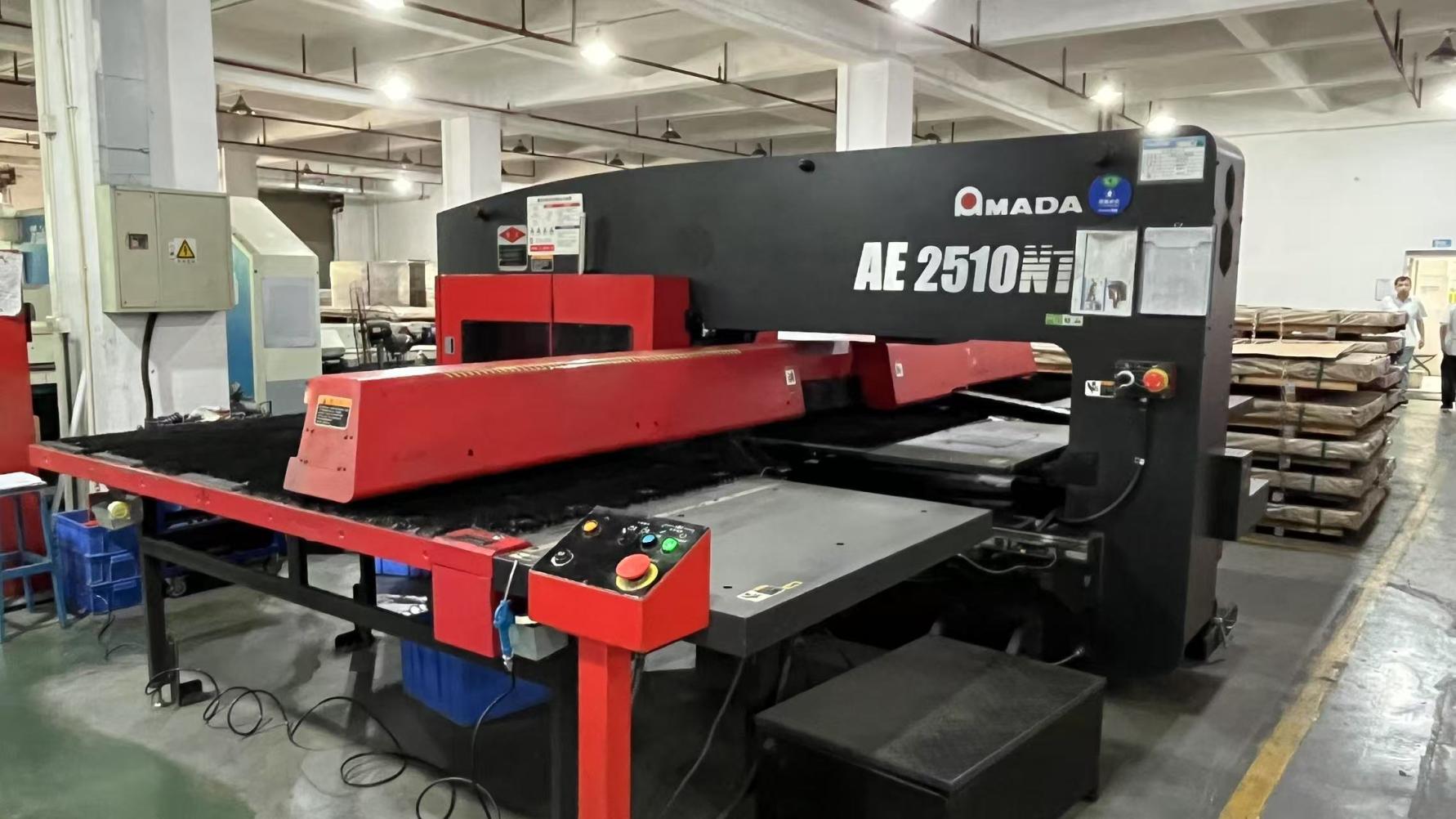
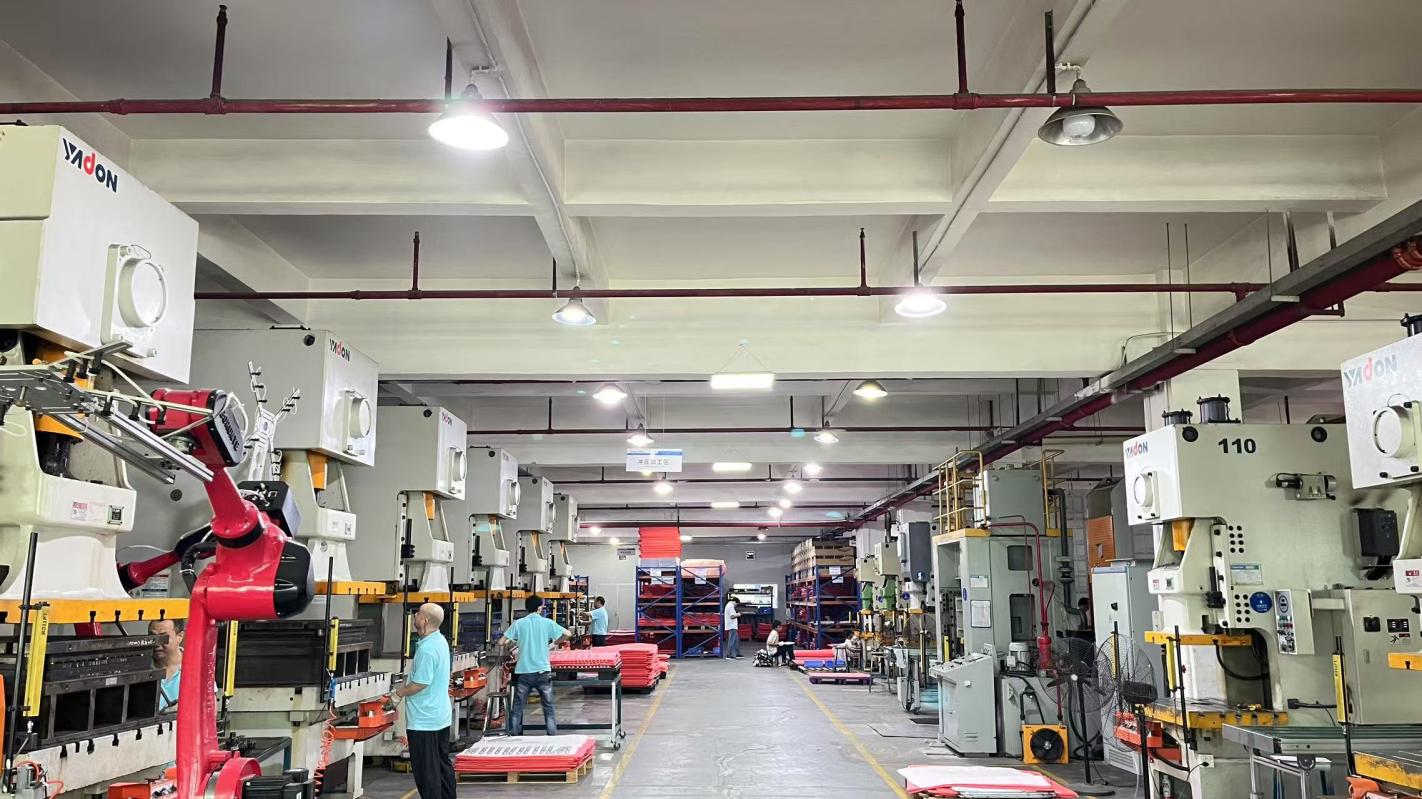
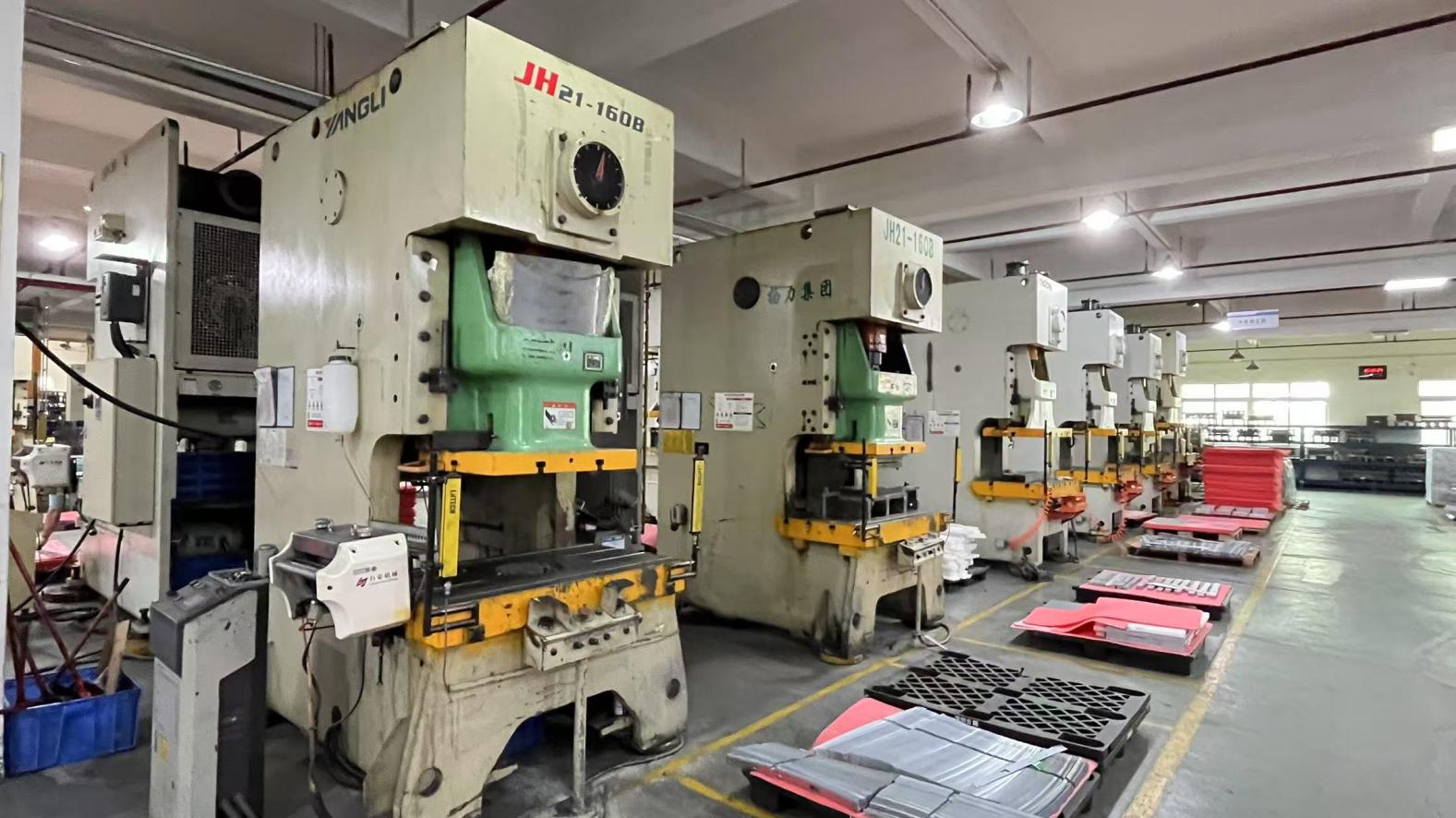
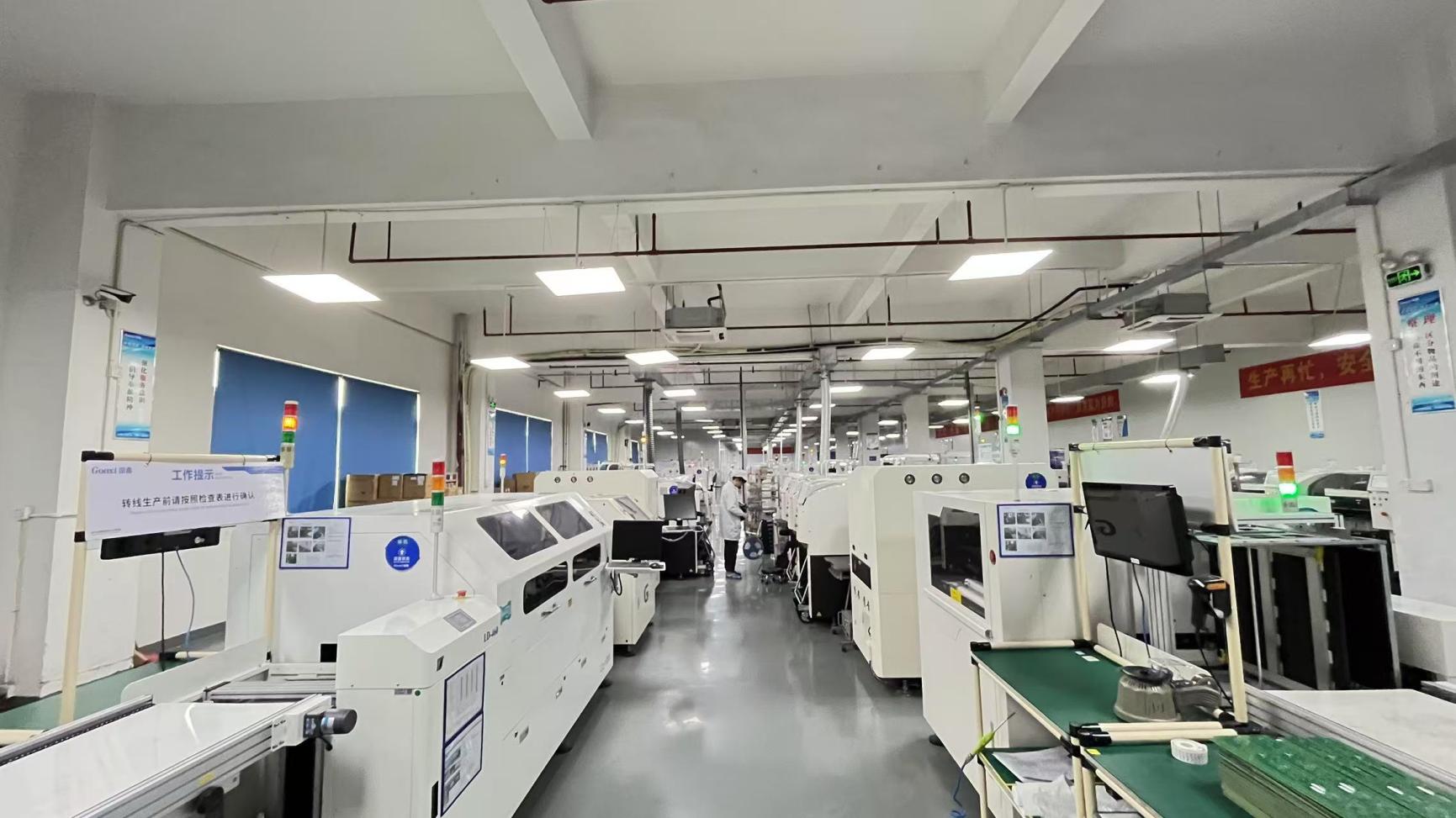
Located in Shenzhen, China, Veltrixa operates a modern production facility covering 386 m², equipped with advanced assembly, testing, and quality control systems. With a strong focus on innovation and customer satisfaction, we provide flexible OEM and ODM services tailored to diverse computing requirements.

A server’s utility is defined by the workloads it hosts. Modern bare-metal host platforms must support complex virtualized scenarios that span industries globally. Understanding these application scenarios allows Veltrixa to design custom server configurations optimized for specific virtualization profiles.
Tailored for hosting localized DeepSeek R1 or LLama clusters. These machines use GPU pass-through protocols (SR-IOV) to deliver maximum performance to individual virtual environments.
Designed for public cloud providers offering scalable VPS plans. High core-count Xeon/EPYC setups are paired with enterprise NVMe arrays to avoid resource starvation.
Optimized for NAS integration and large transactional databases within virtual partitions, featuring high PCI bus bandwidth and cache-rich RAID controllers.
For instance, in AI-driven VPS instances hosting DeepSeek R1 671B container models, standard compute models fall short. These complex tasks require extreme DDR5 bandwidth, fast GPU communication interconnects, and rapid local storage arrays to manage memory swapping. Conversely, standard corporate database hosting values disk redundancy (RAID 10) and robust network links over raw GPU power.
Quality is at the core of everything we do. Veltrixa implements a comprehensive quality management system to ensure every product meets international standards and customer expectations. Our engineering department handles server design, firmware optimization, and thermal layout design in-house, ensuring complete control over the hardware stack.
Our quality assurance workflow goes beyond basic visual checks. Every system undergoes extensive validation, including high-temperature burn-in cycles, memory diagnostic sweeps, full network load simulation, hypervisor compatibility testing, and structural integrity analysis.
Backed by 86 dedicated R&D engineers, developing over 124 customized server configuration iterations annually.
Functional Testing, Burn-In Testing, Performance Benchmarking, Thermal Validation, Compatibility Verification, Visual Inspection.
46 dedicated quality control professionals monitoring every step from raw PCB testing to finalized product shipping.
Furthermore, our customize-on-demand strategy supports full OEM, ODM, Private Labeling, customized BIOS configurations, pre-installed OS/Hypervisors, and custom rack-level cabling. This ensures that when the servers arrive at your facility, they are ready for deployment without further modifications.
The virtualization market is moving toward high-efficiency architectures. The adoption of PCIe Gen 5 and Gen 6 interfaces, CXL (Compute Express Link) memory architectures, and liquid-to-air hybrid cooling technologies are changing server design. Future-proof VPS nodes must support these technologies to handle the next wave of high-density workloads.
At Veltrixa, we are integrating liquid-cooling manifolds directly into our GPU-dense server racks. As processors push past 350W TDP and GPUs exceed 700W TDP, traditional air cooling is hitting its physical limits. Liquid cooling allows cloud operators to run hardware at optimal temperatures, reducing cooling costs and preventing thermal throttling.
Additionally, hardware-level container offloading is becoming standard. By using smart network interface cards (SmartNICs) and dedicated hardware accelerators, virtual hosts can offload networking, storage encapsulation, and security policies from the main CPU. This frees up maximum processing power for client virtual machines.
Sourcing large-scale server hardware from overseas requires careful planning. To assist IT directors and procurement managers, our engineering team has developed this quick specification guide for evaluating VPS compute nodes:
| Metric | Requirements | Why It Matters for VPS |
|---|---|---|
| CPU Architecture | Dual Socket Intel Xeon or AMD EPYC | Allows for high core counts, which translates to hosting more virtual machines per unit. |
| Memory Type | DDR5 ECC Registered RDIMM | Error-correcting memory prevents system crashes caused by single-bit memory faults in virtual spaces. |
| Storage Bus | U.2/U.3 PCIe Gen4/Gen5 NVMe SSDs | Prevents I/O bottlenecks when multiple VMs write to disk simultaneously. |
| Power Efficiency | Redundant (1+1) 80 Plus Platinum/Titanium | Reduces operational electricity costs and guarantees continuity in case of power supply failure. |