Veltrixa
Veltrixa
Veltrixa
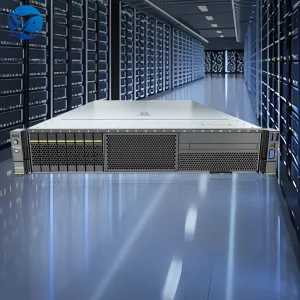
High-density acceleration hardware, multi-socket rack installations, and certified enterprise processing units for extreme workloads.
The global computing landscape is experiencing an unprecedented structural shift. Generative AI, Large Language Models (LLMs) like DeepSeek, GPT architectures, and complex multi-modal diffusion networks have moved compute requirements from standard scalar-focused processors to high-bandwidth, massively parallel accelerator pipelines. Standard cloud configurations are no longer sufficient; enterprises are demanding specialized AI Training Systems integrated at the silicon, board, and rack level.
In modern data centers, thermal management has surfaced as the critical architectural bottleneck. High-density training clusters frequently exceed 40kW to 100kW per cabinet. This realities have catalyzed the adoption of liquid-to-air and direct-to-chip liquid cooling systems. By designing custom cooling manifolds alongside the electrical topologies, modern manufacturers are able to squeeze additional performance coefficients out of thermal-throttling accelerators, dropping Power Usage Effectiveness (PUE) metrics closer to the theoretical ideal of 1.05.
Understanding the critical metrics that CTOs, data center architects, and infrastructure procurement leads evaluate prior to high-performance computing deployment.
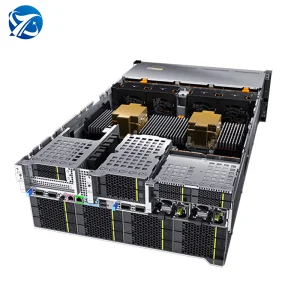
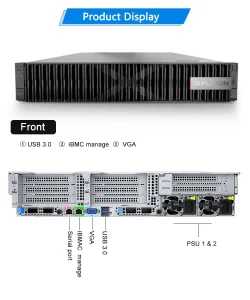
Enterprises require flexible chassis designs capable of switching between SXM and PCIe accelerator modules. Standardizing on 2U and 4U chassis envelopes allows seamless hardware drops into existing infrastructure footprints without costly facility overhauls.
With GPU TDP crossing 700W, power conversion stages from high-voltage AC feeds down to 12V or 48V DC busbars require Titanium-grade redundancy (PSUs running 80-Plus efficiency ratings or above) to maintain continuous uptime during deep epoch iterations.
Securing the underlying silicon boot processes via Root of Trust (RoT) architecture has become mandatory. Systems must guarantee cryptographically verified firmware upgrades to protect workloads against physical and remote runtime tampering.
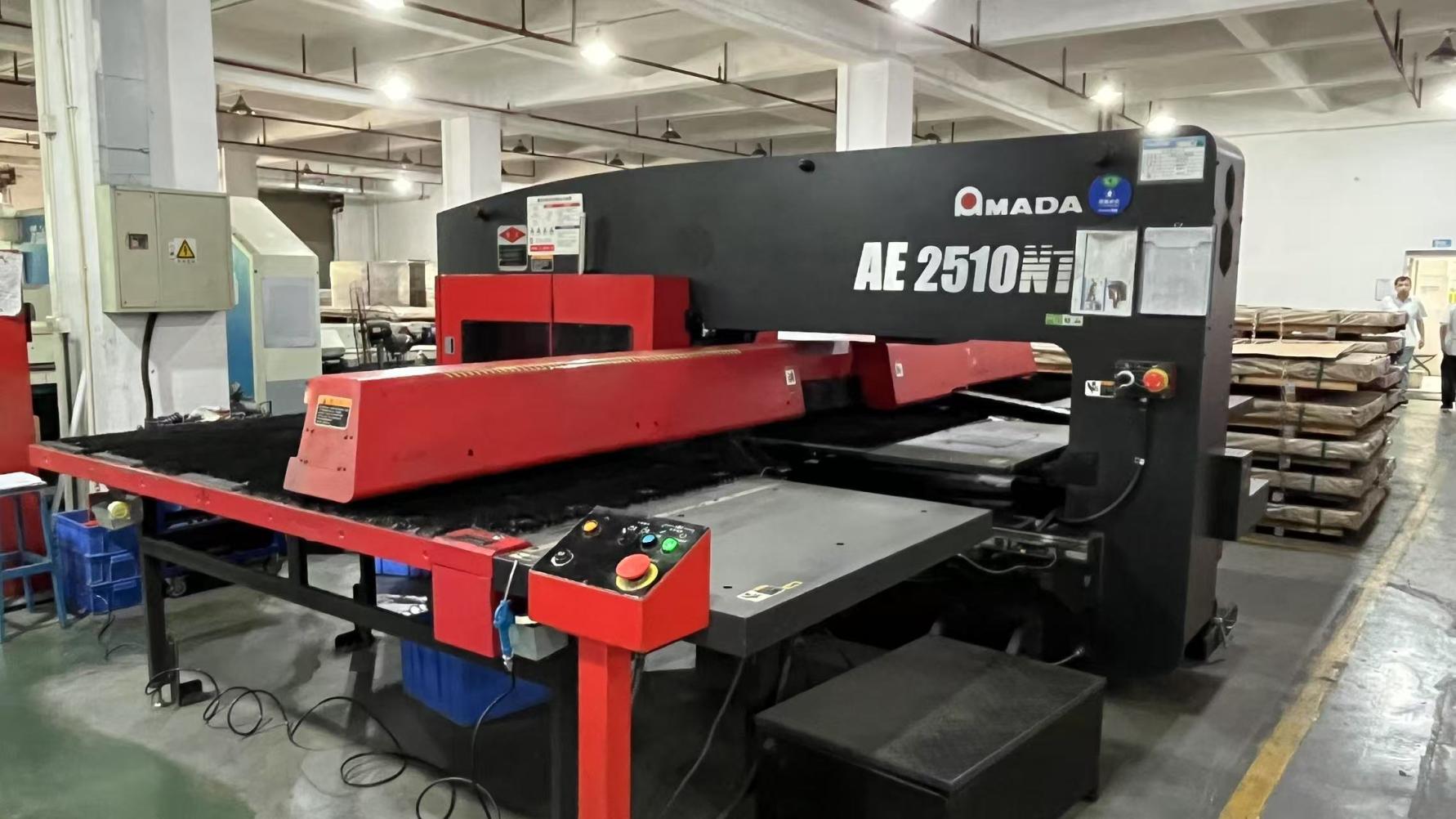
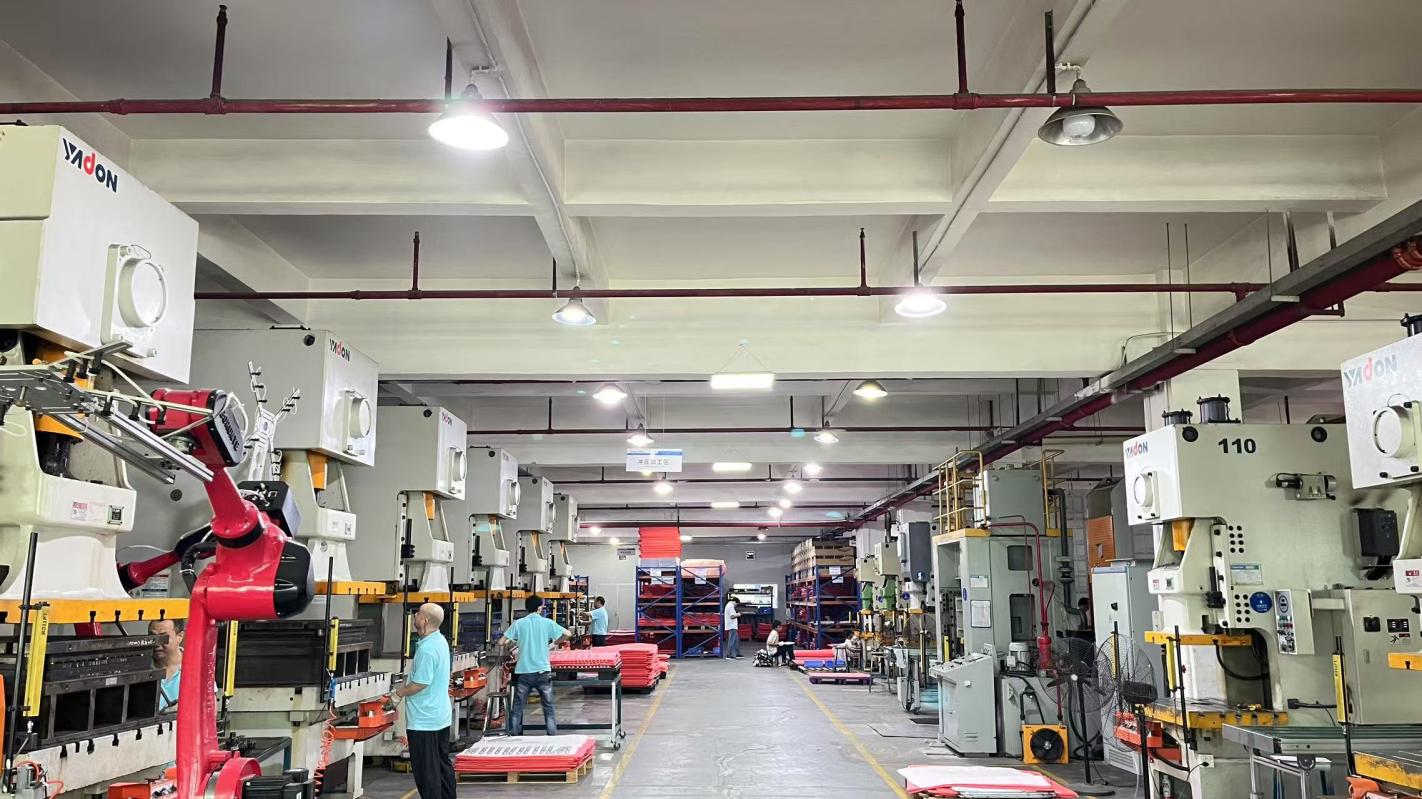
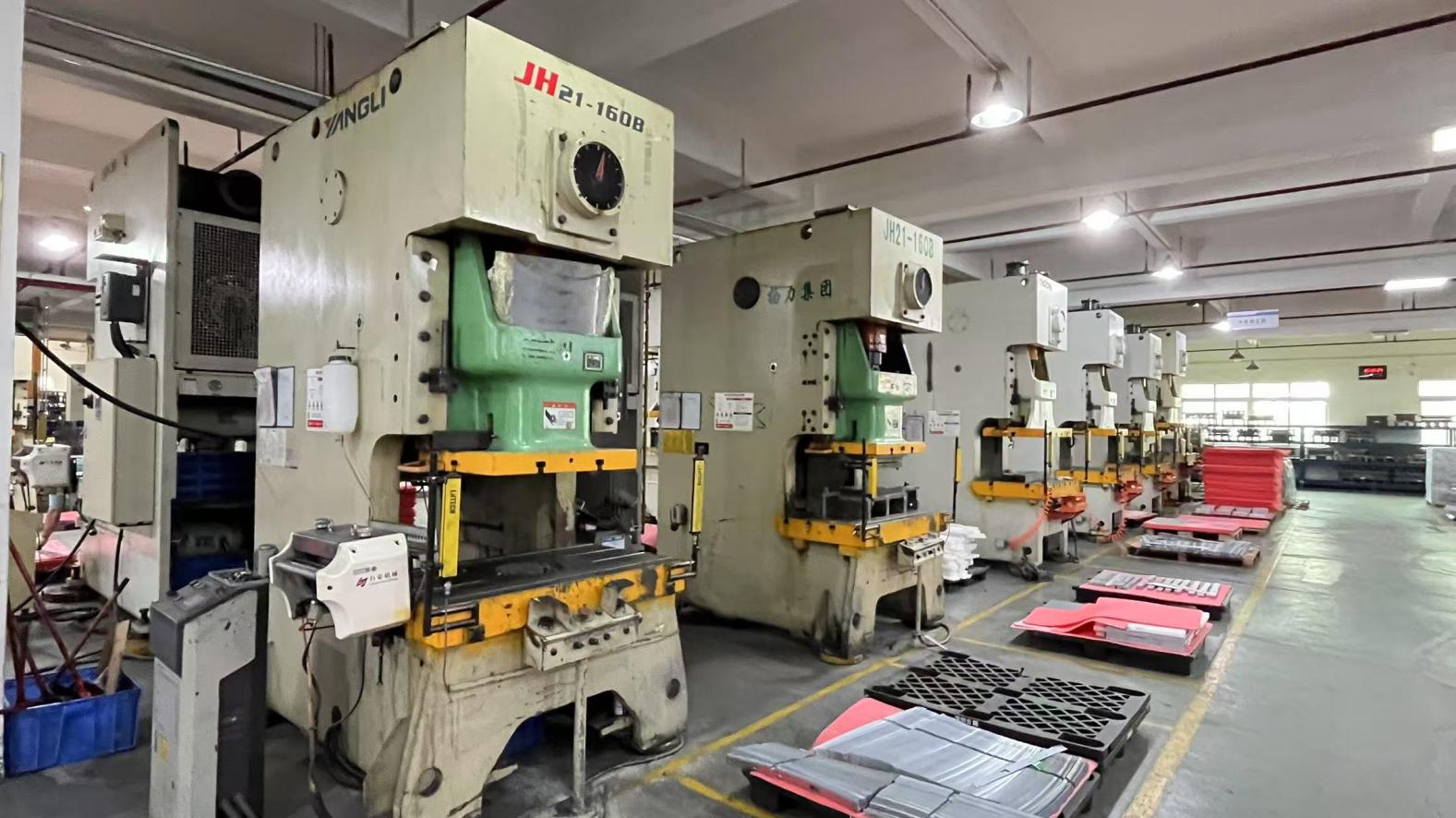
Why do leading system integrators work directly with specialized Chinese manufacturing hubs? The answer lies in the highly optimized industrial cluster system. Shenzhen's computing cluster integrates board layout design, multi-layer high-speed PCB fabrication, thermal interface material sourcing, sheet-metal tooling, and compliance testing labs within a single geographical zone.
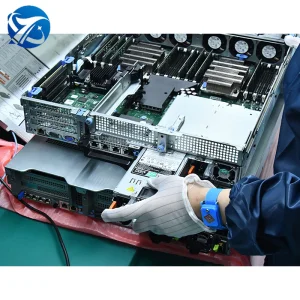
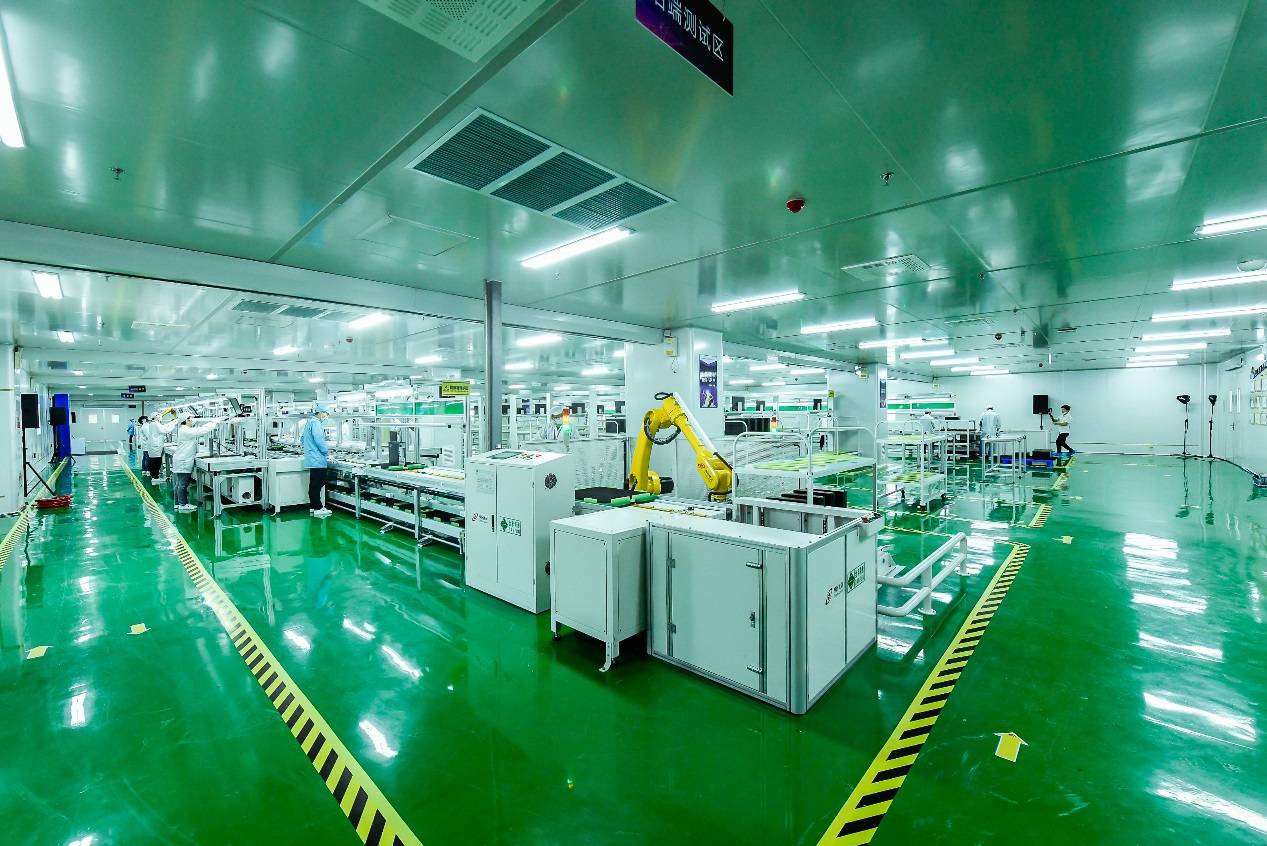
This deep physical ecosystem reduces the lead time for customized server designs from typical industry cycles down to mere weeks. Under the Factory 4.0 paradigm, production floors feature automated optical inspection (AOI), robotic component pick-and-place lines, and digital monitoring systems that continuously evaluate solder joint integrity and micro-component positioning during board construction.
Empowering digital infrastructure with highly integrated, certified AI processing platforms built in Shenzhen, China.
Established in 2017 with 12 years of core industry experience, Shenzhen Veltrixa Intelligent Computing Co., Ltd. is a premier manufacturing exporter specializing in deep learning hardware, enterprise AI clusters, high-density edge configurations, and thermal dissipation server mechanics.
Operating a modern production facility, we execute end-to-end device assembly, strict component testing, and specialized multi-day burn-in profiles to guarantee our hardware operates reliably under non-stop computational loads.
Primary Markets: North America, Western Europe, Southeast Asia, Middle East, and Australia.
Our commitment to reliable hardware is backed by 46 quality control professionals running 100% pre-shipment inspections. We perform extensive Functional Testing, Burn-In Testing, Performance Benchmarking, Thermal Validation, Compatibility Verification, and Visual Inspection.
With an independent engineering team of 86 members, we released 124 new hardware products last year alone, ranging from private label custom server chassis to high-density compute rack configurations with complex liquid-cooling mechanics.

From advanced neural computing platforms in North America to smart-city hubs in Europe and high-speed finance networks in the Asia-Pacific region, computational infrastructure forms the core of modern economic transformation. Industrial environments demand hardware configurations that differ dramatically from standard enterprise settings:
Analyzing custom deployments configured to target specific workloads, environmental constraints, and resource targets.
In autonomous driving developments, edge compute clusters ingest hundreds of terabytes of telemetry and camera data daily. Integrated GPU servers process localized multi-view images to refine object detection and pathway navigation models rapidly.
Deploying specialized AI hardware in regional hospitals enables fast diagnostic processing. Localized medical imagery (such as high-resolution MRI scans) is analyzed locally on GPU workstations, ensuring sensitive patient records stay within local hospital boundaries.
Financial firms employ local multi-socket GPU platforms to run sensitive quantitative simulations and fine-tune proprietary market models, bypassing public cloud risks while securing low-latency execution paths.
Get answers to critical technical questions regarding high-performance server architecture, manufacturing standards, and system sourcing.
AI Training Systems prioritize high-bandwidth interconnects (like NVLink) and heavy parallel computing capabilities over typical CPU-centric multi-tasking. They feature specialized high-TDP power delivery, advanced heat-dissipation layouts, and support multiple PCIe/SXM accelerator form factors to handle continuous matrix math operations.
Every Veltrixa server undergoes rigorous testing, including multi-day high-load burn-in testing, thermal validation, compatibility verification, and benchmark tests. Our quality control team of 46 professionals implements a strict 100% pre-shipment inspection process to eliminate component vulnerabilities before shipping.
Yes. We specialize in hardware-software co-design. Our systems are built to handle the high memory bandwidth requirements of architectures like DeepSeek, utilizing high-speed DDR5 memory, fast PCIe Gen 5 interfaces, and storage layouts optimized for efficient database search operations.
We offer full hardware customizations, including custom BIOS/BMC configurations, rack integration layouts, private labeling, specialized power distribution options, and direct-to-chip liquid cooling modifications tailored to specific data center thermal envelopes.
With 7 years of export experience and certified compliance with CE, FCC, RoHS, and local import standards, we ship securely packaged, palletized computing systems worldwide. We coordinate directly with major freight partners to handle custom clearances, transport, and delivery to data centers or corporate facilities.
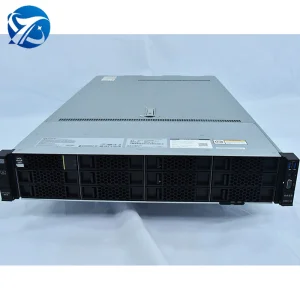
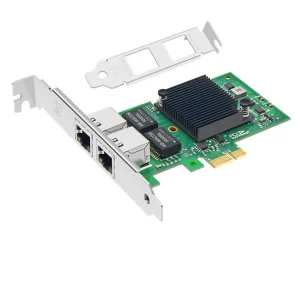
Browse our selection of storage servers, compute nodes, and specialized high-speed interface components designed for AI clusters.