Veltrixa
Veltrixa
Veltrixa
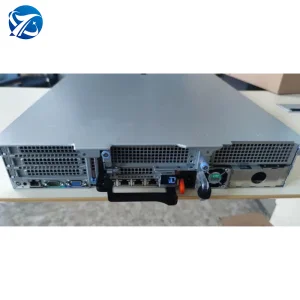
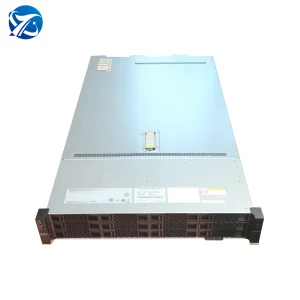
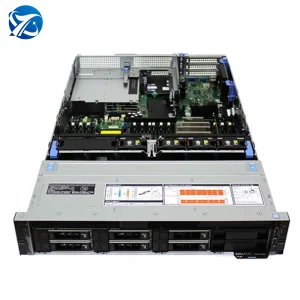
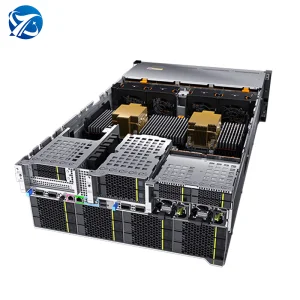
Explore our core high-density servers, hardware appliances, and structural interconnects designed to run intensive layer 4-7 traffic management workloads, cluster orchestrations, and large-scale AI applications.
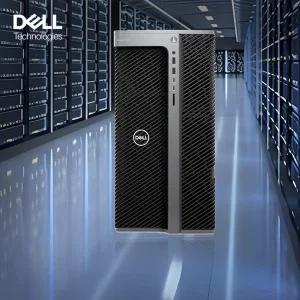
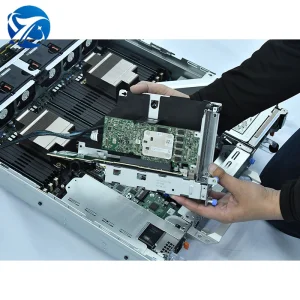
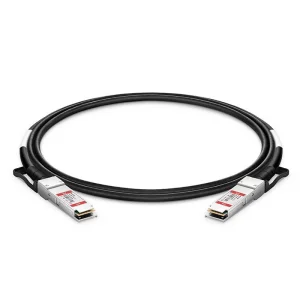
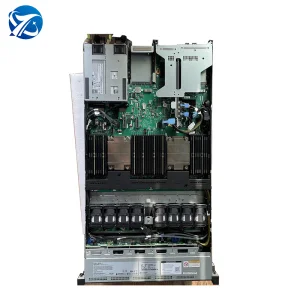
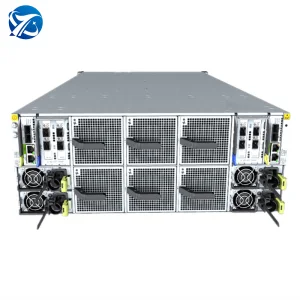
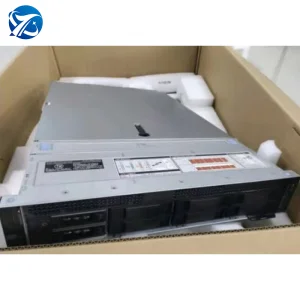
In today's hyper-connected, AI-driven environment, simple packet routing is no longer sufficient. Enterprise systems demand intelligent Application Delivery Controllers (ADCs) and load balancing solutions that dynamically manage traffic, offload security bottlenecks, and ensure uninterrupted service availability. Whether distributing HTTP/HTTPS requests across globally distributed web server clusters, directing high-throughput GPU training jobs in neural network nodes, or orchestrating database microservices, load balancing acts as the central traffic cop of the digital architecture.
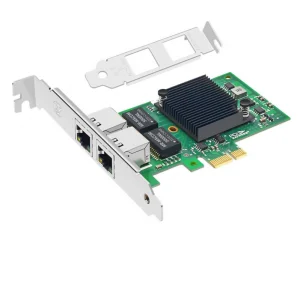
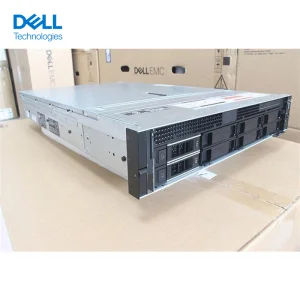
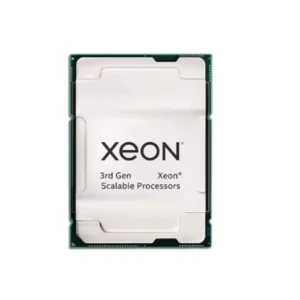
At Shenzhen Veltrixa Intelligent Computing Co., Ltd., we fuse hardware optimization with state-of-the-art networking concepts. Load balancing solutions are no longer confined to standalone appliances; they are deeply integrated into the compute and storage layers. High-density rack deployments, equipped with advanced Xeon processors and high-speed QSFP+ direct-attach network lines, form the physical backbone that makes robust Layer 4 (Transport Layer) and Layer 7 (Application Layer) load balancing highly efficient. By deploying servers equipped with high-throughput interfaces, data centers can achieve massive packet-per-second processing thresholds with minimal latency degradation.
Operates at the transport protocol layer (TCP/UDP) to deliver rapid packet routing based on IP address and port metrics. Ideal for low-latency database environments and raw connection management without deep packet inspection overhead.
Utilizes application-level parameters such as HTTP headers, cookies, URL paths, and JSON payloads. Essential for microservices, API gateways, SSL/TLS decryption offloading, and complex user session persistence schemes.
Maintains business continuity by distributing traffic across geographically dispersed data centers. Incorporates DNS-based routing, real-time health checks, and user-to-server latency geolocation metrics.
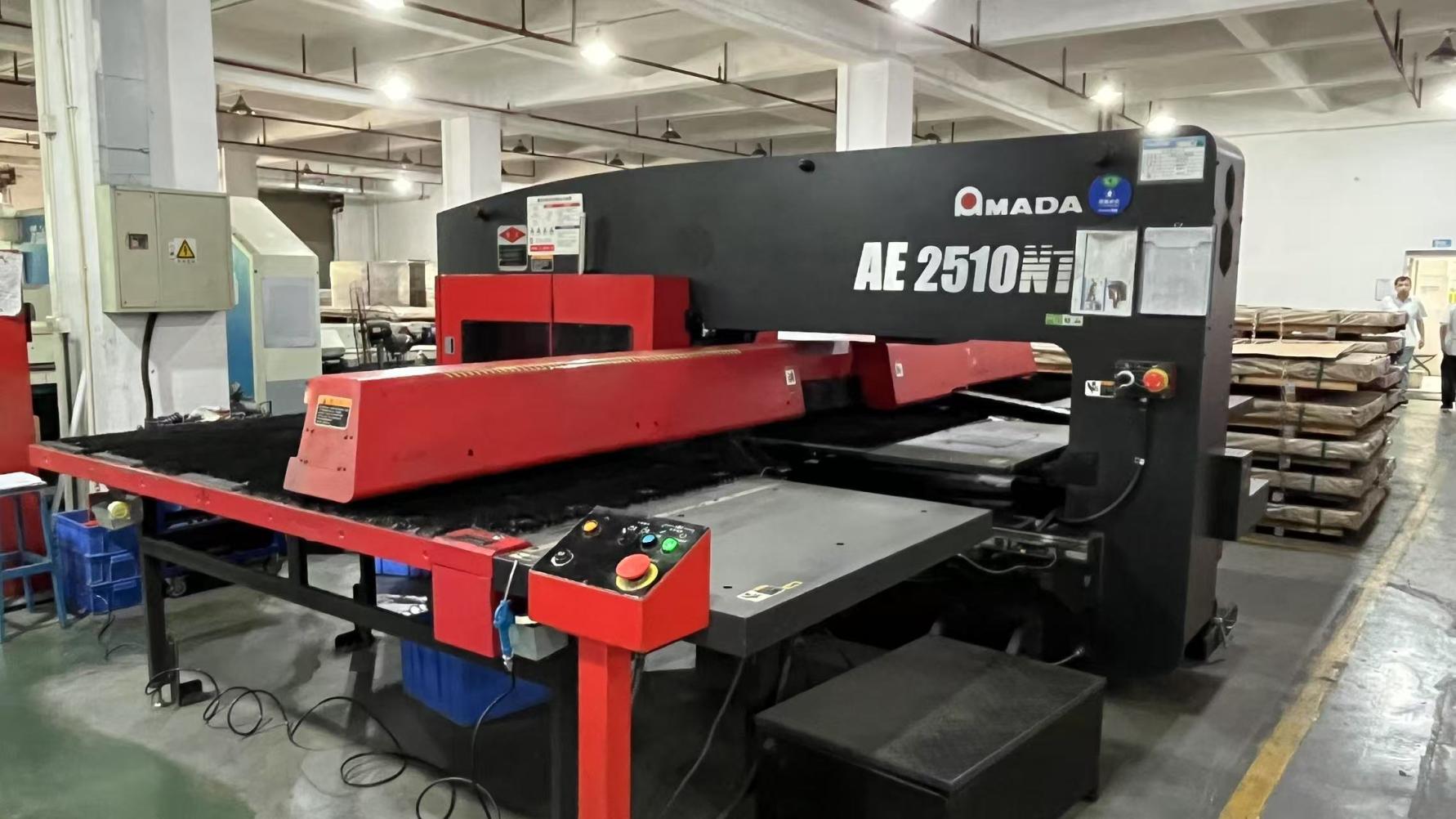
Selecting the right hardware supplier determines the long-term success of an enterprise infrastructure strategy. China has matured from a component assembly hub into the world's most advanced ecosystem for high-performance server engineering, precision sheet metal fabrication, and hardware-defined networking solutions. The convergence of structural supply chain consolidation, rapid prototyping pools, and dedicated hardware R&D clusters in Shenzhen enables Veltrixa to deliver top-tier network and computing appliances at unprecedented speed and efficiency.
At our manufacturing hub, we utilize an extensive matrix of component partners to access the newest chassis materials, advanced heat pipe thermal designs, and high-quality power distribution units (PDUs). This dense ecosystem ensures that design changes can be tested, simulated, and put into production within weeks rather than months. If a client requires a modified custom 2U server layout to fit dynamic accelerator cards or proprietary encryption chips, our 86 R&D engineers can optimize and deliver custom mock-ups quickly, bypassing traditional administrative and logistically fragmented delays.
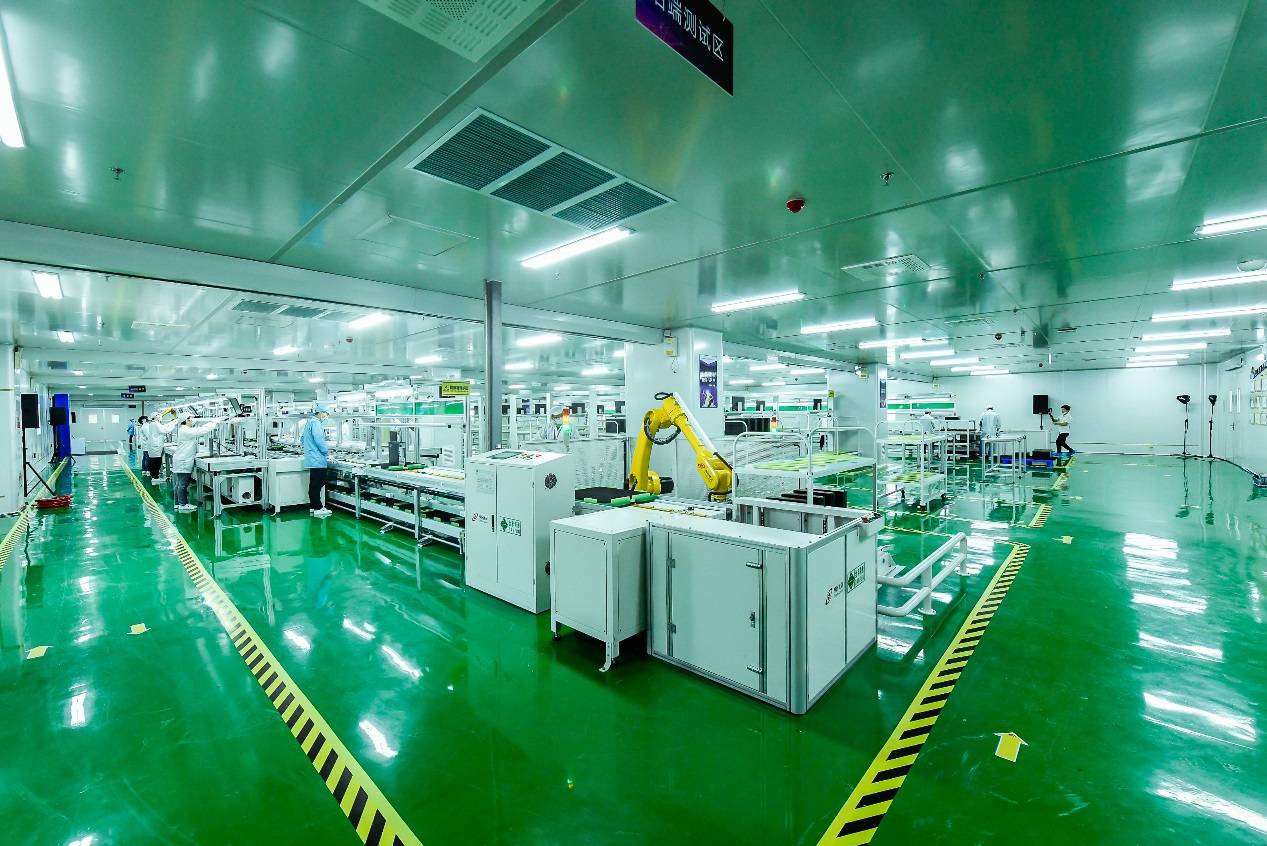
Furthermore, our facility maintains rigorous quality control procedures including functional testing, burn-in validation under thermal stress, network latency packet analysis, and visual conformity assessments. By carrying out 100% of these checks prior to shipment, we ensure our global partners receive enterprise equipment ready to deploy in mission-critical environments.
Established in 2017, Shenzhen Veltrixa Intelligent Computing Co., Ltd. has established itself as a pivotal manufacturer and exporter of enterprise hardware platforms, high-density AI server systems, storage nodes, and custom application delivery architectures. Spanning a specialized 386 m² testing and customization facility in Shenzhen, we coordinate a network of over 1,280 verified supply chain partners to source, test, assemble, and distribute hardware worldwide.
| Operational Core Metric | Veltrixa Capabilities & Specifications |
|---|---|
| Business Paradigm | OEM, ODM, System Integrator, and Global Exporter |
| Annual Export Capitalization | USD 18 Million (with sustained 15% year-on-year growth) |
| Geographic Export Footprint | North America, Western Europe, Southeast Asia, Middle East, Australia |
| Quality Control Staffing | 46 dedicated quality assurance professionals |
| R&D Output | 124 newly designed or optimized hardware configurations released last year |
| Hardware Integration Scope | Full L4/L7 load balancer nodes, AI GPU training servers, high-density storage arrays, and network cards |
Load balancing requirements differ vastly between industry verticals. A generic setup cannot support the massive, parallel GPU clusters required for LLM training, nor can it handle the ultra-low latency demands of high-frequency financial trading systems. Below, we examine the typical deployments where Veltrixa hardware serves as the primary processing node.
Modern AI workloads require parallel execution across clusters of multiple GPUs. Under these conditions, networking bottlenecks can stall expensive compute nodes. By integrating our high-density GPU computing servers with customized load balancing network cards, organizations can optimize data flow across deep learning clusters, ensuring that memory bandwidth is fully utilized and GPU latency is minimized.
Enterprise NAS storage platforms and corporate intranets depend on consistent data access speeds. Load balancers distribute connection requests across storage arrays, preventing performance degradation on any single node. Utilizing our 1288H V7 and 2288H V7 rack servers ensures that data delivery remains reliable, even during peak operational hours.
Smart cities, remote retail networks, and autonomous factories process telemetry data locally to avoid latency. Edge AI platforms handle data pre-processing at the collection point. Our compact, short-depth server models are optimized to manage these edge arrays, routing localized data streams efficiently while maintaining communication with central cloud infrastructures.
The networking and application delivery landscape is undergoing structural transformations driven by three key innovations:
Traditional software-based CPU load balancing can introduce processing latency at high data volumes. Modern configurations offload cryptographic processes (SSL/TLS handshakes) and packet routing tasks to specialized Data Processing Units (DPUs) and SmartNICs. This shift preserves the primary host CPU cycles for core application workloads, significantly increasing overall server efficiency.
Security parameters are shifting from perimeter-based firewalls to continuous verification. Load balancers now act as inline decryption checkpoints, performing real-time security scanning and traffic validation. They enforce security policies, filter malicious payloads, and verify cryptographic certificates before routing requests to backend servers.
As data centers increase in density, managing thermal output becomes a primary operational challenge. Liquid-cooled computing systems and advanced heat pipe structures allow servers to run continuously at peak capacity without thermal throttling. This cooling efficiency is critical for maintaining the high-throughput performance required by dense network routing equipment.
Procuring IT infrastructure globally requires addressing complex compliance, customization, and supply chain demands. At Veltrixa, we design our manufacturing and delivery workflows to align with the stringent standards of international buyers.
We provide complete hardware customization, from branding and chassis design to custom BIOS and firmware configurations. We adapt our systems to meet specific enterprise software environments, security profiles, and mechanical rack requirements.
All manufacturing units adhere to CE, FCC, RoHS, and UL safety directives. Our systematic quality checks verify electromagnetic compatibility and operational reliability, ensuring swift integration into enterprise data centers.
We manage international logistics with robust export packaging, customs documentation, and secure transit pathways. Our processes ensure that sensitive server systems and networking components arrive safely and on schedule.
Get authoritative, technical answers to common questions regarding load balancing, server optimization, and factory operations.
Layer 4 (L4) load balancing operates at the transport layer, routing traffic based on protocol metrics such as IP address and TCP/UDP port numbers. It is highly efficient because it does not inspect the application payload. Layer 7 (L7) load balancing operates at the application layer, parsing HTTP headers, cookies, URLs, and SSL sessions to route traffic based on content. L7 balancing is more CPU-intensive but enables advanced application routing, session persistence, and security inspection.
Modern software-defined load balancers and ADCs process high volumes of concurrent connections. Servers equipped with multi-core processors, high-speed RAM, and PCIe-attached network cards handle packet processing, encryption offloading, and routing decisions with minimal delay. This prevents the load balancer itself from becoming a system bottleneck.
Veltrixa combines local supply chain advantages with rigorous quality control and engineering expertise. With over 1,280 component suppliers, an active R&D team of 86 engineers, and systematic pre-shipment inspections, we design and deliver reliable, high-performance hardware configurations tailored to specific operational requirements.
Our customization services include private label branding, chassis customization, customized port layouts, custom motherboard BIOS settings, and specific hardware optimizations for designated software stacks. We also offer full rack-level integration, pre-installing networking, storage, and computing nodes to simplify deployment.
Every server and hardware appliance undergoes a strict multi-point inspection process. This includes full functional testing of all components, 24 to 72-hour burn-in testing under thermal load, performance benchmarking for network and processing throughput, and visual quality control checks.
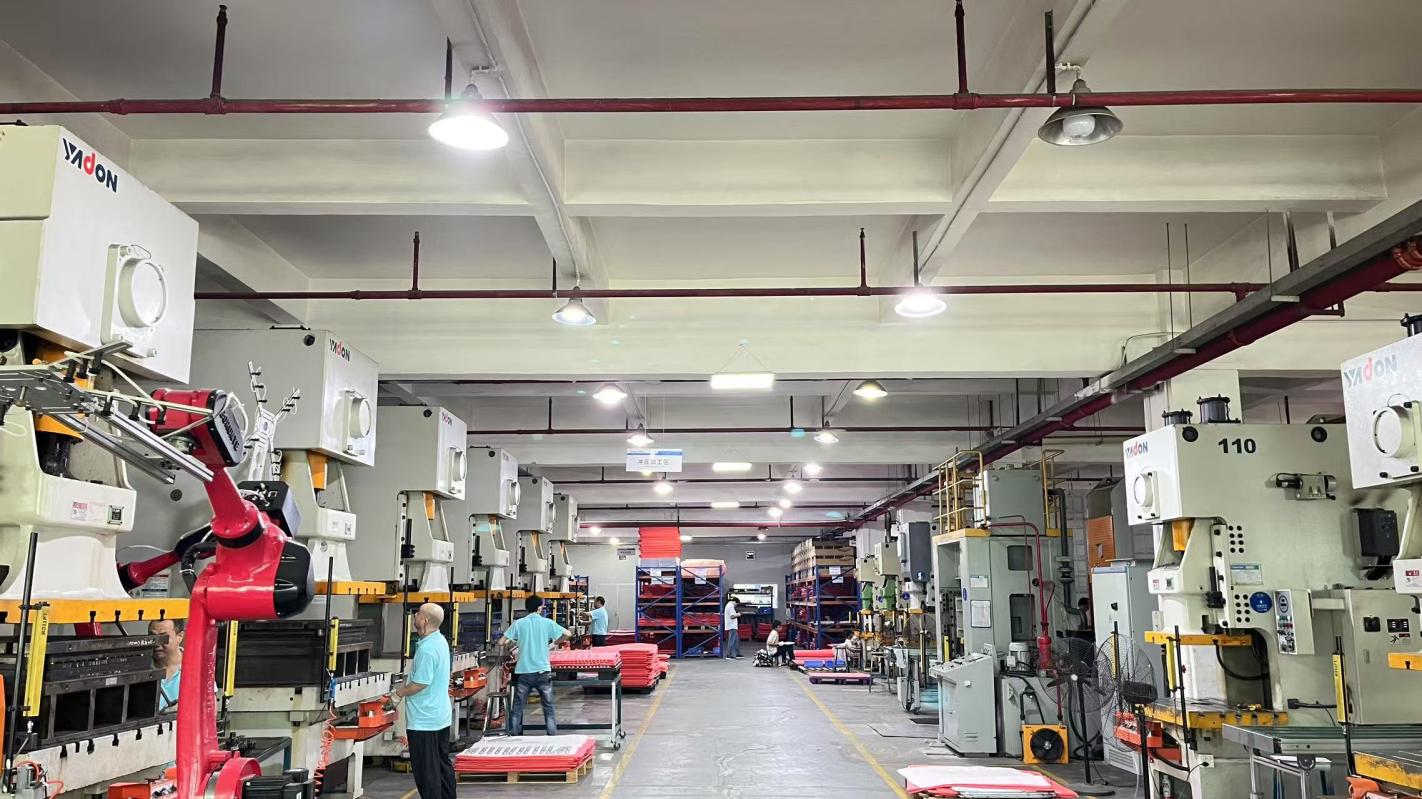
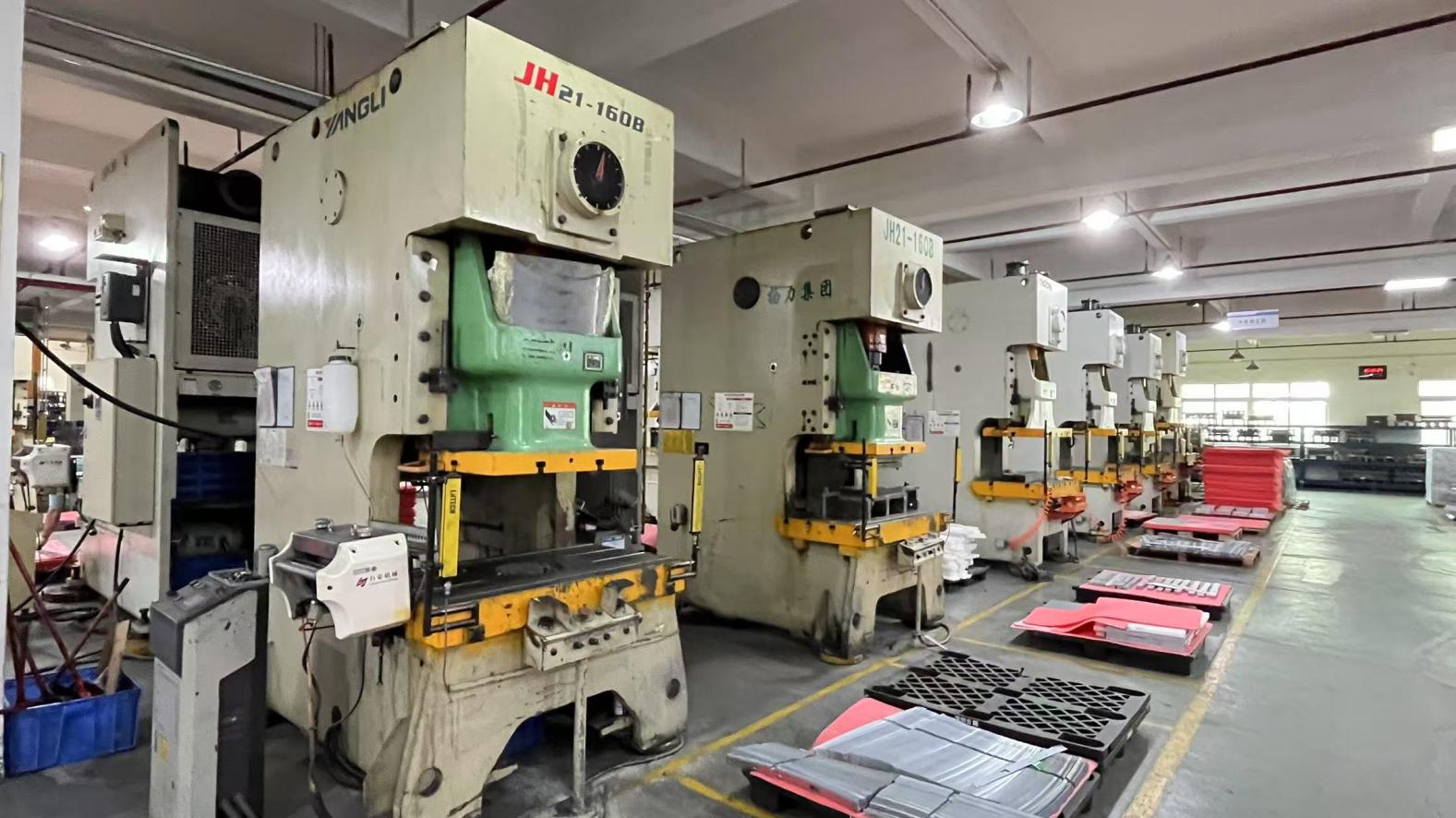
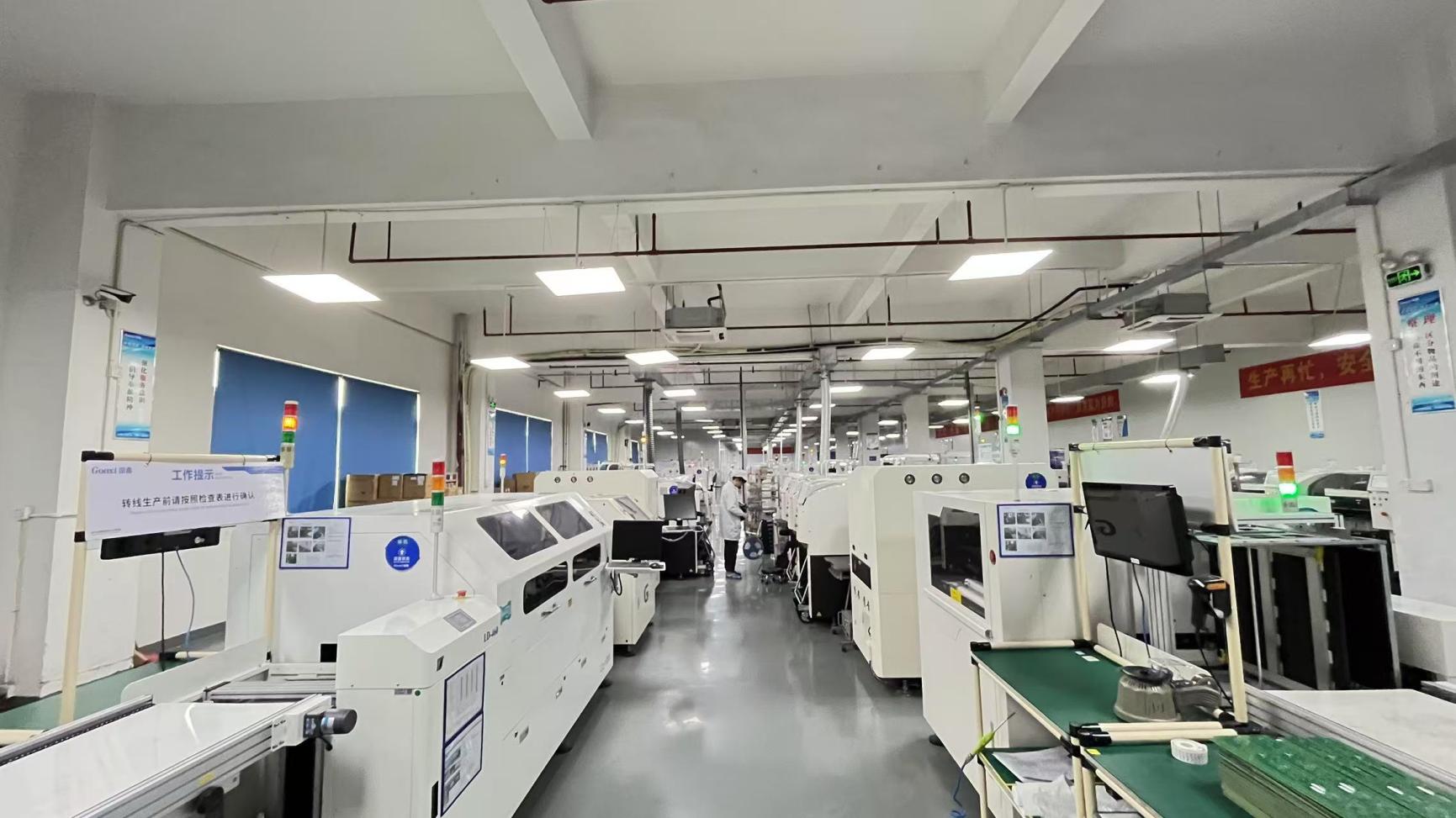
Our modern assembly lines, testing chambers, and dispatch areas are maintained under cleanroom standards. This ensures that every system, from advanced GPU servers to high-speed interconnects, is built and validated to industry specifications.
Explore our full catalog of high-capacity rackmount servers, compute clusters, and storage modules engineered to support demanding enterprise architectures.