Veltrixa
Veltrixa
Veltrixa
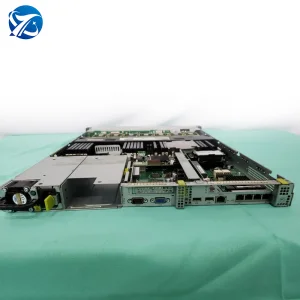
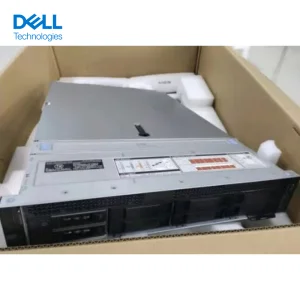
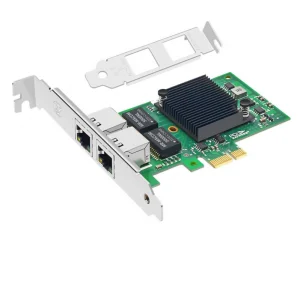
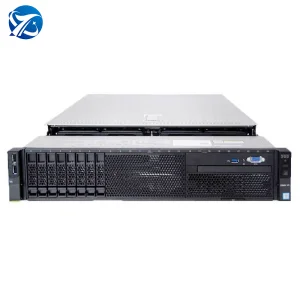
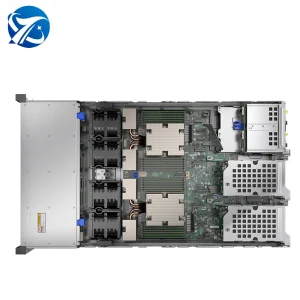
In the contemporary landscape of high-performance computing (HPC) and artificial intelligence, the term V7 Server Optimization represents the apex of structural hardware fine-tuning, firmware calibration, and thermal management. As enterprises transition from legacy frameworks to next-generation AI workloads—such as large language models (LLMs) and containerized GPU computing arrays—traditional compute stacks fail to maintain efficiency. Systems built on the newer V7 architecture demand highly precise system-level tuning to eliminate processing bottlenecks, maximize input/output operations per second (IOPS), and maintain system longevity under sustained compute loads.
As a leading provider in this space, Shenzhen Veltrixa Intelligent Computing Co., Ltd. approaches V7 server optimization from a holistic perspective. Optimization is not merely a software layer configuration; it is a physical and logical alignment. Our engineering methodologies target core architectural subsystems, including direct memory access (DMA) optimization, PCIe Gen 5 signaling paths, BIOS-level power management, and advanced airflow dynamic adjustments to match modern accelerator topologies.
The global push for models like DeepSeek, Llama-based neural networks, and multi-modal neural interfaces has changed compute requirements. V7 optimization ensures zero-throttling during complex matrix operations and deep learning training cycles.
Modern data centers demand record-low Power Usage Effectiveness (PUE). V7 optimizations utilize microcode level power-state limits to decrease power consumption by up to 18% during idle times, without compromising peak latency response.
With bandwidth speeds doubling, maintaining signal integrity over high-density server backplanes is vital. We utilize advanced component calibration to prevent system latency spikes and packet loss at high clock rates.
Procurement managers and IT directors in North America, Western Europe, and Southeast Asia are shifting away from off-the-shelf, non-optimized server units. The prevailing purchasing mandate requires customizable, application-ready bare-metal servers that can integrate natively with existing container orchestration platforms. Factors such as hardware-level stability, compliance with high-performance networking standards (like 100Gbps/200Gbps InfiniBand systems), and direct-from-factory technical backing are critical criteria.
Furthermore, the demand for component resilience has prompted a shift toward suppliers who can guarantee structural component continuity, reliable BIOS patch releases, and advanced RAID array options (such as SAS3808 or LSI 9560-16i controllers) to safeguard high-density mission-critical databases against disk array failure.
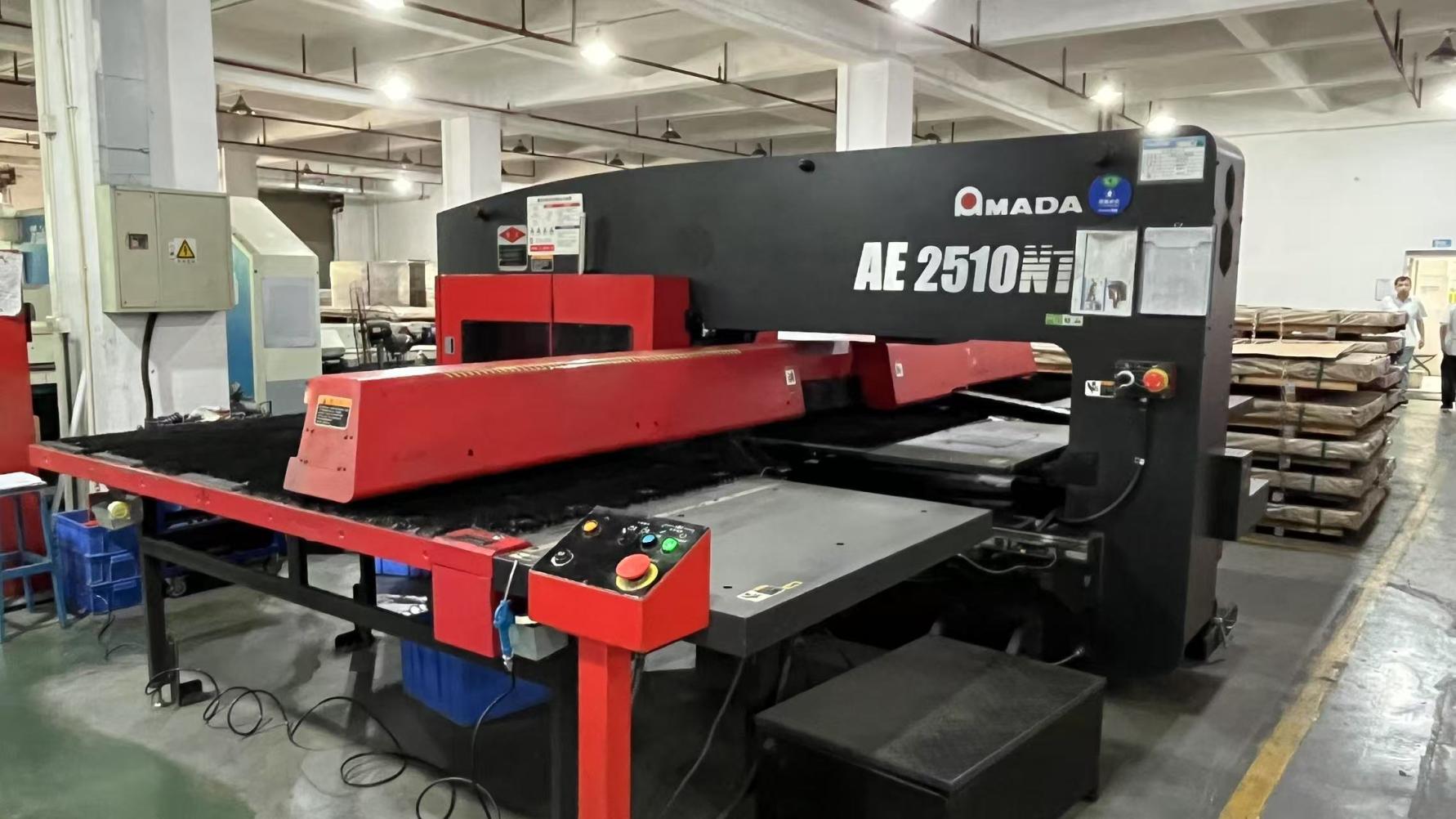
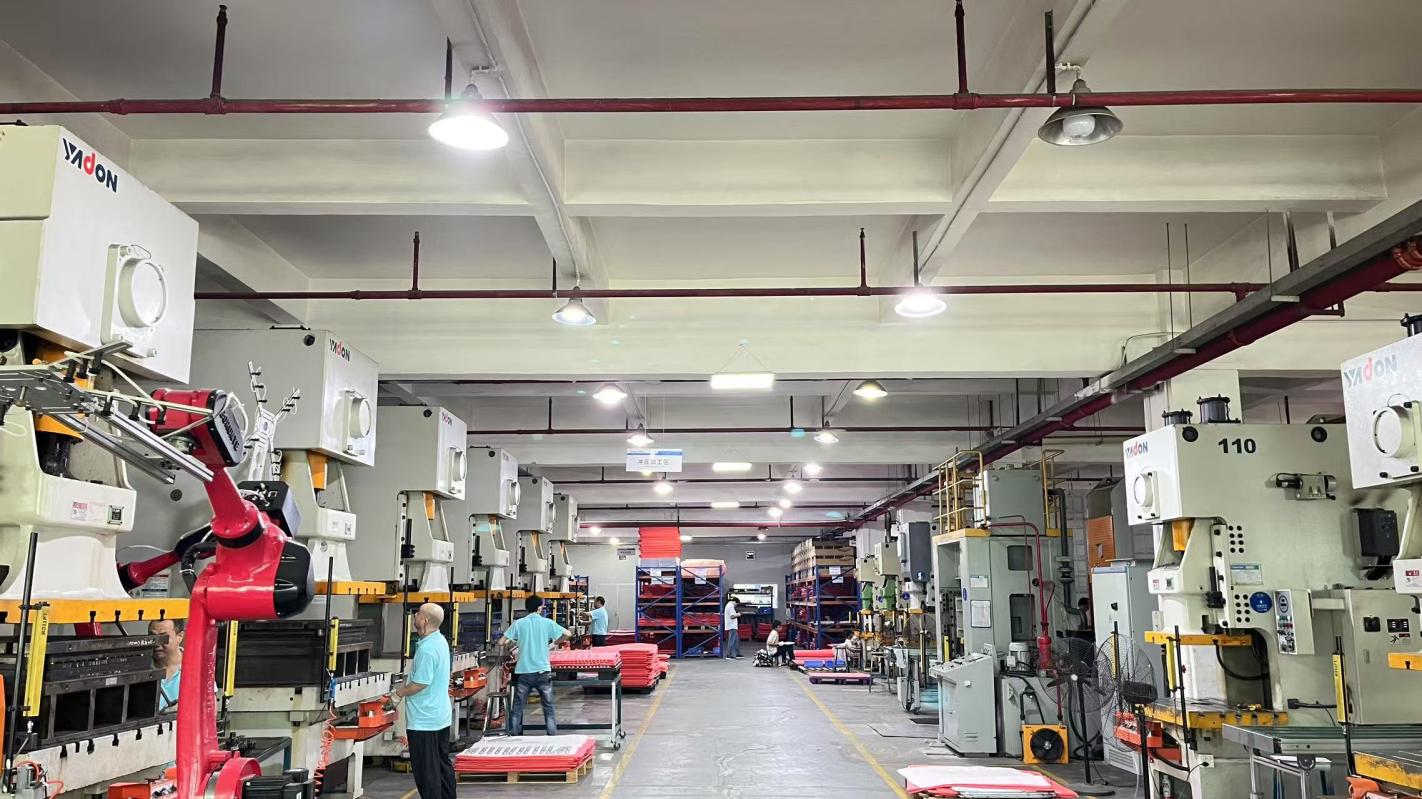
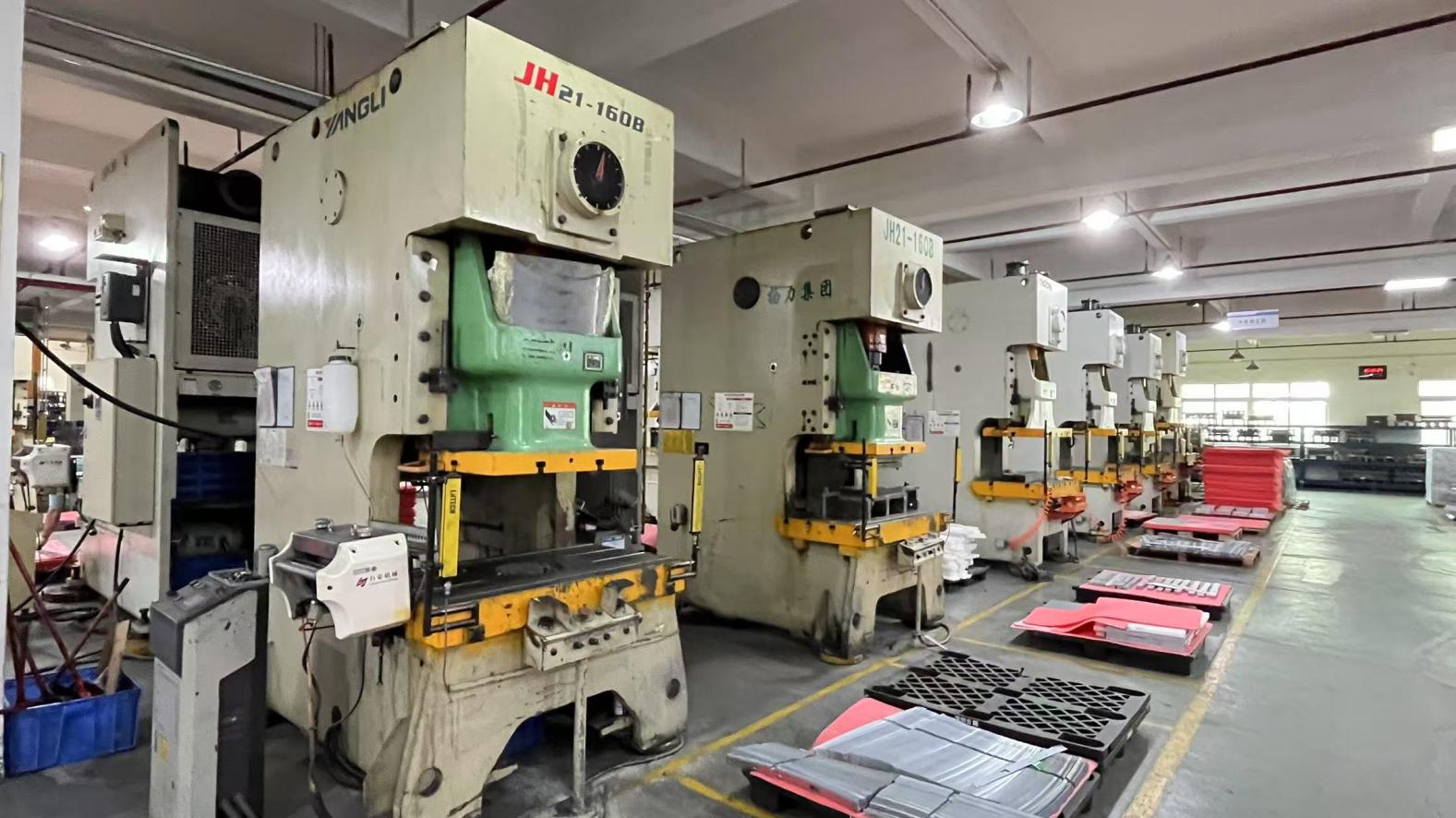
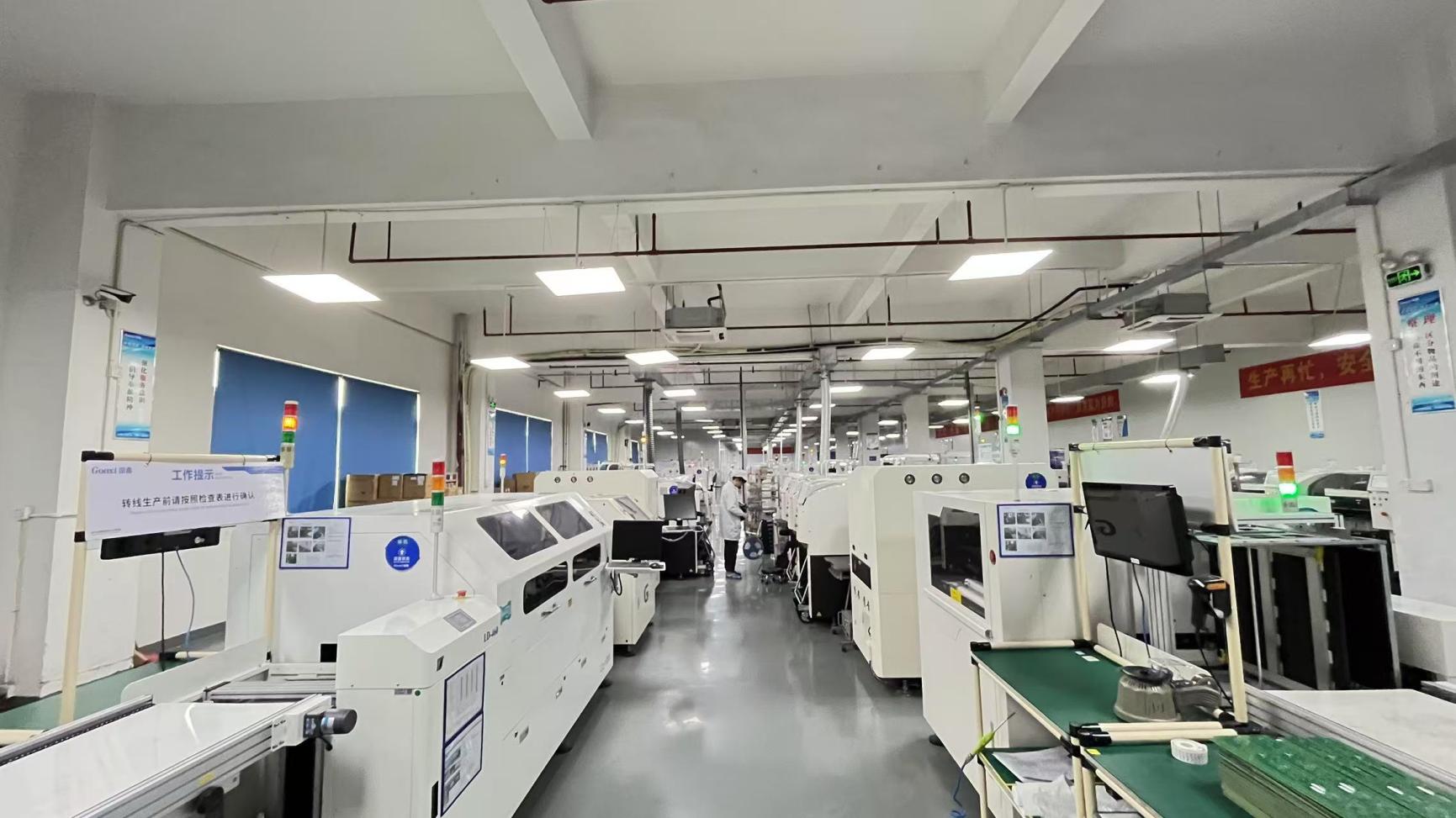
Shenzhen’s technology manufacturing infrastructure represents the global standard for agile hardware assembly. At Veltrixa, our integration of China Factory 4.0 practices translates to rapid hardware prototyping, precise PCB component SMT, and automated thermal-chamber testing processes.
By maintaining deep-tier relationships with over 1,280 component suppliers, we mitigate external supply chain shocks. This robust ecosystem allows us to execute customized configuration adjustments, validate structural configurations, and deliver custom rack-level server bundles at a speed that traditional manufacturers cannot match.
Established in 2017, Veltrixa operates at the intersection of AI hardware innovation and rigorous quality control. Serving system integrators, AI cloud platforms, and researchers globally, we focus on delivering customized hardware architectures optimized to perform reliably in demanding environments.
Optimized bios profiles and RAID configurations keep database read/write speeds constant, ensuring multi-user web cloud deployments execute without system stutter or unexpected cluster nodes rebooting.
Low latency edge processing setups in logistics hubs require shock-resistant, low-depth rack servers (such as short-depth 2U architectures) to run computer vision models locally under high temperature variables.
For complex mathematical computations, weather modeling, or LLM hyper-parameter tuning, our GPU clusters operate with tailored bus topologies, preventing PCIe bottlenecks and accelerating throughput.
At Veltrixa, our QA facility employs a dedicated team of 46 quality assurance professionals. Every server unit undergoes a strict suite of evaluations prior to packaging and dispatch. This protocol includes Burn-In Testing (up to 72 hours under full compute loads), Functional Verification, Thermal Profiling inside high-temperature chamber environments, and High-Speed PCIe Interface Signal Validation.
Our 86 R&D Engineers focus on custom hardware adaptations, developing tailormade IPMI firmware, customized chassis layouts for edge server systems, and low-impedance storage backplanes. In the past year alone, Veltrixa has launched 124 new optimized hardware configurations, addressing the shifting demands of modern computing environments.
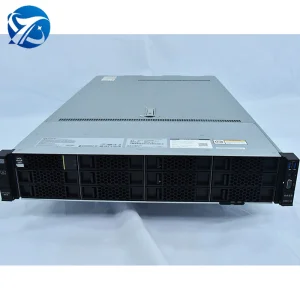
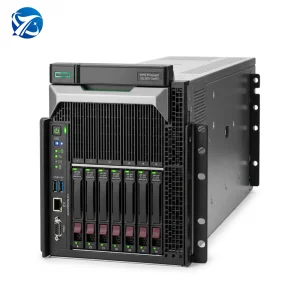
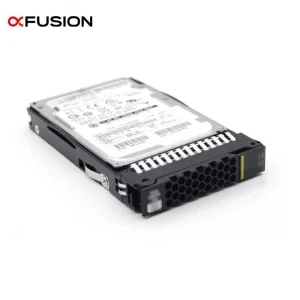
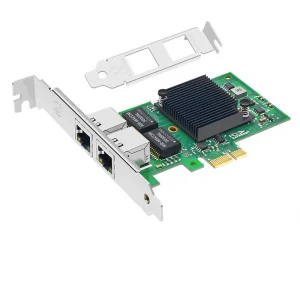
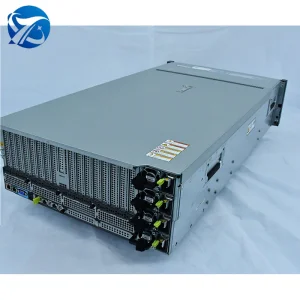
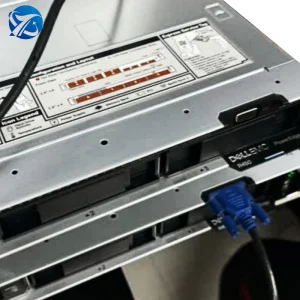
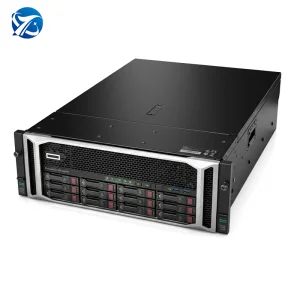

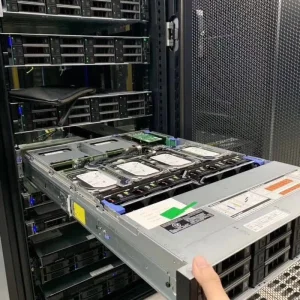
Inside Veltrixa's specialized integration environments: verifying card placement, performing automated memory tests, testing thermal thresholds, and conducting visual checks.