Veltrixa
Veltrixa
Veltrixa
Premium OEM configurations optimized for high-capacity workload management, virtual environments, and artificial intelligence clusters.
A comprehensive analysis of Next-Generation DRAM technologies, system integration challenges, and enterprise procurement trends.
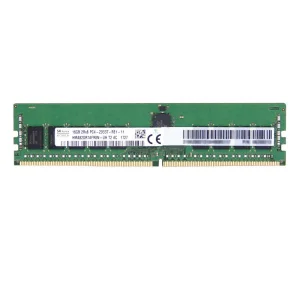
In modern hyper-scale datacenters, high-performance computing (HPC) nodes, and AI deep learning clusters, server memory acts as the primary pipeline for CPU-GPU throughput. The emergence of multi-core, high-thread processor architectures (such as the 5th/6th Generation Intel® Xeon® and AMD EPYC™ processors) has shifted the computational bottleneck from raw processor cycles to memory bandwidth and density. In this context, choosing a reliable Custom OEM Server Memory Factory is no longer just a purchasing decision—it is a critical strategic engineering partnership.
As servers scale to handle complex AI workloads, database engines, and virtual desktop infrastructures (VDI), the demands placed on memory modules have expanded dramatically. Enterprise systems require not only speed but also advanced reliability features, thermal management, and long-term signal integrity. Customized OEM memory modules offer organizations the ability to balance strict operating conditions with cost-effectiveness, optimizing the system configuration down to the trace design, silicon grade, and SPD (Serial Presence Detect) programming.
"Information Gain Note:" Standard off-the-shelf DIMMs often fail to meet the rigorous thermal and impedance specifications required by customized 2U multi-node systems or edge computing enclosures. Custom OEM memory manufacturing bridges this gap by offering tailormade thermal design envelopes (TDP), specialized board materials (low-loss PCBs), and custom-programmed SPD configurations designed to integrate seamlessly with specific proprietary motherboards.
The transition from DDR4 to DDR5 marks a fundamental shift in server memory architecture. Standard DDR4 design relies on a single 72-bit channel (64 data bits plus 8 ECC bits). In contrast, DDR5 splits the memory interface into two independent 32-bit subchannels (each with 8 additional ECC bits), resulting in a 40-bit channel configuration. This dual-channel design improves channel efficiency, reduces latency, and maximizes access speeds to the memory array.
Furthermore, DDR5 shifts the power management responsibility from the motherboard to the module itself. The integration of a PMIC (Power Management Integrated Circuit) directly onto the RDIMM PCB ensures stable voltage delivery, filters high-frequency noise, and provides telemetry tools to monitor power consumption at the module level. This architectural change significantly decreases power delivery losses across the system while allowing for precise voltage adjustments during peak computing loads.
DDR5 features native on-die ECC to correct single-bit errors within the memory array before sending data to the CPU. Combined with standard sideband ECC, this dual-layered protection ensures ultimate reliability against silent data corruption (SDC).
By migrating voltage regulation from the motherboard to the memory module, PMIC design reduces power dissipation, improves transient response, and allows individual dimms to operate at lower voltages (1.1V vs. DDR4's 1.2V).
Compute Express Link (CXL) protocol enables memory expansion and pooling over PCIe Gen5/Gen6 physical layers, breaking the traditional limitation of slot-per-channel processor architectures.
A trusted global manufacturer providing customized hardware platforms, memory configurations, and server integration solutions since 2017.
Shenzhen Veltrixa Intelligent Computing Co., Ltd. is a leading manufacturer and solution provider specializing in AI GPU servers, high-performance computing (HPC) platforms, edge AI systems, and customized data center infrastructure. Established in 2017, the company is committed to delivering reliable, scalable, and high-efficiency computing solutions for enterprises, cloud service providers, AI startups, research institutions, and system integrators worldwide.
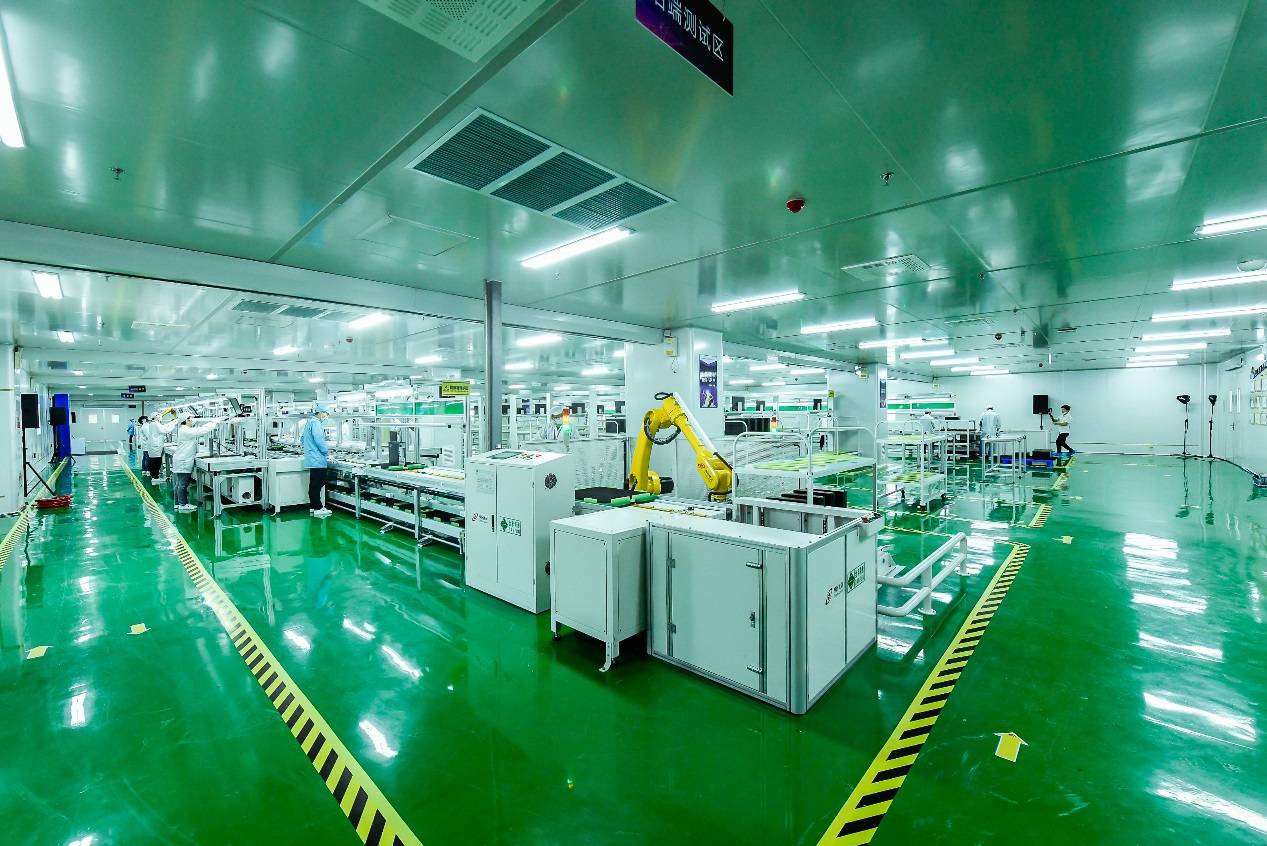
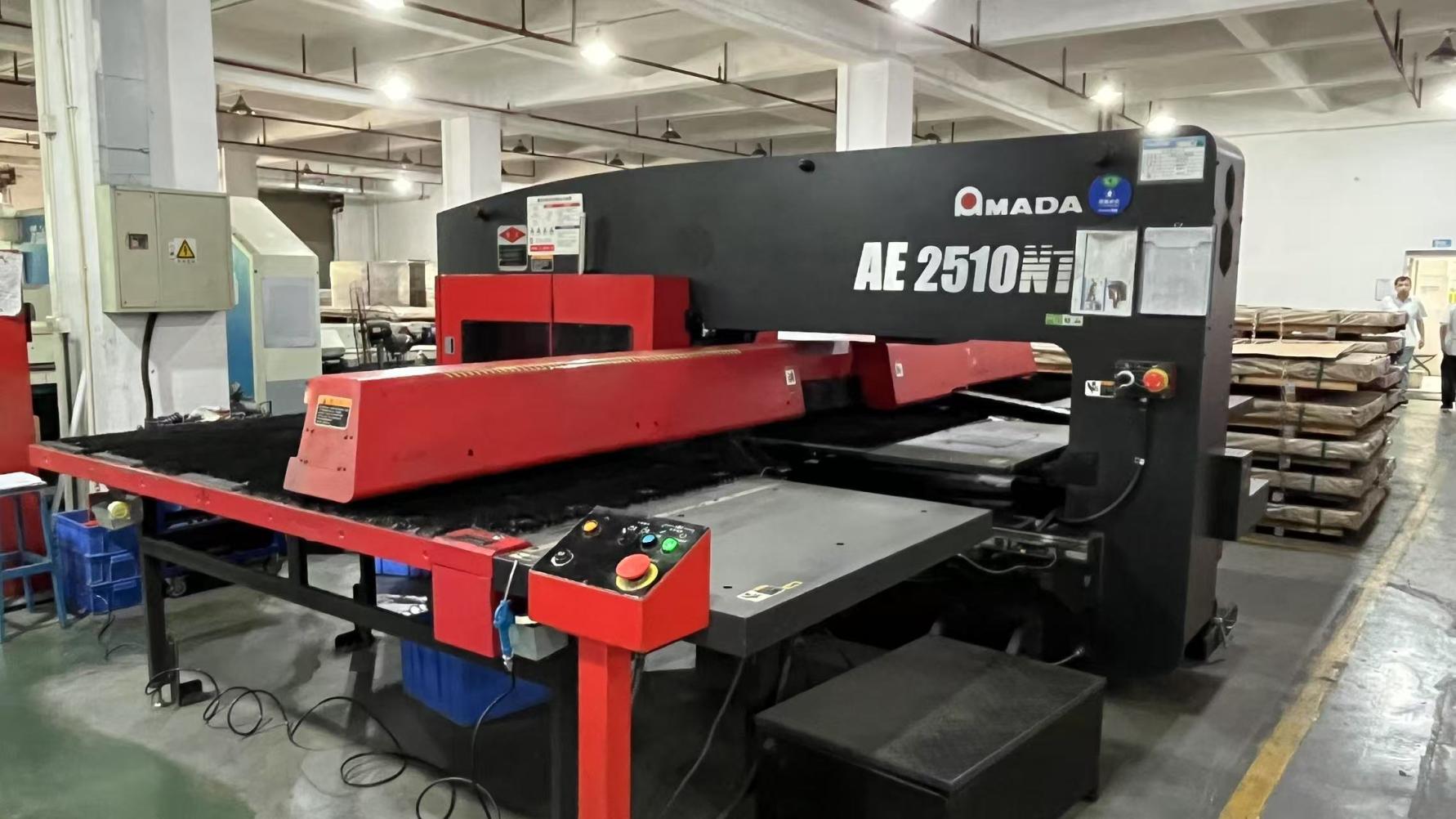
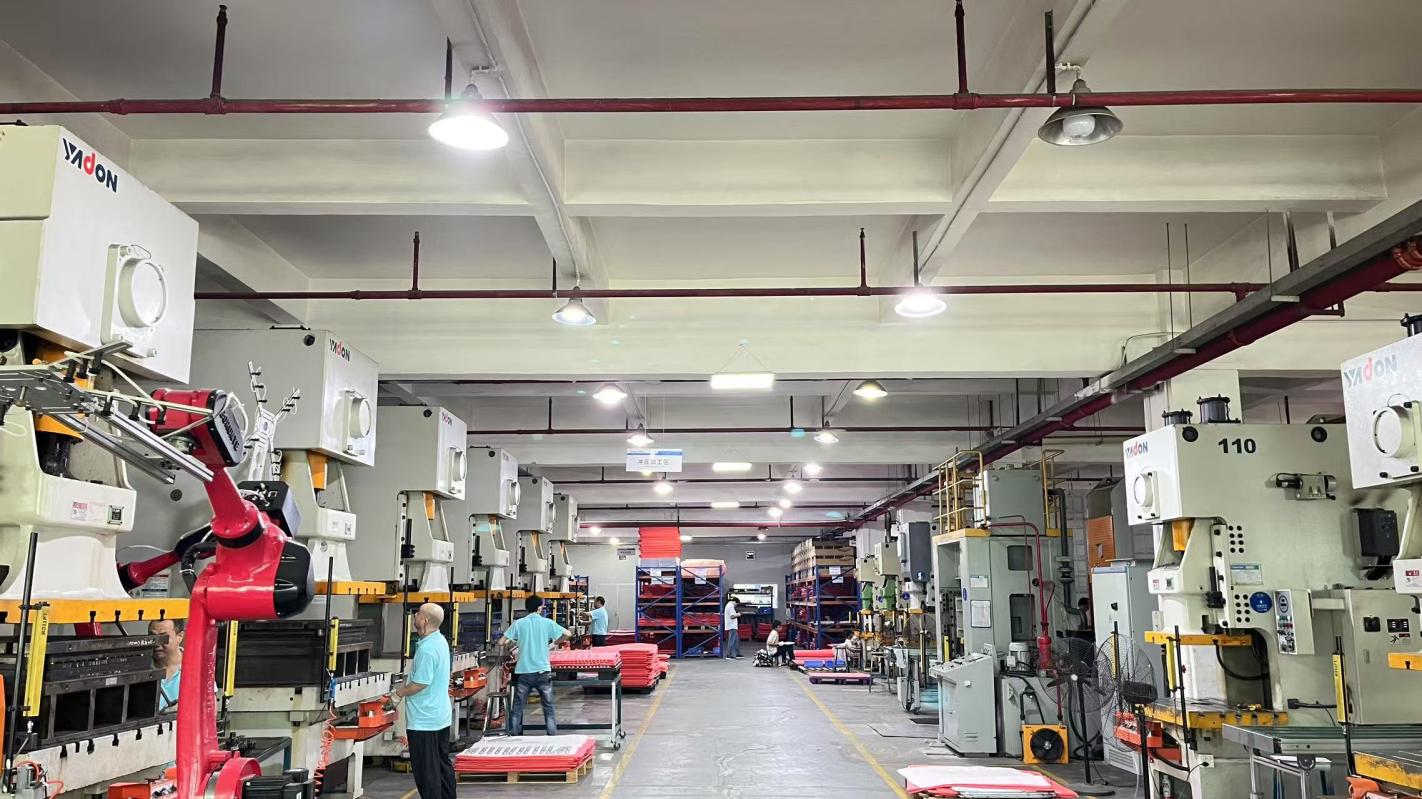
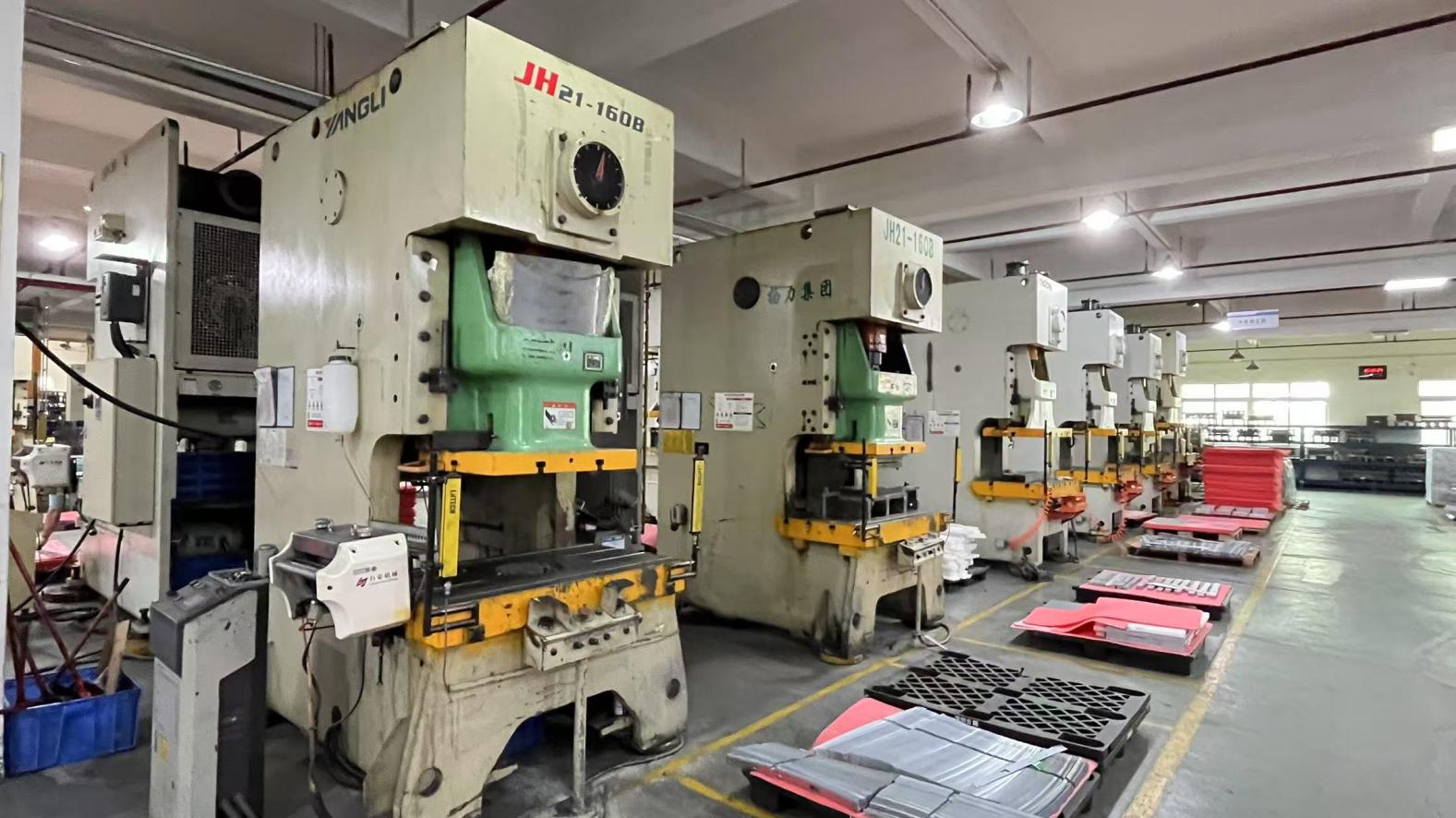
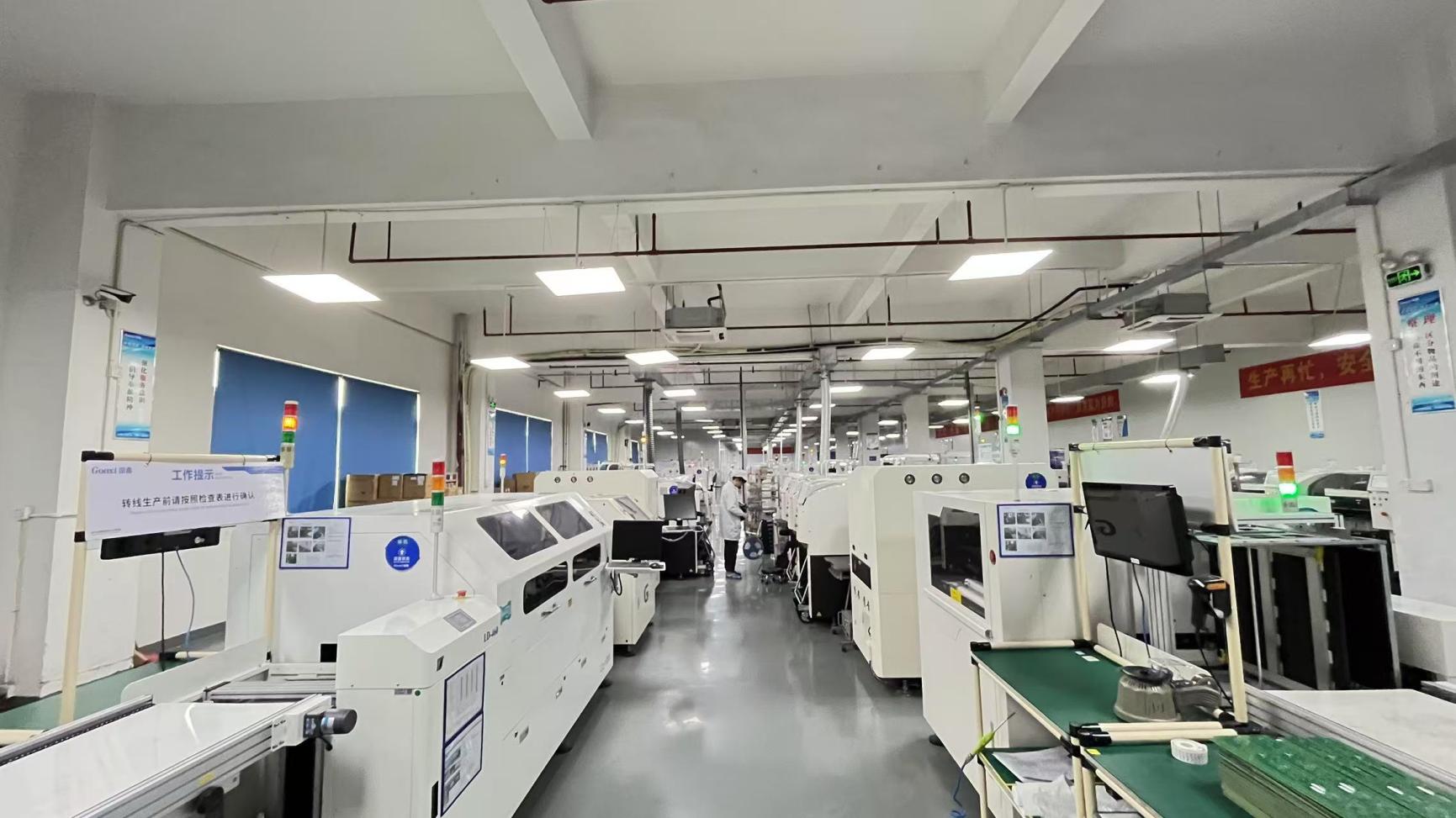
Located in the tech hub of Shenzhen, China, Veltrixa operates a modern production facility covering 386 m², equipped with advanced assembly, testing, and quality control systems. With a strong focus on innovation and customer satisfaction, we provide flexible OEM and ODM services tailored to diverse computing requirements.
Quality is at the core of everything we do. Veltrixa implements a comprehensive quality management system to ensure every product meets international standards and customer expectations. Our Quality Control program features 100% Pre-Shipment Inspection, conducted by a team of 46 dedicated QC professionals.
Our memory and platform validation methods include:
Veltrixa continuously invests in technology innovation and product development to stay ahead in the rapidly evolving AI computing industry. Our team of 86 R&D Engineers is capable of handling complex independent hardware designs, custom firmware adaptation, and electrical trace optimization.
With 124 new products released last year, we offer highly versatile customizations: Full OEM, ODM, Private Label, Hardware Configuration Customization, and Rack-Level Integration.
Strategies for supply chain continuity, Total Cost of Ownership (TCO) optimization, and hardware compatibility validation.
Procuring enterprise hardware on a global scale demands strict coordination between performance requirements, budget restrictions, and supply chain timelines. Enterprise IT procurement executives must balance raw hardware cost against long-term reliability and operational expenses. In server deployments, memory failures account for up to 40% of all hardware-related system crashes. Consequently, selecting modules validated to survive thermal and electrical variations is paramount to safeguarding uptime.
When partnering with an OEM memory factory, international buyers benefit from directly customizable SKU specifications. Instead of adopting generic configurations, buyers can request specialized features such as industrial-grade thermal pads, custom thick gold-finger platings to resist oxidation in humid environments, and optimized latency timings. This degree of personalization ensures that memory modules perform exactly to system specifications, enhancing system longevity and yielding a lower overall Total Cost of Ownership.
"Procurement Insight:" By working with a manufacturer that leverages a network of 1,280+ supply chain partners, enterprise clients mitigate chip shortages and component volatility. A diversified sourcing model ensures a stable supply of original DRAM chips from premium tier-one silicon providers, keeping production on schedule even during industry-wide shortages.
By customizing memory architectures to match the exact workload, companies avoid over-provisioning cost while minimizing energy-related operating costs.
Working directly with the OEM exporter eliminates distributor markups and ensures transparent component traceability back to original DRAM silicon runs.
Strategically structured supply-chain reserves protect custom manufacturing projects from sudden market-price fluctuations and component allocation freezes.
Unlocking extreme performance profiles for DeepSeek AI, large-scale deep learning models, and HPC computing clusters.
As massive neural networks like LLMs and custom deep learning pipelines evolve, memory bandwidth has become the primary factor limiting model performance. AI GPU servers rely on complex combinations of high-bandwidth memory (HBM) and host system DDR5 RDIMMs to orchestrate training parameters, host dataset sharding, and manage context window limits.
During deep learning training routines, the host server memory serves as the staging area for massive training batches before they are offloaded to GPU memory. If system memory throughput is bottlenecked by sub-optimal trace design or insufficient speed ratings, the GPUs sit idle, wasting valuable computing cycles. By deploying customized 4800MT/s to 6400MT/s high-density RDIMM configurations, datacenters maintain balanced pipeline utilization, maximizing the ROI of their high-value GPU investments.
The server memory architecture is advancing rapidly. The roadmap for enterprise memory includes critical milestones:
Certifications, international trade compliance, and dedicated engineering assistance for global deployments.
Exporting high-performance computing hardware to North America, Western Europe, Southeast Asia, and Australia requires strict adherence to international trade guidelines, safety certifications, and hazardous substance controls. Standard enterprise components must clear rigorous regulatory hurdles to be integrated into institutional, public sector, and large enterprise environments.
All custom OEM products undergo complete compliance verification:
Full alignment with CE, FCC, RoHS, and WEEE directives, ensuring all materials conform to environmental and electrical safety requirements.
Every batch features tracked component manifests, ensuring absolute authenticity of materials and preventing gray-market silicon infiltration.
Engineering assistance, dynamic RMAs, and compatibility validation setups are handled remotely or via localized partner depots to keep downtime to zero.
Essential answers to critical engineering, manufacturing, and procurement inquiries from industry specialists.
On-die ECC is a built-in feature of DDR5 DRAM chips that detects and corrects errors inside the silicon die itself before data is transmitted. Sideband ECC is the traditional system-level protection that adds a dedicated extra data channel (e.g., 8-bit ECC width in a 72-bit/40-bit subchannel) to allow the server's memory controller to detect and correct single-bit or multi-bit errors during transmission across the memory bus.
Our R&D team writes custom SPD firmware for every memory SKU to match the specific BIOS/UEFI training algorithms of enterprise motherboards (e.g., Dell PowerEdge, HPE ProLiant, xFusion). We pre-validate each memory run across a wide array of platform configurations to guarantee seamless plug-and-play installation and prevent boot loops or memory training failures.
We subject modules to extensive functional diagnostic runs, burn-in testing in environmental chambers (operating up to 70°C for hours to eliminate weak silicon), signal integrity tests using high-frequency oscilloscopes, and thermal footprint validation. Only modules completing 100% of these validation gates are approved for packaging and export.
Direct sourcing bypasses typical multi-tiered agent and distributor channels, cutting costs by 15-30%. It also gives enterprise clients direct contact with the manufacturer's engineering team, allowing for rapid customization of PCB designs, thermal components, and customized SPD timings, with full visibility over the supply chain.
Typical custom PCB modifications or specific SPD profile development projects require 2 to 4 weeks from technical sign-off to prototype validation. Mass production runs generally range from 15 to 25 business days, depending on components sourcing availability and total order volume.
Enterprise and high-performance server options engineered for high-availability cloud storage, network edge tasks, and databases.