Veltrixa
Veltrixa
Veltrixa
An in-depth analysis of the systemic shift from general CPU architectures to highly customized, high-density AI accelerators designed for deep learning, LLM training, and real-time inference.
The global enterprise computing landscape is undergoing a monumental paradigm shift. As transformer-based large language models (LLMs) like Llama-3, GPT-4, and open-source networks like DeepSeek R1 proliferate, traditional data centers are facing unprecedented computational workloads. General-purpose servers are no longer sufficient to process the sheer volume of parameters and massive token pipelines required for deep learning. This has created a critical demand for bespoke OEM/ODM AI GPU solutions that maximize FLOPs per rack unit, address complex thermal thresholds, and integrate high-speed interconnects.
Modern AI architectures require massive parallel processing capability. To satisfy this requirement, system builders must implement advanced topologies involving OCP Accelerator Modules (OAM), SXM5 sockets, and high-bandwidth PCIe Gen5 connectivity. The physical bottleneck is no longer just the logic on silicon, but the physical interconnectivity—such as NVLink or Infinity Fabric—and the ability to deliver scalable power distribution. Enterprises require systems that can scale seamlessly from standalone hybrid servers to enterprise-grade AI clusters without facing processing throttles.
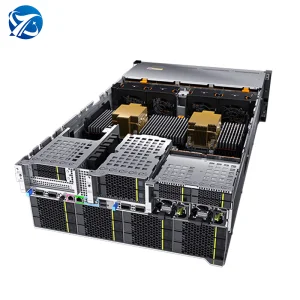
Leveraging ultra-dense architectures, such as 1U/2U formats configured with up to 10 dual-width accelerator boards. This enables maximum utilization of physical space and lower operational expenditures.
Deploying high-speed serial computer expansion bus standards with bandwidth exceeding 128 GB/s to eradicate standard I/O bottlenecks and scale distributed computing operations.
Direct-to-chip cold plate technologies and secondary cooling loops (CDUs) configured to manage hardware thermal design power (TDP) exceeding 700W per accelerator.
In addition to hardware scaling, thermal management has emerged as the defining engineering constraint. High-density GPU configurations generate vast amounts of localized heat, driving data centers toward hybrid or fully liquid-cooled designs. Integrating cooling manifolds directly onto hot spots (CPUs, GPUs, and high-bandwidth memory) prevents thermal throttling, improves overall power usage effectiveness (PUE), and extends the operational lifespan of the silicon. As organizations globally aim to build sustainable infrastructures, liquid cooling has evolved from an optional configuration to an architectural necessity.
Procuring enterprise-grade computational engines is no longer a simple transactional purchase. Procurement departments, CTOs, and systems engineers must evaluate dynamic factors including:
Off-the-shelf catalog products often fall short of meeting the rigorous operational constraints of modern cloud infrastructure. Custom server dimensions, specialized PCIe riser slot configurations, redundant PSU capacities (up to 3000W+ per unit), and customized rack integration are essential for maximizing server room density.
System integrators look for specialized manufacturing partners capable of delivering tailored bare-metal chassis configurations, private-label branding, customized cabling options, and specific thermal profiles to ensure integration with existing cooling designs.
How modern production ecosystems in southern China utilize vertical industrial integration to provide rapid development cycles and cost-efficiencies for AI hardware.
Shenzhen's computational manufacturing sector represents the global baseline for hardware development speed. In an era where silicon availability fluctuates and timelines are compressed, the close integration of electronic manufacturers, sheet metal fabricators, PCB assembly houses, and logistics networks provides an unmatched structural advantage. This localized ecosystem reduces prototype cycles from months to days, allowing developers to quickly move from initial design to active production.
By implementing Factory 4.0 methodologies, modern production lines employ computerized tooling, automated optical inspection (AOI), and simulated stress profiling to ensure consistent output quality. This operational efficiency is not simply about cost-reduction, but about supply chain resilience: the ability to secure alternative components, adapt designs to dynamic chip layouts, and maintain delivery schedules despite global component constraints.
Furthermore, reliability is guaranteed through strict compliance and testing protocols. Before shipment, servers undergo extensive burn-in testing, thermal cycling, and high-frequency signal analysis to ensure signal integrity across PCIe paths. This engineering focus ensures that delivered server racks are ready for deployment without requiring onsite modification.
Leading the development and manufacturing of customized high-performance computing platforms and AI GPU servers.
Established in 2017, Shenzhen Veltrixa Intelligent Computing Co., Ltd. is a leading manufacturer and solution provider specializing in AI GPU servers, high-performance computing (HPC) platforms, edge AI systems, and customized data center infrastructure. The company is committed to delivering reliable, scalable, and high-efficiency computing solutions for enterprises, cloud service providers, AI startups, research institutions, and system integrators worldwide.
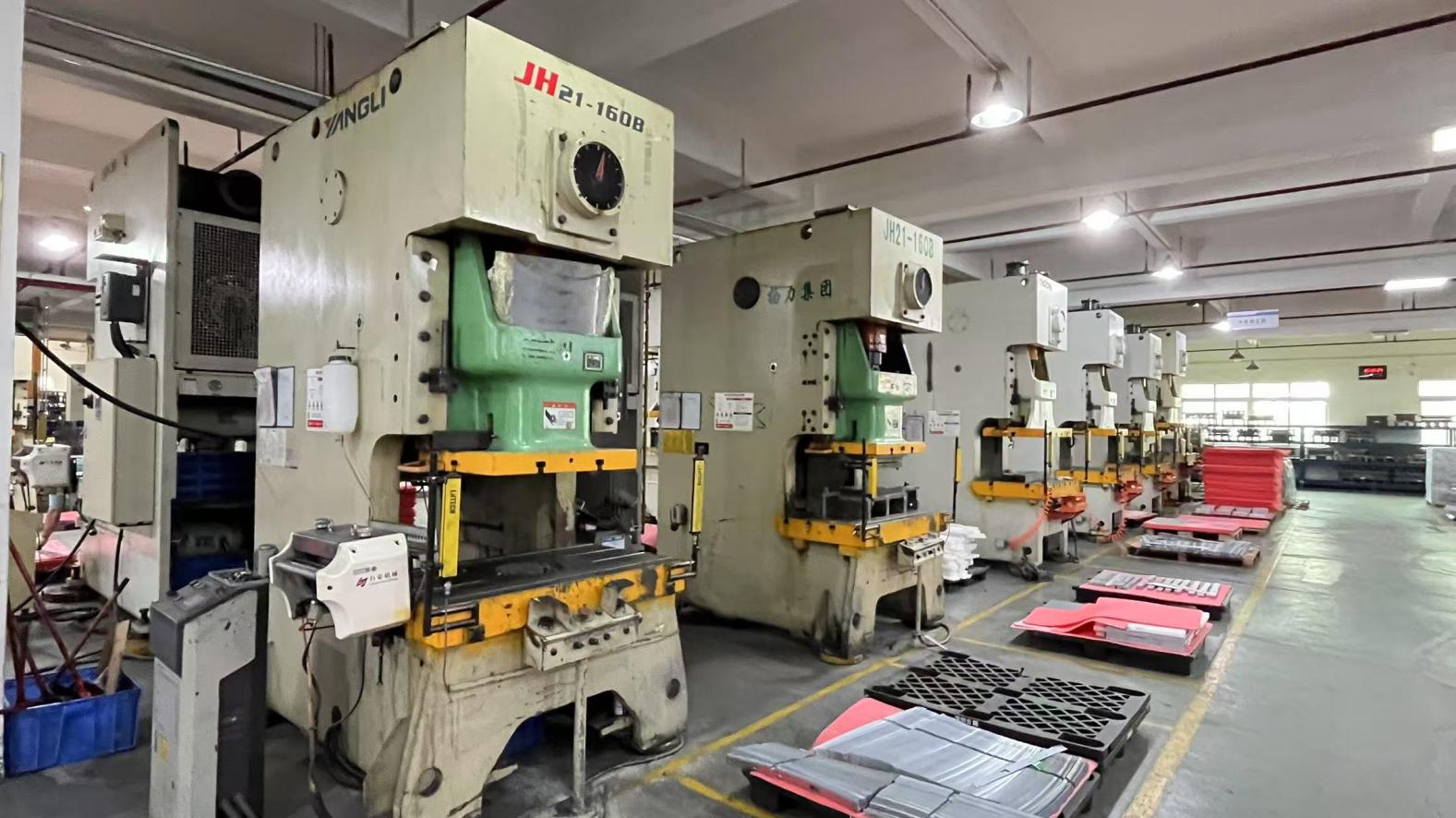
Located in Shenzhen, China, Veltrixa operates a modern production facility covering 386 m², equipped with advanced assembly, testing, and quality control systems. With a strong focus on innovation and customer satisfaction, we provide flexible OEM and ODM services tailored to diverse computing requirements.
Our quality management system ensures every system meets international performance and safety standards. Testing methodologies include:
With 86 R&D engineers, Veltrixa delivers custom designs from PCB layout to mechanical integration:




Optimizing custom GPU solutions for complex commercial environments, edge processing nodes, and global cloud architectures.
Computing architecture requirements vary widely based on application scenarios. A system configured for LLM training in an enterprise data center requires different design parameters than an edge server processing sensor feeds in a Smart City initiative. Recognizing these differences is key to optimizing performance and total cost of ownership (TCO).
High-concurrency token processing requires robust memory bandwidth. Deploying clusters configured with deep pipeline processing architectures allows businesses to implement private LLMs securely behind enterprise firewalls, ensuring data isolation and minimal query latency.
Processing multiple video feeds at the edge requires low latency, efficient hardware transcoding, and dust-resistant chassis designs. Custom shallow-depth 1U or 2U server options allow mounting in outdoor environments and roadside utility enclosures.
Trading strategies rely on ultra-low latency. Optimizing server motherboards with direct PCIe lanes to high-speed networking cards reduces processing delays, enabling faster transaction executions.
Running molecular modeling, climate simulations, and physics projections requires high FP64 precision. Dual-socket EPYC or Xeon processors paired with specialized compute accelerators deliver the high-performance computing capabilities needed by research universities.
Addressing the technical, operational, and thermal questions of infrastructure buyers and system architects.