Veltrixa
Veltrixa
Veltrixa
The global compute infrastructure market is undergoing a structural paradigm shift driven by the exponential growth of artificial intelligence, high-performance computing (HPC), and localized edge architectures. Hyperscale operators and enterprise data centers are rapidly transitioning from legacy general-purpose x86 compute instances to heterogeneous, acceleration-dominant server topologies. This change is dictated by the compute requirements of modern large language models (LLMs) and advanced data warehousing workloads.
As standard workloads morph into highly parallelized neural network pipelines, physical space within standard 19-inch racks has become premium real estate. Standard equipment configurations are no longer sufficient to sustain the power, thermal, and bandwidth requirements of modern deployments. Consequently, the commercial demand for customized OEM/ODM data center equipment manufacturers has grown substantially.
Today’s industrial standard demands dynamic hardware adaptations. From custom chassis layouts supporting high-performance PCIe Gen 5 configurations to liquid-to-air cold-plate integrations, off-the-shelf catalog models often fall short. Modern equipment manufacturers must provide vertical hardware engineering services that encompass board layout customization, BMC firmware customization, and localized rack-level thermal verification.
GPU, TPU, and custom ASIC arrays now represent the majority of capital expenditures for greenfield data centers. Integrating high-TDP cards requires proprietary chassis design and custom power busbars.
Relying on single-source Tier-1 proprietary server vendors poses commercial delivery risks. ODM and OEM integration bridges the gap by optimizing hardware bills of materials (BOM) with multi-sourced enterprise components.
Deploying dense processing infrastructure requires balancing computational throughput, electrical supply stability, and heat dissipation. The core challenges of next-generation system architectures lie in the physical limitations of electrical transport and heat transfer interfaces. As silicon processors scale to power limits above 700 watts per package, traditional air-cooling designs face operational limitations, prompting the adoption of liquid-based heat exchange technologies.
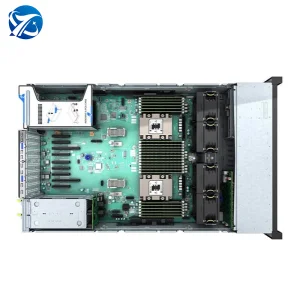
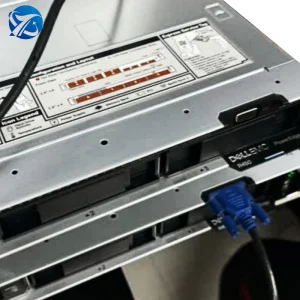
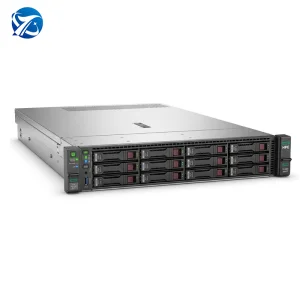
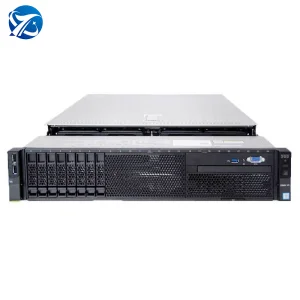
Optimizing vertical space is critical for maximizing compute density. Modern 1U and 2U configurations utilize optimized structural chassis to accommodate multi-socket layouts and high-speed PCIe lanes, ensuring dense server deployment without compromising reliability.
To support high-power accelerators, modern equipment designs utilize hybrid cooling solutions. Integrating customized direct-to-chip (D2C) liquid cold plates alongside traditional airflow channels enables efficient heat dissipation, helping maintain target Power Usage Effectiveness (PUE).
Increasing data rates require strict adherence to high-speed signal integrity metrics. Custom ODM baseboards utilize low-loss dielectric substrate materials and optimized trace routing to prevent signal attenuation over high-bandwidth channels.
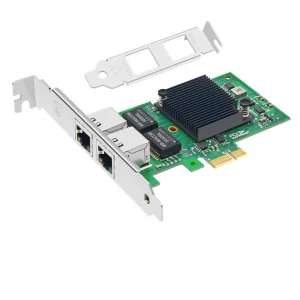
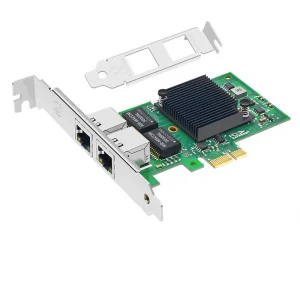
Building reliable compute clusters requires close integration between system components. Storage technologies must keep pace with high-bandwidth network adapters. Advanced systems employ fast NVMe protocols and PCIe Gen 5 interfaces to minimize latency, utilizing components like the XC470C-M-8i and XC170-M-8i host bus adapters to support consistent data flow throughout the cluster.
Established in 2017, Shenzhen Veltrixa Intelligent Computing Co., Ltd. serves as an OEM/ODM manufacturer specializing in AI GPU servers, high-performance computing (HPC) nodes, and customized data center hardware solutions. Based in Shenzhen, China, Veltrixa operates a modern production facility equipped with advanced assembly, diagnostic, and testing lines.
With an engineering team of 86 R&D professionals, Veltrixa manages the entire hardware lifecycle—from initial board-level electrical layout design and mechanical chassis modeling to firmware customization and production testing. This allows system integrators and hyperscalers to deploy hardware tailored to their specific applications.
Veltrixa offers customized hardware solutions, private label branding, and rack-level integration. By working directly with component vendors and system integrators, Veltrixa provides predictable manufacturing cycles that support fast deployment timelines.
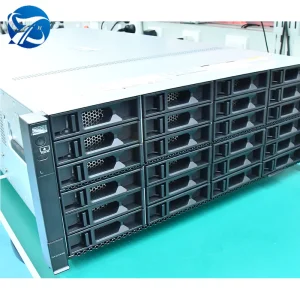
Every custom server undergoes testing and inspection at our facility prior to global distribution. Below are views of Veltrixa's diagnostic labs and integration floor.
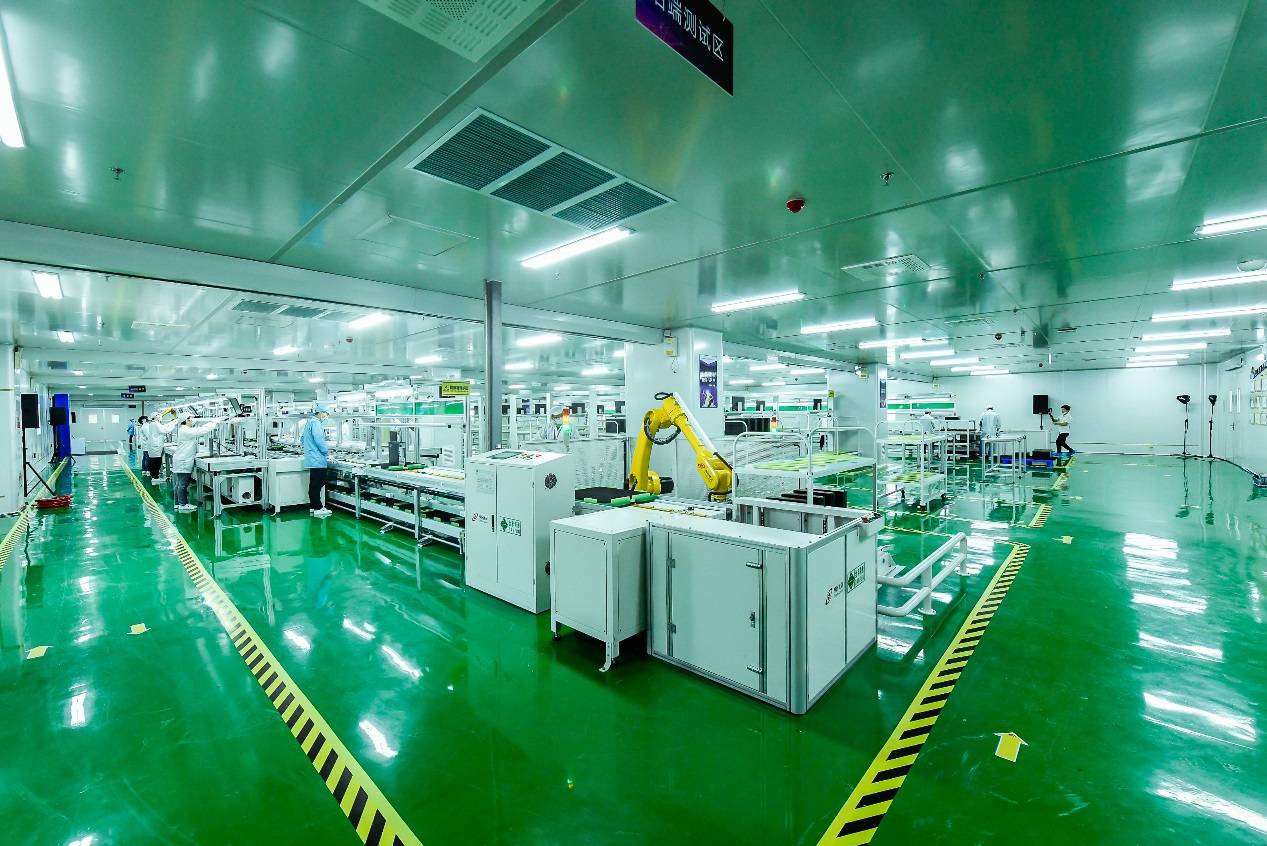
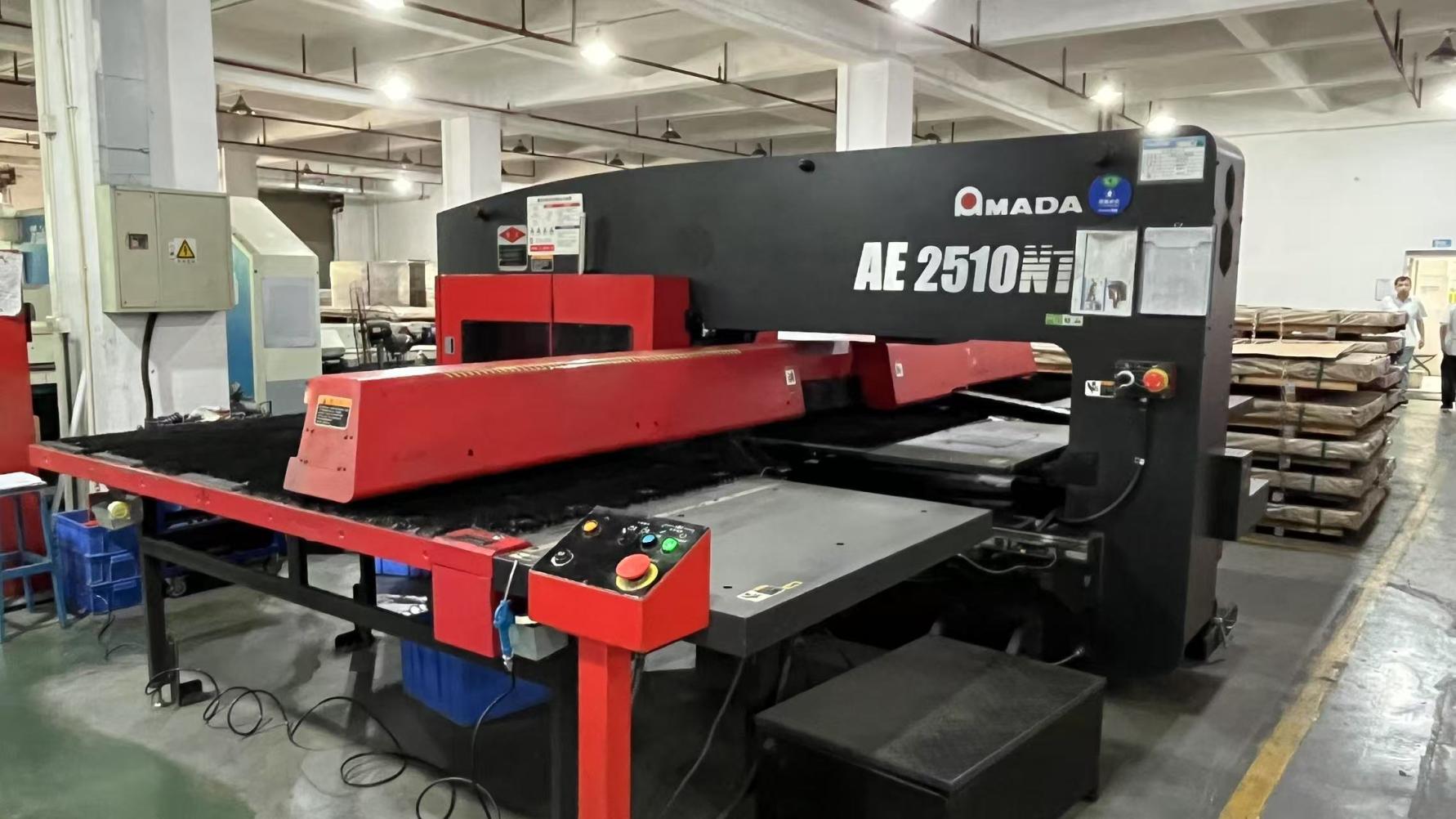
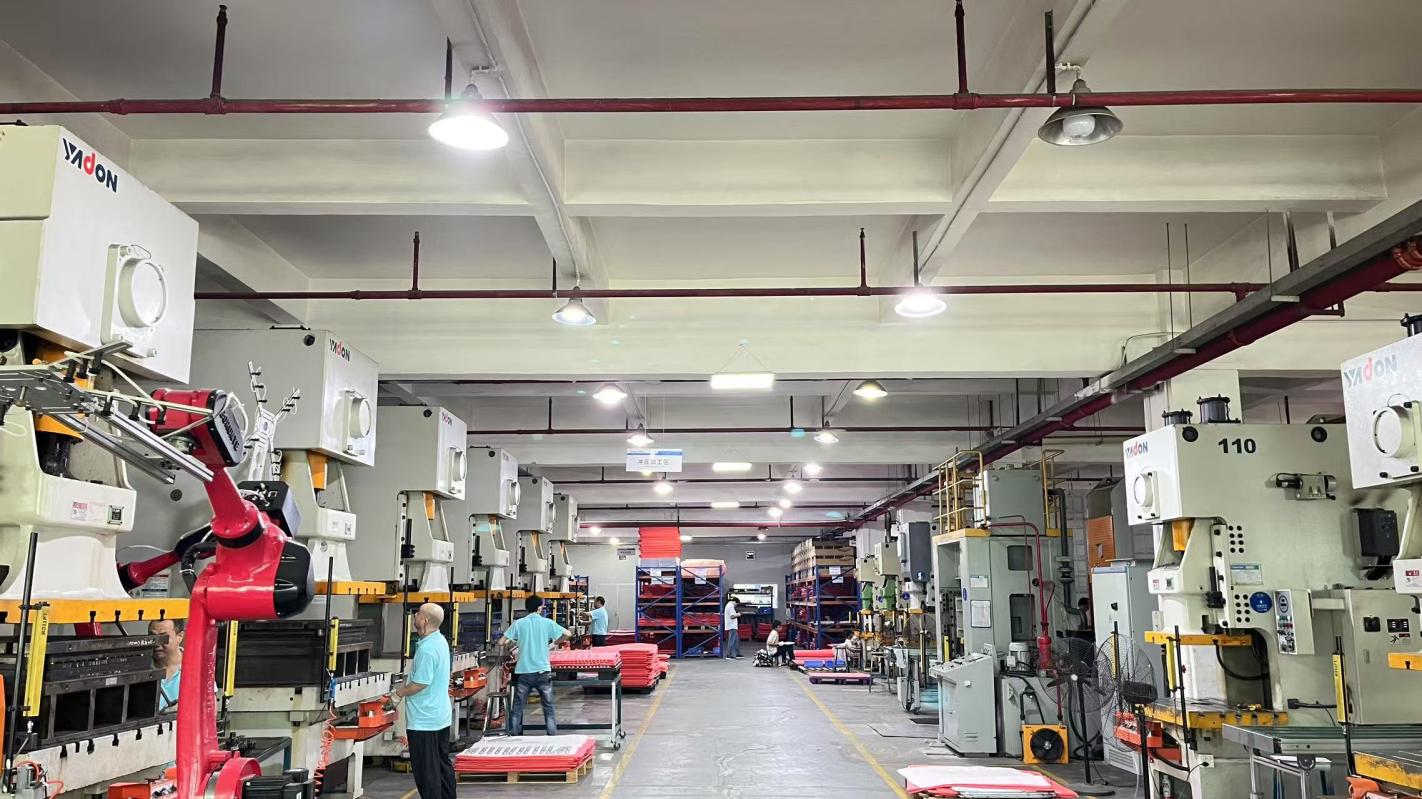
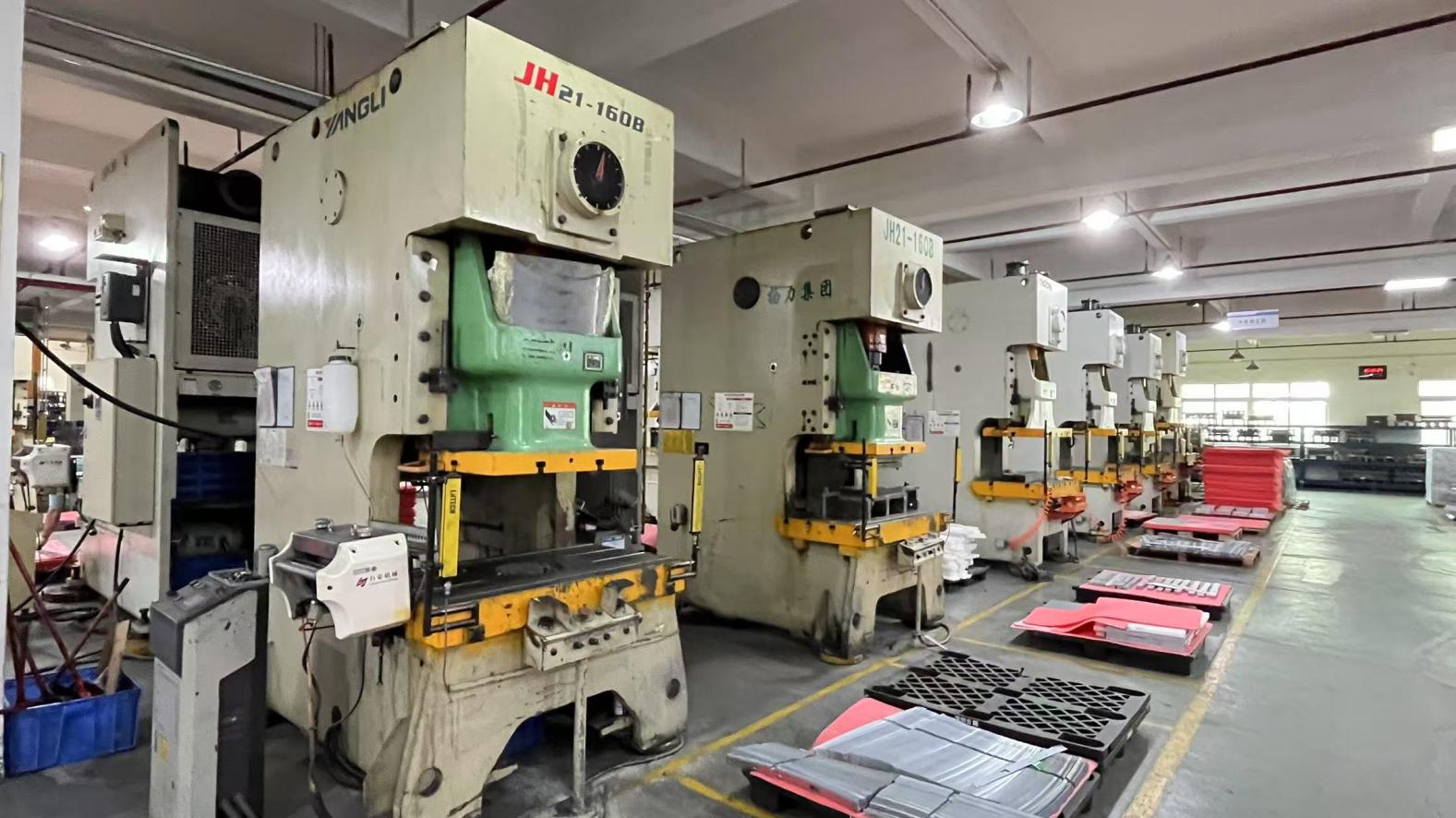
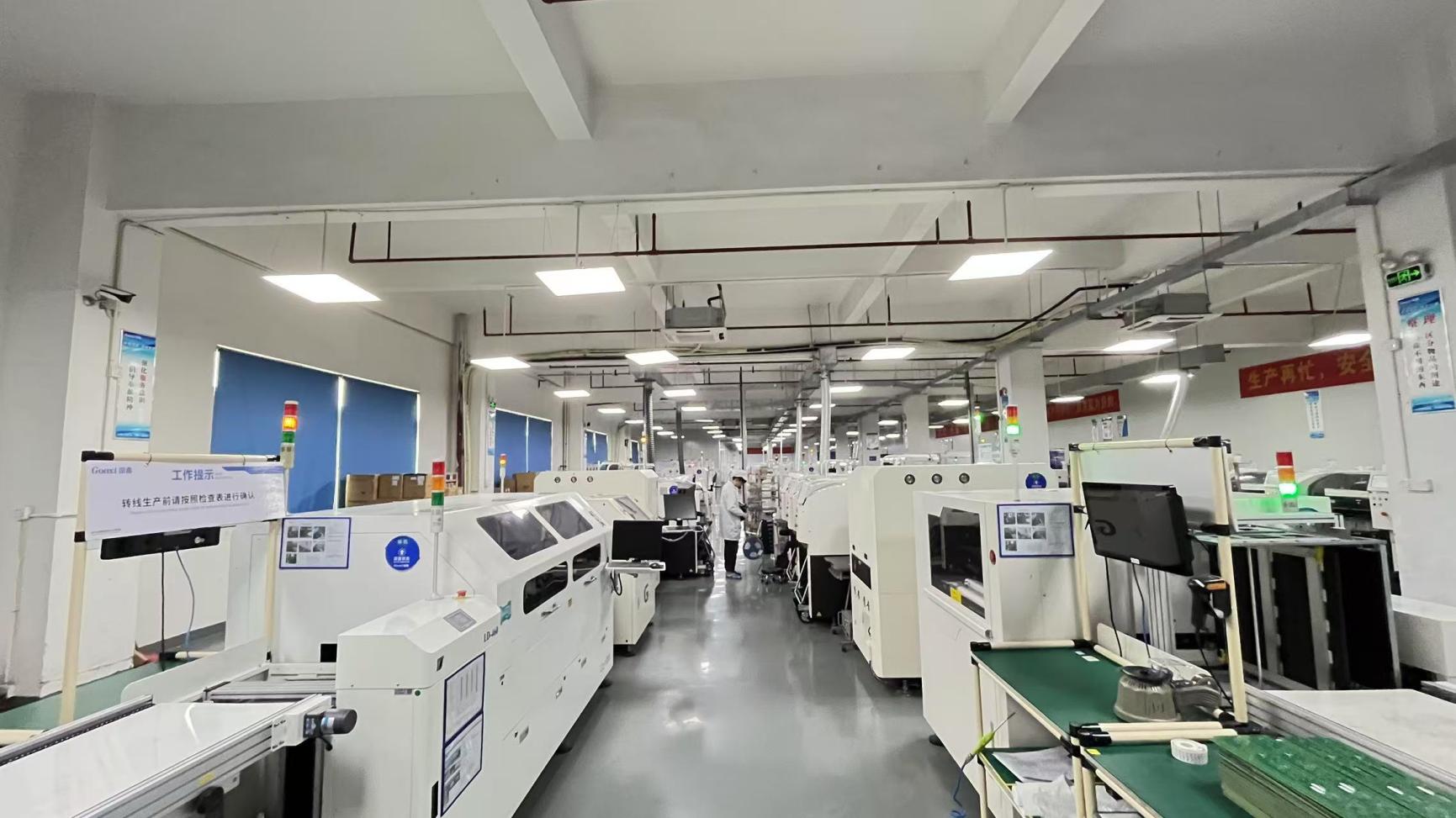
Data center hardware reliability directly impacts software uptime. Veltrixa employs a comprehensive testing process managed by 46 QA professionals to verify that every server meets strict operating specifications. Custom platforms undergo thermal and signal testing before delivery to help prevent issues in the field.
Systems are subjected to extended burn-in testing under heavy compute loads to verify component reliability, monitoring voltage, temperature, and current behavior.
BIOS and BMC profiles are checked for IPMI compliance, power management, and remote logging, helping ensure compatibility with orchestrators like Kubernetes.
Hardware is verified with enterprise operating systems, hypervisors, and AI software frameworks to ensure stable driver and hardware interaction.
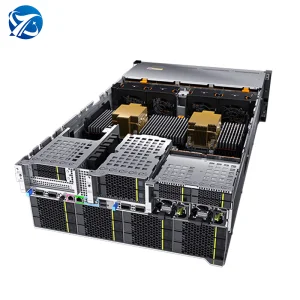
Custom server designs are optimized for specific modern workloads. In AI Cloud Service Environments, high-density GPU platforms like the G5500 V7 provide parallel computing power for deep learning models. These designs utilize short-depth layouts and optimized power grids to maximize computing density per square foot.
For Edge Computing nodes, Veltrixa manufactures systems with dust-resistant chassis and wide temperature ranges. These units provide localized processing for manufacturing, remote infrastructure, and municipal networks, helping resolve latency issues associated with distant cloud connections.
In High-Performance Computing (HPC) research environments, compute density and energy efficiency are key. High-density servers, including 1U models like the DL360 Gen11, use liquid-cooled heat exchangers to handle high-power processors, allowing data centers to manage thermal loads efficiently.
OEM (Original Equipment Manufacturing) involves manufacturing servers based on pre-engineered architectures provided by Veltrixa, with options to customize components like memory, storage, and networking, as well as apply custom branding. ODM (Original Design Manufacturing) covers custom product design, where Veltrixa's engineering team designs custom boards, backplanes, and cooling solutions based on the customer's functional requirements.
Our QA team runs a series of validation tests on all server configurations, including 48-to-72-hour burn-in cycles at high operating temperatures, power cycle tests, diagnostic diagnostics on memory and PCIe channels, and OS installations (RHEL, Ubuntu, VMware ESXi, Windows Server).
Yes. All customized server systems are built to standard EIA-310 specifications, ensuring compatibility with standard 19-inch racks. We design customized outer chassis profiles, mounting brackets, and slide rail assemblies to match various server cabinet depths and configurations.
Standard ODM projects typically proceed from functional specification approval to initial prototype within 4 to 6 weeks. This timeline includes CAD modeling, layout simulation, custom metal prototyping, and basic BIOS functional validation.