Veltrixa
Veltrixa
Veltrixa
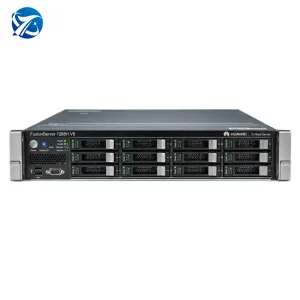
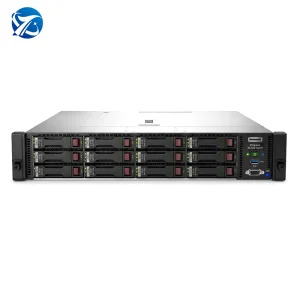
Explore our specialized range of high-performance compute nodes optimized for data centers, machine learning clusters, and intelligent monitoring environments.

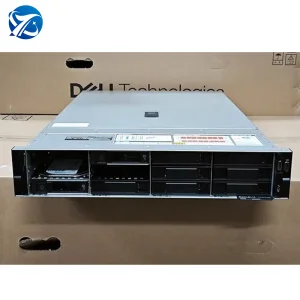

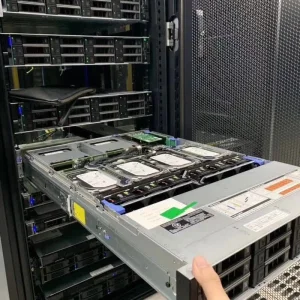
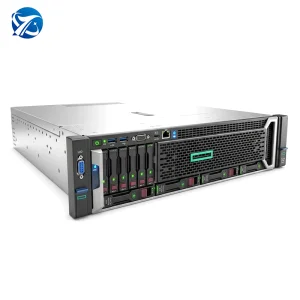
Understanding the transition to intelligent, autonomous data center operation frameworks and out-of-band management strategies.
In today's hyper-scale computing environments, remote monitoring is no longer a luxury—it is the operational baseline for data center survivability. As enterprises integrate complex AI workloads, liquid-cooled infrastructure, and multi-GPU server architectures, monitoring thermal metrics, hardware integrity, and resource allocation becomes critical. Baseboard Management Controllers (BMCs) utilizing standard IPMI 2.0 and modern Redfish APIs form the technological bridge that enables system administrators to manage remote infrastructure securely, execute out-of-band (OOB) recoveries, and predict hardware degradation before it leads to catastrophic system downtime.
Whether monitoring remote GPU instances running deep learning algorithms like DeepSeek R1, or safeguarding bare-metal enterprise servers in decentralized branch locations, high-availability monitoring hardware must function independently of the host processor. Custom OEM/ODM designs enable developers to integrate proprietary microcode, enhanced cryptographic protocols, and localized thermal logic that perfectly fit targeted operational profiles.
Analyzing the paradigm shift toward AI-assisted server management, liquid cooling instrumentation, and proactive maintenance models.
Moving from reactive alarm systems to machine learning models that analyze continuous streams of system telemetry (e.g., voltage spikes, micro-vibrations, thermal creep) to isolate and signal components approaching MTBF (Mean Time Between Failures) limits.
The explosive adoption of high-density GPU computing requires advanced dynamic liquid loop oversight. Custom motherboard designs incorporate integrated flow meters, humidity sensors, condensation probes, and automatic non-conductive fluid shutoff configurations.
Traditional BMC firmware was vulnerable to localized exploit vectors. Today's OEM/ODM architectures implement cryptographically validated boot loops, cryptographic key enforcement, and hardware root of trust implementations utilizing dedicated security coprocessors.
A global leader in custom AI computing server design, manufacturing, and high-performance remote system implementations since 2017.
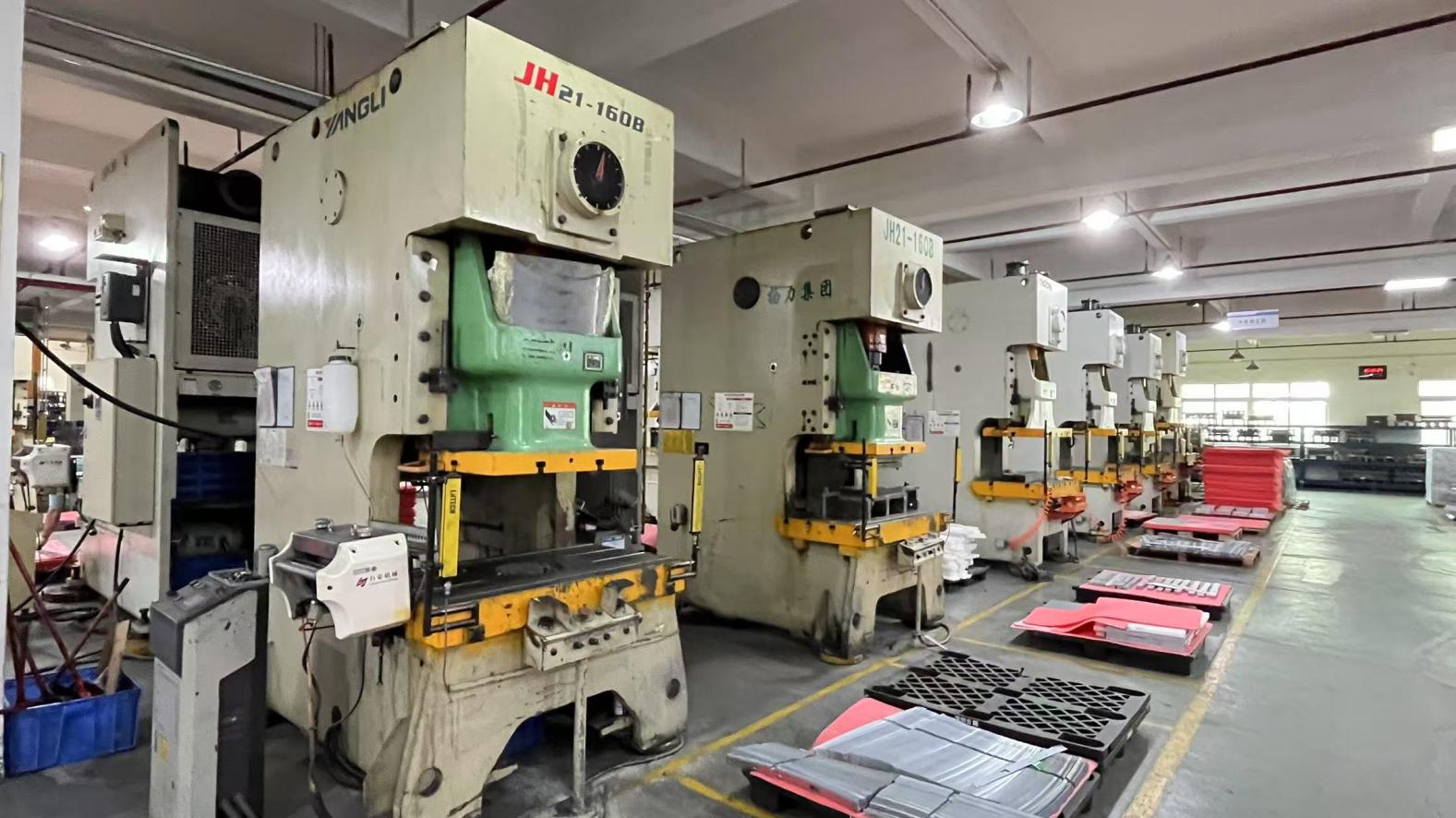
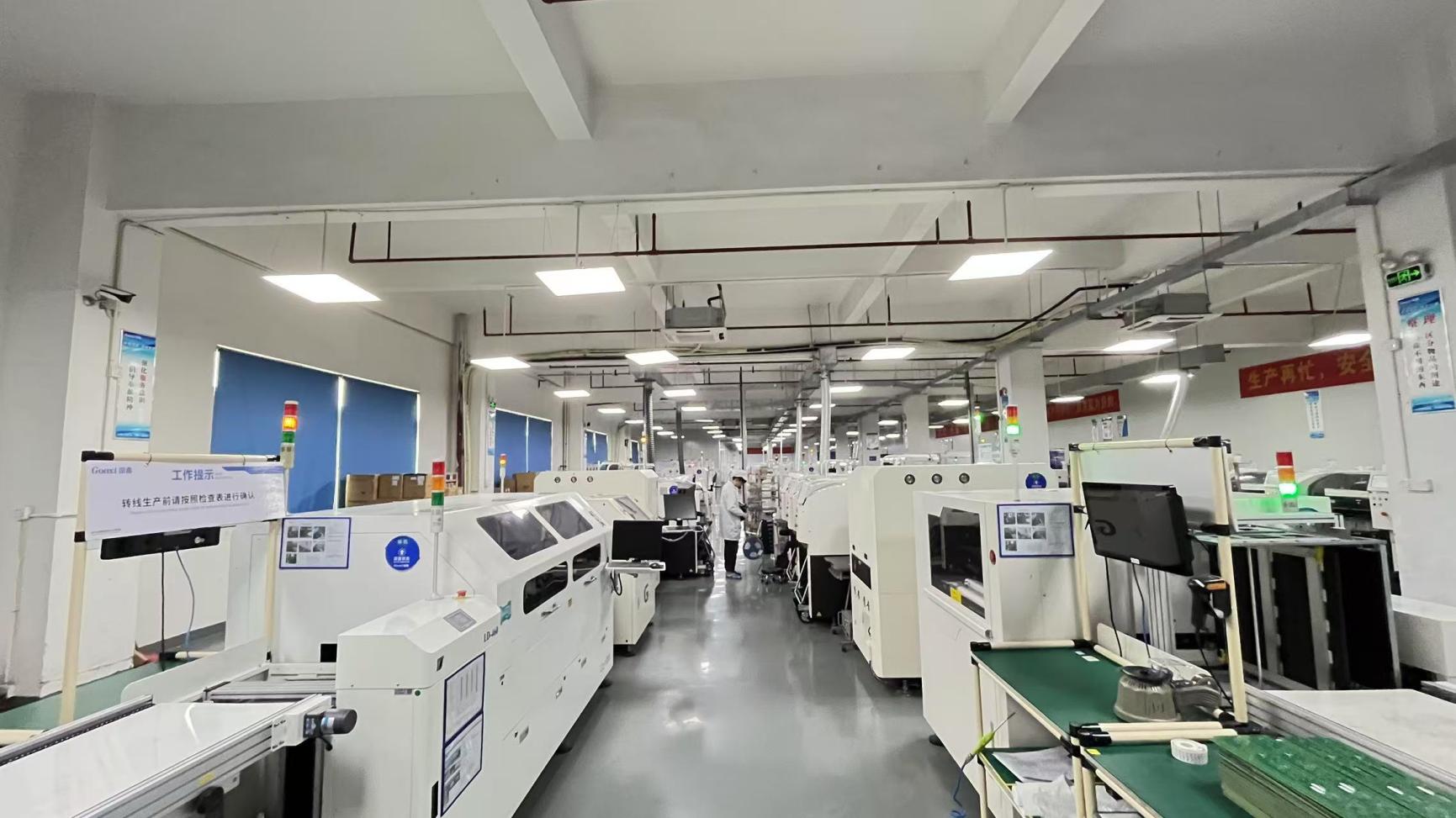
Veltrixa stands at the intersection of robust raw compute architectures and next-generation systems management. Strategically operating out of Shenzhen, the hardware epicentre of the globe, Veltrixa maintains a state-of-the-art facility equipped with precision assembly stations, thermal testing tunnels, and automatic diagnostic environments.
Our dedication to quality is manifested through a rigorous QA process. Every server chassis, network server node, and custom expansion board undergoes a 100% pre-shipment inspection. Our 46 certified quality assurance engineers supervise extensive burn-in regimens, performance profiling, and strict validation of system monitoring capabilities across complex operating systems and enterprise hypervisors.
With a massive R&D engineering task force of 86 specialists, Veltrixa continuously pushes the bounds of system design, rolling out 124 newly designed products annually. From liquid-cooling integration architectures to full custom baseboard logic (OEM/ODM), our engineering group ensures compatibility with key telemetry platforms, security protocols, and advanced deep learning infrastructures.
A reference architecture mapping out key specifications of our OEM/ODM custom remote monitoring controller solutions.
| Monitoring Metric / Feature | Hardware Implementation Specification | Software Protocols & Standard Interfaces | Target Applications |
|---|---|---|---|
| Direct CPU/GPU Telemetry | Dedicated I2C, SMBus, and PCIe-based hardware registers. Direct connection to onboard GPU power sensors. | IPMI v2.0, Redfish API, JSON representation over SSL/TLS. | AI GPU Servers, Deep learning nodes (e.g., DeepSeek R1 workloads). |
| Thermal & Coolant Management | Support for 8+ external temperature probes, liquid flow rate sensors, leak detection pins. | SNMP v3, gRPC telemetry streams, custom REST interface. | Liquid Cooling Systems, high-density server cabinets. |
| Power Telemetry & Capping | PMBus v1.3 compliant power supply monitors, dynamic power rail controllers. | DCMI (Data Center Manageability Interface) v1.5, Redfish Power Schema. | Hyperscale cloud data centers, edge compute nodes. |
| Secure Cryptographic Boot | TPM 2.0 module, Silicon Root of Trust chip, dual-flash failover configuration. | Secure Boot, Cryptographically signed firmware (RSA-4096 / SHA-256). | Defense sector servers, high-security financial databases. |
Veltrixa delivers computing infrastructure globally, supported by robust manufacturing capabilities and international logistics experience.
Where Veltrixa hardware solutions and remote management modules ensure uninterrupted business operations.
Hyperscale cloud service providers deploying intensive computing clusters require constant verification of server thermal zones, custom GPU cooling control, and deep physical node tracking to prevent early hardware failure under workload spikes.
For smart factories, mining machinery, telecommunication base stations, and edge hubs, out-of-band monitoring with cellular remote fallback cards enables recovery of systems without dispatching maintenance technicians.
Universities and AI startups running heavy research pipelines benefit from direct cluster manageability, simple bare-metal provisioning interfaces, and standard monitoring integrations to maximize cluster throughput.


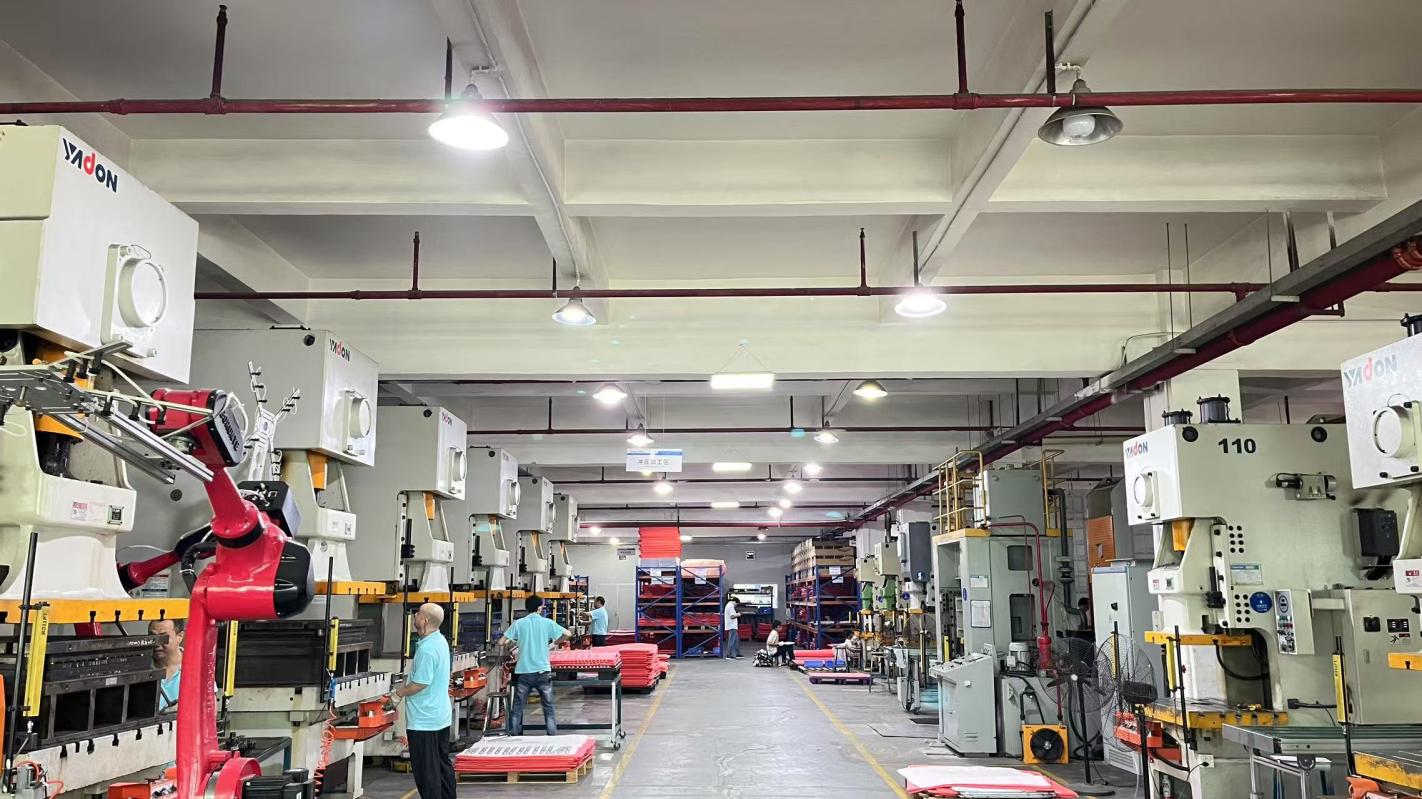
Technical information and insights regarding BMC, Out-of-Band architecture, customization, and factory operations.
Browse through secondary inventory and replacement modules, including high-speed SSDs, redundant power components, and liquid-cooling architectures.