Veltrixa
Veltrixa
Veltrixa
Premium server infrastructure and high-speed processing clusters optimized for massive fleet telemetry ingest and machine learning operations.
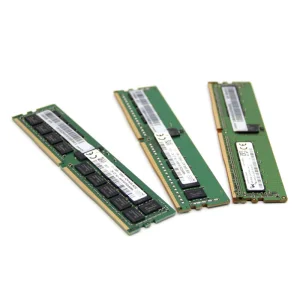
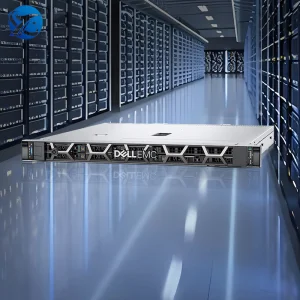
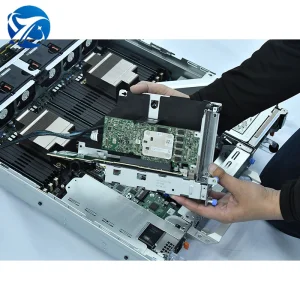
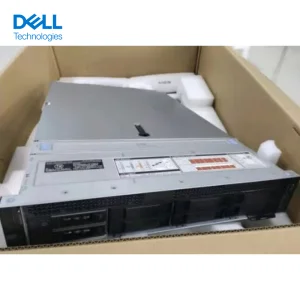
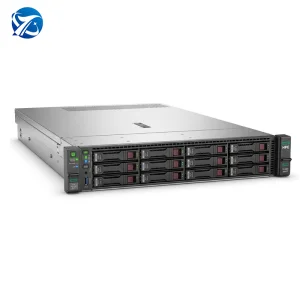
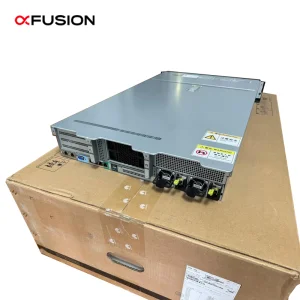
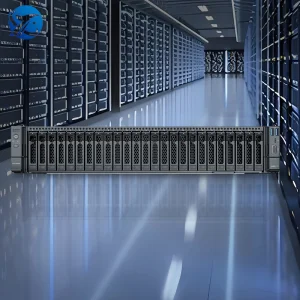
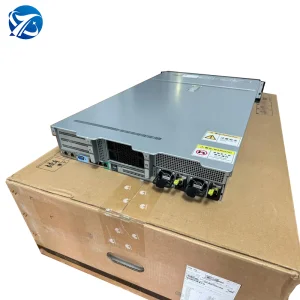
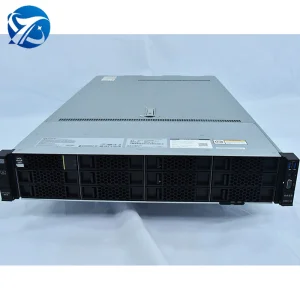
Modern telematics has evolved far beyond standard GPS tracking. Today's commercial telematics ecosystems rely heavily on real-time computer vision, edge-based artificial intelligence, and instantaneous cloud analytics. To support fleets of automated vehicles, cold-chain operations, and multi-modal logistics, enterprises require a complex hardware architecture consisting of ruggedized in-vehicle gateways and high-density GPU backend servers capable of processing thousands of telemetry streams per second.
As a leading OEM/ODM Telematics Equipment Manufacturer and Supplier, Shenzhen Veltrixa Intelligent Computing Co., Ltd. sits at the crucial intersection of vehicle telemetry and AI-driven server engineering. We build the physical systems that acquire edge data and the enterprise computing stacks that convert raw telematics pipelines into operational business intelligence.

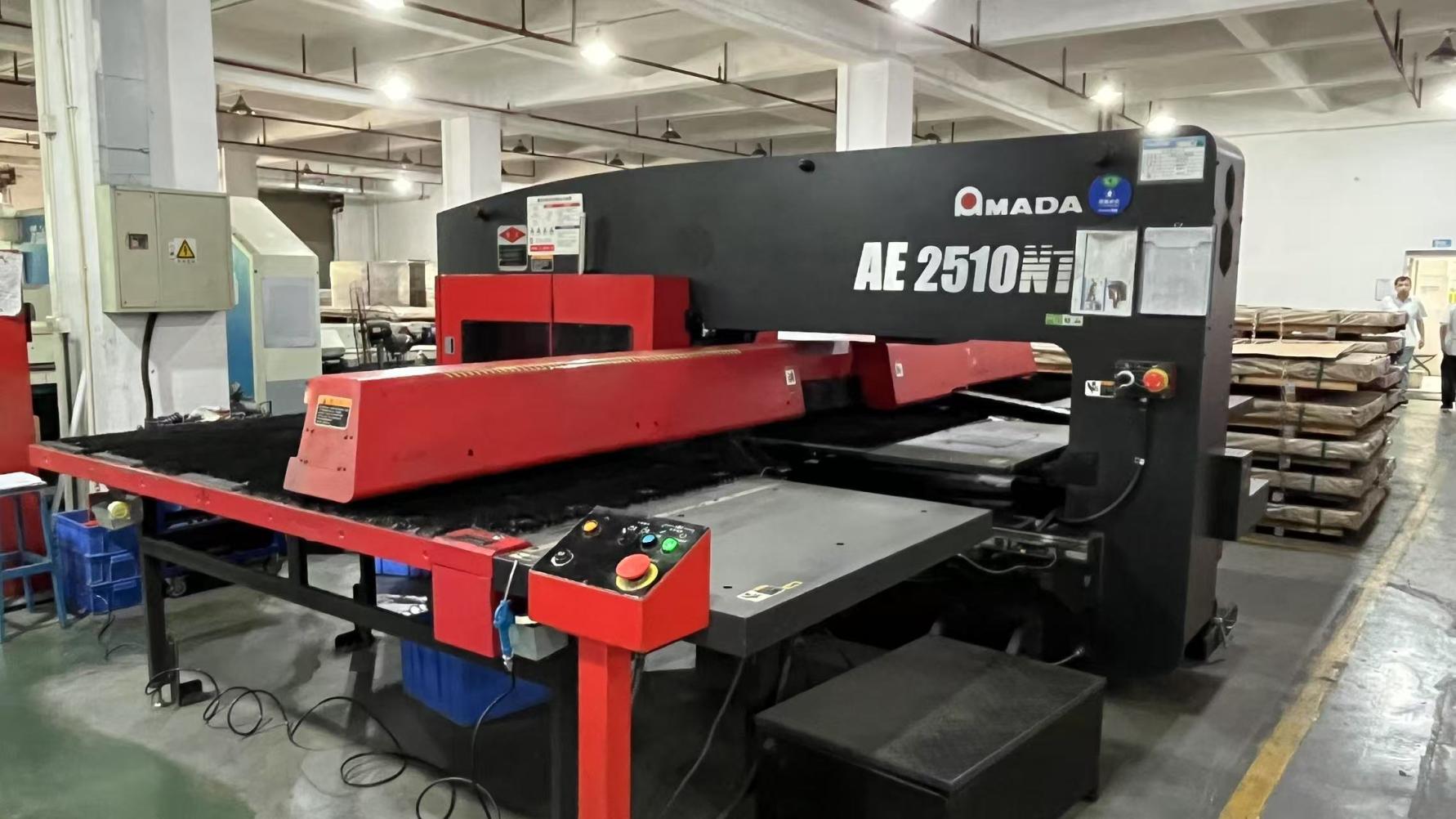
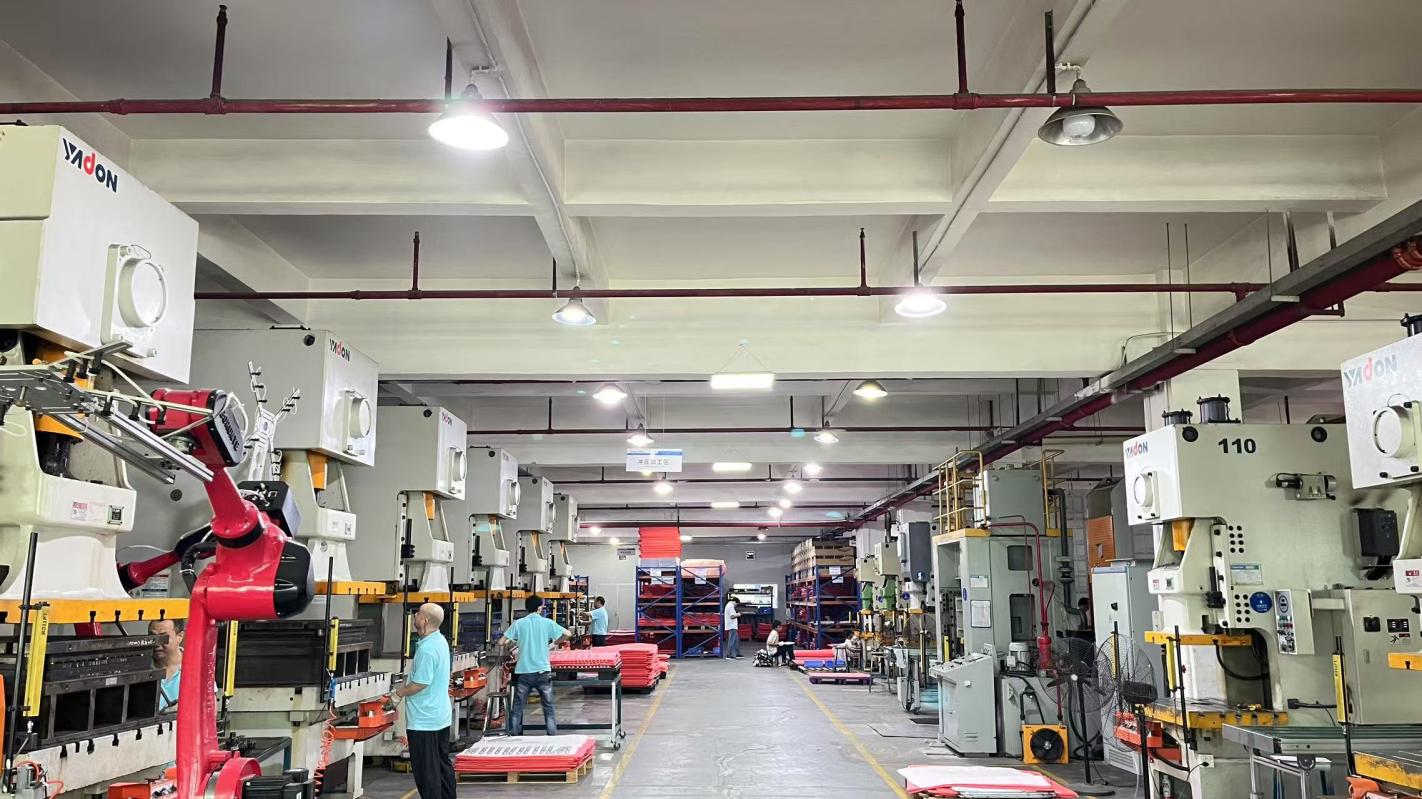
Driving the future of cloud data management, Edge AI computation, and customized vehicle communications infrastructure.
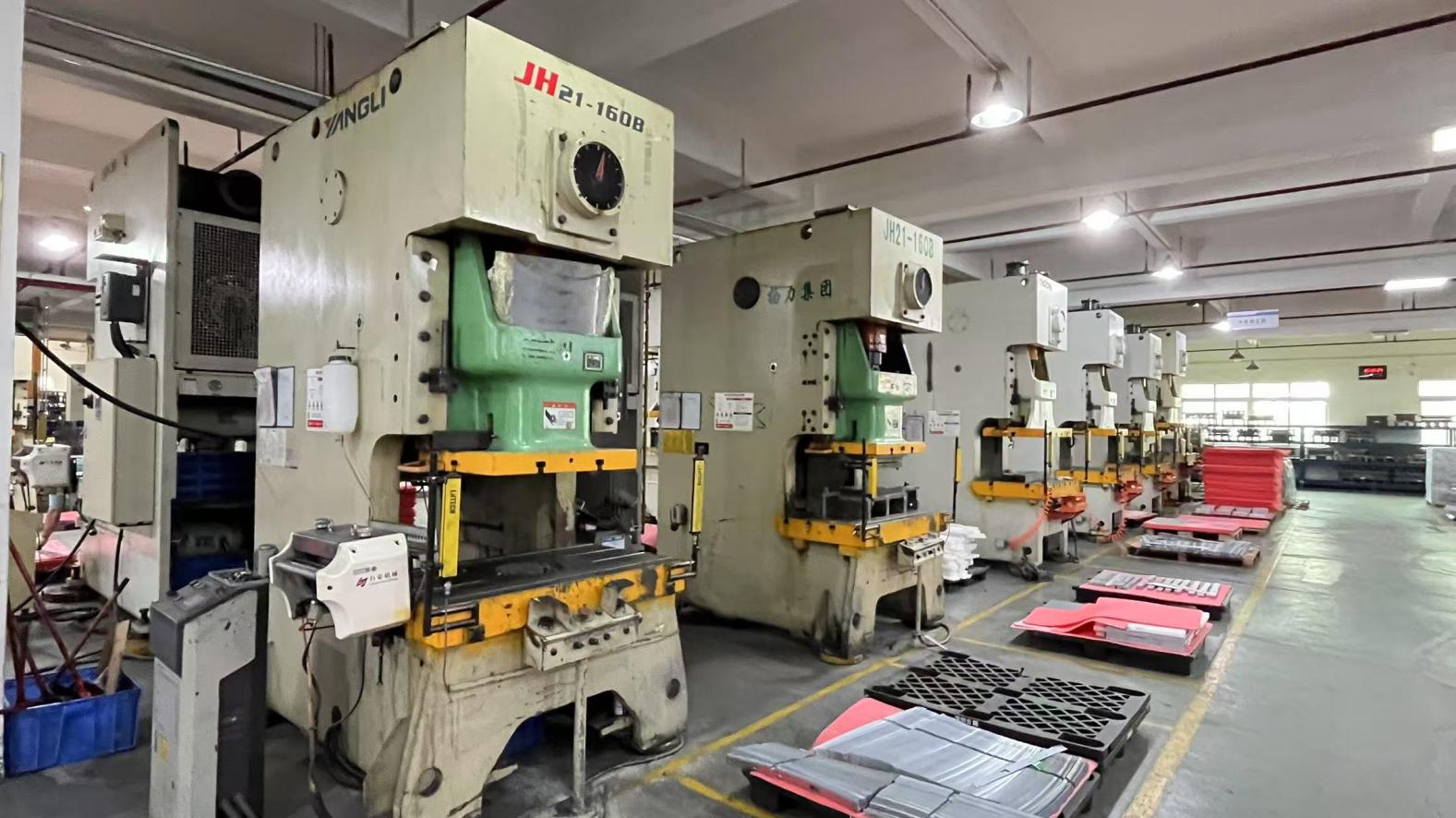
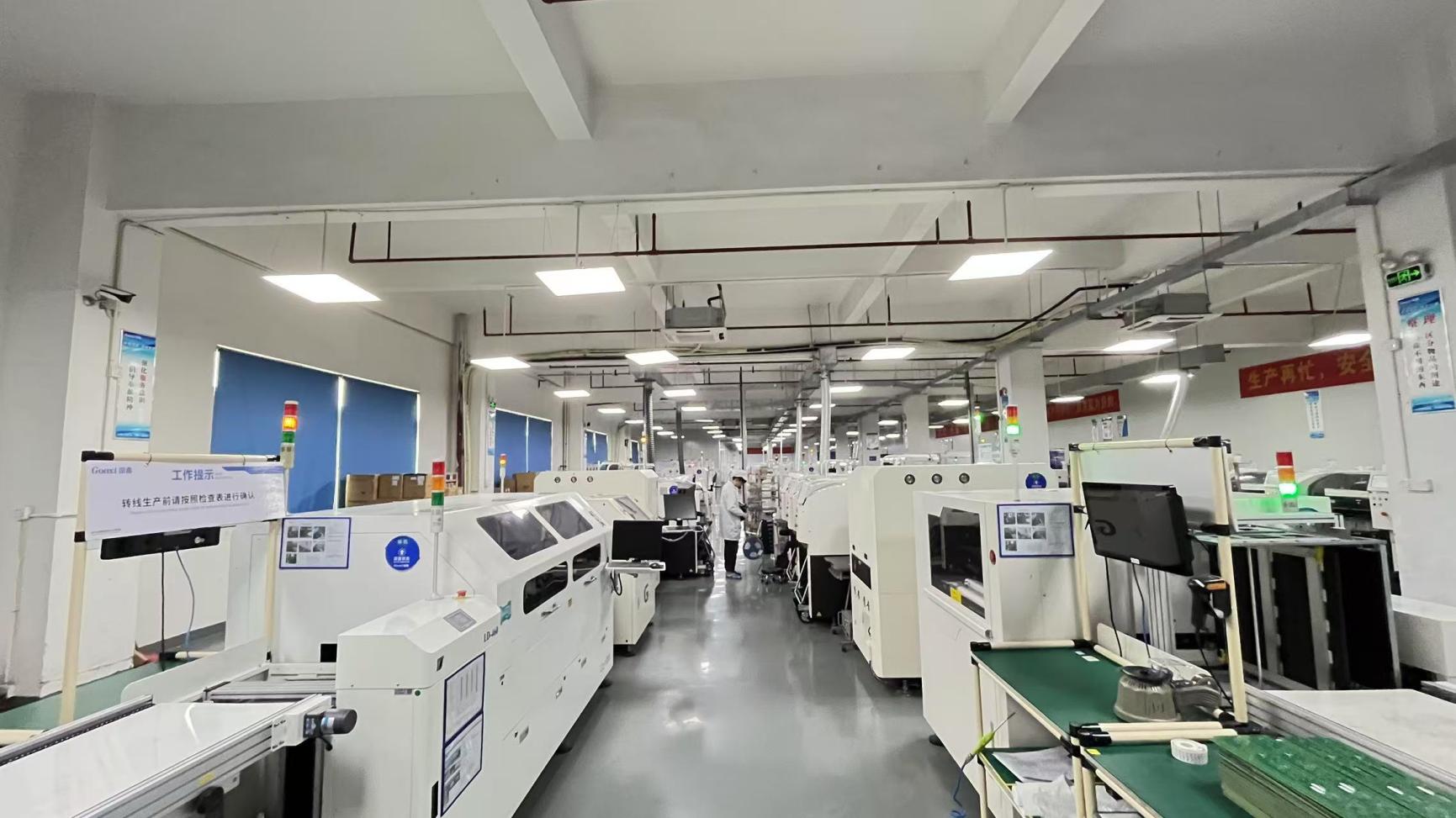
Operating a specialized facility in Shenzhen, China, Veltrixa manages complex configuration and qualification labs. We coordinate an expansive ecosystem of over 1,280 certified component partners to manufacture, optimize, and assemble custom computing infrastructure. Our 46 quality assurance professionals conduct extensive multi-stage validations—including 100% pre-shipment burn-in and thermal testing—to guarantee system uptime in the most demanding client environments.
Industrial fleet managers and logistics enterprises encounter highly complex hardware hurdles during procurement. Many off-the-shelf devices fail to deliver the balance of power, scalability, and long-term hardware support required for industrial applications. Key engineering issues include:
Commercial vehicle terminals are subject to extreme shock, high vibration, and wide thermal fluctuations (-40°C to +85°C). Industrial hardware requires automotive-grade component integration and custom passive thermal management.
Modern fleets use a wide array of cameras, CAN-bus connections, LIDAR, and environment sensors. Standard systems lack the custom physical layouts (multiple mini-PCIe ports, CAN interfaces) needed to aggregate these inputs simultaneously.
Processing live Advanced Driver Assistance Systems (ADAS) calculations locally demands high-efficiency AI Edge processors. Raw data backhaul is too expensive, necessitating powerful, low-wattage local computing platforms.
Veltrixa offers customized hardware optimization services designed for telematics, cloud, and edge infrastructures. With 12 years of industry experience and a team of 86 R&D engineers, we customize hardware systems at every tier:
Based in the manufacturing hub of Shenzhen, China, Veltrixa maintains a significant supply-chain advantage. Our network of over 1,280 raw materials and components partners allows us to bypass intermediate distributors. This proximity enables us to source specialized, high-grade components (microchips, automotive sensors, connectors, and raw circuit boards) directly. This streamlined approach minimizes delivery timelines and enables rapid prototyping, helping our clients launch new products significantly faster than the industry average.
Deploying telematics infrastructure globally requires strict compliance with diverse regional standards. Veltrixa integrates international regulatory compliance into our design and manufacturing processes, ensuring worry-free global deployment.
Where high-performance compute meets vehicle localization and tracking.
Deploying high-speed communication chips alongside Edge AI computing units enables local ADAS processing. This reduces long-distance data transmission, lowers operating costs, and increases local reaction speed to road safety events.
By combining precise temperature-humidity sensors, high-gain external antennas, and non-volatile flash backup modules, we ensure high-value shipments are tracked in real-time, even in remote geographical areas.
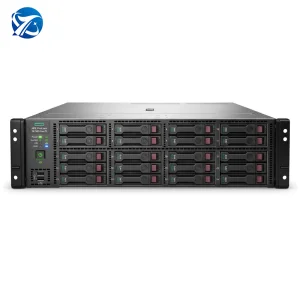
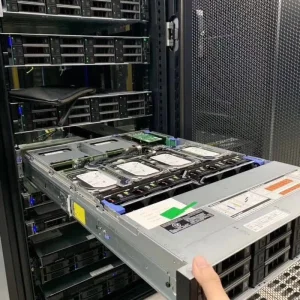
Our high-density server configurations act as regional nodes. They aggregate, index, and compress petabytes of fleet performance data before syncing with global cloud environments.
The global telematics sector is undergoing a rapid transition, driven by several technological advancements:
The migration from LTE to 5G networks enables ultra-low-latency vehicle communication. New hardware designs must feature hybrid modular boards that support C-V2X. This lets vehicles talk directly to road signs, traffic signals, and other vehicles to improve navigation efficiency and safety.
Basic tracking has been replaced by driver behavioral monitoring. Devices now process multiple high-resolution video streams inside the vehicle cabin. By analyzing facial markers locally on edge-compute hardware, these systems detect fatigue and distraction instantly to prevent accidents.
To avoid rapid obsolescence, buyers are demanding modular layouts. Veltrixa designs motherboards with modular carrier architectures, allowing companies to upgrade the cellular module, GPU, or GPS chip without replacing the entire system.
Get answers to the most common technical questions regarding OEM/ODM telematics and high-performance server hardware.
Typically, custom carrier board and mechanical layout engineering requires 4–6 weeks from initial design agreement to first functional prototype. Once validated, mass production tooling and component procurement takes an additional 6–8 weeks.
We use automotive-grade components, anti-vibration solder techniques, and rugged thermal-dissipating housing. Every design undergoes dynamic vibration testing, thermal validation ranging from -40°C to +85°C, and rigorous voltage spike simulations.
Yes. We offer BIOS/UEFI level customizations, OS pre-installation (such as custom Linux distros or Android Automotive builds), and the pre-loading of proprietary API keys and certificates in a secure environment prior to shipping.
Our modular communication designs use pre-certified modules that comply with major global carriers. During custom ODM design, we run antenna-tuning checks to ensure the complete device passes PTCRB, CE, and FCC certification procedures.
MOQs vary by customization level. Minor modifications (like custom branding or port swaps) require lower minimums, while custom motherboard revisions typically start at 100 to 500 units per production run.
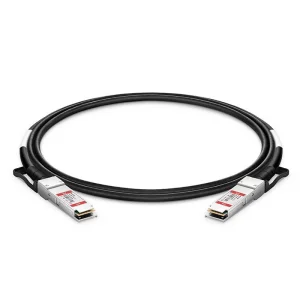
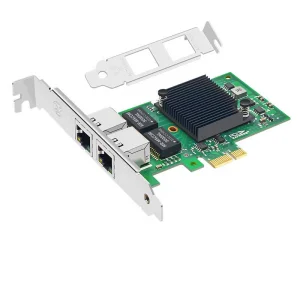
Explore our range of rack-level servers and high-speed network connections designed to support large-scale enterprise deployments.