Veltrixa
Veltrixa
Veltrixa
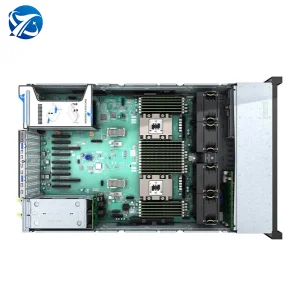
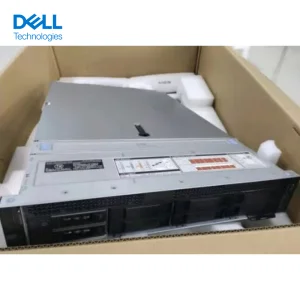
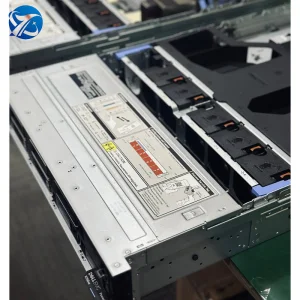
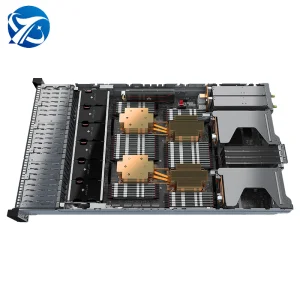
Explore our highly curated collection of enterprise performance rack servers, accelerator expansion modules, high-voltage power supplies, and specialized hardware designed for scale-out training and edge inferencing.
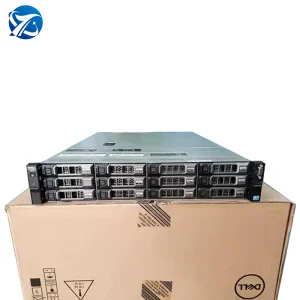
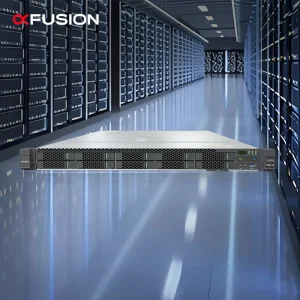
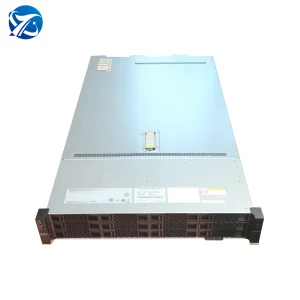
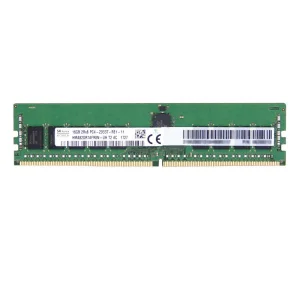
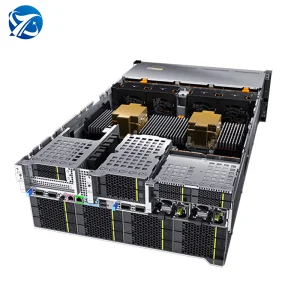
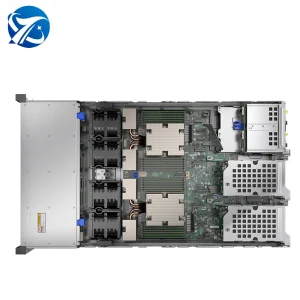
Industrial-grade AI computing integration, custom GPU chassis development, and dynamic scale server architectures.
Shenzhen Veltrixa Intelligent Computing Co., Ltd. stands as a primary structural pillar in the high-density computing vertical, offering specialized systems engineering for GPU servers, high-performance computing (HPC) platforms, edge AI topologies, and complete server rack integration.
Headquartered in Shenzhen, China's hardware silicon capital, we support global AI cloud providers, enterprise data center operators, and engineering startups with resilient custom hardware built for deep learning pipelines, generative AI training, and massive data storage solutions. From raw design layout (ODM) to high-speed system configurations (OEM), Veltrixa delivers custom compute power with structural compliance built-in.
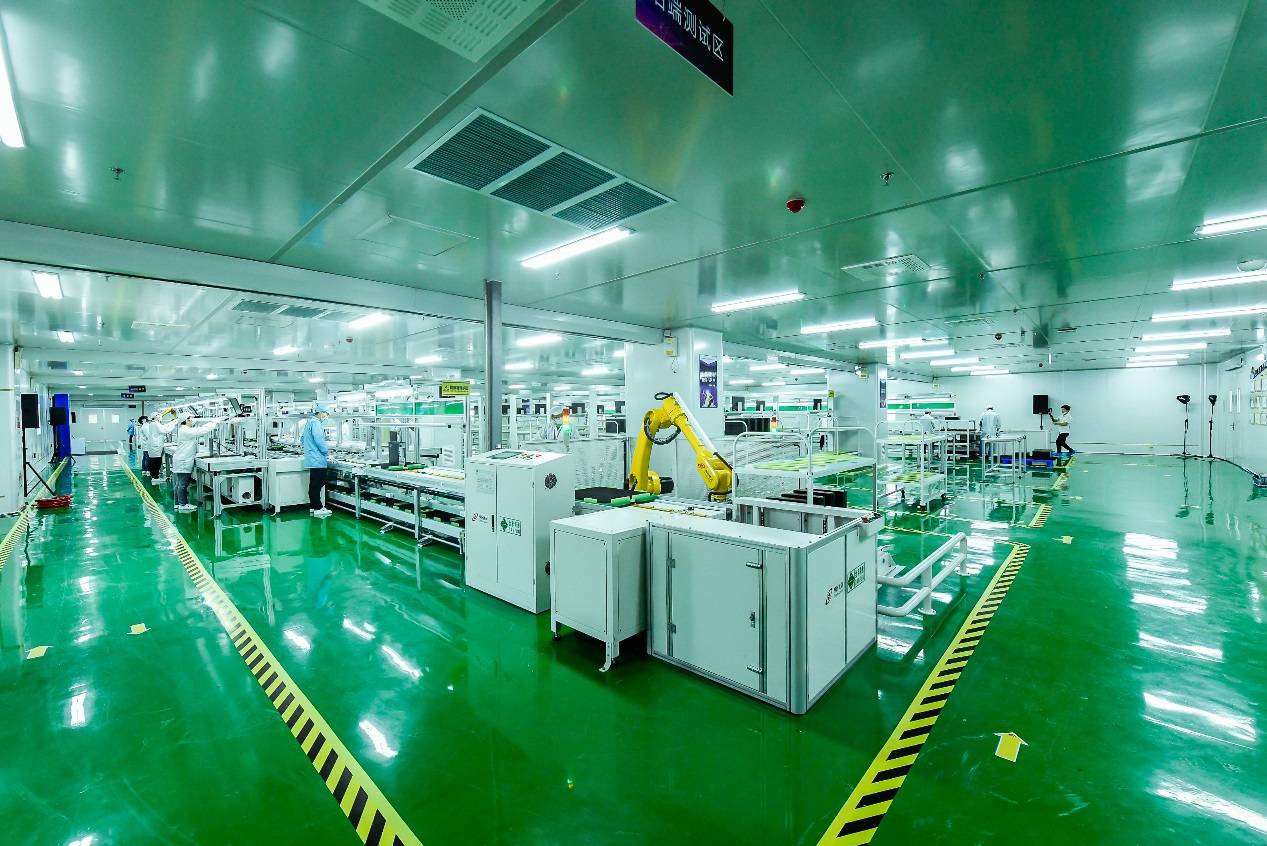
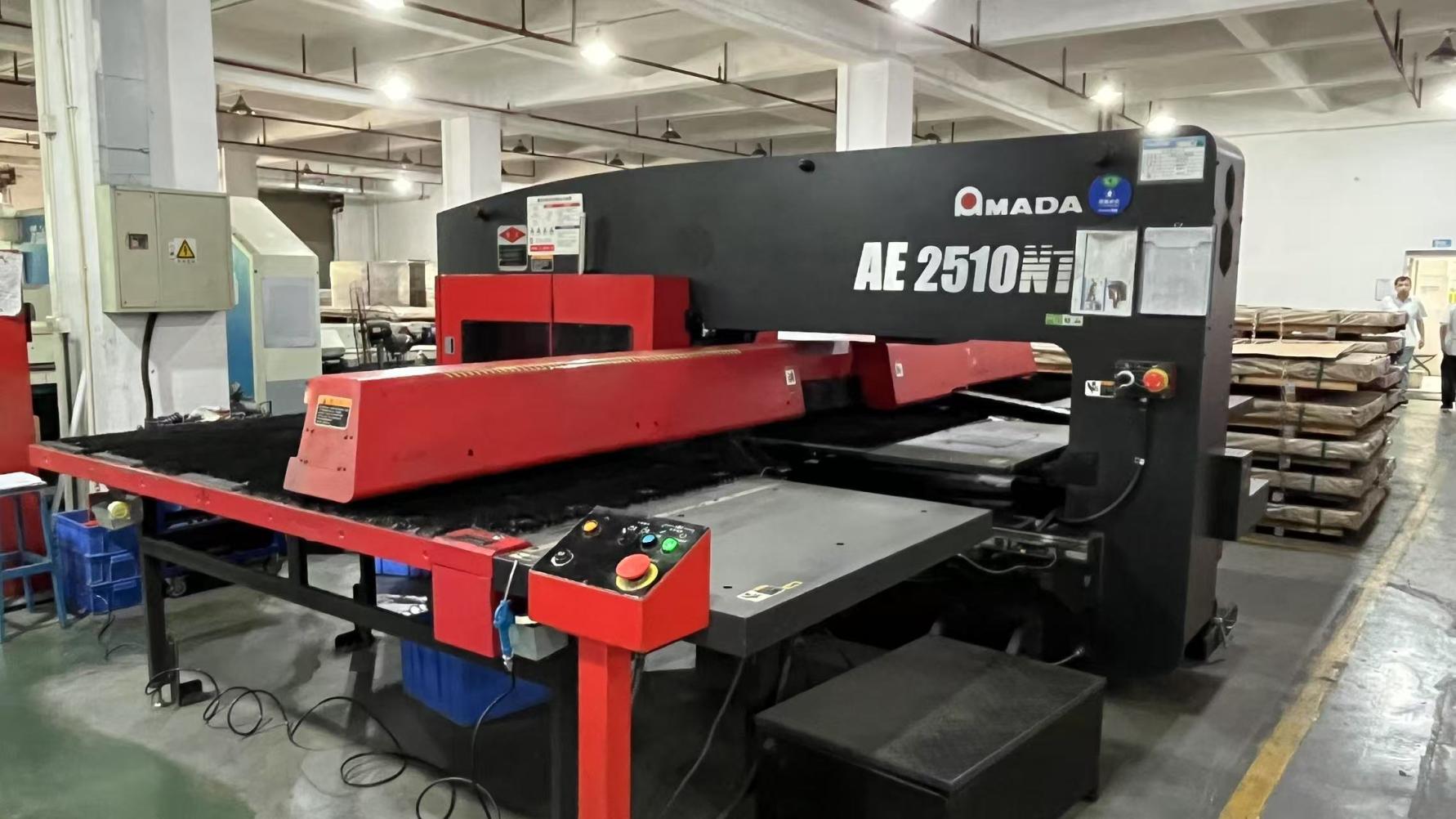
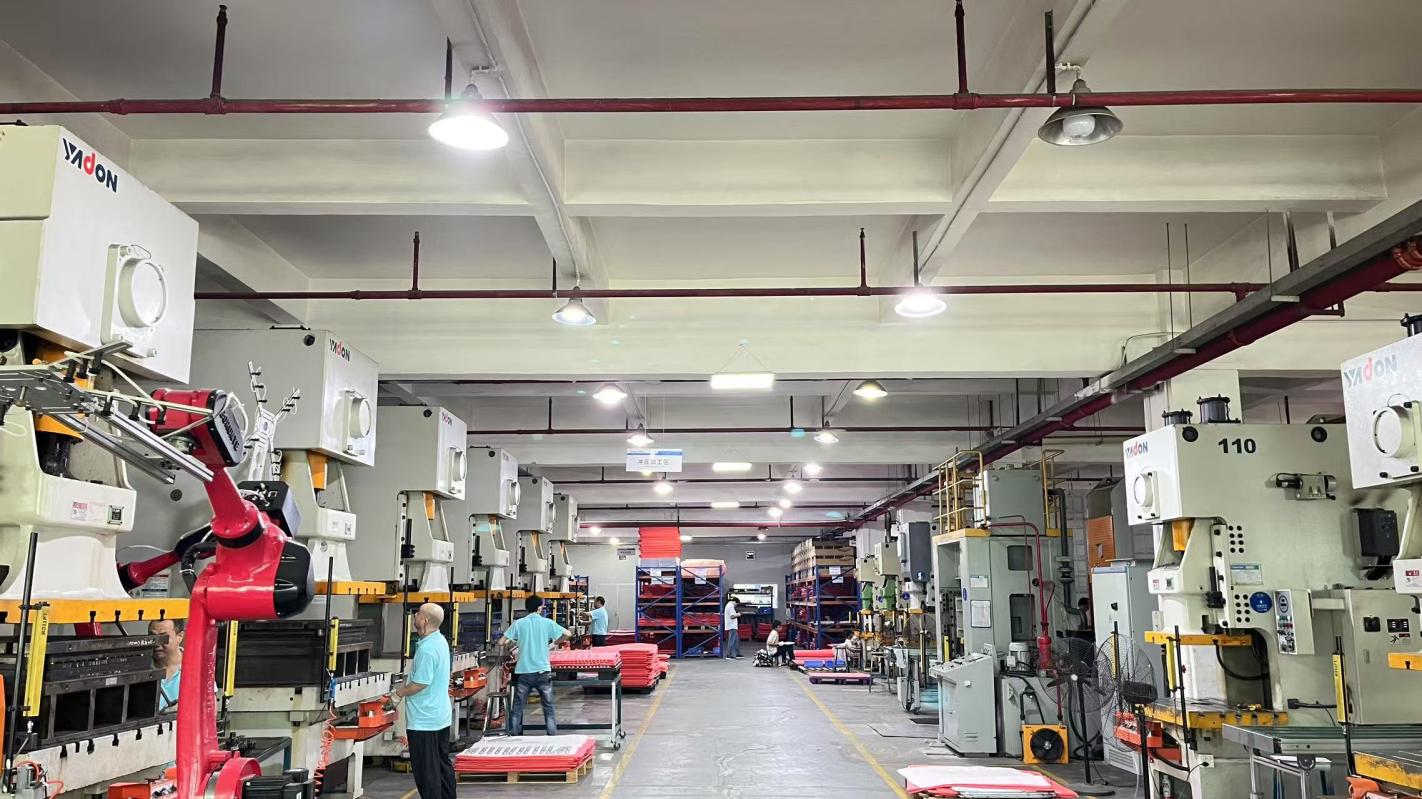
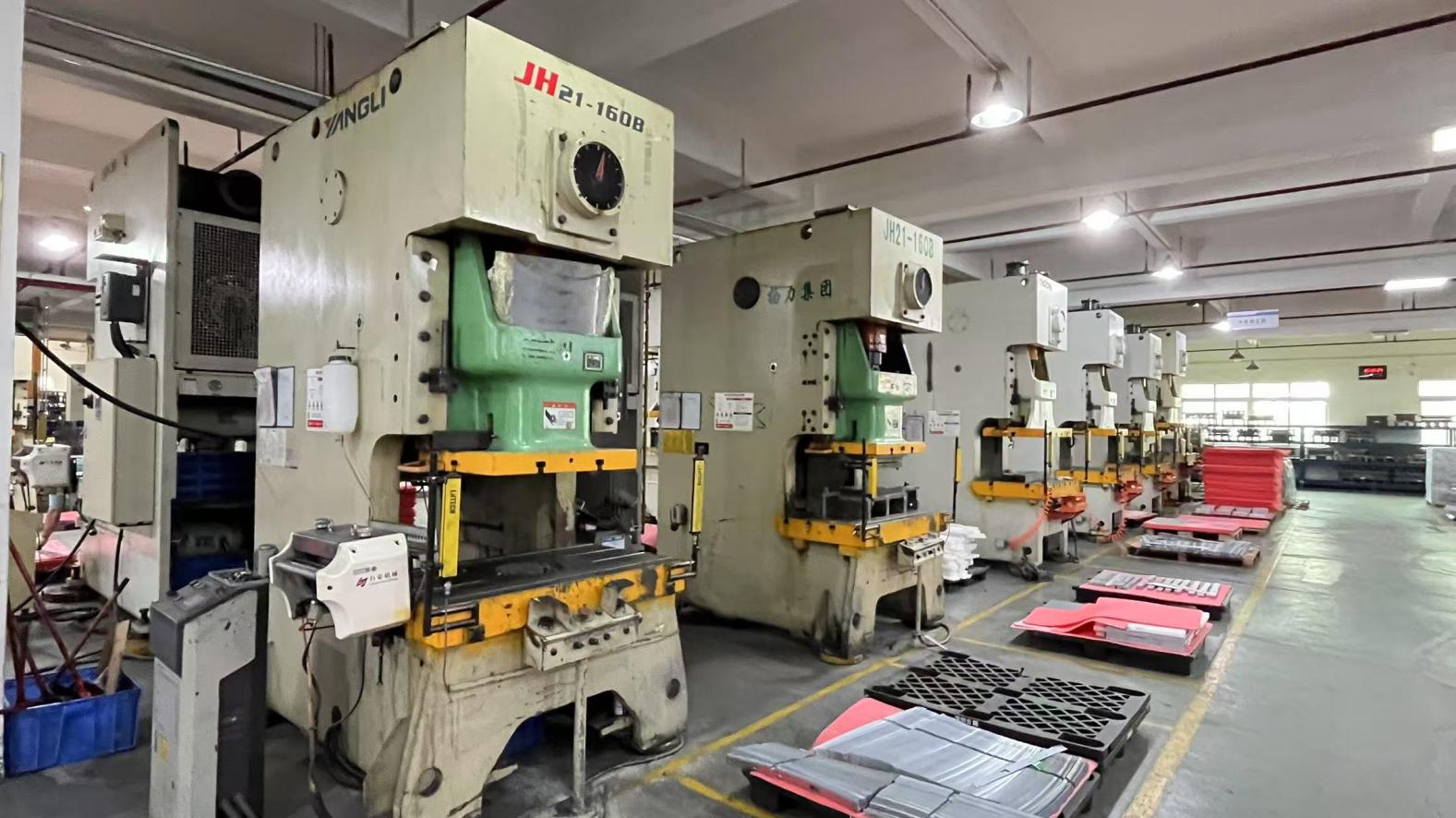
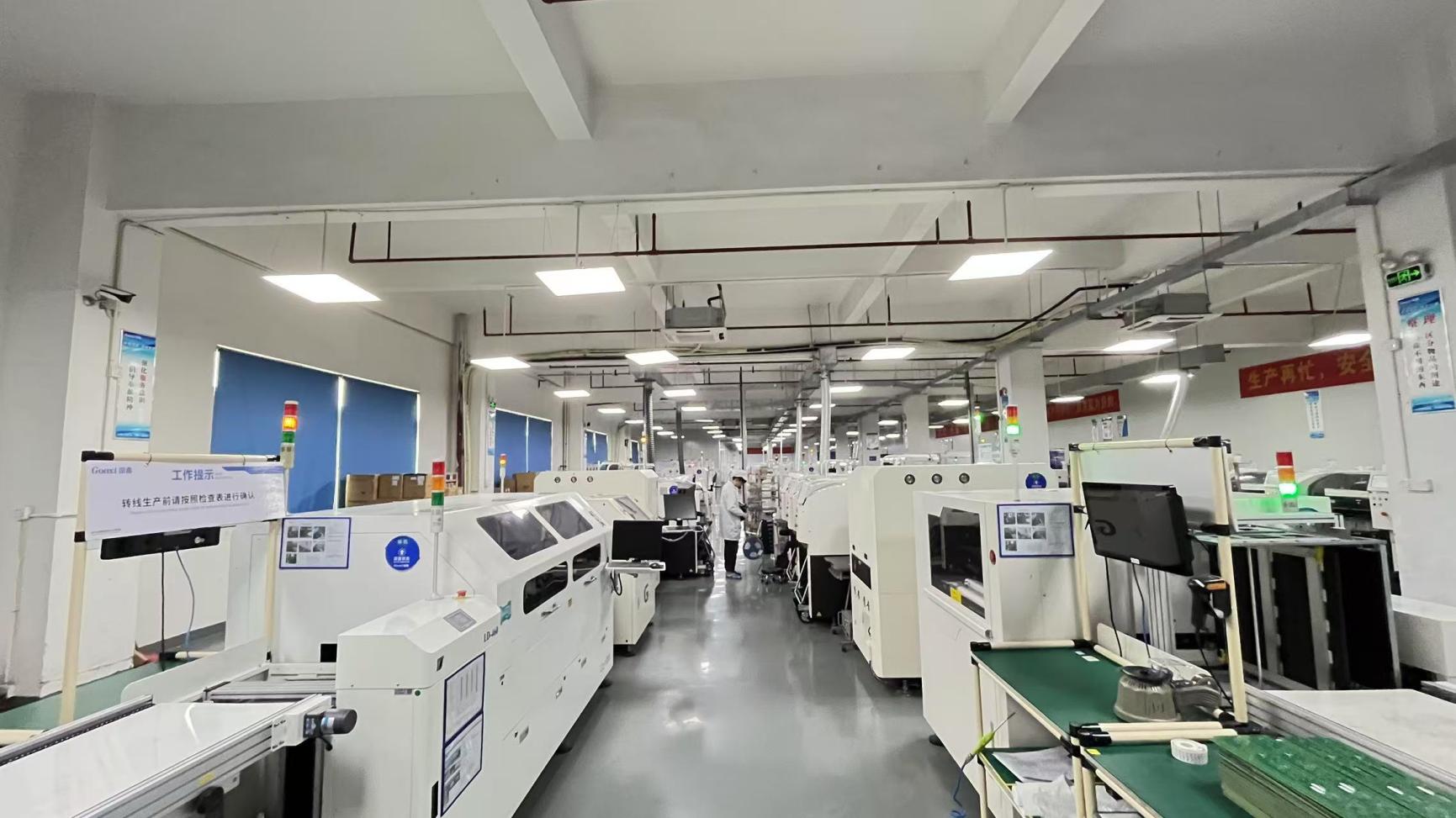
Why manufacturing AI compute platforms in Shenzhen translates into cost mitigation, performance optimization, and lightning-fast logistics.
Our localized placement allows for instantaneous procurement of critical sub-components including high-density PCBs, multi-layered capacitors, copper heat pipes, and high-frequency connectors. By eliminating intercontinental lead times on raw materials, production velocity remains unmatched.
Through highly automated Surface Mount Technology (SMT) production lines operating locally, Veltrixa achieves dense trace integration on multi-layered mainboards. This is a foundational prerequisite for handling high-bandwidth PCIe Gen 5 buses and high-wattage power distribution lanes.
By leveraging Chinese manufacturing scale, tooling optimization, and shared supply logistics, we reduce overheads significantly compared to North American or Western European system integrators. These structural savings are directly passed down as competitive margins for our distributors.
Key specifications, architecture strategies, and functional configurations required by modern hyperscalers and institutional buyers.
Deploying AI models at scale (such as DeepSeek-V3 training, LLaMA architectures, and real-time vision pipelines) requires specific server structures. Procurement professionals must look past baseline CPU speeds and carefully evaluate the following system mechanics:
SXM5 / OAM modules feature direct coplanar interfaces allowing extremely high interconnect bandwidths (e.g., 900 GB/s NVLink speeds). PCIe form factors, conversely, offer wider mechanical versatility and easier upgrade paths for legacy standard 2U/4U racks.
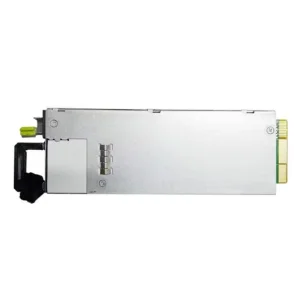
Compute performance must balance with operating cost. Utilizing platinum-rated high-efficiency PSUs (such as our 1500W-2000W line-up) limits reactive power losses, directly improving the datacenter's Power Usage Effectiveness (PUE).
Modern servers require hardware-root-of-trust, TPM 2.0 microcontrollers, and compliant firmware structures (CE, FCC, RoHS) to guarantee secure remote management and deployment inside strict enterprise firewalls.
Securing global logistics pathways, trade compliance, and post-shipment engineering service levels.
Navigating global supply chain logistics requires robust regulatory adherence. Sourcing AI compute hardware from overseas factories demands strict validation of international export standards. At Veltrixa, we systematically manage documentation, customs procedures, and material declarations to guarantee hassle-free delivery to North America, Western Europe, Southeast Asia, and beyond.
Additionally, hardware uptime is paramount. We support localized system integrators with direct engineering pipelines, raw component provisioning (GPUs, memory, power units), and advanced replacement warranties. This limits Mean Time to Repair (MTTR) metrics for mission-critical operations.
A projection of the technology developments shaping the high-performance computing landscape over the next 24-36 months.
With GPU thermal profiles rising toward 1000W+ per package, traditional air-cooling structures are hitting limits. Dynamic Direct-to-Chip (D2C) liquid cooling loops and immersion fluid setups will soon become the baseline standard for high-density AI nodes.
CXL is revolutionizing memory pooling architectures, allowing memory to be shared dynamically between host processors, accelerators, and network devices. This eliminates host-device transfer bottlenecks, speeding up real-time analytics.
Inference is moving from central clouds to regional nodes. Ruggedized edge servers, running optimized architectures like LLaMA models, are being deployed directly in municipal hubs, manufacturing centers, and telecommunications towers.
How industry sectors utilize high-density AI servers to accelerate digital transformations.
Our servers process multi-camera, LIDAR, and radar data, generating synthetic training environments and validation models for driver-assistance systems.
By using short-depth edge compute servers, regional traffic structures and security checkpoints can process real-time video analytics without high network latency.
Financial institutions and healthcare systems host private Large Language Models (LLMs) on local 2U and 4U GPU rack clusters to ensure strict regulatory compliance and data sovereignty.
Optimizing compute infrastructure requires configuring machines for specific workloads. Standard web hosting or database servers are not designed to handle the continuous computational workloads of model fine-tuning.
By pairing high-power processors (such as the Intel Xeon Scalable family) with enterprise PCIe GPU architectures, companies can deploy tailored setups for natural language processing, genetic sequencing, and deep learning algorithms.
Direct answers to the most common questions raised by procurement professionals and IT architects during server selection.
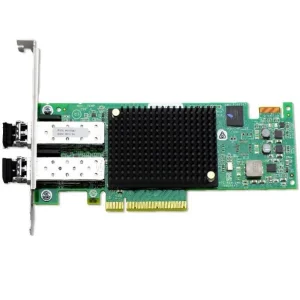
Select high-performance network interface cards, power storage units, and compute engines optimized for modern workloads.