Veltrixa
Veltrixa
Veltrixa
Immediate availability for high-demand enterprise architectures, deep learning platforms, and dense cloud infrastructure.
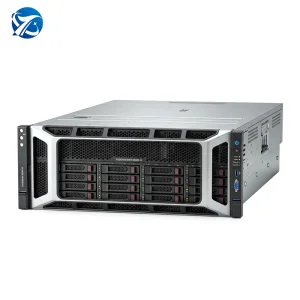
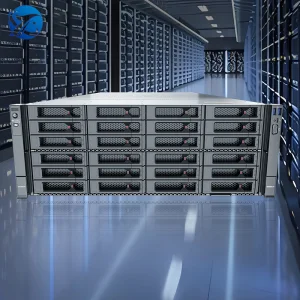
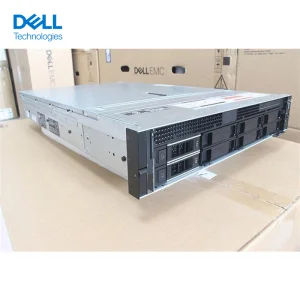
Understanding the compute density, throughput bottlenecks, and hardware acceleration advancements that define the next generation of rack platforms.
As deep learning parameters scale exponentially—evidenced by the massive computational requirements of Large Language Models (LLMs) like DeepSeek-R1 and similar 671-billion parameter mixtures-of-experts (MoE)—legacy platform architectures are experiencing severe I/O and memory bottlenecks. The development of V6 server systems marks a critical evolutionary threshold, integrating the Compute Express Link (CXL) protocol, PCIe 5.0/6.0 buses, and high-frequency DDR5 memory architectures. This architectural upgrade increases data throughput and minimizes system latency across massive parallel compute matrices.
V6 technology addresses the three primary structural limiters of modern high-performance datacenters: memory bandwidth limits, inter-GPU communications pipelines, and thermal dissipation thresholds. By restructuring native dual-socket motherboard layouts and optimizing power delivery networks (PDN) to sustain transient power spikes, V6 servers deliver stable computing platforms for continuous AI workloads.
Transitioning to PCIe 5.0 doubles unidirectional data lane rates to 32 GT/s, removing communication limits between GPUs, network interface cards (NICs), and enterprise SSD configurations.
Compute Express Link (CXL) support allows dynamic memory resource sharing between processors and accelerators, reducing latency and expanding hardware headroom.
Smart power management at the microchip level adjusts power draw based on workload shifts, lowering data center operation costs and cooling demands.
Shenzhen Veltrixa Intelligent Computing Co., Ltd. – Leading OEM/ODM Manufacturing Partner for High-Performance Servers.
Founded in 2017, Shenzhen Veltrixa Intelligent Computing Co., Ltd. is an established manufacturer specializing in AI GPU computing architectures, high-density edge devices, and rack-level integration solutions. With 12 years of industry experience, Veltrixa integrates hardware engineering, validation, and manufacturing processes to provide data center infrastructure worldwide.
From our headquarters in Shenzhen, China, we operate an assembly and validation facility of 386 m². Our operations focus on quality assurance, custom hardware configuration, and burn-in testing. We maintain deep ecosystem relationships with silicon, memory, and storage fabric suppliers to help ensure component availability.
We implement strict pre-shipment inspections (100% of units tested) led by 46 QC professionals. Our validation pipeline includes structural benchmarking, power cycling, and thermal chamber stress tests under high computing loads.
Veltrixa serves Tier-1 and Tier-2 data centers, hyper-scale cloud operators, and system integrators across major regions.
A deep dive into upcoming changes, structural upgrades, and engineering innovations shaping the future of compute platforms.
| Feature Category | Legacy Platforms (V4 / V5) | Current Generation (V6 Architecture) | Next-Generation Roadmap (V7 / Future) |
|---|---|---|---|
| Memory Interface | DDR4 (up to 3200 MT/s) | DDR5 (4800 - 6400 MT/s) | DDR6 / LPDDR6 Integration (>8400 MT/s) |
| PCIe Bus Specification | PCIe Gen 3.0 / 4.0 | PCIe Gen 5.0 (32 GT/s per lane) | PCIe Gen 6.0 / 7.0 (PAM4 Signalling, 128 GT/s+) |
| Thermal Management | Standard Air Cooling (Heatpipe/Fan) | Hybrid Liquid Cooling / Cold Plate Design | Full Immersion Liquid Cooling / 2-Phase Fluids |
| Interconnect Fabric | Proprietary links, limited expansion | CXL 1.1 / 2.0 (Cache Coherency) | CXL 3.0 Dynamic Optical Fabric Switching |
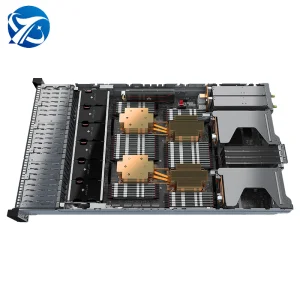
Modern V6 server systems generate substantial heat, with typical CPU Thermal Design Power (TDP) exceeding 350W and multi-GPU topologies demanding over 700W per accelerator card. Standard air cooling setups are reaching their physical limits within 1U and 2U chassis. Our engineering roadmap prioritizes direct-to-chip (D2C) liquid cold plate setups. These designs channel fluid directly over processors and high-bandwidth memory (HBM) to maintain stable junction temperatures, preventing thermal throttling during continuous compute operations.
Deploying V6 server designs to address specialized workloads across cloud, smart cities, edge networks, and AI research hubs.
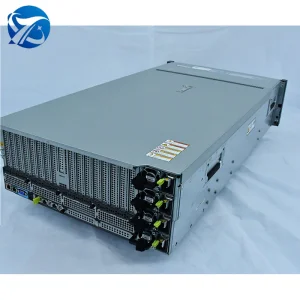
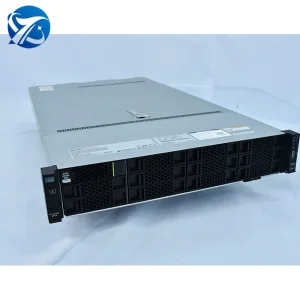
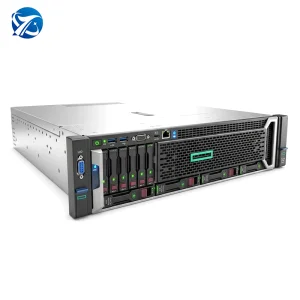
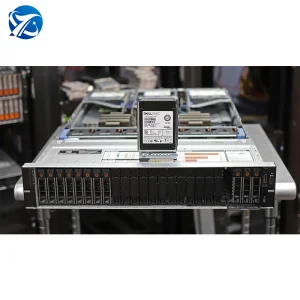
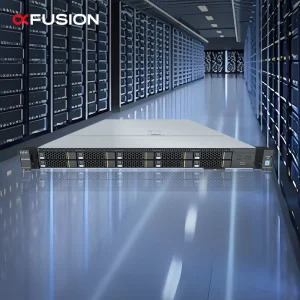
Integrating platforms like the xFusion G5500 V6/V7 and Dell PowerEdge deep-learning configurations to run parameter-dense networks. Designed for low token-latency and optimized throughput in LLM applications.
Providing multi-node computing clusters for fluid dynamics, weather simulations, and molecular modeling. These setups use V6 processing architectures to handle complex mathematical models.
Integrating low-latency hardware, like the G5200 V5/V6 platforms, to process multi-channel video inputs in real-time. This provides edge compute nodes for municipal security and smart traffic management.
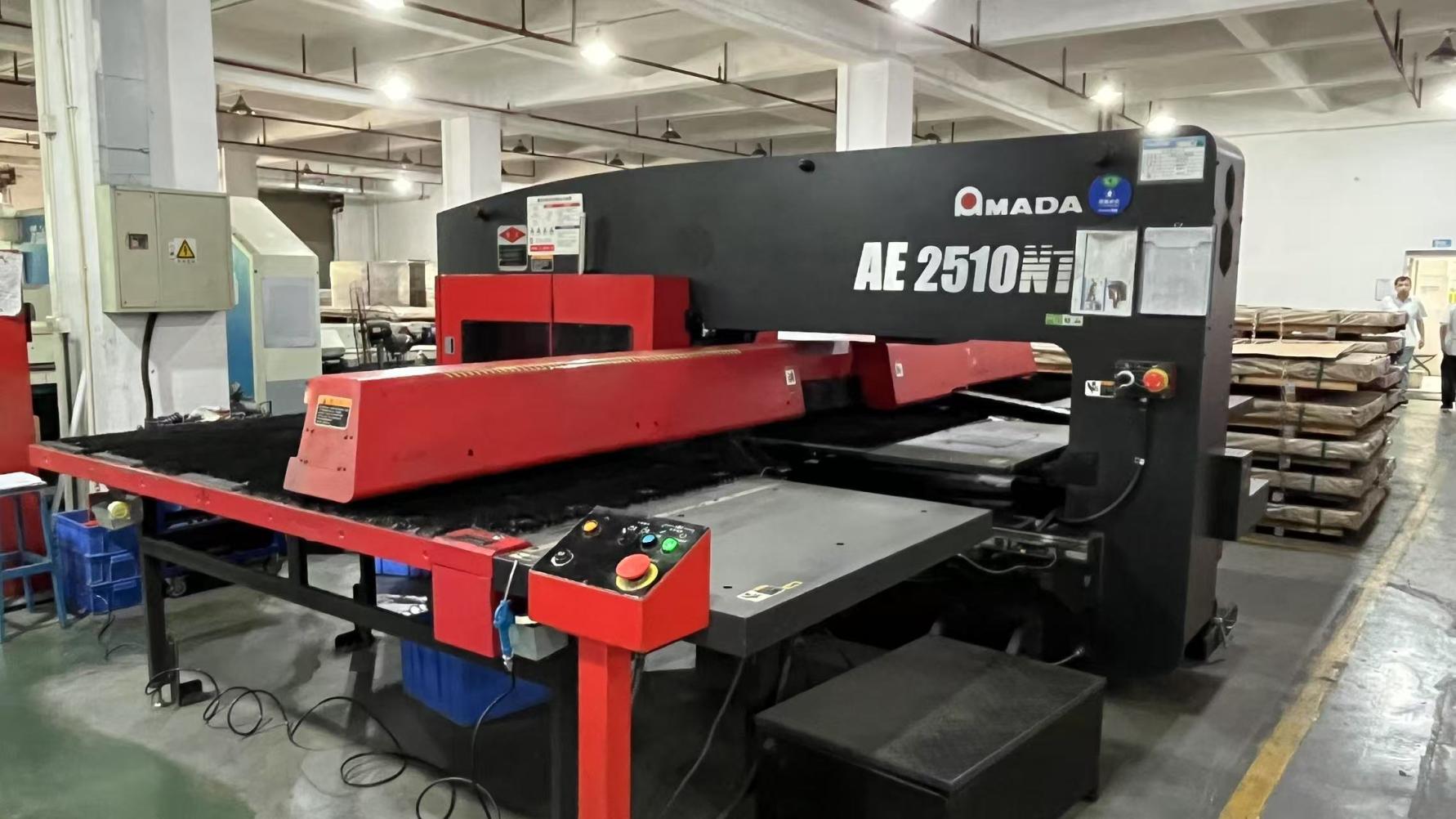
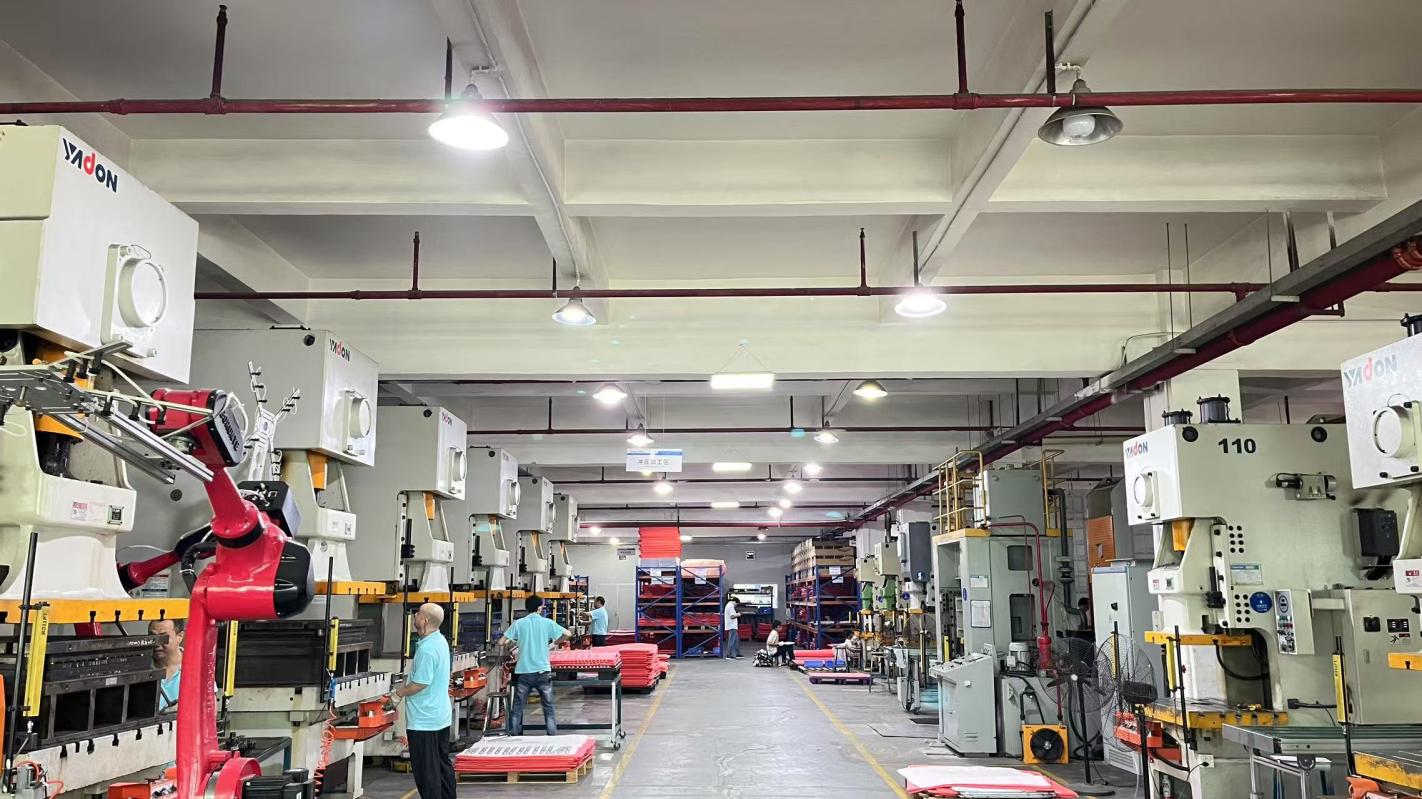
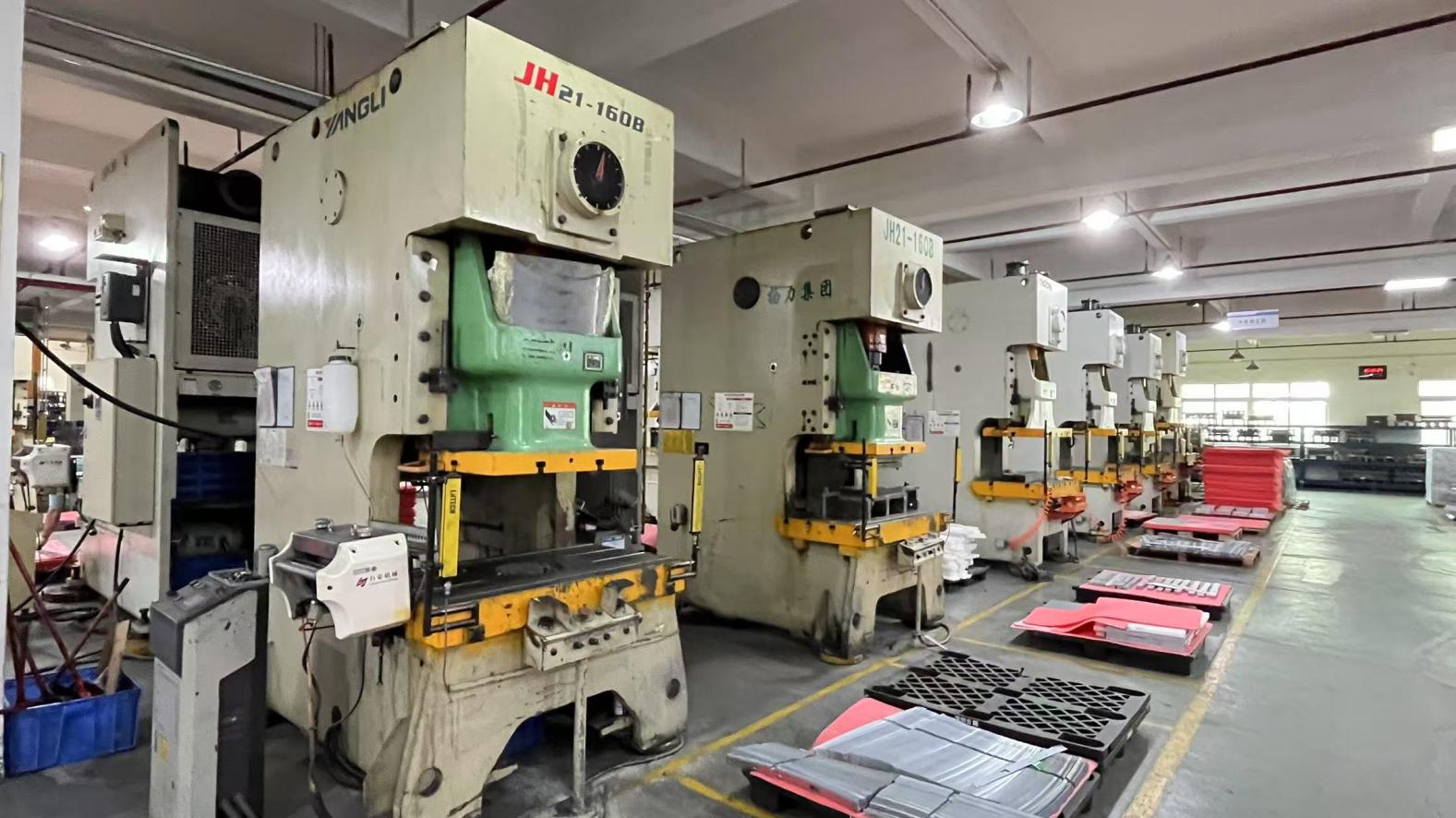
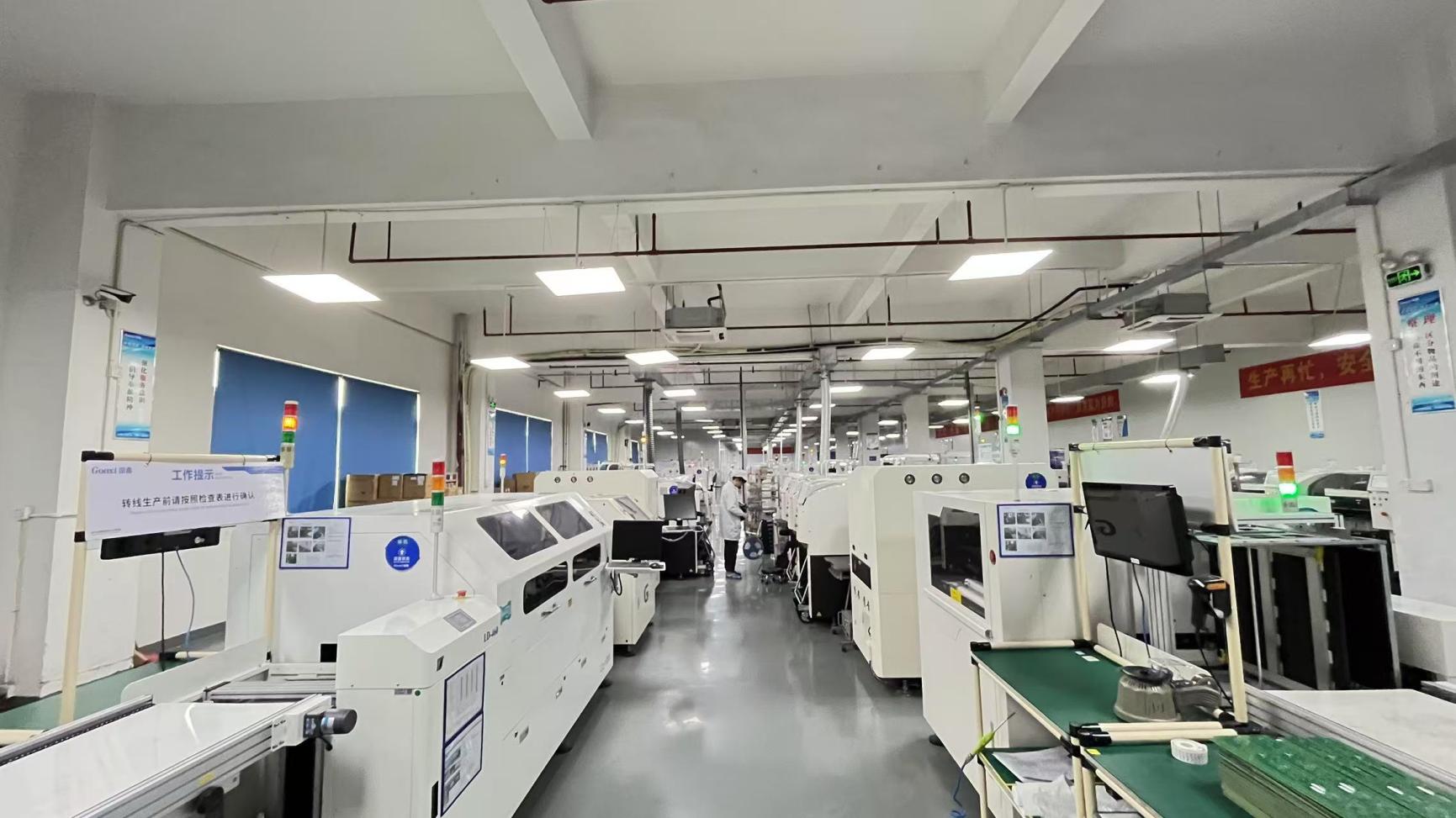
Combining automation, component tracking, and flexible assembly lines in Shenzhen to secure global hardware pipelines.
Operating in Shenzhen, the silicon capital of the world, Veltrixa utilizes a structured local supply chain ecosystem of over 1,280 component suppliers. This base ensures we can source high-density multi-layer PCBs, power regulator circuits, SAS/SATA backplanes, and metal enclosures with minimal lead times.
Our Factory 4.0 principles focus on component tracking and production consistency. Every server chassis receives a unique barcode at assembly start. System configurations—including processors, RAM sticks, storage drives, and expansion cards—are logged into our system database. Automated testing fixtures run our validation scripts, checking that bios versions, firmware configurations, and operating system kernels function correctly before packing.

Helping enterprises navigate regional regulations and receive technical support across international deployment sites.
All exported platforms carry relevant international certifications (including CE, FCC, RoHS, and UL approvals) to help clear import compliance requirements in Europe, North America, and the Asia-Pacific region.
We partner with localized system integrators to offer on-site spare part replacement, remote diagnostic assistance, and out-of-band management integration (such as IPMI and Redfish APIs).
We provide pre-installed software environments, specialized OS support (CentOS, Ubuntu Server, Red Hat, Windows Server), and customized BIOS options to match existing infrastructure setups.
Core considerations for enterprise IT buyers, datacenter operators, and procurement officers.
Purchasing enterprise server infrastructure involves evaluating multiple factors beyond unit cost. To ensure long-term operational stability and lower Total Cost of Ownership (TCO), buyers should analyze the following key metrics:
Frequently asked hardware and architectural questions about V6 computing configurations.
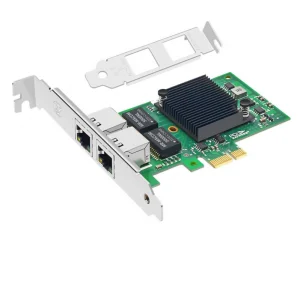
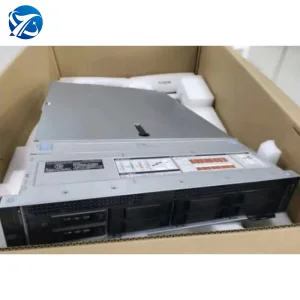
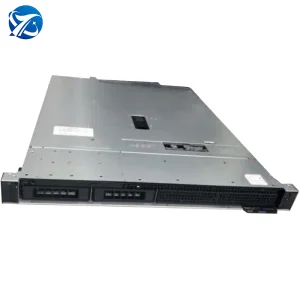
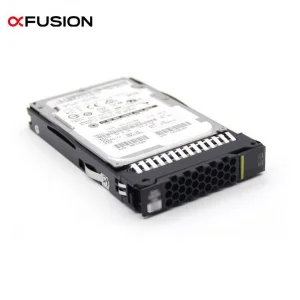
Expandable computing platforms, storage additions, and enterprise node accessories for datacenter scaling.