Veltrixa
Veltrixa
Veltrixa
Engineered for extreme reliability, high storage density, and virtualization support. Discover our enterprise servers designed to build bulletproof physical layers for modern backup infrastructures.
Data is the lifeblood of contemporary global enterprise. With the relentless progression of multi-cloud architectures, edge computing networks, and deep learning engines (such as deep neural networks and local large language models), data management demands have transitioned from basic cold storage backups to dynamic, real-time cyber-resilient active archives.
Modern industrial frameworks demand flexible, software-defined storage (SDS) and physical hyperconverged infrastructures. Enterprises are implementing hybrid cloud workflows where mission-critical systems execute physical hot-backups on high-density SSD arrays, whilst automatically offloading cold tier data to long-term cloud vaults. Scalable computing power and robust storage controllers are vital to maintaining continuous deduplication without creating performance bottlenecks.
Ransomware attacks target backup stores to render recovery impossible. Modern backup solutions utilize hardware-level Write-Once-Read-Many (WORM) locks and immutable snapshots. Hardware platforms must support encryption algorithms, secure booting processes, and have sufficient memory cache margins (such as LSI hardware RAID arrays with integrated flash protection) to guarantee uninterrupted business continuity during malicious system penetration.
Server architectures must adapt to handle modern workloads. Five major hardware trends define the current evolutionary cycle of data backup storage platforms:
With double the bandwidth of PCIe 4.0, Gen 5 interfaces permit ultra-fast read/write cycles to NVMe drives, shrinking backup windows for high-transaction databases from hours to minutes.
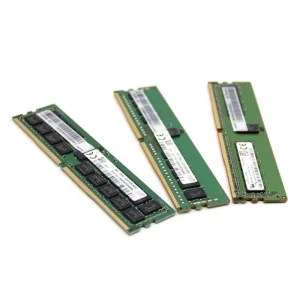
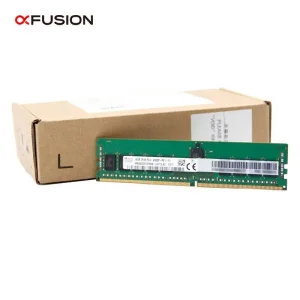
Error-Correcting Code (ECC) RAM in DDR5 formats offers higher speeds and lower voltages (1.2V/1.1V). It mitigates single-bit errors, preventing data corruption during mass memory transfer operations.
High-density server clusters generating intense thermal outputs require direct-to-chip or immersion cooling setups, maintaining optimal operating performance while keeping PUE indexes low.
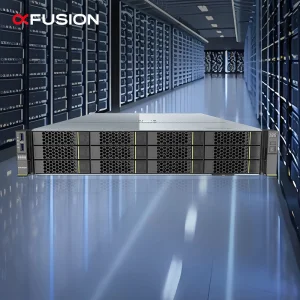
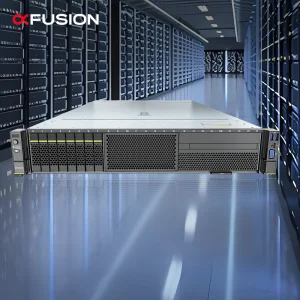
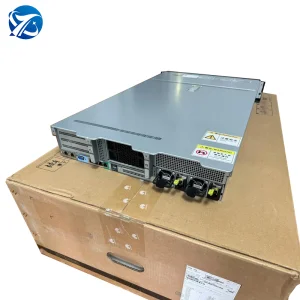
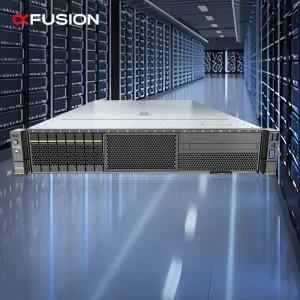
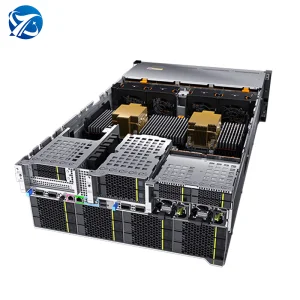
Consolidating compute, storage networking, and virtualization resources into a single system node simplifies horizontal capacity scaling. Hardware like our xFusion 2288H V6 HCI serves as a plug-and-play block for scalable target repositories.
AI model training runs, such as training DeepSeek R1 671B networks, require periodic saving of weights. GPU clusters depend on high-throughput storage pipelines to save these snapshots without causing GPU idling.
Established in 2017, Veltrixa is a premium manufacturer and exporter specializing in AI GPU servers, high-performance computing (HPC) platforms, edge AI systems, and customized data center infrastructures. Driven by over 12 years of industry experience, we operate modern production facilities in Shenzhen, China, supplying world-class IT hardware globally.
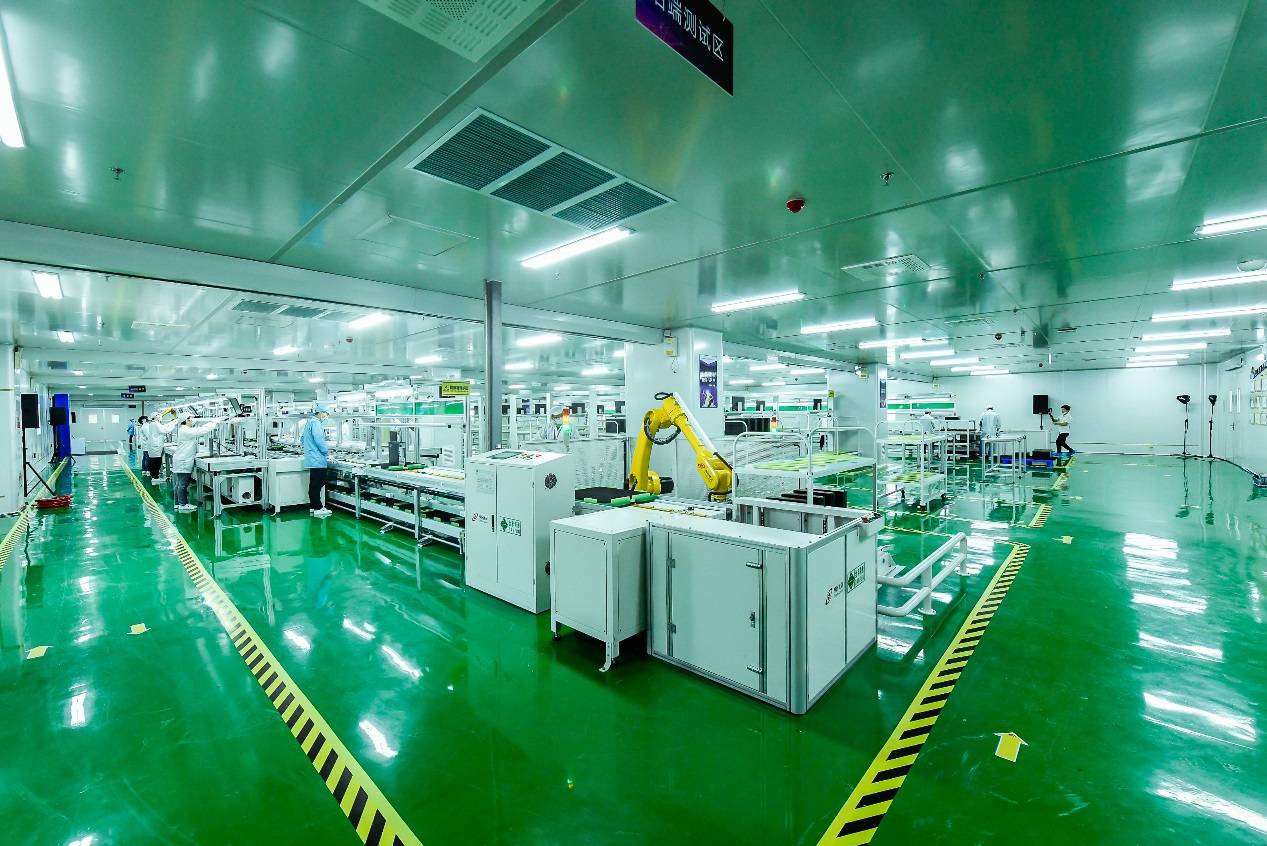
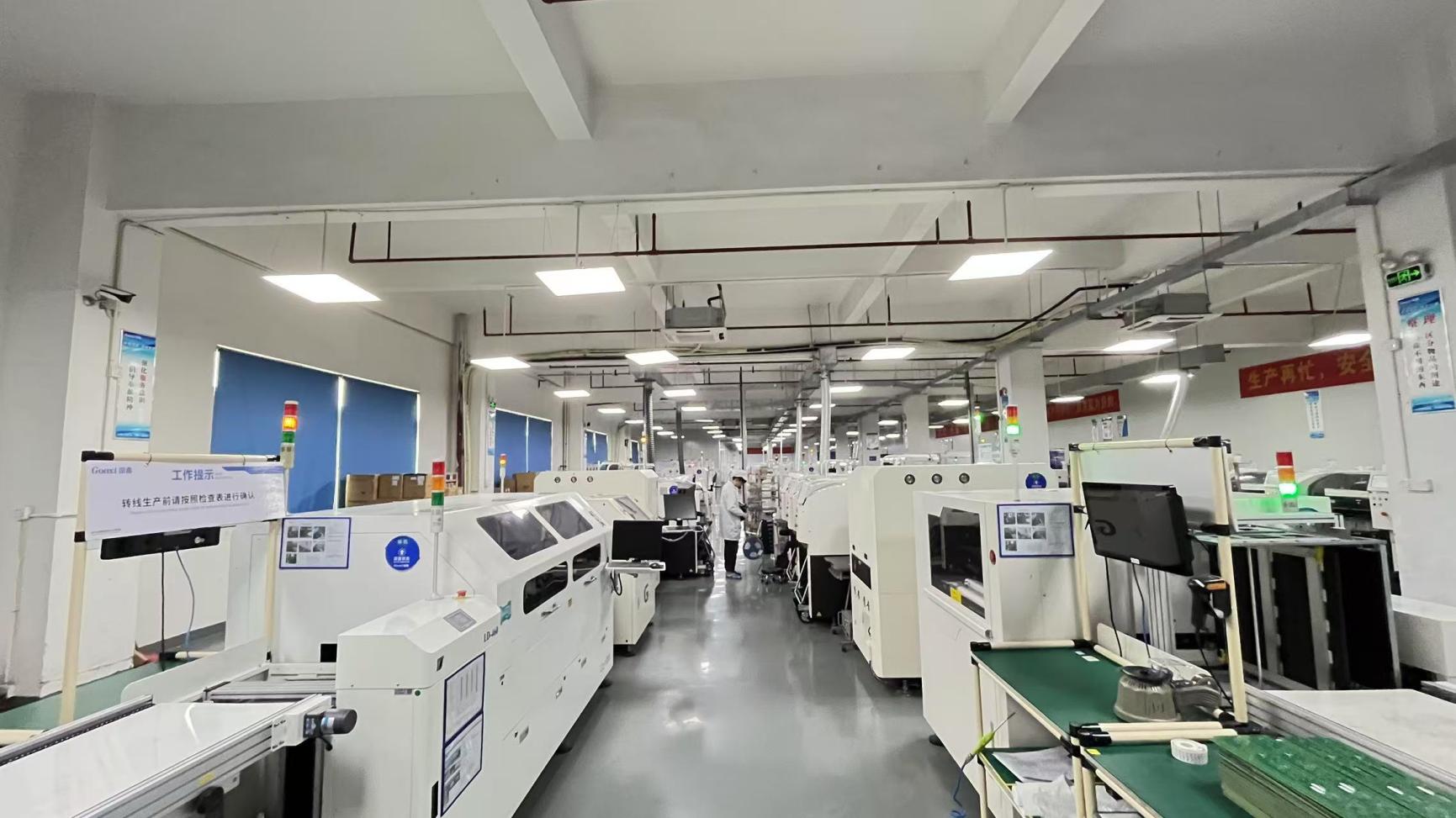
At Veltrixa, quality is non-negotiable. To guarantee the reliability of data backup platforms, our QA team enforces a 100% Pre-Shipment Inspection protocol. Every system node is subjected to functional testing, burn-in testing, performance benchmarking, thermal validation, compatibility verification, and detailed visual inspections inside our facility.
Equipped with independent R&D capacity, our engineering teams launched 124 new hardware products last year alone. We provide full-scope customization: OEM configuration adaptation, private label etching, system integration, rack-level provisioning, and custom liquid cooling routing tailored to specific corporate workloads.
Different industries exhibit unique data usage profiles. Below are common enterprise environments utilizing Veltrixa-engineered storage and compute systems:
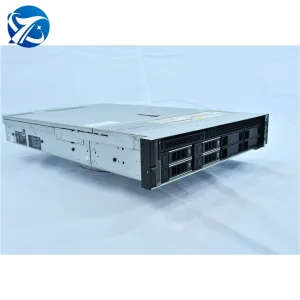
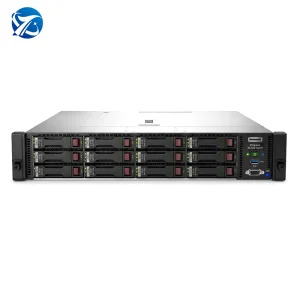
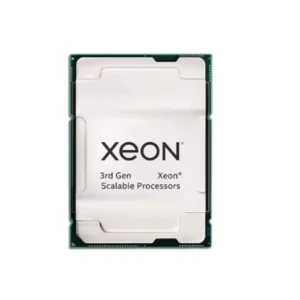
Financial transactions demand real-time synchronous replication. Using 2U rack servers equipped with high-performance Xeon processors and hardware array configurations (such as LSI RAID controllers with fast cache capability), banks build local primary backup clusters that duplicate transactional logs to mirror databases, keeping Recovery Point Objectives (RPO) close to zero.
Picture Archiving and Communication Systems (PACS) generate vast quantities of medical scan files. Since regulations mandate long retention periods, hospitals deploy hyperconverged solutions with dense storage enclosures, allowing high-capacity SAS/SATA drives to store warm and cold medical imagery archives economically.
When training LLMs such as DeepSeek R1 across hundreds of GPU nodes, failure in any node can stop the process. Setting up fast, dedicated PCIe 5.0 NVMe arrays connected through 10Gbps or 100Gbps switches allows model checkpoints to be written quickly, minimizing overall cluster downtime during failures.
Localized edge computers gather real-time video feeds and telemetry data. Our 1U/2U short-depth ruggedized network nodes function as local buffers, filtering, preprocessing, and securely uploading data packets to central cloud databases while safeguarding files during local network outages.
Our R&D roadmap anticipates future computing and storage needs, ensuring our products integrate seamlessly with emerging server technologies.
By leveraging Compute Express Link (CXL) technologies, upcoming server generations will pool memory resources across nodes, facilitating dynamic data compression and de-duplication in memory, and reducing NVMe wear levels during high-frequency backup cycles.
To support high-density computing arrays, we are engineering rack-level liquid cooling architectures that maintain optimal operating temperatures for SSD assemblies and power supplies, mitigating heat-induced hardware degradation.
Integrating telemetry modules directly into baseboard management controllers (BMC) allows servers to monitor parameters such as drive temperatures, power supply fluctuations, and memory ECC single-bit patterns, flagging potential component failures before data loss occurs.
A robust backup strategy goes beyond hardware installation. It requires an integrated ecosystem linking computation nodes, hardware caches, and network pipelines.
Utilizes multi-socket Intel Xeon or AMD EPYC architectures to execute decompression, parity computations, and encryption routines simultaneously without delaying write processes.
Applies high-speed DDR4/DDR5 ECC RAM modules paired with high-performance RAID cache cards (e.g., LSI 9560-16I 8GB cache), buffering sudden write bursts and preventing transactional bottlenecks.
Uses multi-bay chassis supporting NVMe, SAS, and SATA drives to balance high-speed system directories, warm operational pools, and cost-effective cold archiving tiers.
Find answers to key technical questions on data backup solutions, server configurations, and manufacturing customization.
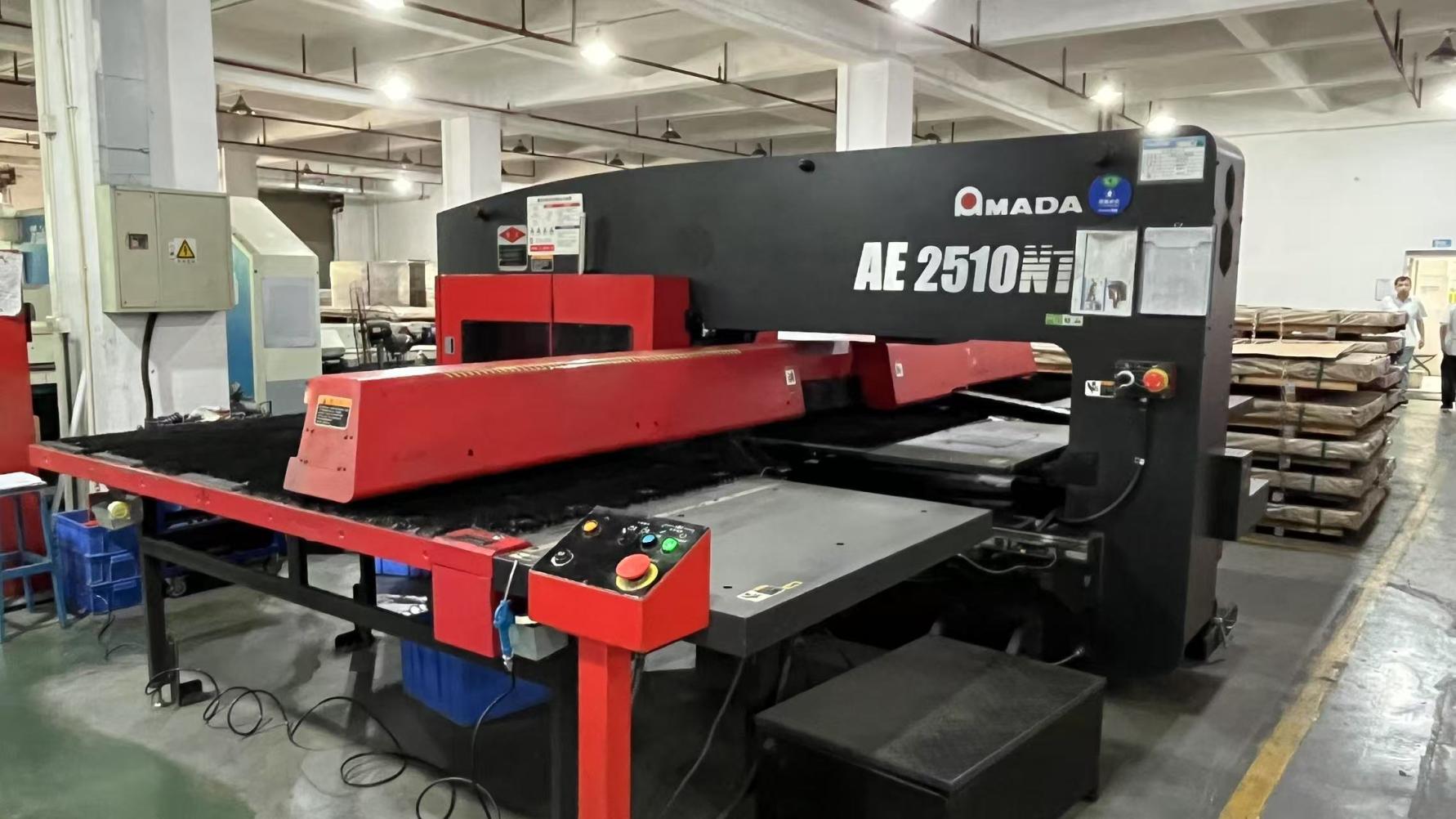
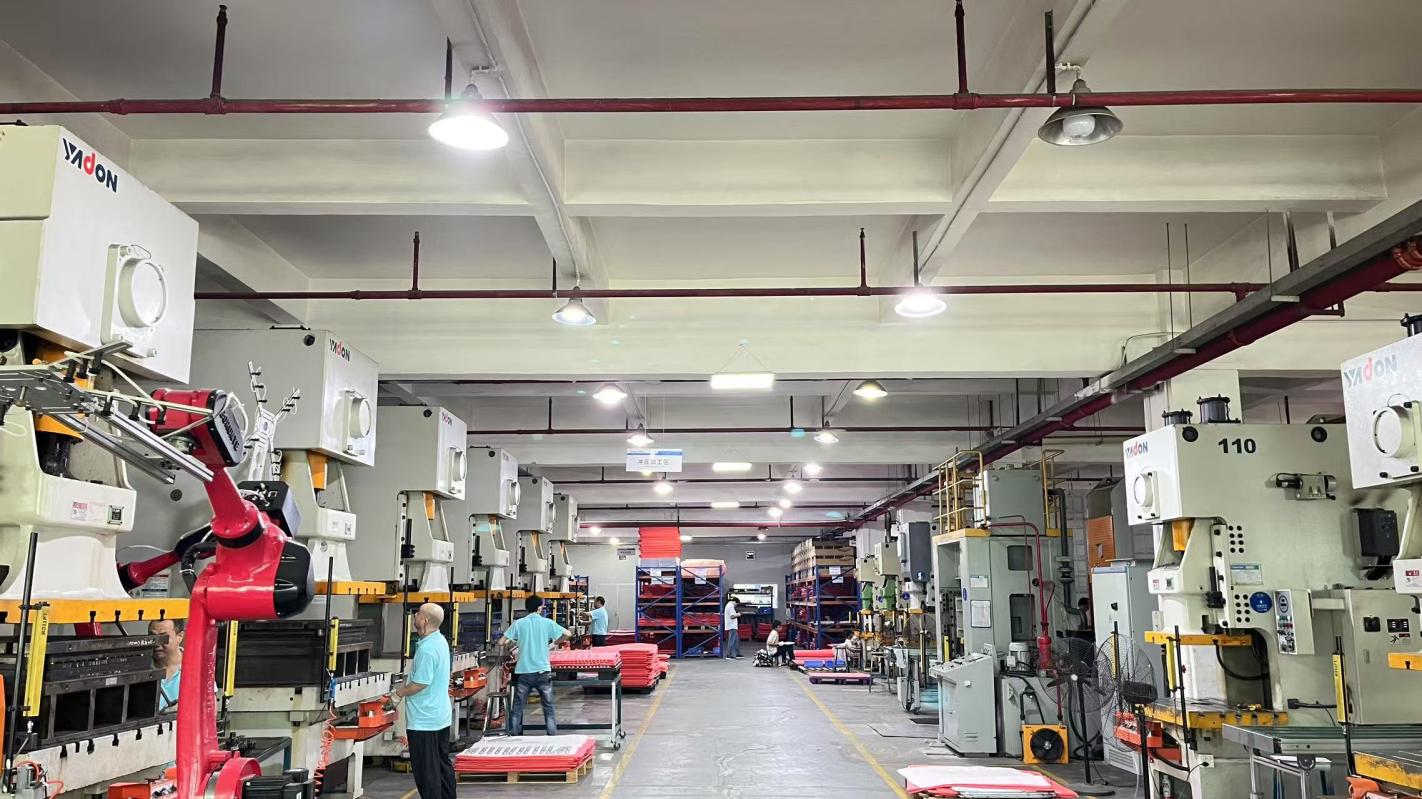
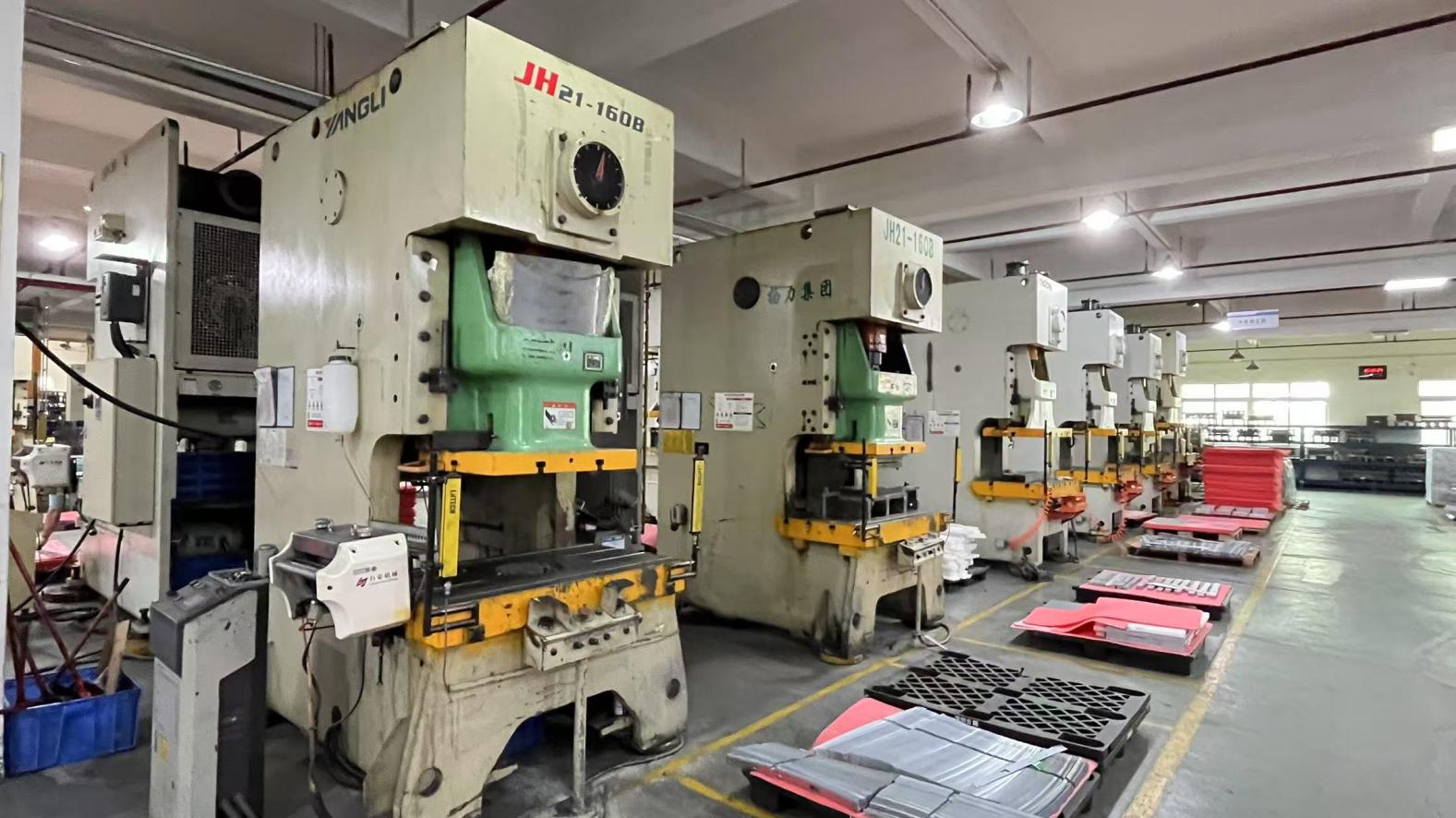
Take a look inside our modern facility in Shenzhen, where we combine assembly, burn-in diagnostics, and quality control systems to ensure product performance.
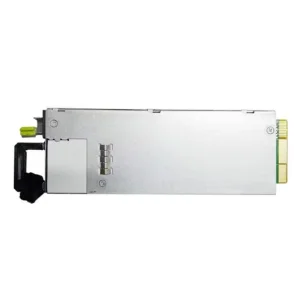
Ensure complete infrastructure compatibility. We supply platinum-rated redundant power supplies, high-capacity ECC memory ranks, and array control units to complete your server deployments.