Veltrixa
Veltrixa
Veltrixa
Explore our leading-edge high-performance computing, storage, and server platforms designed for massive enterprise workflows
The global data center ecosystem is undergoing a major technological shift. The rise of large language models (LLMs), AI deep learning clusters, and high-performance computing (HPC) has made conventional cooling methods obsolete. Legacy air-cooling methods, like Computer Room Air Conditioning (CRAC) and Computer Room Air Handler (CRAH) setups, struggle to manage the heat generated by modern hardware. Modern processors, such as high-density GPU nodes and advanced accelerators, often require more than 400W to 1000W per socket, pushing rack thermal densities past 30kW up to 100kW+.
As a leading Chinese manufacturer and exporter of data center infrastructure and advanced cooling solutions, Shenzhen Veltrixa Intelligent Computing Co., Ltd. is at the forefront of this industrial shift. We design thermal management systems that allow global operators to reduce energy use, lower Power Usage Effectiveness (PUE) ratings, and ensure consistent compute performance under demanding workloads.
Achieving stable thermal control at scale requires choosing the right technology path. Veltrixa’s R&D team tracks and develops solutions across three primary liquid cooling technologies:
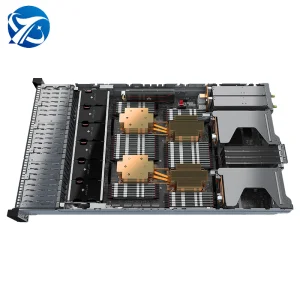
Uses microchannel copper cold plates directly attached to CPUs/GPUs. Liquid coolant runs through the plates to absorb heat and carry it to an external dry cooler. This is currently the most popular method for retrofitting existing data centers.
Servers are submerged directly in a bath of non-conductive dielectric fluid. Heat transfers directly from all component surfaces to the fluid. Available in single-phase (fluid circulates via pump) or two-phase (fluid boils and condenses) setups.
Active or passive radiator doors replace the rear panel of standard server racks. Chilled water or refrigerant loops through the door, cooling the hot exhaust air before it exits back into the room.
Liquid cooling does not just improve thermal performance; it also helps reduce system wear. Large temperature changes degrade semiconductor layers over time due to mismatched thermal expansion rates. By using precise liquid loop controllers, Veltrixa systems maintain stable core junction temperatures, helping to extend the operational life of expensive server hardware.
Environmental policies worldwide are setting stricter targets for energy consumption in data centers. Europe's Energy Efficiency Directive, US state-level policies, and China's dual-carbon policies require operators to lower their Power Usage Effectiveness (PUE) ratings toward 1.15 or lower. Standard air-cooled facilities often average a PUE of 1.4 to 1.6, meaning that up to 60% of the energy used for compute is consumed by cooling systems.
| Cooling Architecture | Avg. Power Dissipation Limit | Achievable PUE Range | Water Consumption (WUE) | Retrofit Capability |
|---|---|---|---|---|
| Legacy Air (DX CRAC) | Up to 15 kW / Rack | 1.40 - 1.80 | Low to Medium | Base Standard |
| Direct-to-Chip (D2C Liquid-to-Air) | Up to 45 kW / Rack | 1.20 - 1.30 | Minimal | High (Uses standard racks) |
| Direct-to-Chip (D2C Liquid-to-Liquid) | Up to 100 kW / Rack | 1.08 - 1.15 | Optimized via dry coolers | Medium (Requires secondary facility loop) |
| Single-Phase Immersion | 100 kW+ / Rack | 1.03 - 1.08 | Very Low | Low (Requires specialized tanks) |
Veltrixa designs custom, integrated cooling architectures that help operators meet these targets. Our dry coolers, coolant distribution units (CDUs), and secondary piping loops are engineered to work together smoothly. By replacing energy-heavy mechanical chillers with intelligent free-cooling systems, our solutions enable data centers in cooler climates to use external air for heat rejection, lowering PUE and operational costs.
Shenzhen Veltrixa Intelligent Computing Co., Ltd. combines advanced manufacturing with reliable quality control
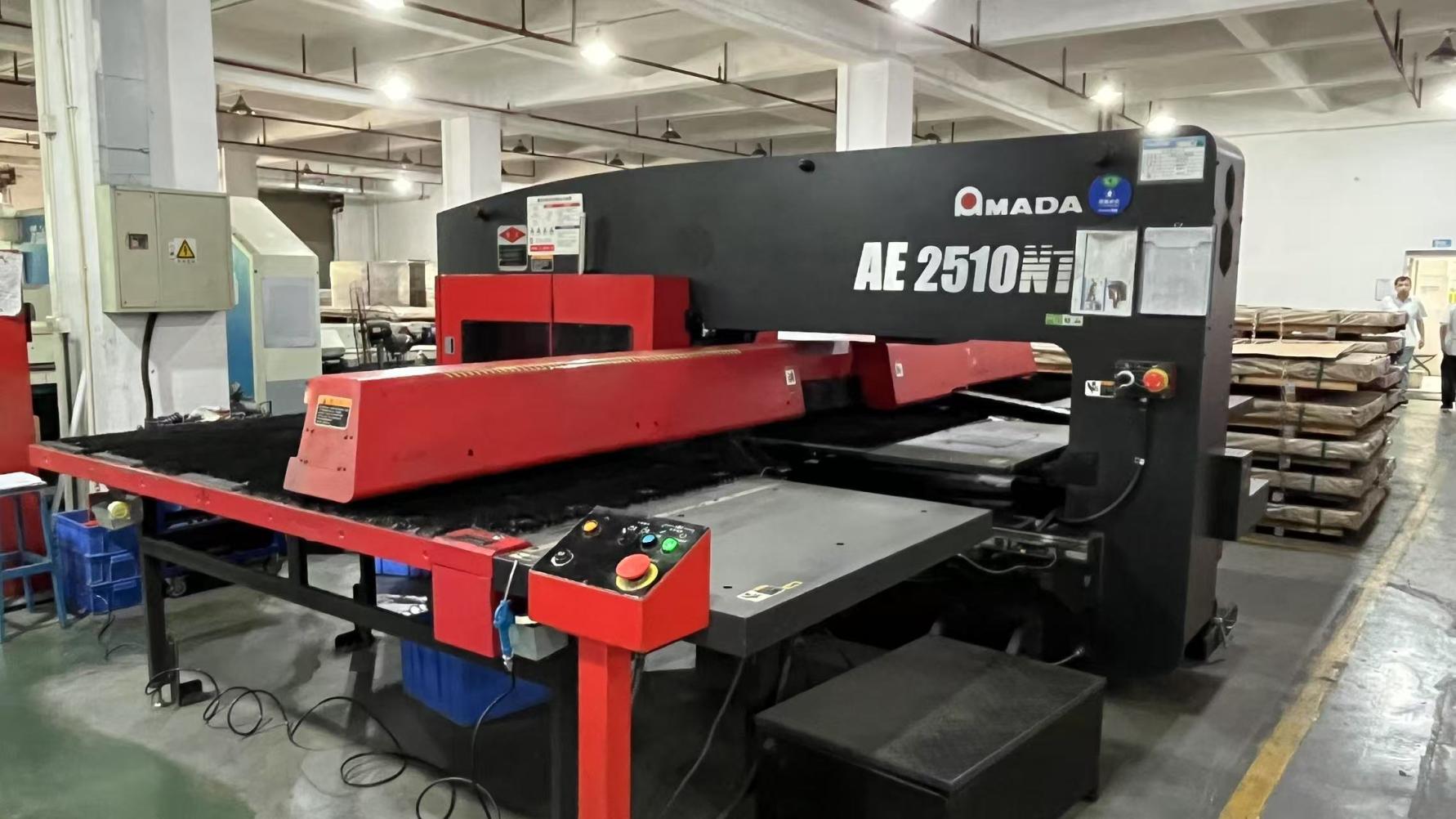
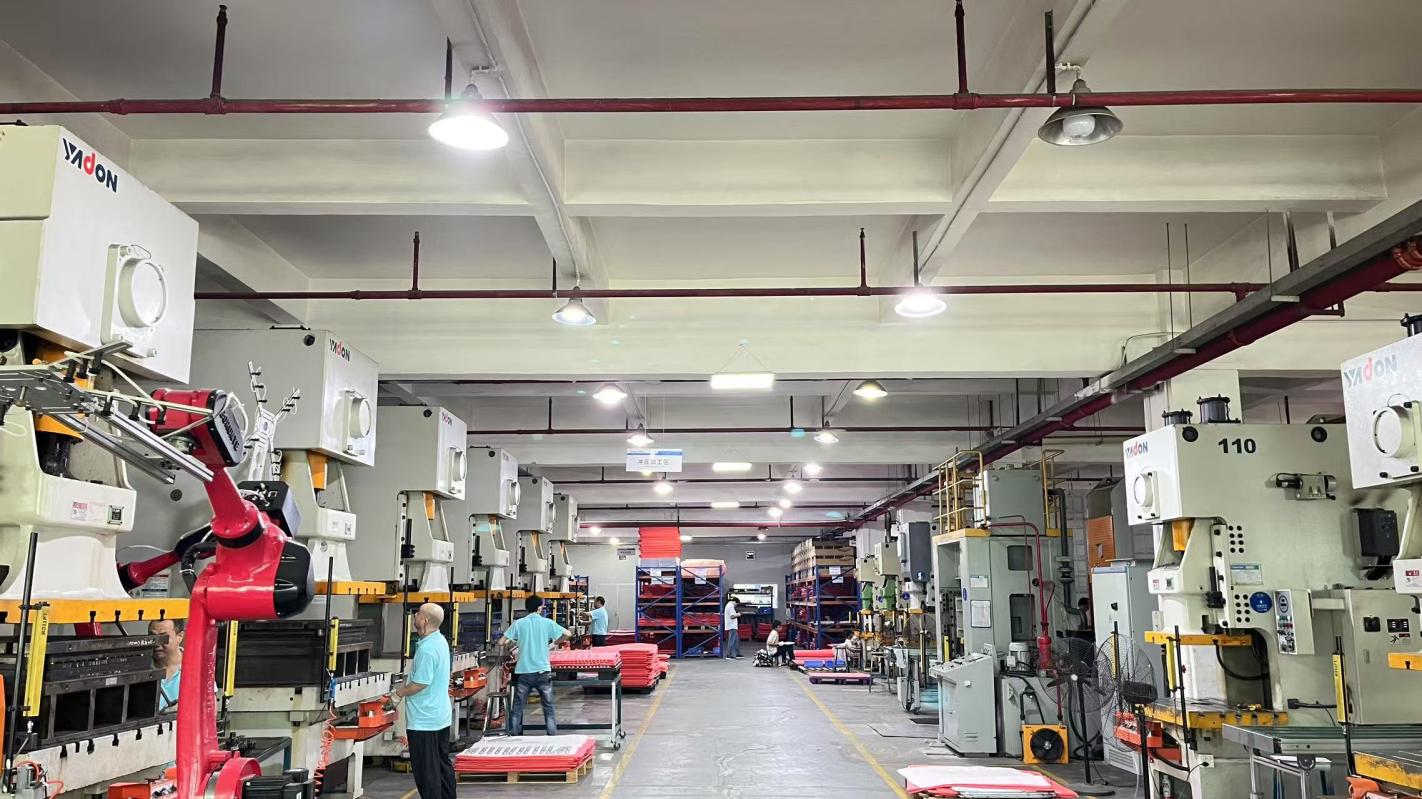
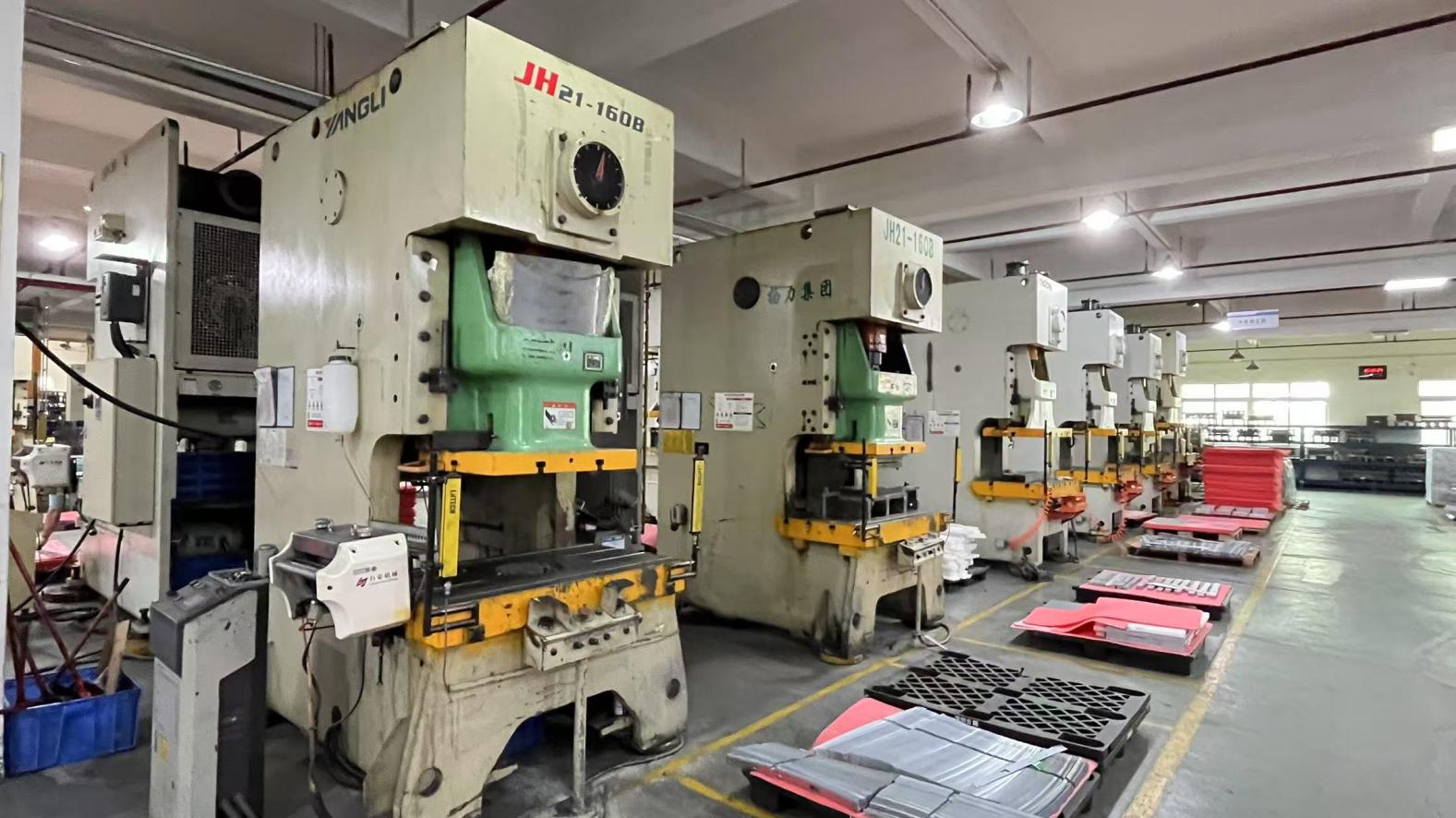
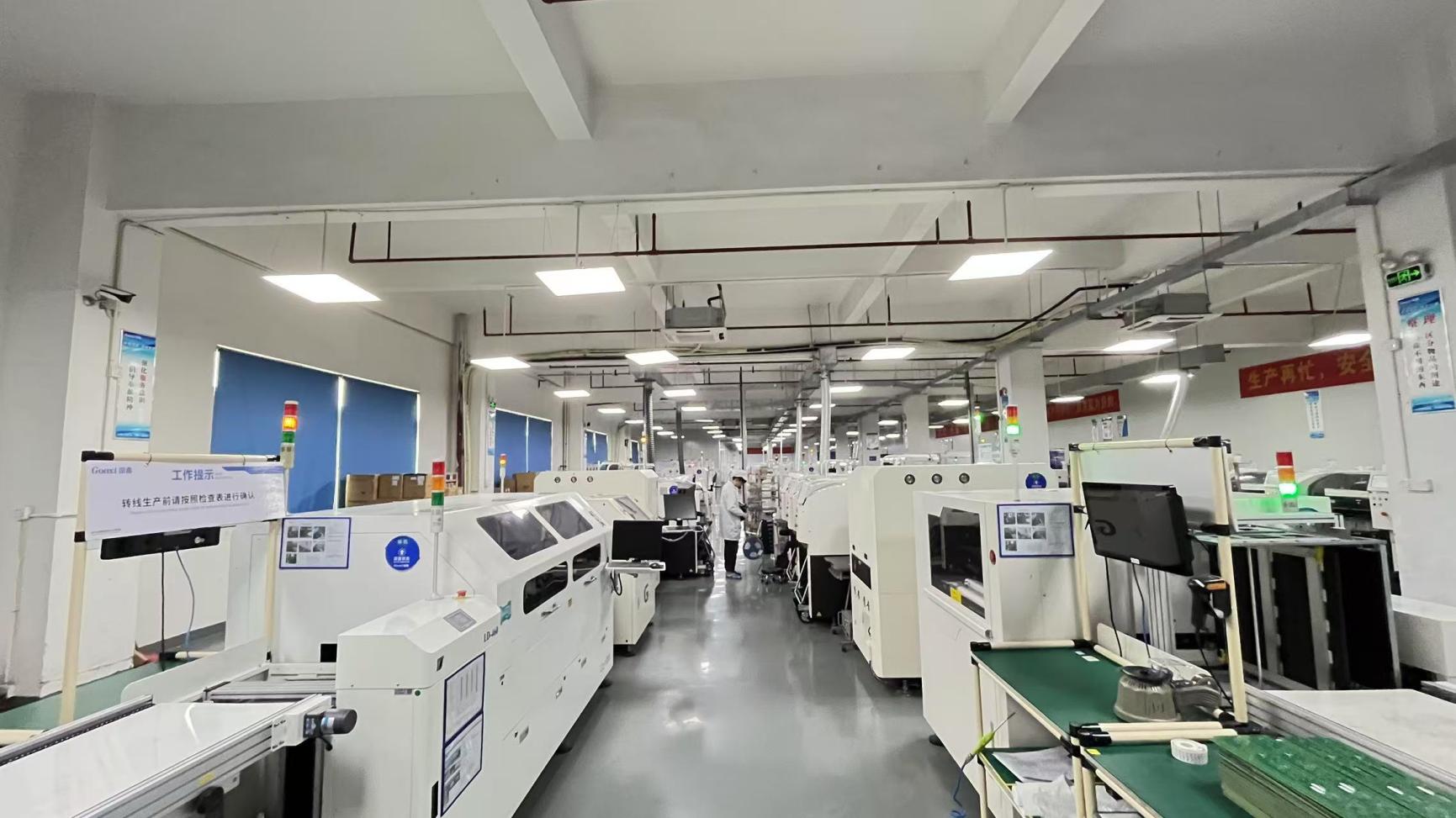
Shenzhen Veltrixa Intelligent Computing Co., Ltd. operates a high-precision integration and validation facility in the high-tech hub of Shenzhen, China. Our core design and testing site covers 386 m² and is set up for rapid prototyping, thermal testing, and quality control. To support large-scale rollouts, we partner with a supply chain network of over 1,280 verified partners. This hybrid manufacturing approach allows us to scale production up or down quickly based on project demand.
Our quality assurance protocol includes a 100% pre-shipment inspection process managed by our team of 46 quality control experts. We test and validate every thermal manifold, cold plate, and CDU before dispatch to ensure leak-free performance. Our testing protocols include:
Upgrading to liquid cooling involves shifting capital expenditures (CAPEX) to lower long-term operating costs (OPEX). While liquid-cooling manifolds, CDUs, and dry coolers require a higher initial investment than traditional air-cooling units, they offer significant operational savings. Reducing fan speed, cutting out compressor cycles, and utilizing waste heat can help pay back the upgrade costs in 18 to 36 months, depending on local power costs and workloads.
Additionally, modern compute clusters run more efficiently when kept at a stable, lower temperature. Silicon components run faster and consume less power when they are kept cool. Liquid cooling helps prevent thermal throttling, allowing cloud service providers and enterprise operators to maximize their compute output per watt.
Veltrixa serves clients globally, exporting to North America, Western Europe, Southeast Asia, the Middle East, and Australia. Our products are designed to meet local standards and regulations, including:
Verified operations, engineering team capabilities, and system testing environments
| Strategic Indicator | Veltrixa Operating Capability Details |
|---|---|
| Company Name | Shenzhen Veltrixa Intelligent Computing Co., Ltd. |
| Established | 2017 |
| Core R&D Facility Area | 386 m² (Shenzhen, China) |
| Industry Experience | 12 Years |
| R&D Engineering Team | 86 Engineers |
| New System Releases (Last Year) | 124 Products |
| Main Markets Served | North America, Western Europe, Southeast Asia, Middle East, Australia |
| Customization Capabilities | Full OEM, ODM, Private Label, Custom Manifolds, Rack-Level Integration |
Yes. Our Direct-to-Chip (D2C) cold plates are designed to be low-profile, allowing them to fit within standard 1U/2U spacing. We customize the bracket design and pipe routing to match your motherboard layouts, so you can transition to liquid cooling without replacing your existing racks.
For primary loops, we recommend high-purity water treated with corrosion inhibitors and biocide (e.g., propylene glycol formulations). This protects internal copper channels from scale buildup, corrosion, and biological growth, helping to keep heat transfer running efficiently.
We design our systems with multiple layers of leak protection. We use blind-mate quick-disconnect couplings with double shutoff valves to prevent drips during servicing. We also install leak detection ropes in the chassis base, and configure our CDUs to monitor pressure and sound alarms if a drop in pressure is detected.
High-quality synthetic hydrocarbons and fluorinated dielectric fluids are chemically stable and typically do not break down over time. With proper filtration and regular monitoring to prevent external contamination, these fluids can remain effective for over 10 to 15 years.

Select options for hardware expansion, networking, and critical server component sourcing