Veltrixa
Veltrixa
Veltrixa
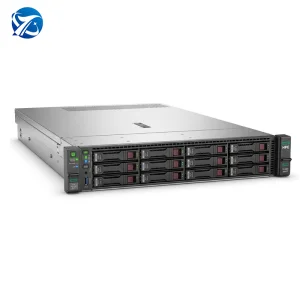
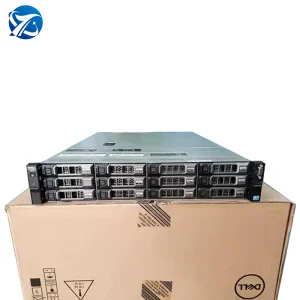
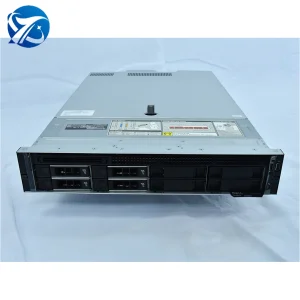
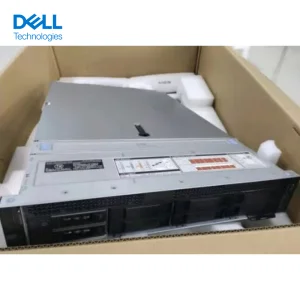
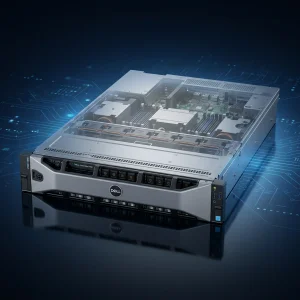
Select high-performance servers, scalable memory architectures, and storage systems engineered for cloud environments and complex AI workloads.
Shenzhen Veltrixa Intelligent Computing Co., Ltd. is an industry-leading manufacturer and custom solution designer specializing in AI GPU computing, HPC systems, hybrid cloud infrastructure components, and high-density liquid-cooled systems. Since our launch in 2017, we have combined deep technical expertise with state-of-the-art production systems to support data center operators, system integrators, and enterprises globally.
Operating a modernized facility in Shenzhen, China, Veltrixa manages complex configurations, full-scale system benchmarking, and OEM/ODM projects tailored to exact processing demands. We are structurally positioned to address the complex requirements of next-generation hybrid topologies, providing bare-metal compute capacity integrated seamlessly with major cloud frameworks.
Modern workloads cannot survive on generic public cloud solutions alone. Issues concerning data residency (compliance under GDPR/HIPAA), high network ingress/egress fees, and latency performance profiles have accelerated the global adoption of hybrid cloud architectures. Organizations split tasks strategically: executing stable, highly secure data pipelines and complex machine learning training locally on bare-metal systems, while bursting to public hyperscalers for dynamic overflow workloads.
However, optimizing this balance requires specialized server setups. Enterprise hybrid cloud systems demand hardware featuring fast data paths (PCIe Gen 5, high-bandwidth memory), scalable storage architectures, and highly efficient network interfaces. By customizing bare-metal systems directly at the factory, buyers can select components matched to their virtualization hypervisors (such as VMware vSphere, OpenStack, or Proxmox VE), ensuring hardware-level optimization and security.
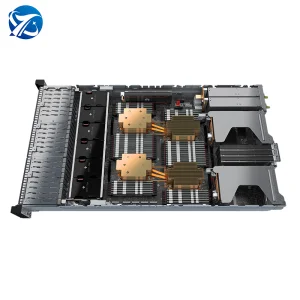
We implement advanced liquid-to-air loop configurations and custom-engineered heat pipes to sustain peak processor operations, preventing thermal throttling in high-density rack configurations.
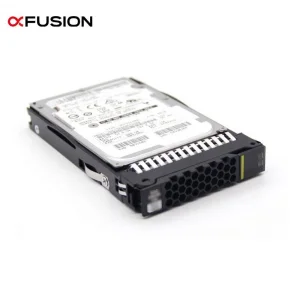
By pairing high-speed enterprise NVMe drives (such as the PM893 series) with hardware RAID controller modules, our units deliver low-latency caching and fast write-throughput essential for database nodes.
Integrate Hardware Root of Trust (RoT), secure boot protocols, and TPM 2.0 modules to maintain strict cryptographic isolation in shared tenant private clouds.
Shenzhen acts as the hardware capital of the global computing industry, offering structural advantages for custom infrastructure deployment:
Enterprise IT infrastructure varies heavily by industry. Below is a breakdown of how customized server deployment configurations support distinct business needs:
Requires ultra-low latency configurations, local hardware RAID arrays, and strict isolation. We deploy high-frequency multi-socket servers with redundant hot-swap power units for continuous availability.
Requires high-density PCIe lane allocation for GPU clusters, large DDR5 RDIMM memory pools, and optimized networking for unified resource access during distributed training.
Requires low-latency processing systems inside facility walls. Compact, dust-resistant rack setups process local sensor streams and pass optimized telemetry up to core cloud pools.
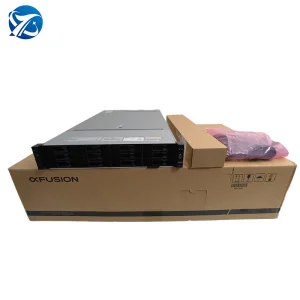
Purchasing server hardware at scale requires attention to logistics, configuration specifications, and lifecycle support. Our structural global support model includes:
Critical performance and configuration questions answered by our engineering team.
Enterprise PM893 series SSDs incorporate hardware tantalum capacitors that provide temporary reserve energy (Power Loss Protection - PLP) during sudden power outages. This ensures cached flight data in the volatile controller DRAM is written safely to persistent NAND flash, preventing directory corruption.
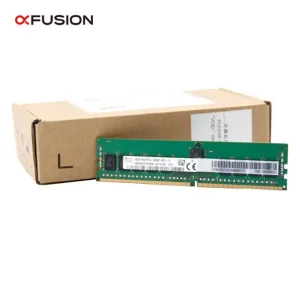
DDR5 RDIMM memory operates at significantly higher frequencies (up to 6400MHz) and operates with lower operating voltages (1.1V compared to 1.2V/1.5V on DDR4). Additionally, DDR5 introduces on-die ECC (Error Correction Code) and dual 32-bit subchannels per DIMM, which increases memory access parallelism and reliability.
Hardware controllers, like the LSI 9560-16i, feature dedicated processors and onboard cache (such as 8GB write-back cache) to offload parity calculations from the host CPU. By utilizing PCIe 4.0 lanes, they maintain high throughput and rebuild speeds during storage failure events without degrading application performance.
Consistently elevated operating temperatures accelerate silicon degradation. By optimizing airflow, implementing high-grade thermal interfaces, and utilizing 2U heat pipe sinks, we keep CPU/GPU temperatures within optimal ranges, extending the mean time between failures (MTBF) of critical computing components.
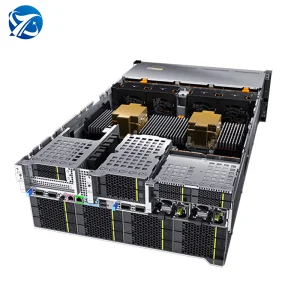
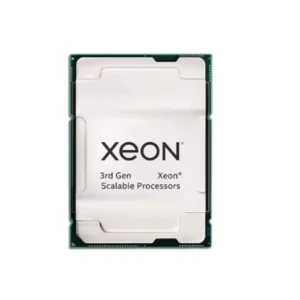
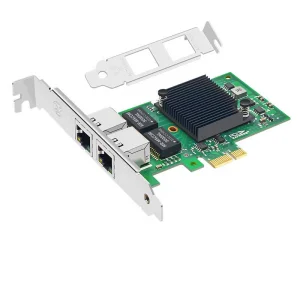
Scale infrastructure configurations with DDR5 ECC modules, multi-socket processors, and low-latency PCI Express storage controllers.
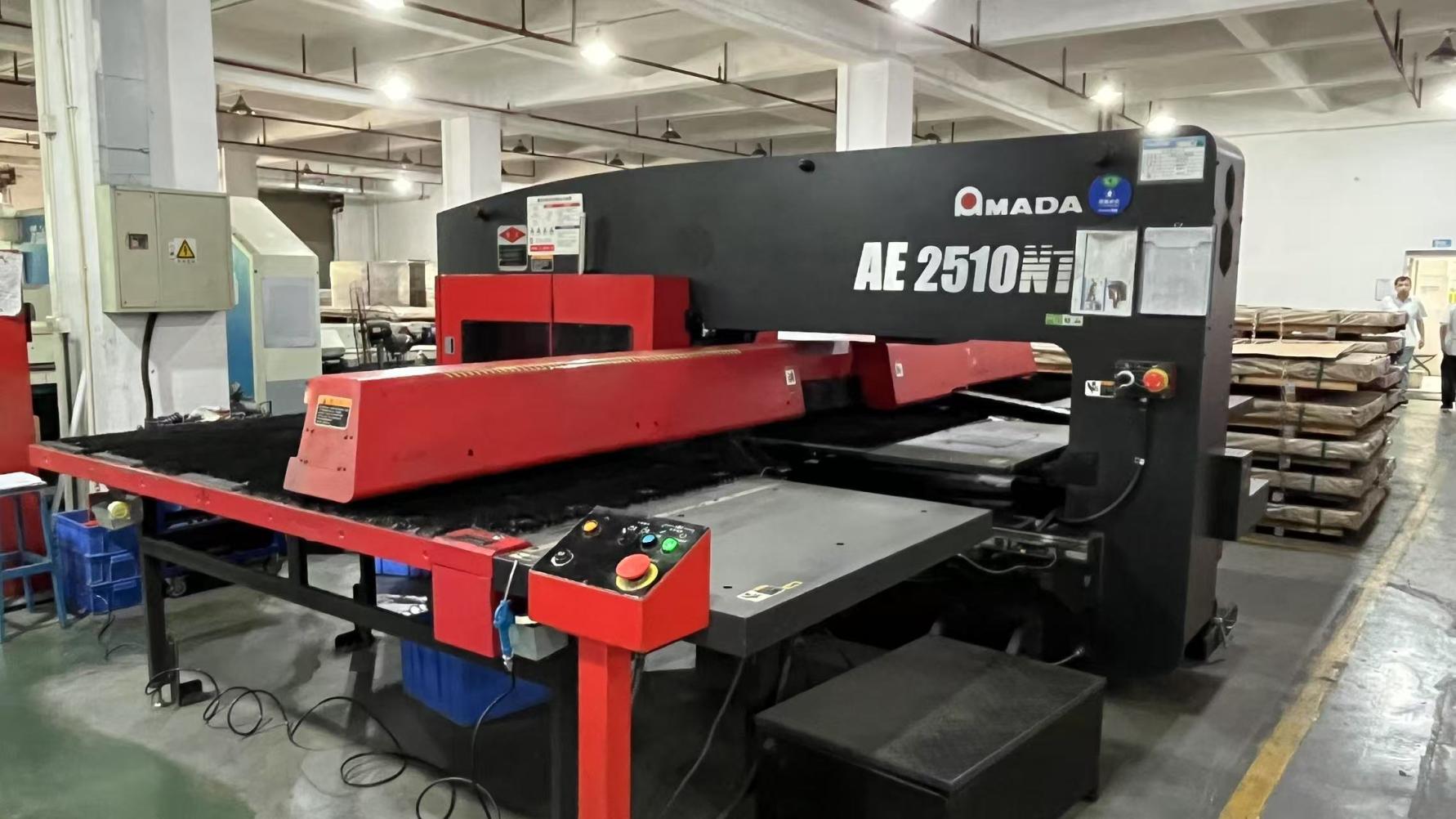
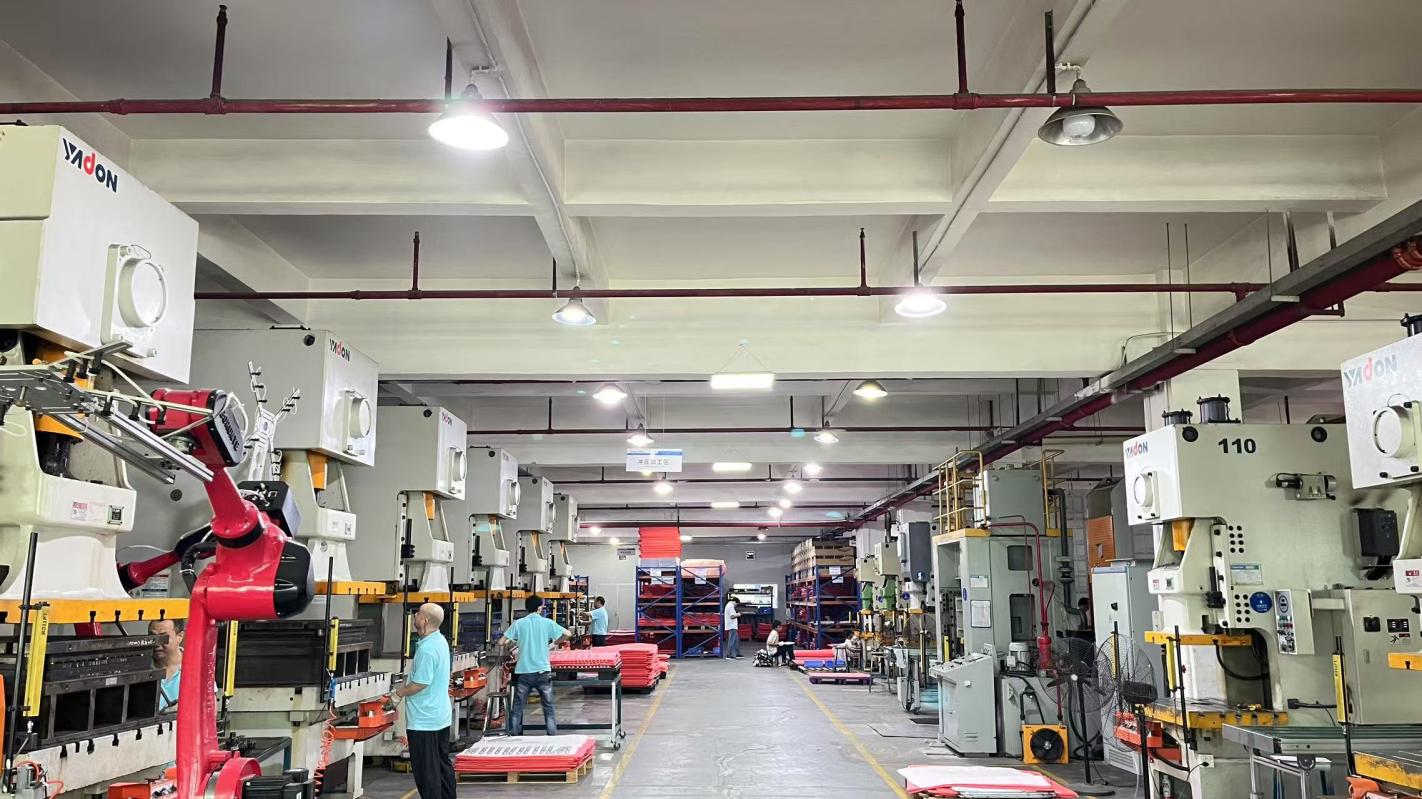
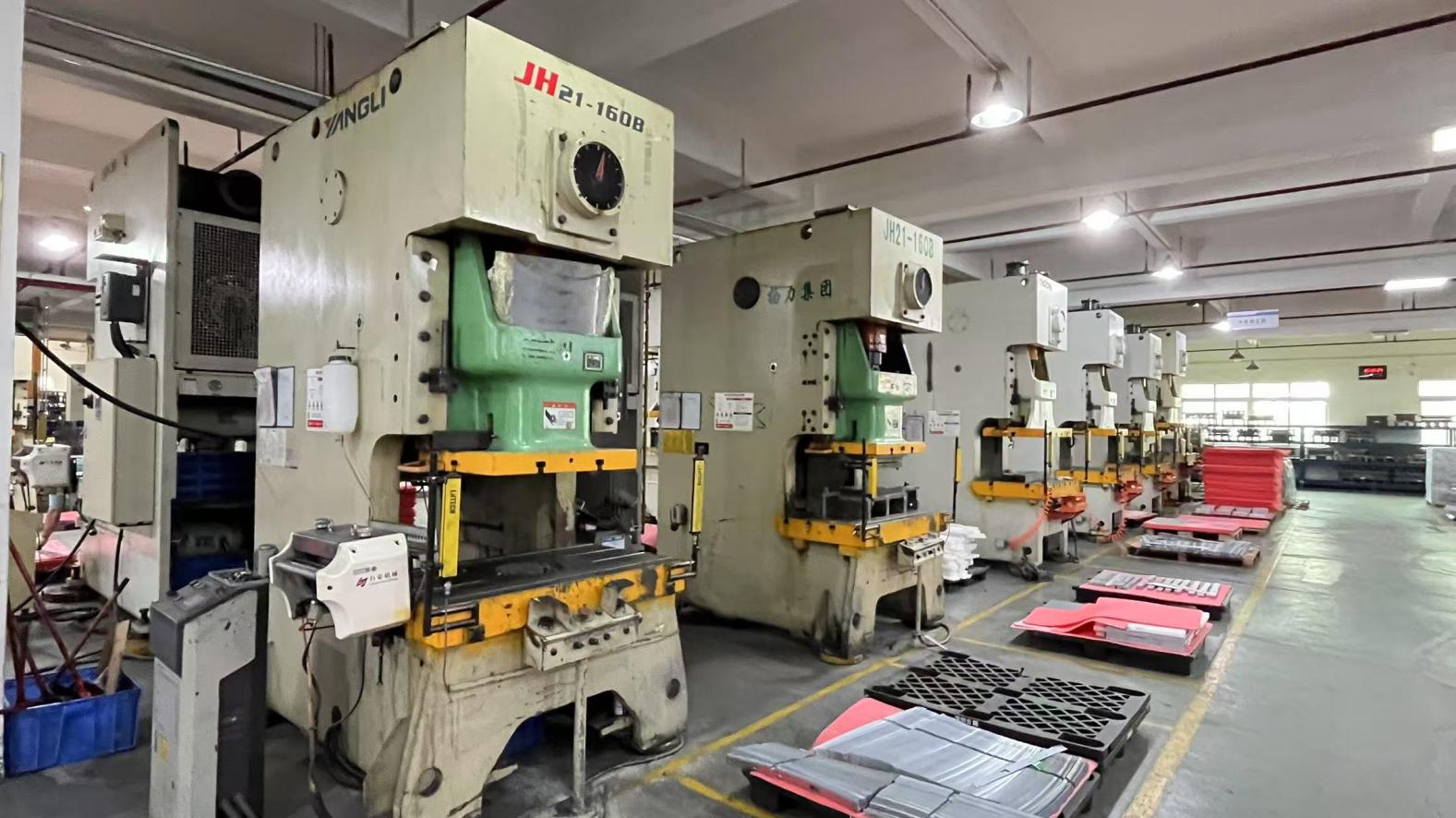
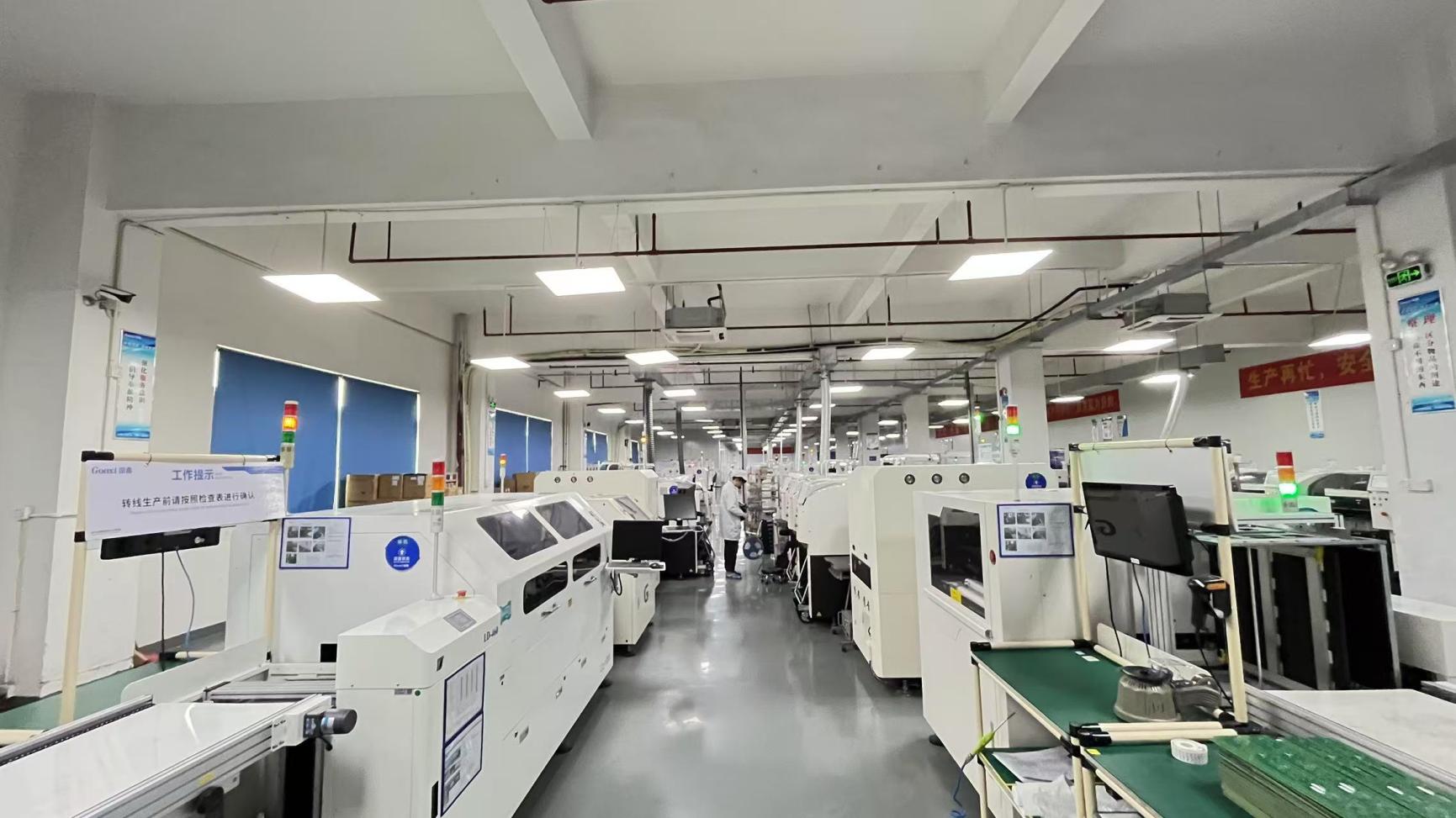
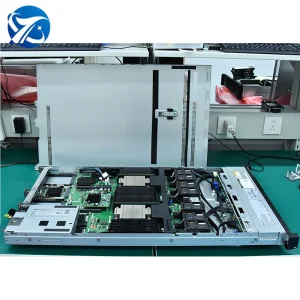
Inside Veltrixa's assembly facilities, QC verification labs, and logistics centers.