Veltrixa
Veltrixa
Veltrixa
Explore our premium selection of computing server platforms and network accessories ready for application delivery configurations.
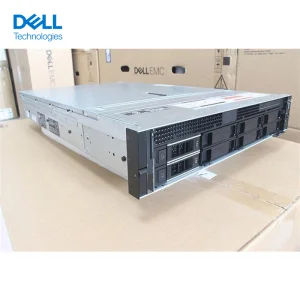
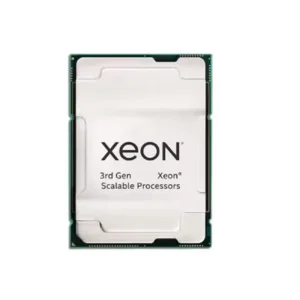
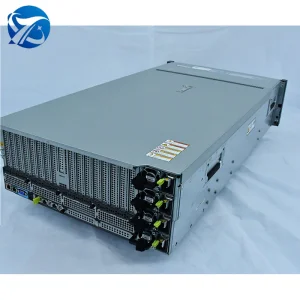
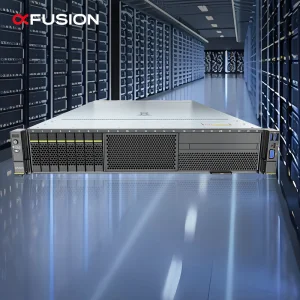
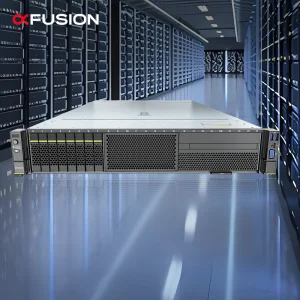
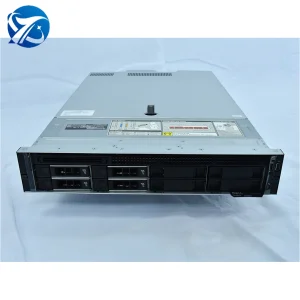
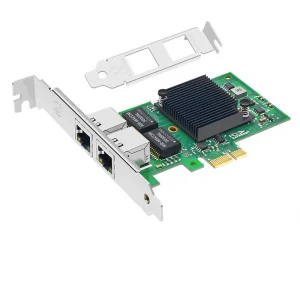
How the paradigm shift from custom hardware ASICs to high-density x86 clusters is rewriting network architecture.
In modern hyper-scale IT deployment schemes, the demand for enterprise Application Delivery Controllers (ADCs) and hardware load balancers has expanded exponentially. As global web traffic transitions to complex application layers (Layer 7 traffic orchestration), static load distribution models have become obsolete. Contemporary infrastructures require intelligent Layer 4 (L4) transport protocol management and highly granular Layer 7 (L7) application inspection to distribute incoming workloads across heterogeneous server clusters.
Historically, proprietary hardware appliances dominated this sector. However, the modern enterprise has shifted towards software-defined load balancing engines running on highly optimized, high-density hardware platforms. Deploying load balancing engines (such as HAProxy, NGINX Plus, or custom DPDK-based applications) over reliable rack server platforms from manufacturers in China allows companies to combine absolute software flexibility with optimized, cost-effective physical architecture.
Optimize packet routing at the TCP/UDP transport level (L4) or analyze HTTP/HTTPS headers, session cookies, and payloads (L7) for granular traffic direction.
Terminate secure socket layers at the load balancing hardware level to liberate backend application servers from CPU-intensive cryptographic tasks.
Utilize the Data Plane Development Kit (DPDK) to bypass the OS kernel, allowing network packets to flow directly from the physical interfaces to the load balancing engine.
A premier Chinese manufacturer supplying customized, high-performance load balancing computing platforms globally.
Established in 2017, Shenzhen Veltrixa Intelligent Computing Co., Ltd. stands as a primary system integrator, developer, and manufacturer focusing on high-density cloud hardware, AI GPU servers, network switches, and custom rack implementations. With over 12 years of industry experience and 7 years of pure export operations, Veltrixa empowers global enterprises, cloud operators, and system integrators with advanced computing hardware.
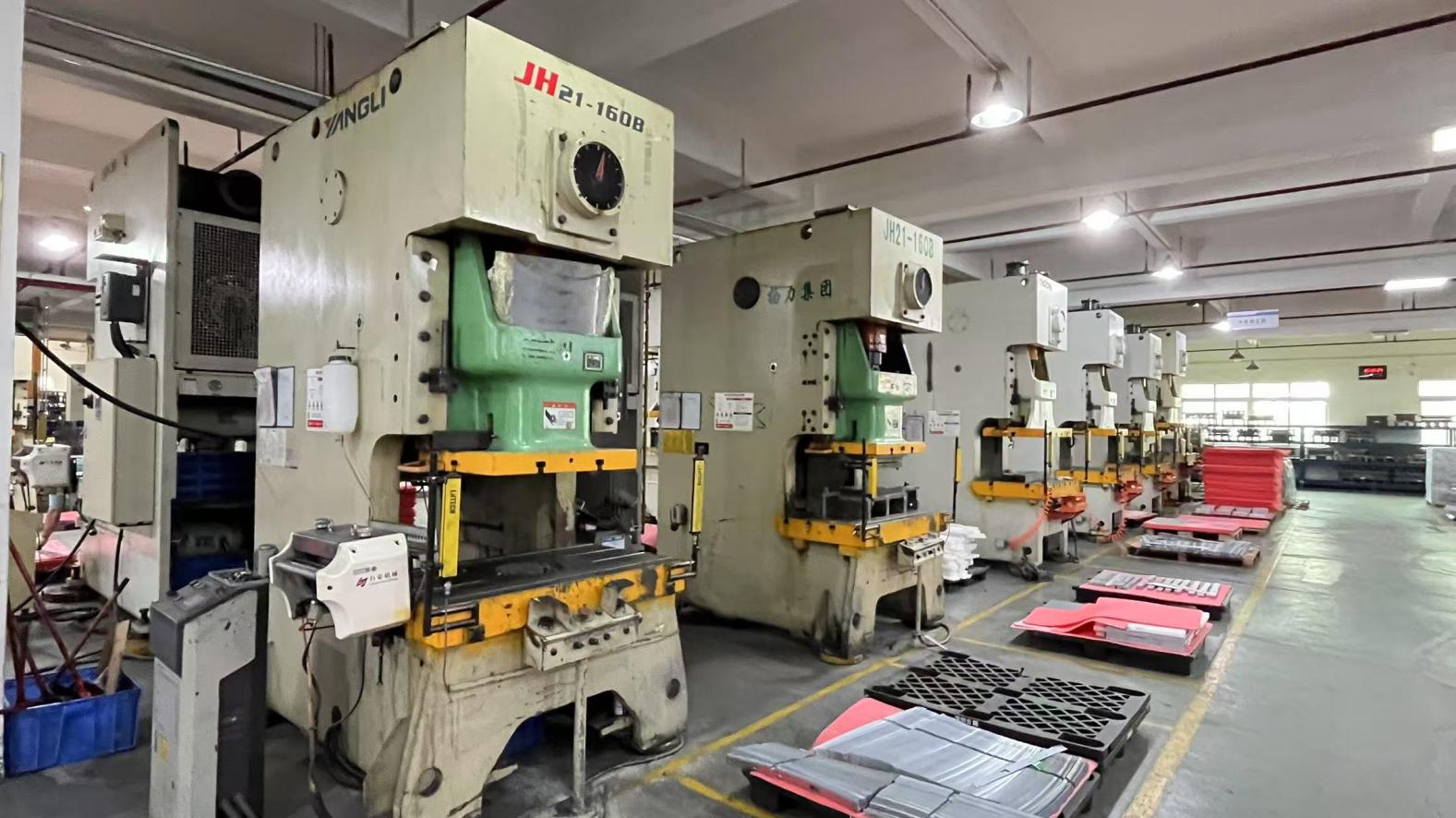
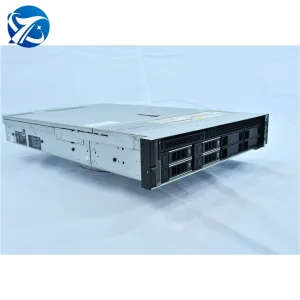
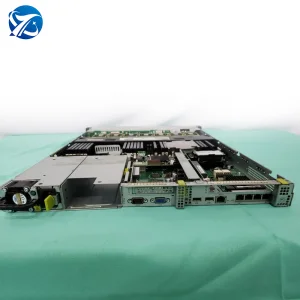
Our facility, located in the hardware capital of Shenzhen, utilizes advanced structural testing, thermal calibration setups, and performance verification nodes to yield reliable, customized products. Through close collaboration with leading network equipment vendors, Veltrixa specializes in tailoring bare-metal 1U/2U server platforms to host high-availability load balancing applications.
Sourcing server and load balancer platforms from China, specifically Shenzhen, introduces clear tactical advantages for data center managers. The core advantage revolves around structural supply chain convergence. Within a 10-kilometer radius, manufacturing engineering processes converge—allowing rapid routing of multi-layer PCBs, custom metalwork for 1U/2U server chassis, customized power supply integration, and instant structural adjustments based on clients' technical demands.
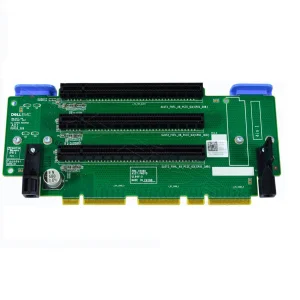
Furthermore, our 86 R&D Engineers launched 124 new products last year alone, proving our capacity to quickly adapt to the latest technological upgrades. When global buyers demand specific physical adjustments (e.g., custom PCIe spacing, thermal enhancements, dual redundant power configurations, or localized IPMI firmware modifications), Veltrixa implements design alterations in days, rather than the months required by facilities outside of China.
| Manufacturer Metric | Veltrixa Capabilities | Strategic Advantage for Global Buyers |
|---|---|---|
| R&D Staff Count | 86 Specialized Engineers | Rapid chassis modification, BIOS tuning, and system optimization. |
| Supply Chain Network | 1,280+ Tier-1 Partnerships | Guaranteed allocation of components (Xeon CPUs, DDR4/DDR5 RAM, high-speed NICs). |
| Annual Innovation Output | 124 Products Released Annually | Instant alignment with modern technological trends like PCI-e Gen5 and Liquid Cooling. |
| OEM/ODM Scope | Full Private Label, Hardware & firmware customizations | Tailor-made load balancing systems optimized for dedicated applications. |
Modern traffic redirection workloads differ based on localized industrial environments. The load balancer is no longer a static router; it must adapt to complex application tasks:
AI training architectures (utilizing servers like the FusionServer G5500 V6) require dynamic distribution of massive datasets across multiple GPU components. In these scenarios, Veltrixa-engineered network switches and load-balancing servers manage data flows to prevent compute engines from stalling due to data starvation.
Edge installations require platforms with a shallow depth (e.g., 1288H V6 short-depth units). Working as local caching points, these systems run load balancers to route dynamic subscriber requests locally, minimizing latency to central clouds.
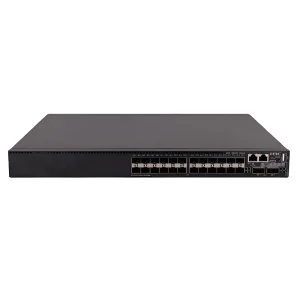
High-frequency trading environments rely on rapid throughput. Integrating multi-port switches, such as the H3C S6520X-30QC-EI, with Xeon processor architectures ensures high L4 throughput and minimal microsecond delays during market spikes.
When procurement managers analyze potential China-based manufacturers, they must verify specific technical and logistics capabilities. These factors ensure high performance, reliable delivery, and long-term hardware support:
Additionally, the transition to next-generation system architectures requires close attention to structural customization options. Whether you require standard 19-inch rack-mount configurations or custom server dimensions for shallow telecom enclosures, Shenzhen Veltrixa ensures structural alignment to match your project demands.
Get answers to common technical and sourcing questions regarding load balancing hardware and OEM server manufacturing.
Yes. Our team of 86 R&D engineers can modify BIOS settings, adjust IPMI configurations, and ensure compatibility with specialized Linux distributions (such as custom Debian or Red Hat Enterprise builds) optimized for traffic routing applications.
Physical server nodes provide direct hardware access. By pairing Xeon processors with fast PCIe slots and SmartNICs, hardware nodes handle millions of concurrent connections, resolve SSL handshakes via hardware cryptoprocessors, and bypass virtualized hypervisor overhead.
Our QC staff applies a rigorous pre-shipment inspection process, including structural checkups, high-temperature burn-in chambers, multi-gigabit network load loop tests, and thermal validation tests to ensure components operate reliably under continuous traffic loads.
Yes. We provide flexible OEM and ODM services. Thanks to our local supply chain in Shenzhen, we can manufacture small test batches of customized servers and switches for validation before scaling up to full production.
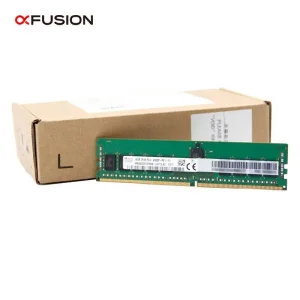
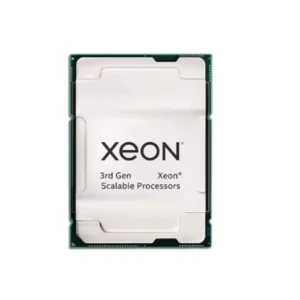
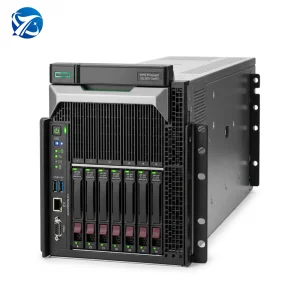
A secondary collection of processors, memory options, switches, and server components to build high-availability load balancing clusters.

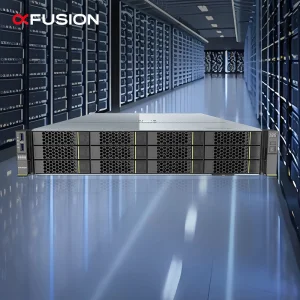
Take a look at the testing systems, production lines, and quality verification facilities inside Shenzhen Veltrixa Intelligent Computing Co., Ltd.