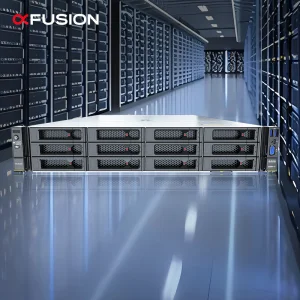
Veltrixa
Veltrixa
Veltrixa
Discover our primary product inventory, including advanced rack systems, optimized server platforms, and mission-critical network components ready for integration with bespoke thermal solutions.
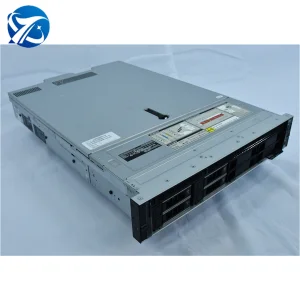
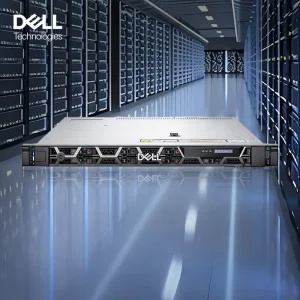
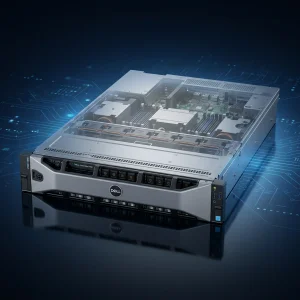 New Dell R740 R750 R760 Ai Servers Poweredge Rack For Pc Nas Datacenter Cases Cache Network Computer Gpu Sale Shenzhen Server
View Details
New Dell R740 R750 R760 Ai Servers Poweredge Rack For Pc Nas Datacenter Cases Cache Network Computer Gpu Sale Shenzhen Server
View Details
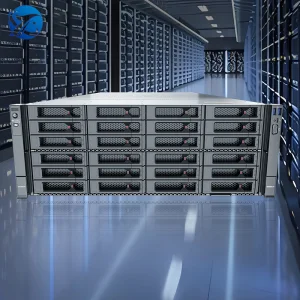
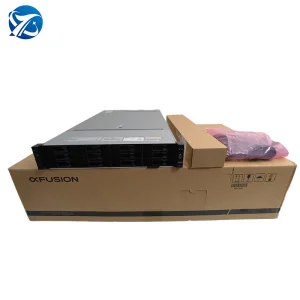 xFusion 2258 V7 Data Ai Computer Servers Deepseek 2025 Storage Network Buy Nas Gpu Rack Server
View Details
xFusion 2258 V7 Data Ai Computer Servers Deepseek 2025 Storage Network Buy Nas Gpu Rack Server
View Details
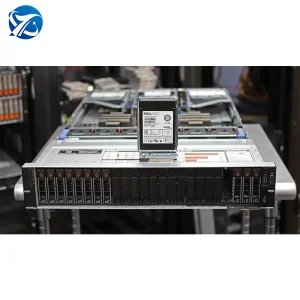
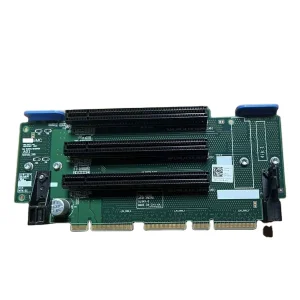 PM3YD 0PM3YD for Dell EMC PowerEdge R740 R740XD Right Riser Board PCI-E 3.0 Riser1 Card
View Details
PM3YD 0PM3YD for Dell EMC PowerEdge R740 R740XD Right Riser Board PCI-E 3.0 Riser1 Card
View Details
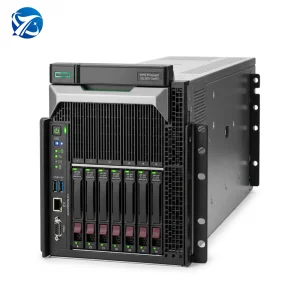 HPE ProLiant DL380 Gen12 Rack Server in Stock High Performance Flexible Customization for Business Needs
View Details
HPE ProLiant DL380 Gen12 Rack Server in Stock High Performance Flexible Customization for Business Needs
View Details
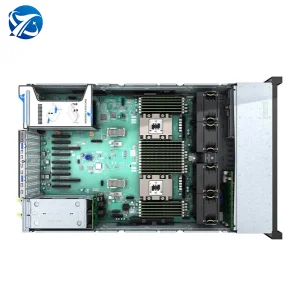 FusionServer 2488H V5 2U 4-Socket High Performance Rack Server for Mission-Critical Applications
View Details
FusionServer 2488H V5 2U 4-Socket High Performance Rack Server for Mission-Critical Applications
View Details
The rapid rise of large language models (LLMs) such as DeepSeek-R1, combined with dense multi-GPU compute clusters, has pushed modern data center thermals to an unprecedented precipice. Classic air cooling configurations struggle to cope as single GPU nodes routinely exceed 700W to 1000W TDP, and whole server racks approach 100kW thermal density.
To maintain stability, protect silicon lifespan, and limit power usage effectiveness (PUE) ratios, operators must transition to advanced liquid cooling infrastructures. From Direct-to-Chip (D2C) micro-channel cold plates to single-phase or two-phase immersion systems, cooling has evolved from standard facility maintenance to a core metric of computational performance.
A comparative overview of thermal management technologies engineered to sustain compute density while reducing environmental footprint.
Utilizes customized copper micro-channel cold plates placed directly on components (CPU, GPU, memory). Coolant flows through the loop to an external dry cooler. Captures up to 80-90% of heat directly, enabling rack densities beyond 80kW.
Liquid-to-Liquid or Liquid-to-Air Coolant Distribution Units manage fluid temperature, filtration, flow rates, and pressure. Ensures precise temperature control for thermal interfaces and prevents condensation across components.
Servers are completely submerged in a specially engineered dielectric fluid. Fluid circulates via natural convection or pumps to remove heat. Operates quietly, eliminates server fans, and lowers infrastructure cost.
A premier manufacturer and exporter specializing in GPU systems, high-density edge networks, and server rack cooling solutions since 2017.
Shenzhen Veltrixa Intelligent Computing Co., Ltd. is a leading manufacturer and solution provider specializing in AI GPU servers, high-performance computing (HPC) platforms, edge AI systems, and customized data center infrastructure. Established in 2017, the company is committed to delivering reliable, scalable, and high-efficiency computing solutions for enterprises, cloud service providers, AI startups, research institutions, and system integrators worldwide.
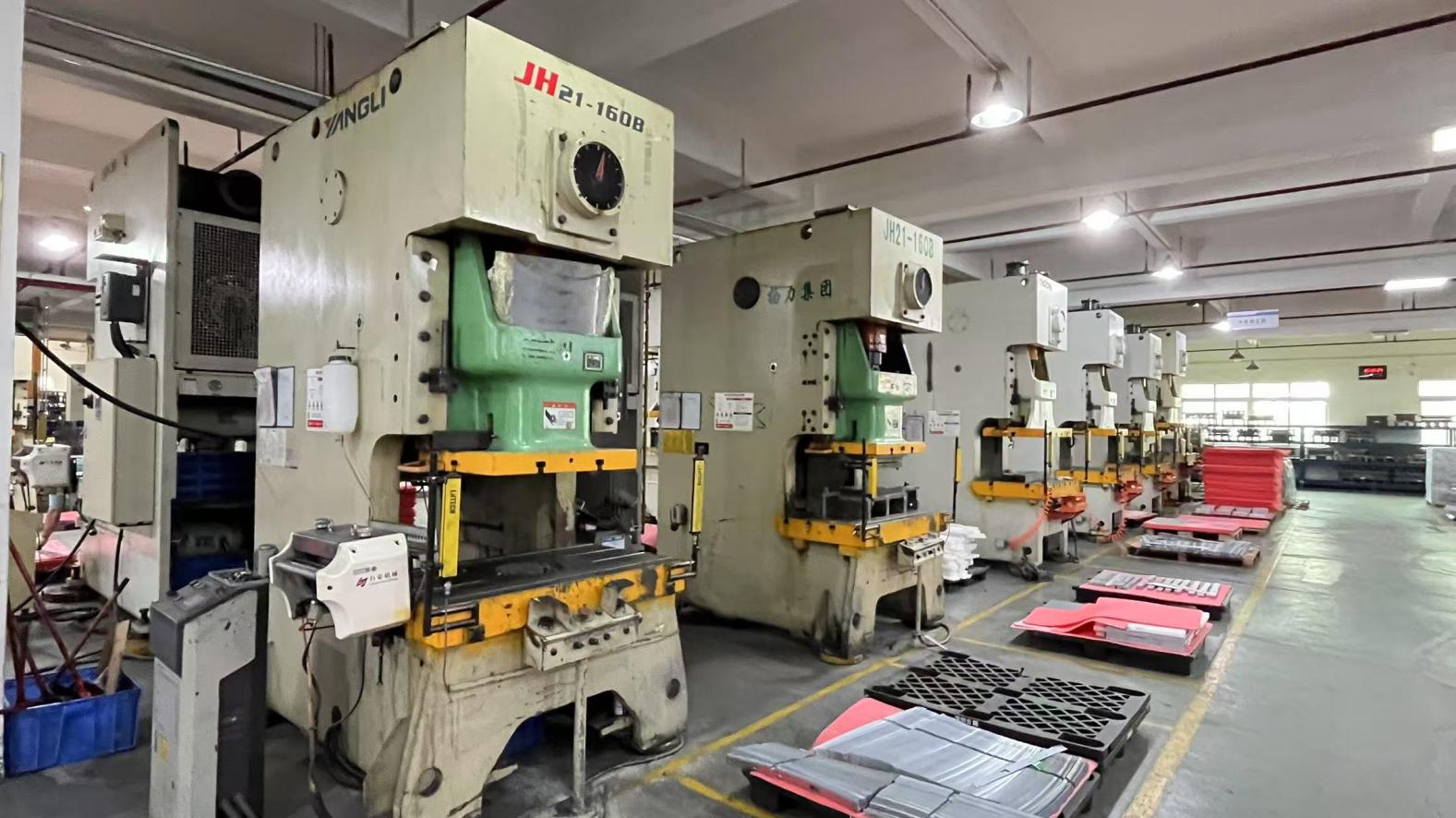
Located in Shenzhen, China, Veltrixa operates a modern production facility covering 386 m², equipped with advanced assembly, testing, and quality control systems. With a strong focus on innovation and customer satisfaction, we provide flexible OEM and ODM services tailored to diverse computing requirements.
| Business Type | Manufacturer & Exporter |
| Industry Experience | 12 Years |
| Export Experience | 7 Years |
| Main Markets | North America, Western Europe, Southeast Asia, Middle East, Australia |
Analyzing why China remains the global center for high-volume, precision manufacturing of thermal components.
China's manufacturing ecosystems provide distinct structural advantages for the design and production of advanced server cooling setups. The integration of structural raw materials (high-purity copper, specialized aluminum alloys) with advanced electronics component clusters reduces procurement lead times by up to 50% compared to Western hubs.
From raw tooling and high-precision CNC machining of micro-channels to final validation testing, the entire lifecycle is housed within localized industrial parks in Shenzhen. This geographic proximity allows Veltrixa to run fast prototyping iterations, verifying custom cold plates or manifold arrays within days rather than weeks.
To safeguard critical enterprise hardware, Veltrixa maintains strict control over quality validation. Because cooling system failures can lead to costly component damage, we mandate a 100% Pre-Shipment Inspection protocol managed by our team of 46 quality assurance professionals.
Every cooling assembly, manifold, and liquid loop undergoes rigorous testing under simulated operational loads to verify structural integrity and prevent leakage over extended deployments.
Innovation is central to Veltrixa's operations. Our engineering department consists of 86 R&D professionals focused on thermal management, mechanical design, fluid dynamics, and electronics integration. Over the past year, our team introduced 124 new products, catering to the evolving requirements of AI servers and high-density computing clusters.
Whether you require quick-disconnect couplings, bespoke rack-level manifold systems, or customized GPU cold plates, our team can deliver. We offer comprehensive OEM, ODM, private label packaging, and rack-level validation services.
Ensuring hardware reliability, environmental safety, and regulatory alignment across international jurisdictions.
Deploying liquid cooling systems internationally requires strict compliance with diverse regional standards. Industrial cooling infrastructure must satisfy regulations regarding electrical safety, pressure containment, environmental protection, and chemical emissions.
Veltrixa products are designed to meet major global certifications, including CE, UL, RoHS, FCC, and OCP guidelines. By maintaining compliant supply chains, we enable system integrators to deploy our systems globally without regulatory delays.
| Standard | Focus Area | Compliance Verification |
|---|---|---|
| CE & UL | Electrical Safety, Pressure Systems | Certified |
| RoHS | Restriction of Hazardous Materials | Compliant |
| OCP | Open Compute Rack Specifications | Aligned |
| FCC Class A | Electromagnetic Interference | Certified |
Examining how advanced server cooling solutions are deployed across distinct industrial computing fields.
For hyper-scale cloud facilities running high-concurrency LLM training nodes, cooling loops must interface directly with facility water systems. Direct-to-Chip cold plates allow operators to run higher inlet water temperatures, reducing chiller dependence and keeping facility PUE levels within regulatory bounds.
In remote edge compute nodes and telecom enclosures, dust, humidity, and space limitations restrict standard air filtration. Closed-loop, liquid-to-air cooling assemblies protect internal systems from external contaminants, ensuring stable operations for localized AI inference systems.
Technical answers regarding thermodynamics, system implementation, and regional compliance factors.
Inside Veltrixa: A look at our manufacturing floors, quality assurance bays, and validation chambers.

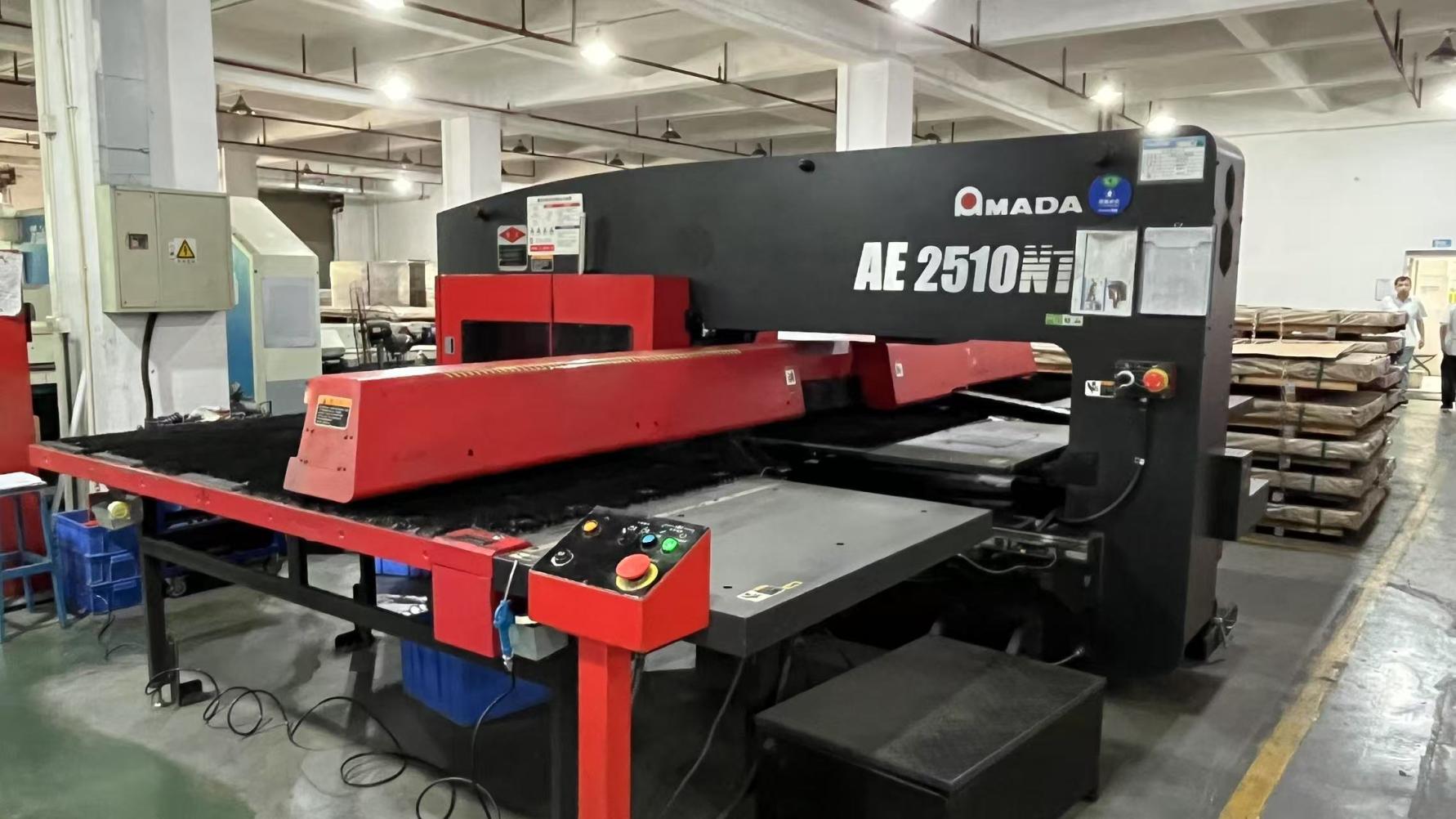
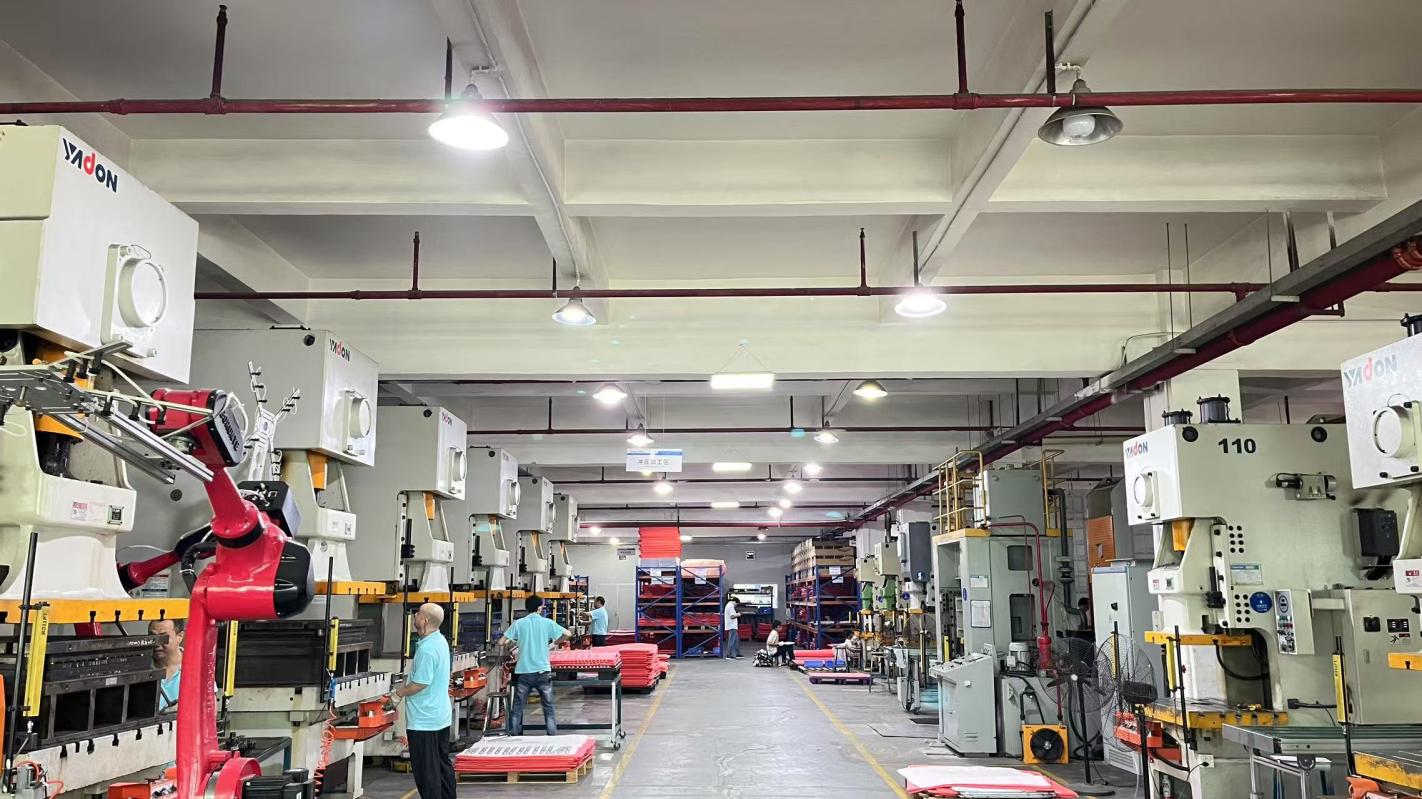

Explore additional network components, specialized processor lines, and customizable server setups compatible with our thermal designs.
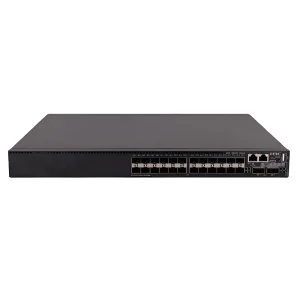 H3C S6520X-30QC-EI 24 Port Network Switch with 10G+2 40GE Optical All-Optical Three-Layer Core 10G Switch Expansion Support
View Details
H3C S6520X-30QC-EI 24 Port Network Switch with 10G+2 40GE Optical All-Optical Three-Layer Core 10G Switch Expansion Support
View Details
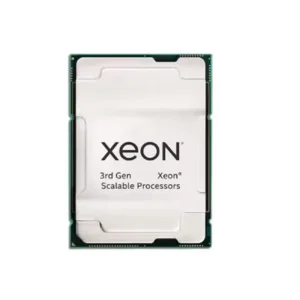 Processor CPU Xeon 4309Y/4310/4314/4316/5315Y/5317/5318Y/5320/6330 Suitable for Computer Server 2288H V6 5288 V6
View Details
Processor CPU Xeon 4309Y/4310/4314/4316/5315Y/5317/5318Y/5320/6330 Suitable for Computer Server 2288H V6 5288 V6
View Details
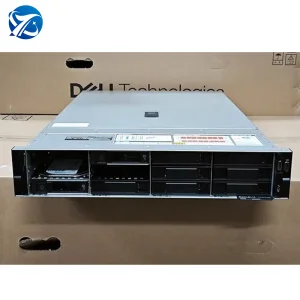 Original DEll PowerEdge R750XS Network Servers R750XS 2U 2-socket Computer Rack Server R750XS
View Details
Original DEll PowerEdge R750XS Network Servers R750XS 2U 2-socket Computer Rack Server R750XS
View Details
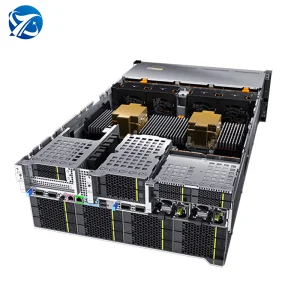 FusionServer 5288 V6 Ai Data Servers With Cooling Gpu Storage Deepseek Xeon Computer Rack Cpu Short Depth Oem For Sale Server
View Details
FusionServer 5288 V6 Ai Data Servers With Cooling Gpu Storage Deepseek Xeon Computer Rack Cpu Short Depth Oem For Sale Server
View Details
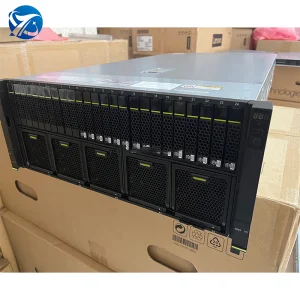 FusionServer 5288 V5 Ai Data Servers Gpu Storage Deepseek Xeon Computer Rack Cloud Center Cpu Short Depth Oem For Sale Server
View Details
FusionServer 5288 V5 Ai Data Servers Gpu Storage Deepseek Xeon Computer Rack Cloud Center Cpu Short Depth Oem For Sale Server
View Details
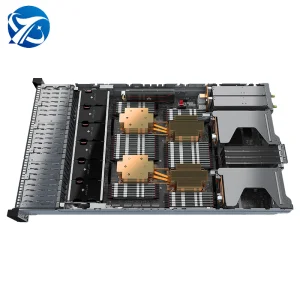 FusionServer 2488H V6 Servers Computer Nas Storage Pc Gpu And Buy Workstations Web Devices Ssd Networks Rack Xeon Server
View Details
FusionServer 2488H V6 Servers Computer Nas Storage Pc Gpu And Buy Workstations Web Devices Ssd Networks Rack Xeon Server
View Details