Veltrixa Veltrixa
Next-Generation Thermal Solutions

Top China Server Cooling Systems Manufacturer & Supplier

Enterprise Server Systems & Hardware Components

Explore our premium range of GPU high-density rackmount systems, power modules, and specialized data center computing equipment optimized for thermal efficiency.
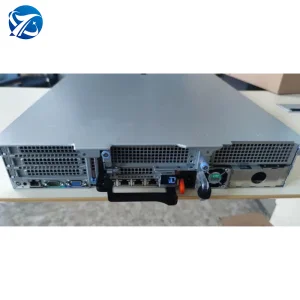
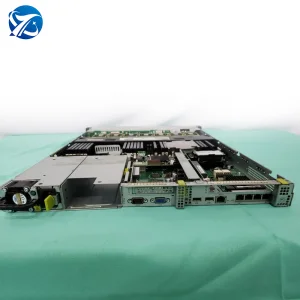
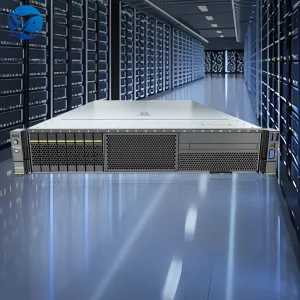
New 1288H V6 Dedicated Server

New 1288H V6 2-Socket 2025 Web Cloud Ai Deepseek Nas Storage Dedicated Server

View Specifications
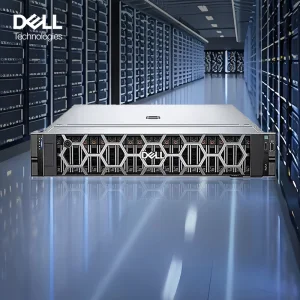
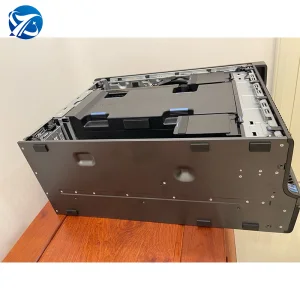
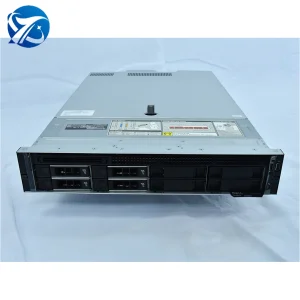
Shenzhen R650 Dell Poweredge Server

Wholesale Shenzhen R650 Dell Poweredge Deepseek Ai R750 R740 GPU Server

View Specifications
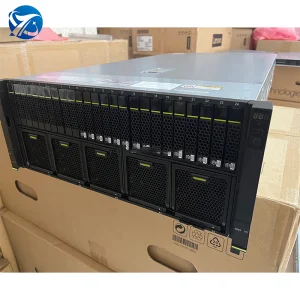
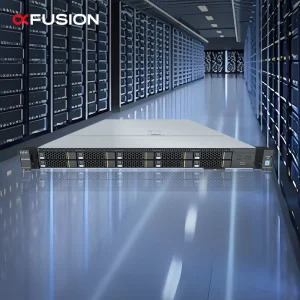
xFusion Ai Data Server 1288H V6

NEW 1288H V6 xFusion Ai Data Servers GPU Storage Deepseek Xeon Rack Server

View Specifications
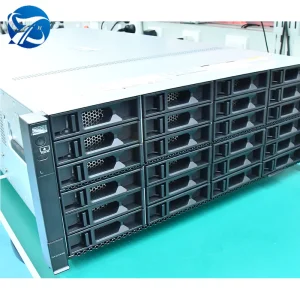
FusionServer G5500 V6 Server

FusionServer xFusion G5500 V6 Computer Nas Storage PC GPU Workstation Server

View Specifications
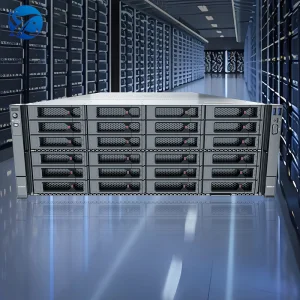
FusionServer G5500 V7 AI Server

FusionServer G5500 V7 Ai Servers Computer Nas Storage PC GPU SSD Rack Xeon

View Specifications
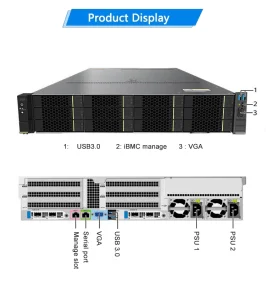
xFusion FusionServer 2288H V6

New xFusion FusionServer 2288H V6 Computer 2U 2-Socket Rack Server

View Specifications
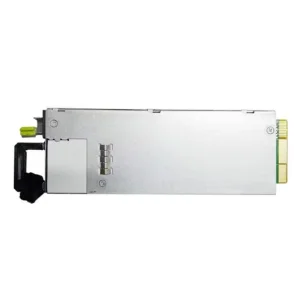
xFusion Power Supply Unit

Computer Server Platinum 900W/1500W/2000W AC PSU for Hyper XFusion Servers

View Specifications
Dell PowerEdge R760XD2 Server

Dell PowerEdge R760XD2 2U Computer Server Intel Xeon 6426Y DDR5 Rack Server

View Specifications

Whitepaper: Thermal Optimization in AI-Driven Data Infrastructure

The global computing landscape is undergoing a monumental paradigm shift. The rise of Deep Learning, generative AI, and complex LLMs like DeepSeek has elevated thermal design requirements from standard engineering considerations to mission-critical infrastructure constraints. Standard air-cooling mechanisms, which have sustained enterprise IT architectures for decades, are approaching physical limits. Today's high-density computing chips (GPUs and ASICs) regularly exceed thermal design power (TDP) thresholds of 700W to 1000W per socket, demanding sophisticated liquid and hybrid cooling technologies.

Information Gain Insight: Modern AI servers running compute-intensive matrix operations require rapid heat rejection at the chip junction to prevent thermal throttling. When junction temperatures exceed 85°C, semiconductor carrier mobility drops, causing an automatic frequency degradation. Direct-to-Chip (D2C) liquid cold plates achieve a thermal resistance coefficient of less than 0.05°C/W, ensuring consistent maximum-clock execution.

The Physics of Extreme Thermal Management

Thermal management in high-performance computing (HPC) requires precision engineering of fluid dynamics and thermodynamics. Typical server systems generate high heat flux density. Traditional passive heatsinks and dynamic fan control cannot adequately disperse heat when multi-GPU arrays are operating at maximum load factor. Liquid cooling leverages the high specific heat capacity of fluids (such as water-glycol mixtures or dielectric oils) to extract thermal energy directly from critical components. This heat energy is then transported to external heat rejection devices (Cooling Towers, Dry Coolers, or Chillers).

  • Direct-To-Chip (D2C) Liquid Loops Micro-channel cold plates mounted directly on the GPU/CPU die route coolant fluid, absorbing up to 90% of structural thermal loads directly at the source.
  • Single-Phase & Two-Phase Immersion Cooling Submerging entire server blades in dielectric fluid completely removes the need for fans, reducing auxiliary power draws and achieving a PUE close to 1.04.
  • Rear-Door Heat Exchangers (RDHx) Passive or active liquid-to-air heat exchangers replace the rack's rear door, neutralising heat emissions before they enter the data center aisle.
Server Precision Integration Lab Thermal Component Inspection Liquid Cooling Plate Assembly

Shenzhen Veltrixa: A Premier OEM/ODM Thermal & Computing Infrastructure Partner

Headquartered in Shenzhen, China's hardware silicon valley, Shenzhen Veltrixa Intelligent Computing Co., Ltd. builds high-efficiency thermal architectures for global data centers.

2017
Year Established
$18M
Annual Export Revenue
86
Dedicated R&D Engineers
1,280+
Supply Chain Partners

Why Procurement Teams Choose Shenzhen Manufacturing Ecosystems

Shenzhen represents the apex of modern electronics engineering and supply-chain synthesis. Procurement of custom server cooling hardware requires extremely close physical integration between raw materials suppliers (copper fabrication, cold plates, leak-free quick disconnects) and server system assemblers. Veltrixa utilizes local micro-supply chains to deliver customized, precision liquid loops and server chassis rapidly, dramatically reducing lead times compared to Western facilities.

From custom CNC machining of liquid cold plates to advanced fluid dynamic simulations, Veltrixa integrates hardware assembly with high-performance cooling designs. Operating a modern facility focused on custom integration, assembly, and rigorous hardware burn-in, Veltrixa offers complete OEM/ODM options. These range from logic boards and custom drive-bays to comprehensive rack-level thermal optimization.

Performance / Capabilities Metric Veltrixa Technical Standard Strategic Enterprise Value
Pre-Shipment Quality Testing 100% Inspection: Burn-In, Thermal stress, Pressure testing Zero-defect deployment on site
Research & Development Output 124 new system configurations launched annually Continuous alignment with cutting-edge GPU form factors
Quality Control Staff 46 dedicated thermal & quality professionals Compliance with international standards (CE, FCC, RoHS)
Customization Capabilities Full OEM/ODM design, Private labels, liquid-to-air conversions High flexibility for specific cloud environments

Macro-Level Environmental ESG Solutions and PUE Optimization

Data centers currently consume nearly 2% of the global electricity supply, and thermal dissipation systems consume up to 40% of that total. High power usage effectiveness (PUE) ratios expose data center operations to regulatory penalties and high operational overhead. Global cloud service providers and enterprise storage facilities are seeking ways to bring PUE levels down to the target 1.15 limit set by green initiatives.

By transitioning standard chassis designs to high-efficiency custom liquid cooling setups, modern facilities can substantially reduce their carbon footprints. Efficient cooling directly improves hardware longevity. Removing hot spots inside 2U or 4U rackmount servers stabilizes the electrical properties of core microprocessors. Silicon degradation caused by electromigration is accelerated by high temperatures. Lowering average operating temperatures from 75°C to 50°C extends the life cycle of GPU and TPU boards by up to 30%, optimizing return on investment (ROI) for hardware systems.

Macro Insight: The incorporation of Smart Cooling Distribution Units (CDUs) allows operators to monitor local rack temperatures dynamically, delivering coolant based on current computational load. These systems feed real-time ambient data to BMS software, reducing fan cycles and water consumption.

Key Enterprise Application Scenarios

  • High-Density AI Training Facilities Equipping large GPU clusters with direct-to-chip manifolds to handle massive workloads without heat build-up.
  • Edge AI Deployments Using sealed convection structures to operate computing platforms in dusty, damp, or challenging industrial conditions.
  • Cloud Storage Architecture Retrofits Integrating liquid loops into existing air-cooled standard racks to boost local rack capacities without major structural changes.

Enterprise Storage and High-Performance Compute Inventory

Explore our selection of rack servers, custom compatibility storage systems, and peripheral controller cards for reliable data center setups.
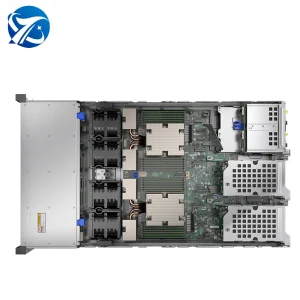
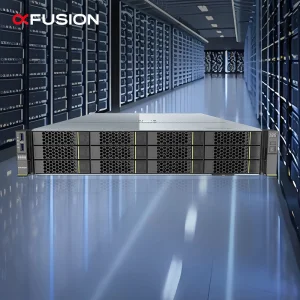
xFusion FusionServer 2258 V7

New xFusion FusionServer 2258 V7 2U 2-Socket Computer Server 8-Drive Bay

View Specifications
xFusion 2288H V5 Dedicated Server

New xFusion 2288H V5 2U 2-Socket Cloud Ai Deepseek Nas Storage GPU Rack Server

View Specifications
FusionServer 5288 V5 Data Server

FusionServer 5288 V5 Ai Data Servers GPU Storage Deepseek Xeon Rack Server

View Specifications
DEll Poweredge R960 4U Server

DEll Poweredge R960 4U Network Server D Ell Server 4U Computer Rack Server

View Specifications
Dell R760XS 2U Server

Poweredge Dell R760XS 2U 2-Socket Computer Server R760XS Rack Server

View Specifications
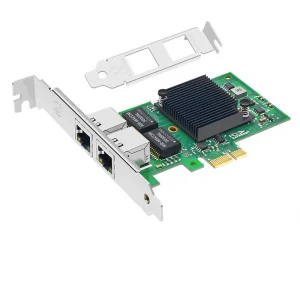
SAS/SATA RAID Card

XC170-M-8i - SAS/SATA RAID Cable Card 12Gb/s Array Card Compatible with XFusion

View Specifications
New xFusion 1U Rack Server

New xFusion Servers Diamond 1U Rack Game H3c for Sale SSD 4 Bay 1288H V5 Server

View Specifications
2U 2-Socket XFusion Xeon Server

1U 2U 2-Socket XFusion Xeon Server Servers GPU Rackmount Case Intel Chassis

View Specifications

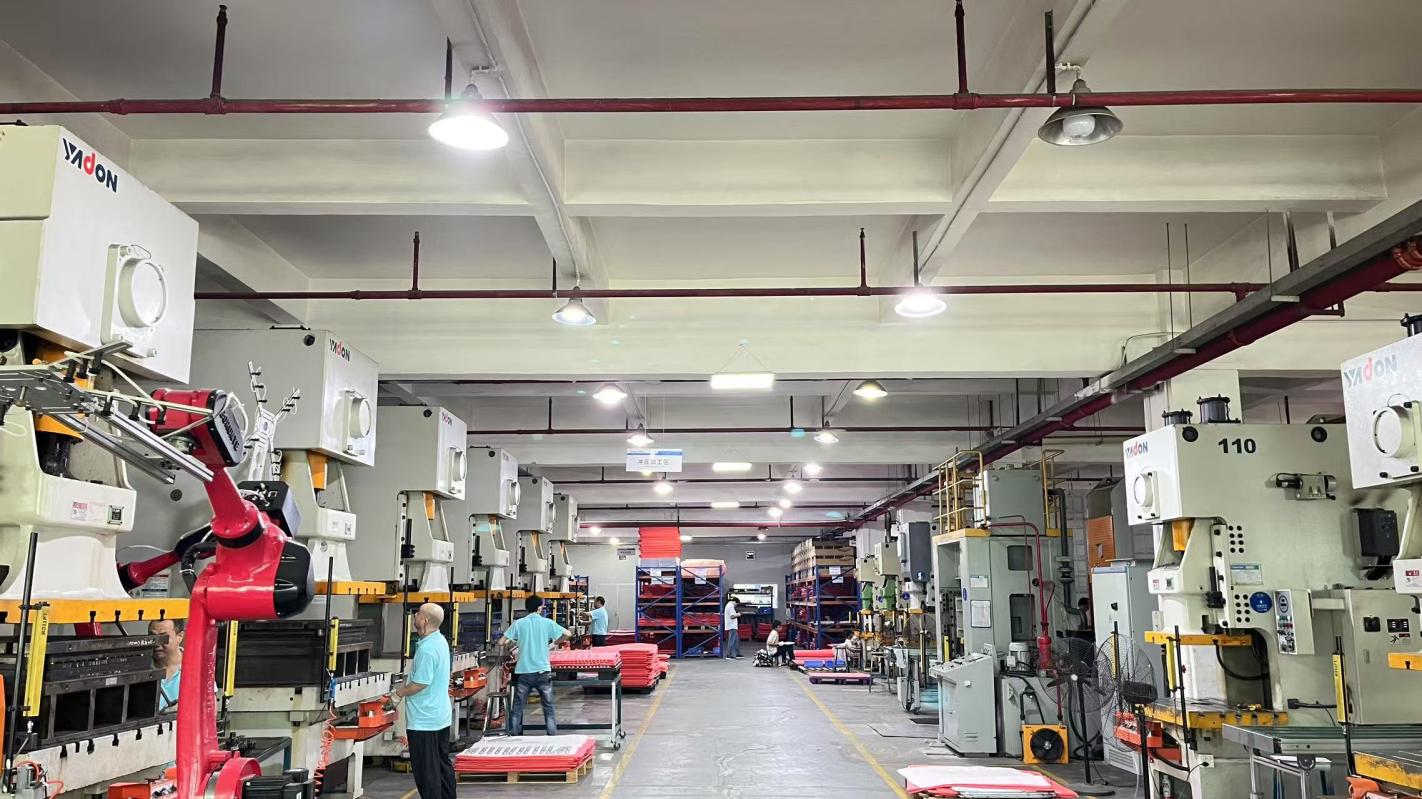
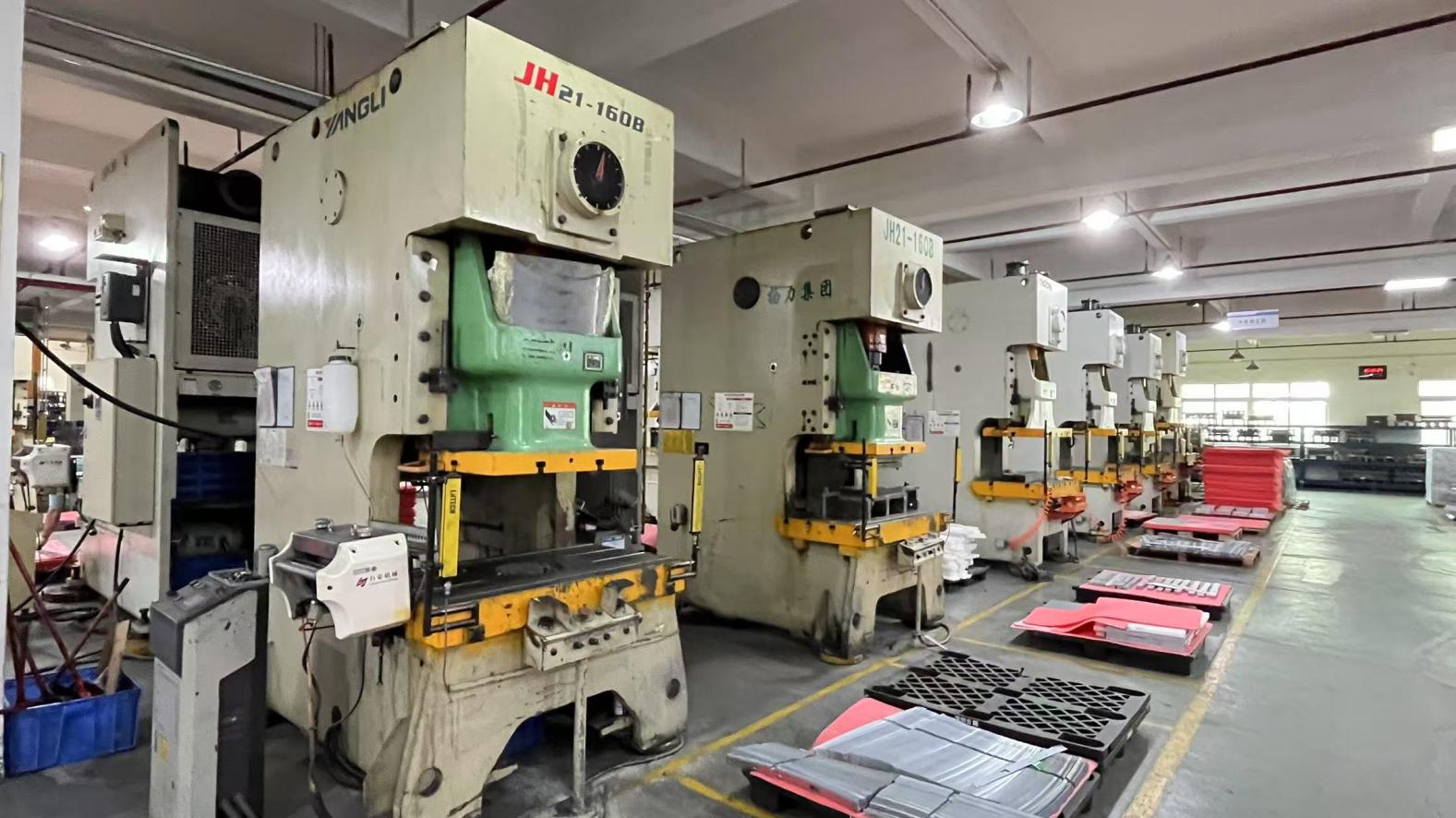
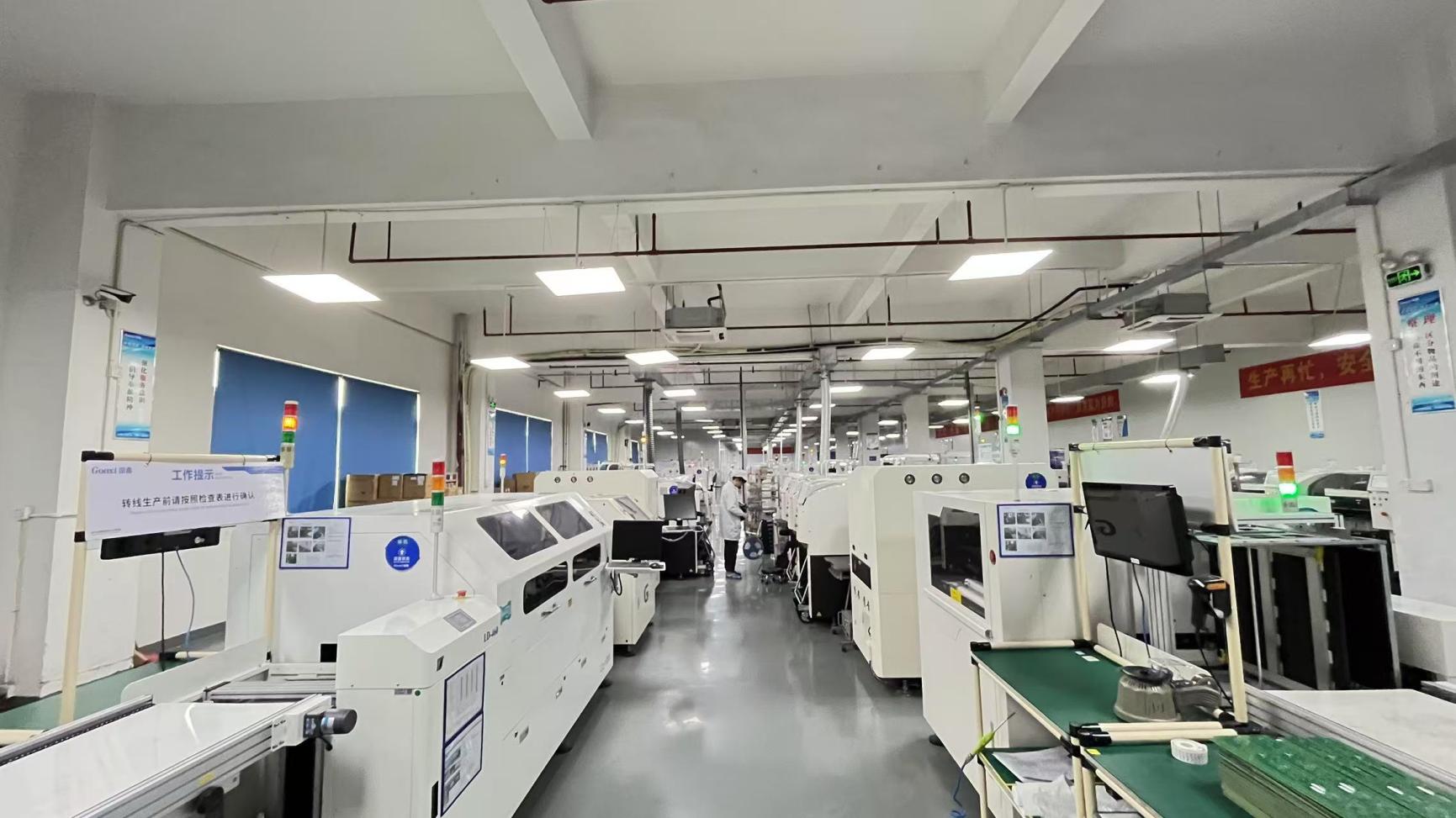
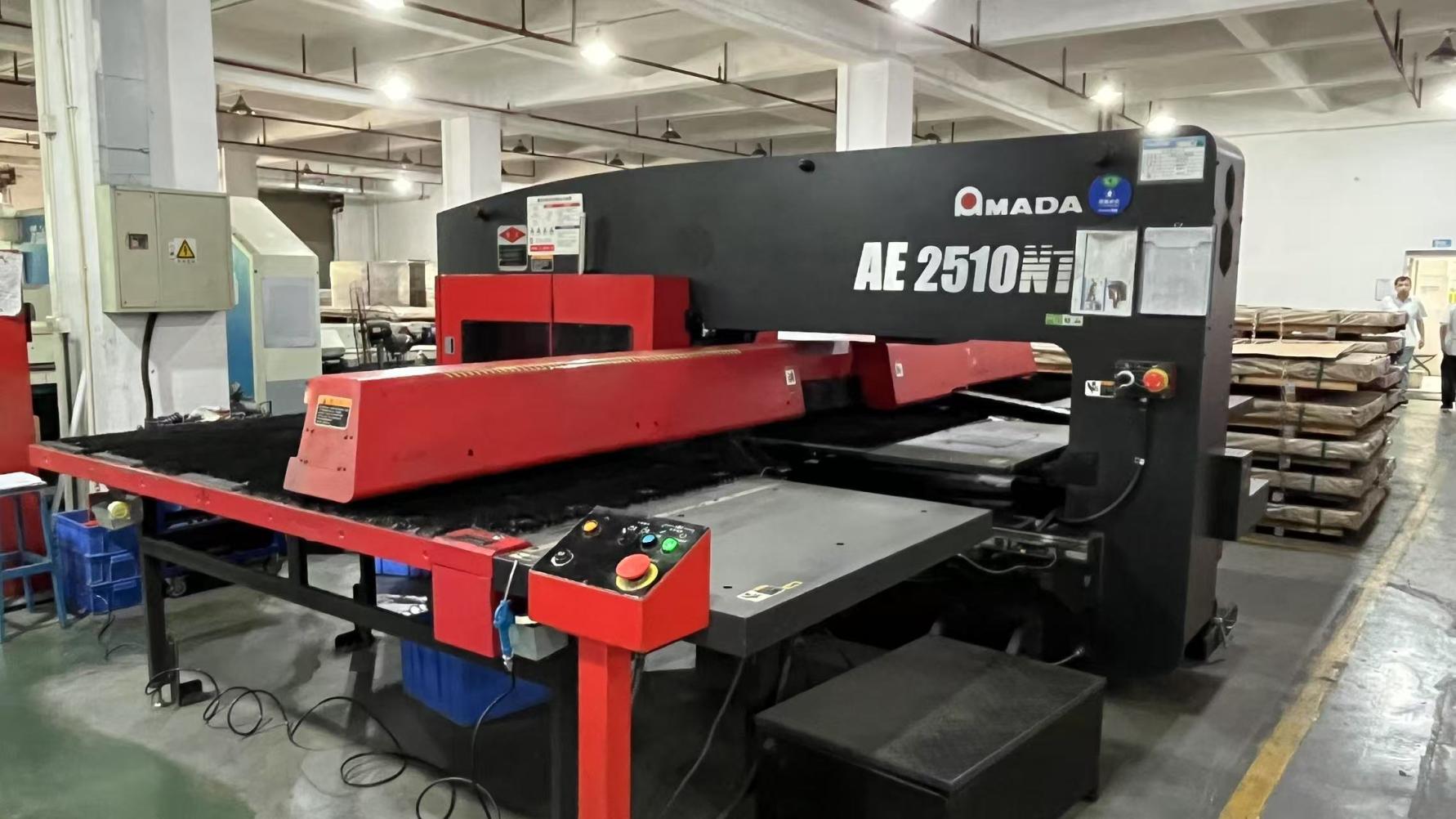
Industrial Manufacturing & Testing Facility

Production Line Layout Precision Integration Center

Expert Q&A: Data Center Server Thermal Engineering

Explore answers to common questions about thermal calculations, liquid cooling architectures, and custom system OEM workflows.

What is the critical advantage of Liquid Cooling over Air Cooling for GPU systems?
Liquid cooling offers a thermal transfer coefficient up to 25 times higher than traditional air cooling. For heavy computing platforms running intensive machine learning models, air-based heat sinks often struggle, leading to performance drops. Direct-to-Chip cold plates carry thermal energy directly away, helping processors run at peak speeds and lowering server room noise levels.
How does Veltrixa ensure dry, leak-free operation in liquid loop designs?
We utilize high-quality quick-disconnect couplings (QDs) that prevent leakage during service. Cold plates undergo rigorous helium mass spectrometer leak testing and pressure drop validation. Our dual-phase and single-phase loops use non-conductive dielectric fluid or high-density ethylene glycol mixtures with anti-corrosion additives to protect critical server components.
Can Veltrixa retrofit existing standard server architectures with liquid cooling?
Yes. We offer customization services that integrate liquid cooling elements, such as micro-channel plates, directly into existing 1U, 2U, or 4U rackmount systems. These modifications operate alongside standard hardware setups, helping centers transition to higher power capacities without replacing complete racks.
What testing methodologies are used to certify system reliability?
Every computing platform undergoes a rigorous quality protocol. This includes 100% inspection before shipping, performance benchmarks under extreme compute loads, functional and burn-in testing, and thermal validation under ambient temperatures from 20°C to 45°C.