Veltrixa
Veltrixa
Veltrixa
High Performance Gear
Industry Analysis & Infrastructure Architecture
Modern analytical computing has transcended basic CPU operations. The modern paradigm demands heterogeneous compute architectures that merge massive multi-core general processors with tensor-accelerated GPUs and high-throughput enterprise flash storage. In this ecosystem, data analytics tools represent a unified stack where robust database processing engines, machine learning pipelines, and massive real-time streams run directly on hardware platforms engineered for deterministic throughput.
Enterprises globally are transitioning from pure public cloud solutions to optimized hybrid data environments. This migration is driven by cost efficiencies, latency constraints in real-time model serving, and data sovereignty compliance. Physical servers running specialized analytics acceleration systems are now the standard blueprint for processing exabyte-scale workloads. Without optimized physical foundations, data lakes suffer severe network bottle-necks, high memory latency, and storage system degradation.
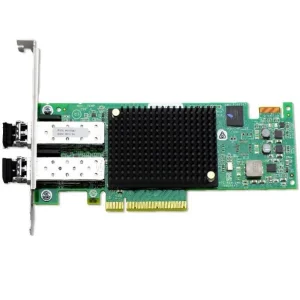
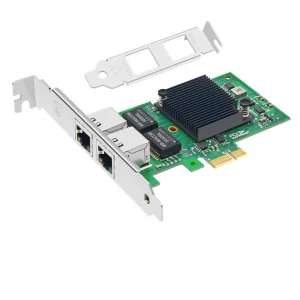
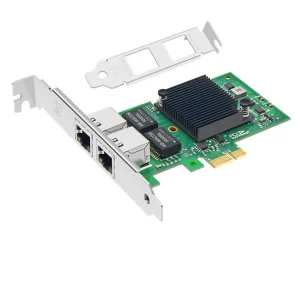
To run distributed databases (like ClickHouse, Snowflake-compatible private architectures, or Apache Spark clusters) efficiently, components such as high-speed HBA controllers and reliable SAS/SATA arrays are crucial. For instance, integration with multi-port Fibre Channel HBAs (like 32GFC modules) guarantees that petabytes of raw data stream into analysis nodes without hitting physical packet bottlenecks.
As algorithms evolve towards real-time inference (like running Large Language Models and deep neural nets for predictive text and pattern search), server architecture is optimized around the PCIe bus. Standard SATA interfaces are bypassed in favor of PCIe 4.0/5.0 pipelines connected to NVMe drives and GPU clusters to achieve sub-millisecond data query loops.
Shenzhen Efficiency & Supply Chain Resilience
Operating inside the world's most dense electronic cluster, Shenzhen factories achieve unparalleled integration speeds. From multi-layer PCB design to customized thermal heat sinks, prototype modifications occur in hours rather than weeks.
Every analytical computing cluster must undergo comprehensive validation. This includes full performance benchmarking, thermal validation inside specialized environment chambers, and 100% pre-shipment burn-in testing.
With mature logistical routes and compliance management, products are quickly cleared for major regions, matching local standards such as FCC, CE, RoHS, and UL certificates.
For systems integrators looking to scale analytics platforms, China's factory base offers custom hardware configuration tailoring. System buyers can specify particular CPU classes, memory hierarchies (such as 32GB RAM module multipliers), specific RAID cache capacities, and host bus adapters (HBA) that match their target deployment profiles perfectly. This flexible ODM capability minimizes localized integration costs upon delivery.
Deploying Hardware in the Real World
| Industry Vertical | Analytics Workload Type | Critical Hardware Requirement | Recommended Architecture Specs |
|---|---|---|---|
| FinTech & Trading | Real-time quantitative analysis, high-frequency fraud detection, risk modeling. | Sub-millisecond memory latency, rapid transactional disk IOPS. | Dual-socket Intel Xeon, 32GB/64GB RAM modules, dedicated SAS/SATA RAID array. |
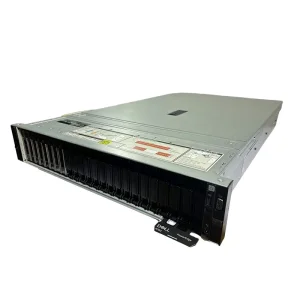
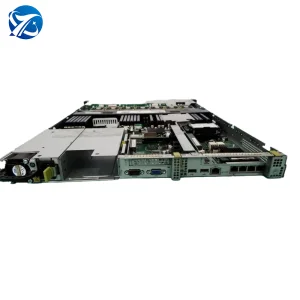
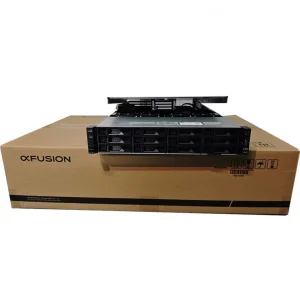
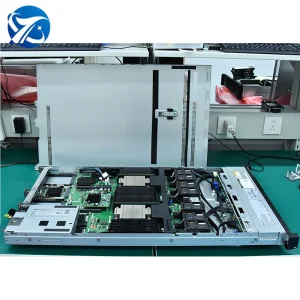
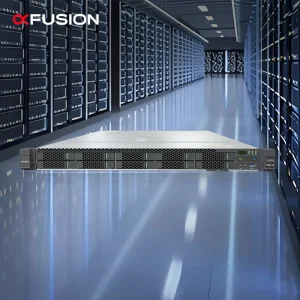
| Healthcare & Genomics | Genomic sequencing, clinical imagery analysis, deep neural net disease prediction. | GPU processing capacity, high density vector calculation engines. | Multi-GPU rack servers (xFusion 2288H V7 / V6), NVMe flash tiers. |
| E-commerce & Retail | Real-time clickstream processing, behavior profiling, recommendation matrix calculation. | High network bandwidth, massive parallel database queries. | High-port density Fibre Channel adapters, 1U/2U high density servers. |
| Smart Cities & IoT | Edge sensor data consolidation, camera stream pattern matching. | Resilient edge packaging, wide operating temperatures, high efficiency. | Edge computing servers, PCIe expansion options for specialized AI accelerator cards. |
By customizing hardware topologies around these specific business workflows, procurement leads ensure they don't overspend on redundant components while avoiding operational bottlenecks. For instance, a purely database-centric analytical node values high-capacity caching controller cards over expensive graphics processing units, while an AI modeling cluster reverses those priorities.
Future-Proofing Your Computing Investment
As we advance into the 2025 and 2030 roadmap, several core architectures are reshaping the datacenter. The most prominent is the integration of DeepSeek and Open-Source LLM nodes directly within local private clouds. Running these systems locally requires massive tensor parallel structures. Hardware manufacturers must focus on cooling technologies (such as liquid cooling manifolds) and power distribution setups that handle high-density GPU nodes without thermal throttling.
Additionally, the transition from PCIe 4.0 to PCIe 5.0 and PCIe 6.0 interfaces doubles available lane bandwidth, allowing RAID adapters and Host Bus Adapters to stream content to CPU memories with near-zero latency. By implementing technologies like SmartNICs and advanced caching RAID cards (featuring up to 4GB of high-speed onboard memory caches), analytics software can scale without encountering physical I/O barriers.
Manufacturer & Exporter Portfolio
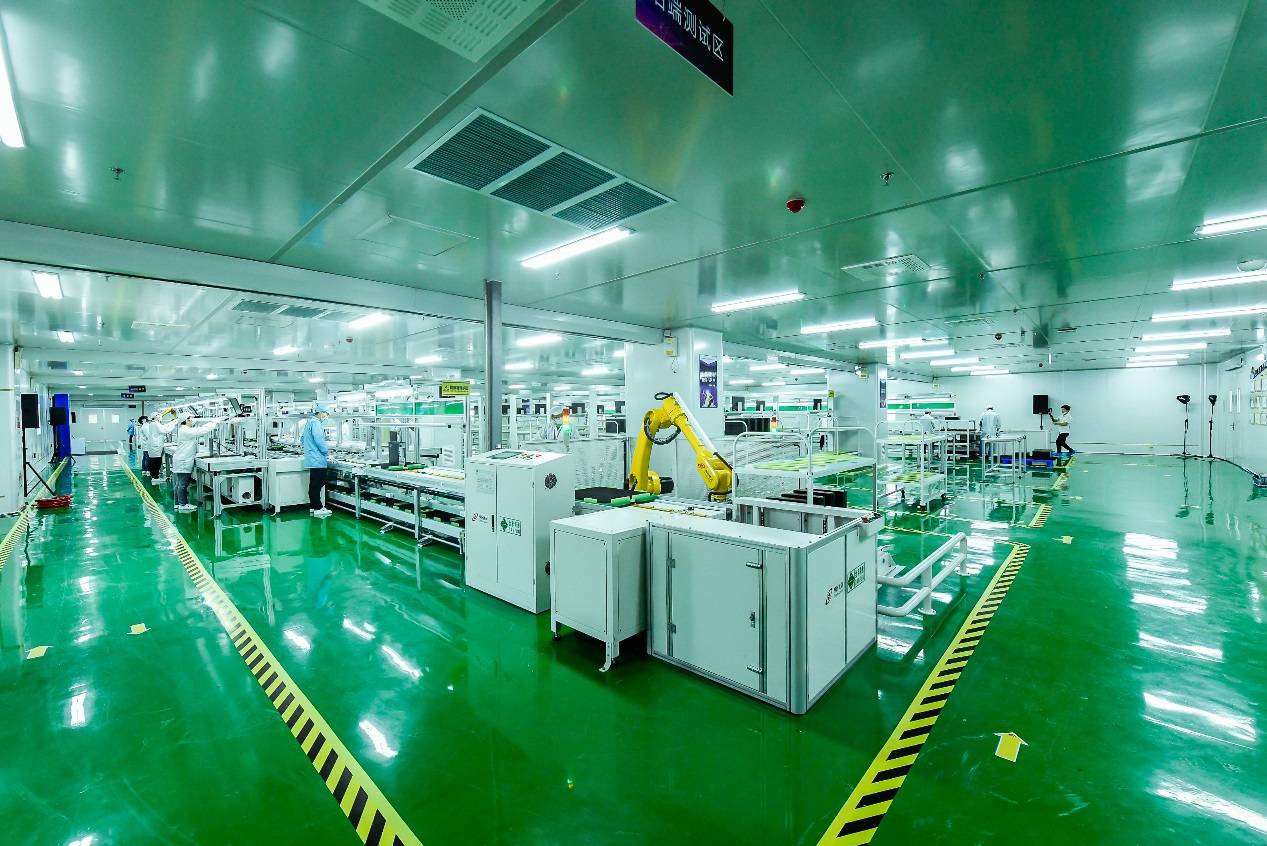
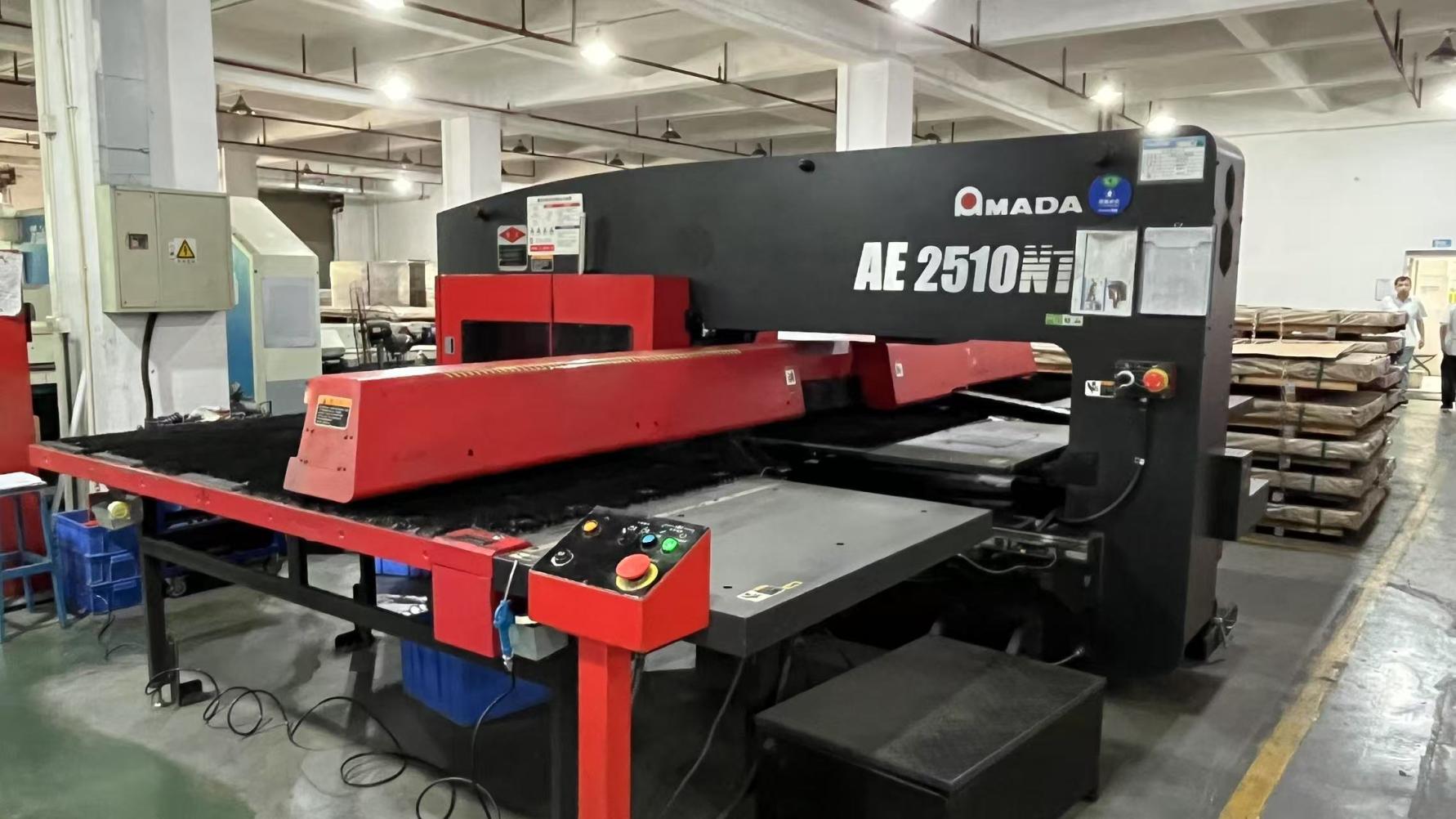
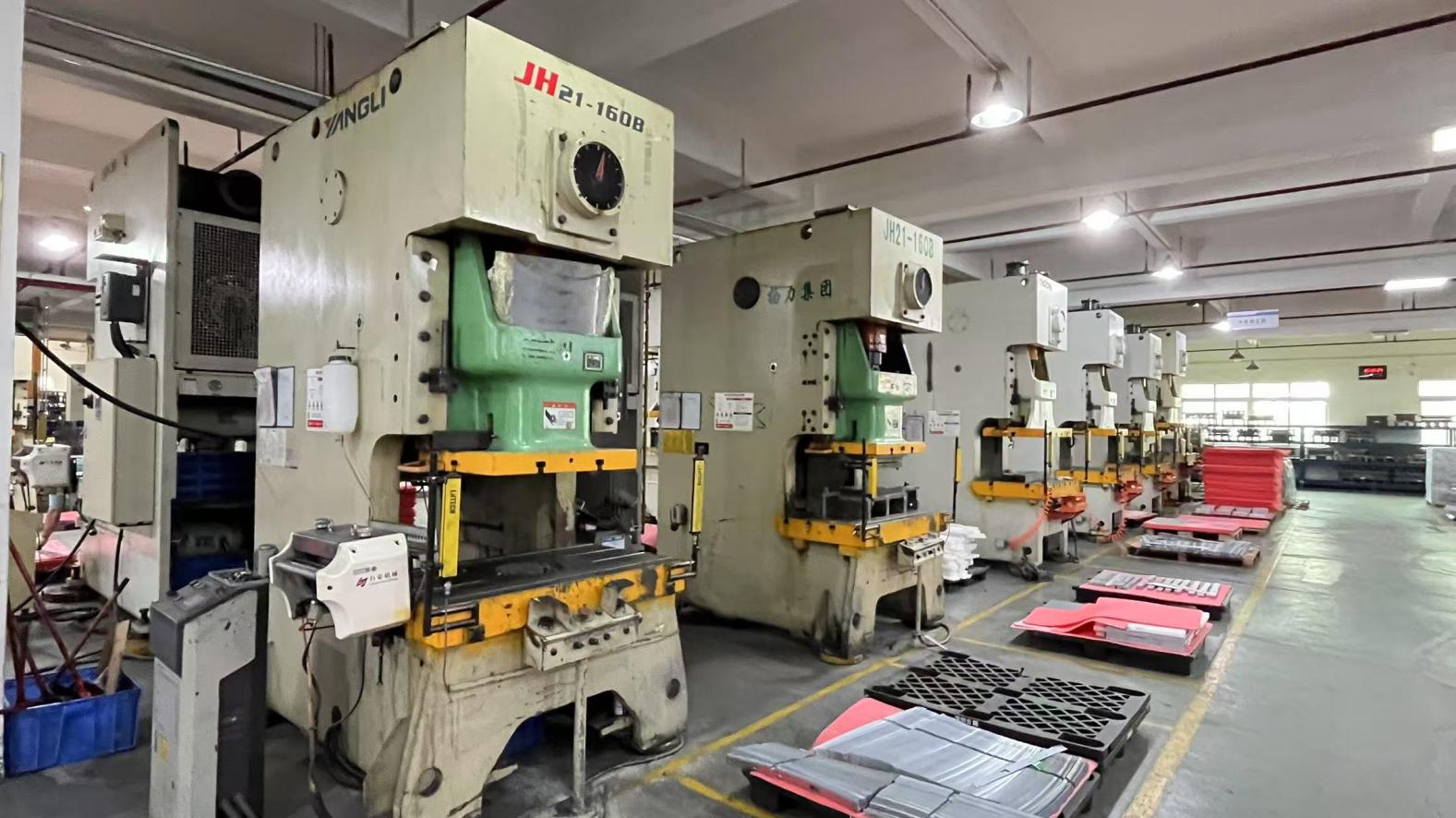
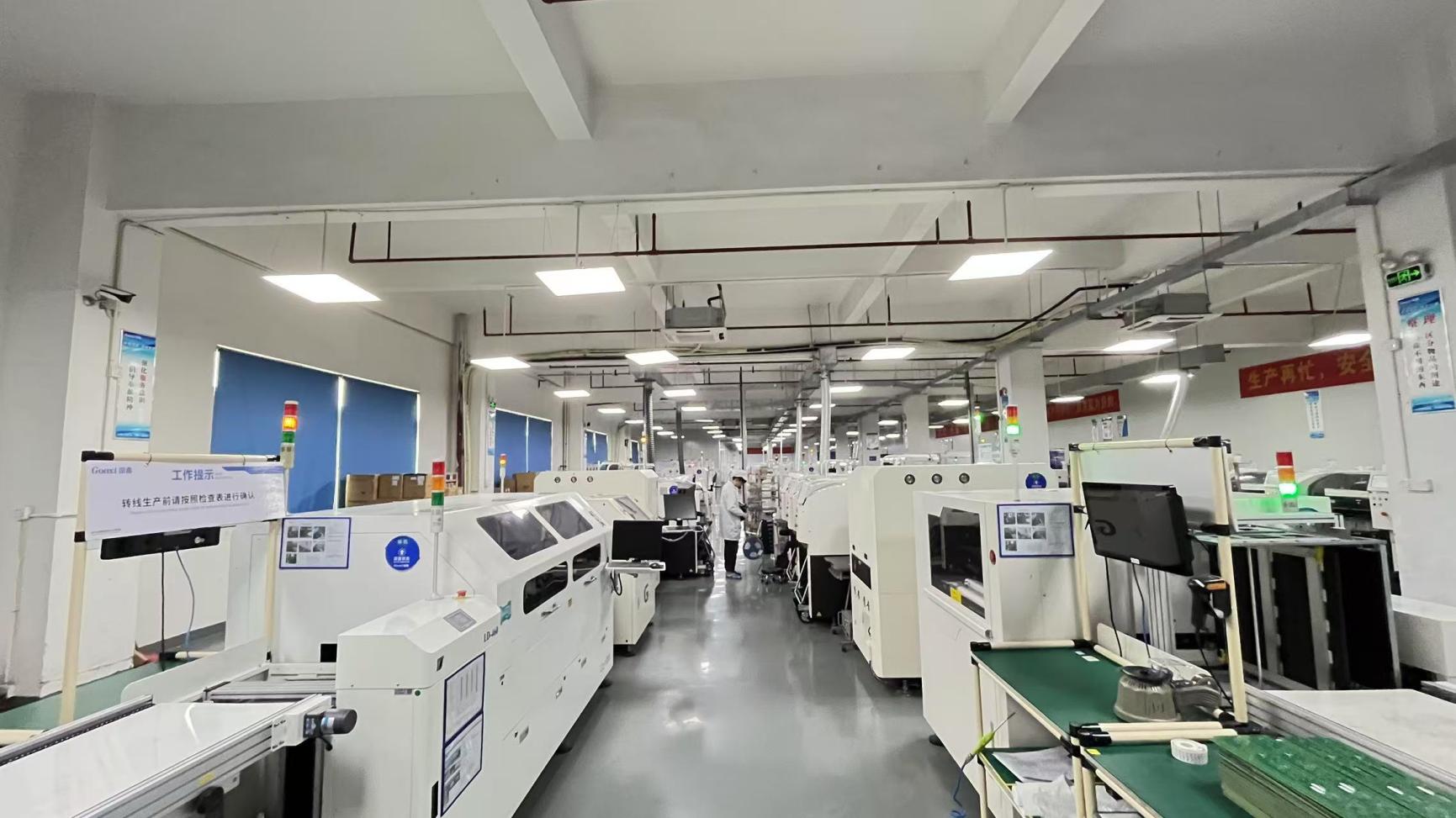
Shenzhen Veltrixa Intelligent Computing Co., Ltd. is a leading manufacturer and solution provider specializing in AI GPU servers, high-performance computing (HPC) platforms, edge AI systems, and customized data center infrastructure. Established in 2017, the company is committed to delivering reliable, scalable, and high-efficiency computing solutions for enterprises, cloud service providers, AI startups, research institutions, and system integrators worldwide.
Located in Shenzhen, China, Veltrixa operates a modern production facility covering 386 m², equipped with advanced assembly, testing, and quality control systems. With a strong focus on innovation and customer satisfaction, we provide flexible OEM and ODM services tailored to diverse computing requirements.
| Company Name | Shenzhen Veltrixa Intelligent Computing Co., Ltd. |
| Established | 2017 |
| Facility Area | 386 m² |
| Annual Export Revenue | USD 18 Million |
| Export Experience | 7 Years |
| Industry Experience | 12 Years |
| Business Type | Manufacturer & Exporter |
| Supply Chain Partners | 1,280+ |
| Main Markets | North America, Western Europe, Southeast Asia, Middle East, Australia |
"At Veltrixa, we empower organizations with advanced computing infrastructure that accelerates artificial intelligence innovation, scientific research, and digital transformation. Through continuous innovation, strict quality control, and customer-focused service, we strive to become a trusted global partner in AI computing and data center solutions."

Technical Support & Knowledge Base
Scalable Hardware Components