Veltrixa
Veltrixa
Veltrixa
Discover our flagship enterprise components, scalable rackmount nodes, and storage controllers curated for edge deployments and home labs.
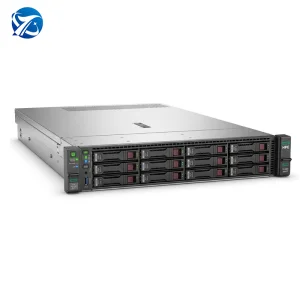
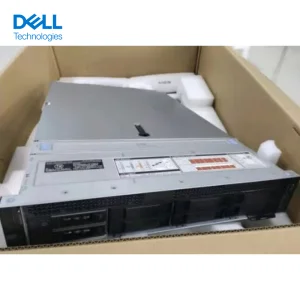
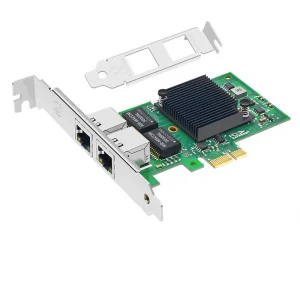
In the current technological paradigm, the boundaries defining "Home Lab Servers" have transitioned far beyond simple hobbyist setups or home-media file storage. Today, major enterprises, high-profile AI research labs, and cybersecurity defense teams look to private, micro-scale infrastructure platforms—frequently termed *Enterprise Home Labs*—to construct air-gapped sandboxes, validate continuous integration pipelines, and execute resource-intensive simulations without incurring prohibitive hyper-scaler subscription fees.
For organizations operating at scale, the reliance on cloud instances presents substantial friction in terms of data egress overheads, multi-tenant performance degradation (noisy neighbors), and critical intellectual property exposure. Developing localized, bare-metal server infrastructure allows engineering groups to prototype architectures utilizing high-capacity, multi-socket Intel Xeon or AMD EPYC configurations before initiating broad production builds. Consequently, sourcing reliable home lab server platforms has emerged as a key tactical focus for hardware operations leads globally.
Executing multi-terabyte data validation routines in public clouds can result in thousands of dollars in hidden egress fees. Local sandboxing offers predictable hardware amortization and zero data transfer costs.
Proprietary AI model weights, high-grade cryptography schemes, and private client databases are kept safe from threat vectors associated with public multi-tenant cloud storage infrastructures.
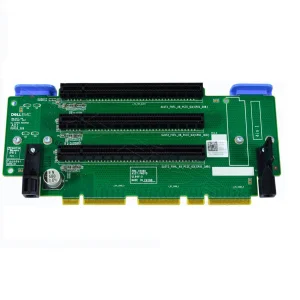
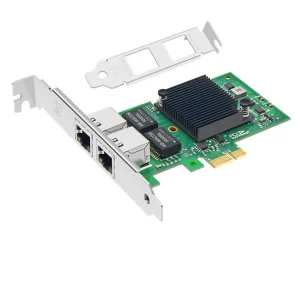
Physical control over hardware configurations allows systems architects to configure target storage environments (SATA/SAS/NVMe RAID) and specialize bus speeds with specific PCIe PCIe Gen 4/5 interface cards.
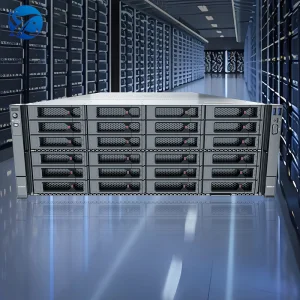
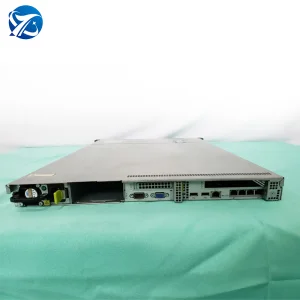
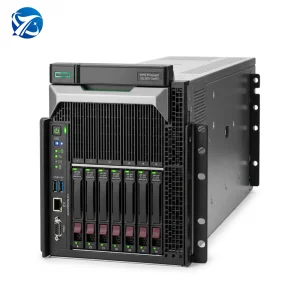
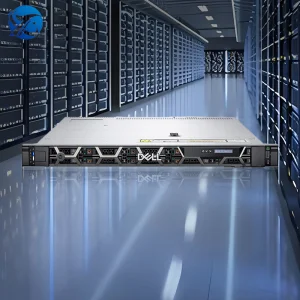
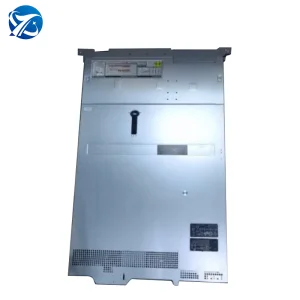
Deploying home lab platforms within modern enterprise topologies typically falls under two technical philosophies: Scale-Out Micro-Clusters and Scale-Up Compute Monoliths. For organizations simulating large cloud ecosystems, setting up a cluster of 1U short-depth nodes (such as the HPE ProLiant or Dell PowerEdge 1U units) mirrors Kubernetes environments and virtualization layers (Proxmox, VMware ESXi) accurately. Developers get true network latency experiences, realistic API configurations, and discrete node failure tracking.
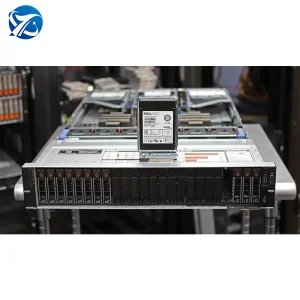
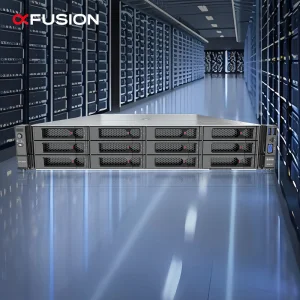
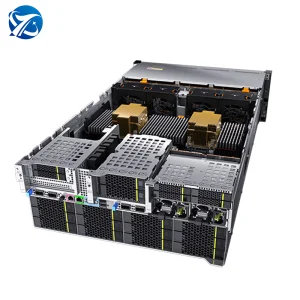
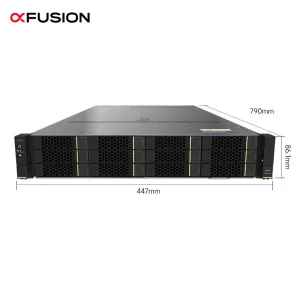
Conversely, institutions specializing in computational fluid dynamics, large language model (LLM) fine-tuning, or massive parallel compiling utilize Scale-Up platforms. These setups leverage robust 2U systems like the xFusion FusionServer or Dell PowerEdge R760, packed with dual-socket processors, terabytes of DDR5 ECC memory, and multiple AI accelerator cards. Here, hardware reliability is anchored on clean PCIe lanes, high-power power supply units (PSUs), and thermal resilience.
The progression of micro-scale server architecture is heavily driven by advancements in high-frequency signal processing and interconnect technology. Over the next five years, key features such as Compute Express Link (CXL) and PCIe Gen 5/6 interfaces will become standard in lab systems. CXL, in particular, will revolutionize memory tiering, enabling virtualized hypervisors to pool memory across multiple expansion slots. This will make it possible to run massive in-memory databases and virtualization nodes on compact lab hardware.
Additionally, the adoption of liquid-to-air cooling options in 1U and 2U rack servers is solving the noise and thermal management challenges of office-based sandboxes. Transitioning from noisy high-RPM fans to closed-loop liquid systems allows enterprises to run enterprise-grade processors (like the latest Xeon Scalable series) right at developers' desks, without requiring specialized, soundproof server closets.
Unifying memory domains across hardware accelerators and CPUs, lowering virtualization latencies in multi-instance environments.
Doubling bandwidth capacities for ultra-fast storage controller links, matching 400Gb/s network card throughput.
Quiet, closed-loop cooling blocks designed for rack deployments inside human-occupied development areas.
Shenzhen Veltrixa Intelligent Computing Co., Ltd. is a leading manufacturer and solution provider specializing in AI GPU servers, high-performance computing (HPC) platforms, edge AI systems, and customized data center infrastructure. Established in 2017, the company is committed to delivering reliable, scalable, and high-efficiency computing solutions for enterprises, cloud service providers, AI startups, research institutions, and system integrators worldwide.
Located in Shenzhen, China, Veltrixa operates a modern production facility covering 386 m², equipped with advanced assembly, testing, and quality control systems. With a strong focus on innovation and customer satisfaction, we provide flexible OEM and ODM services tailored to diverse computing requirements.
Veltrixa continuously invests in technological innovation and product development to stay ahead in the rapidly evolving AI computing industry:
Our solutions are trusted by a wide range of customers across key regions:

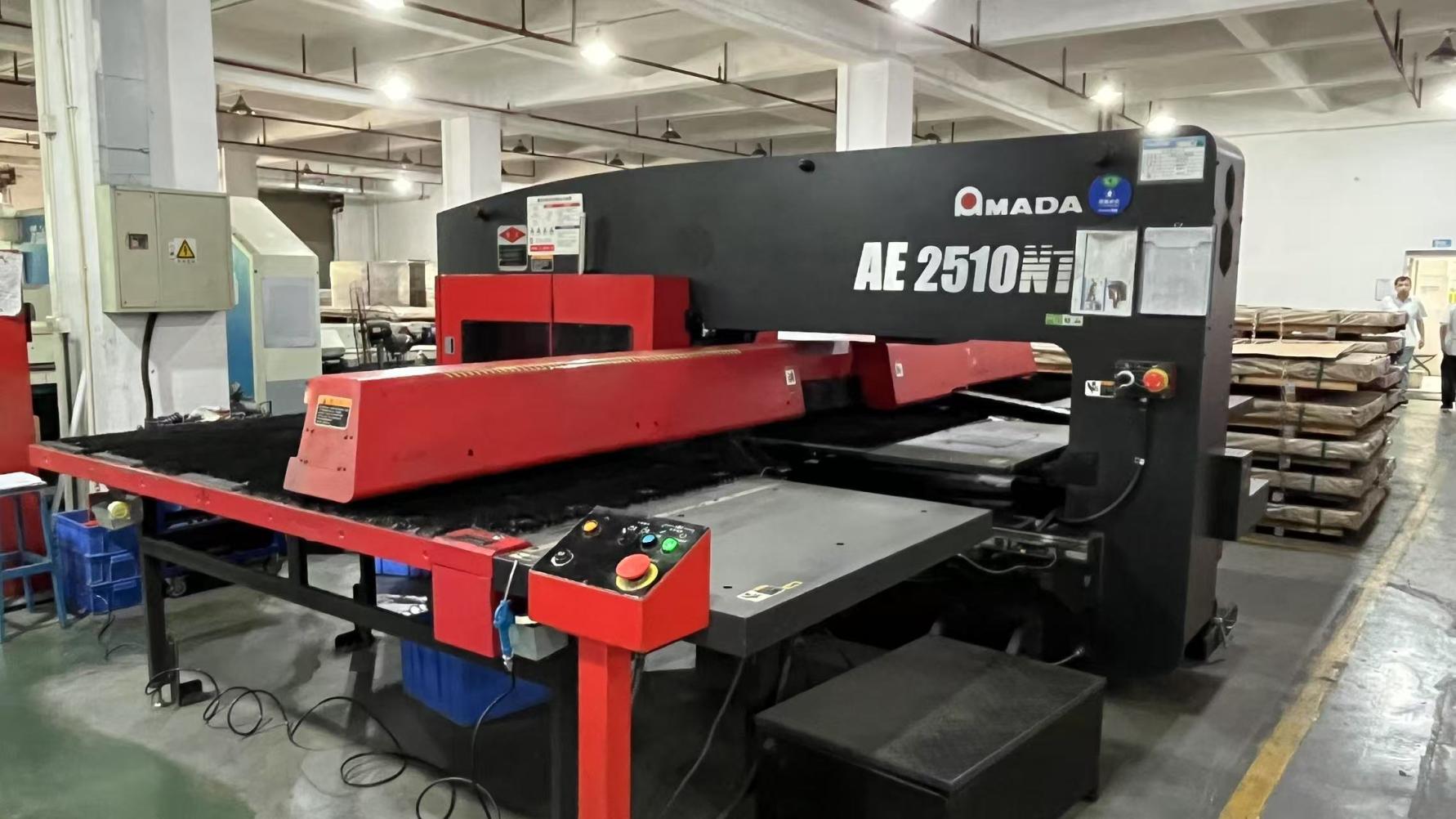
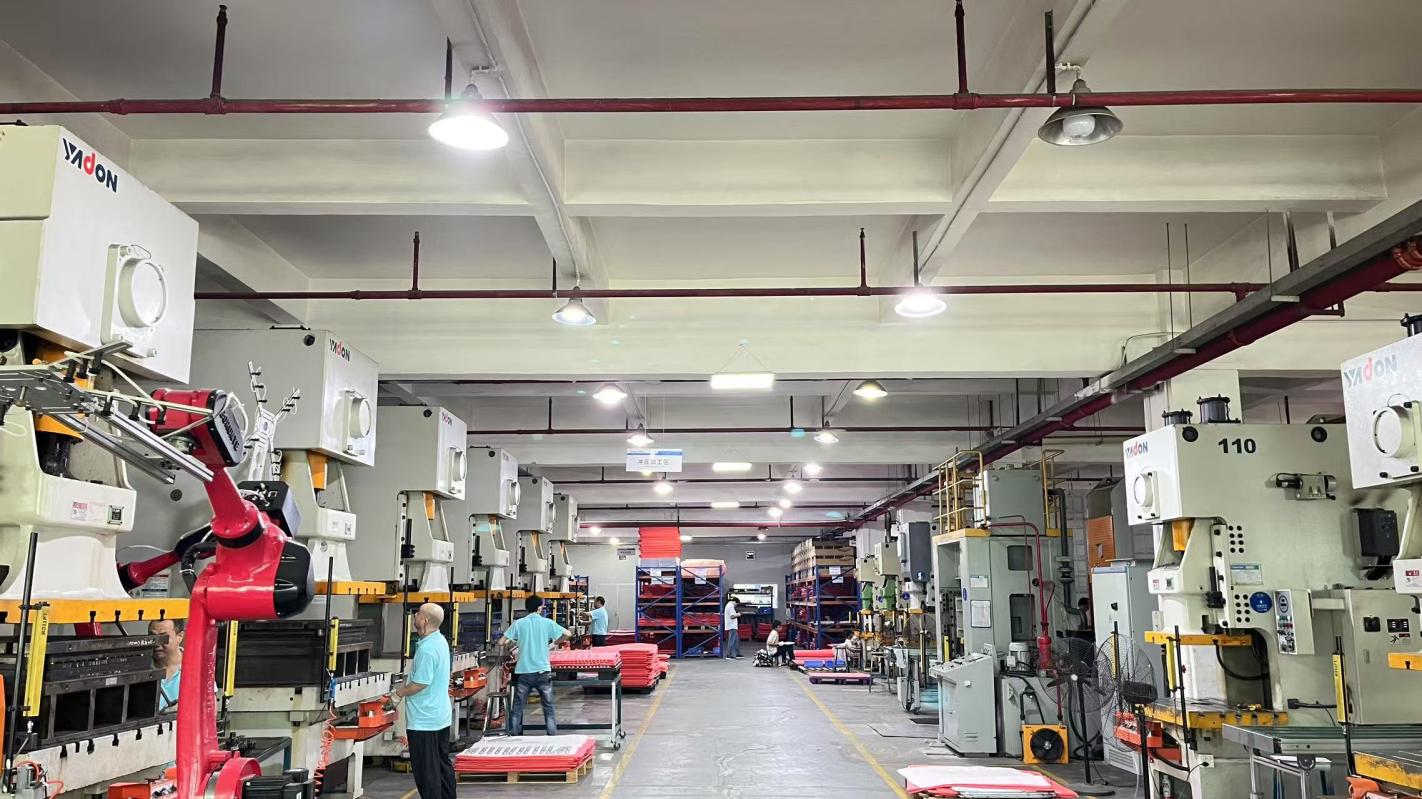
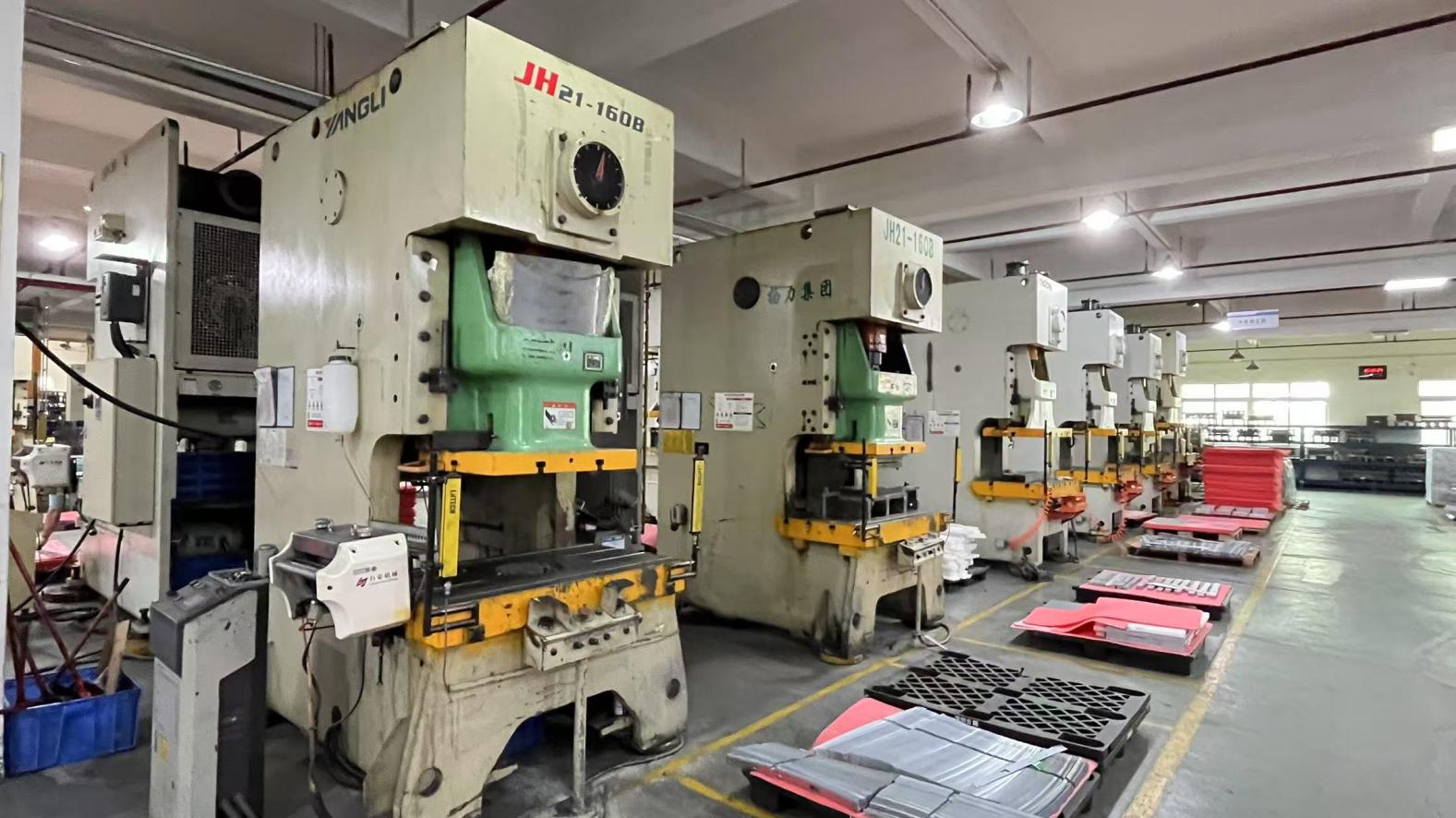
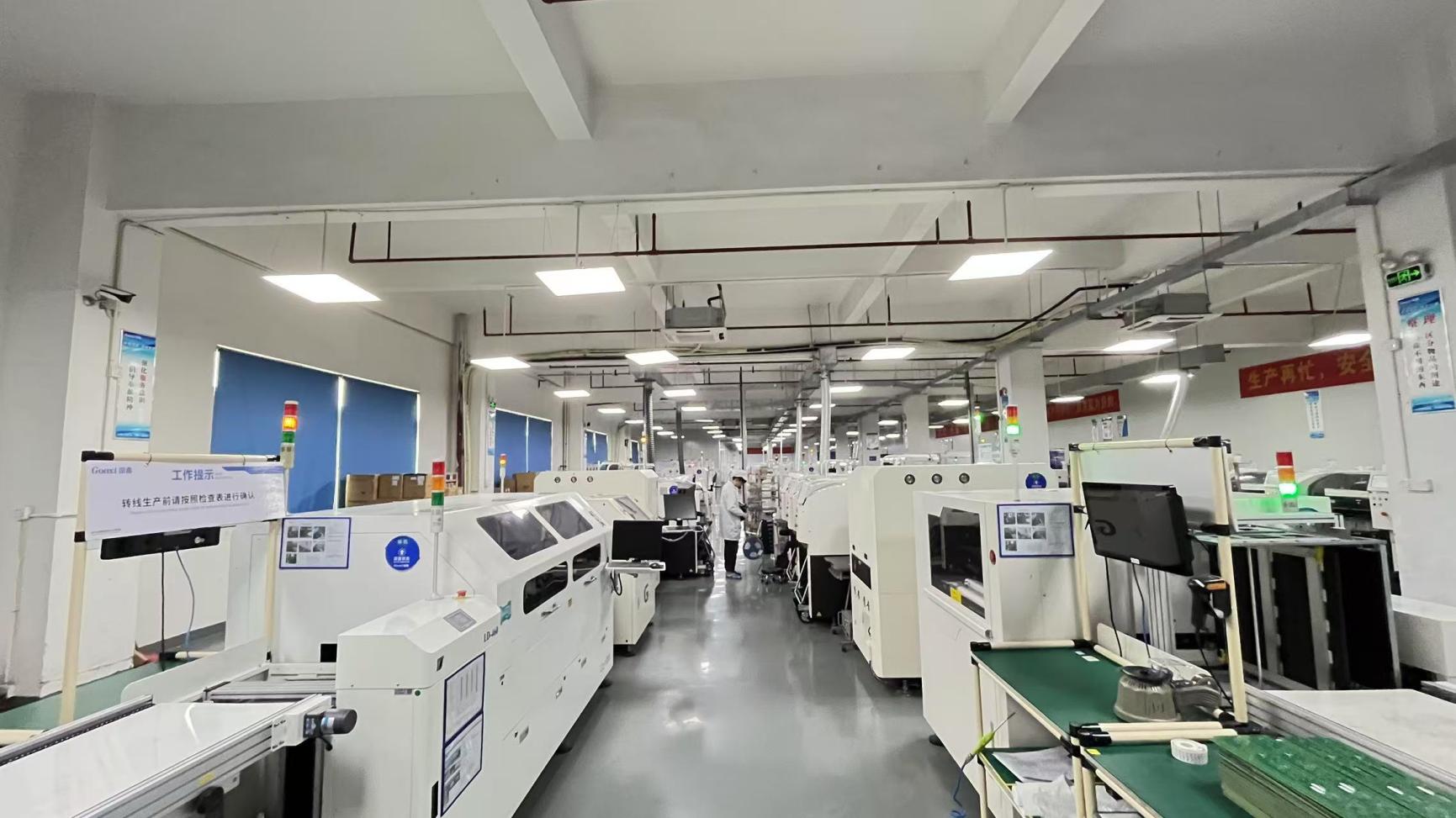
Quality is at the core of everything we do. Veltrixa implements a comprehensive quality management system to ensure every product meets international standards and customer expectations. We maintain a staff of 46 quality assurance professionals who execute a rigorous, multi-stage verification protocol before any equipment is dispatched.
Every server node, component, memory stick, and RAID controller undergoes end-to-end hardware loop checks and port verification to guarantee out-of-the-box system stability.
System units are run under full processing loads inside climate-controlled chambers to verify system integrity and prevent premature silicon component failure.
We perform validation testing across major operating systems and hypervisors, including Windows Server 2025, RHEL, Ubuntu Server, Proxmox VE, and VMware ESXi.
Deep dive technical answers to common questions about server architectures, storage cards, and international export processes.
Select from high-density GPU platforms, flexible multi-socket computing nodes, and server expansion kits designed to scale your operations.