Veltrixa
Veltrixa
Veltrixa
Discover high-reliability edge servers, GPU cables, AI systems, and scalable network hardware tailored for extreme operational environments.
Analyzing the integration of deep learning, operational technology, and hardware convergence in the modern industrial landscape.
The Industrial Internet of Things (IIoT) is undergoing an unprecedented technological convergence. The boundary between centralized cloud computing and localized operational technology (OT) is rapidly blurring. Today's industrial environments generate petabytes of high-velocity sensory data. Transferring this raw data directly to central clouds introduces unacceptable latencies, high bandwidth costs, and severe security risks. Consequently, Edge AI Computing has transitioned from an auxiliary capability to the core foundation of modern smart industries.
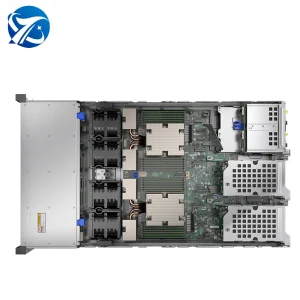
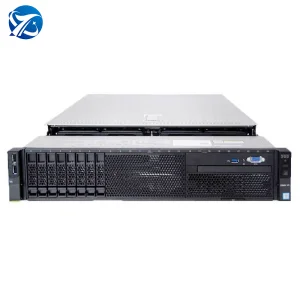
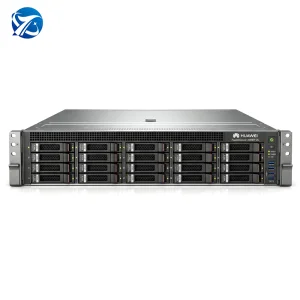
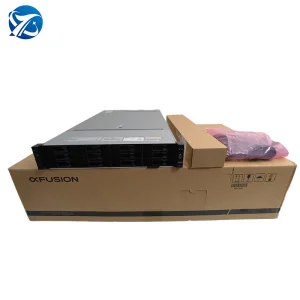
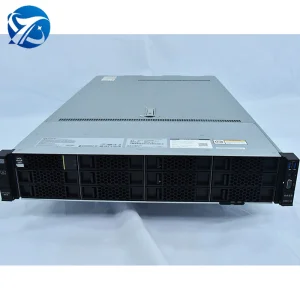
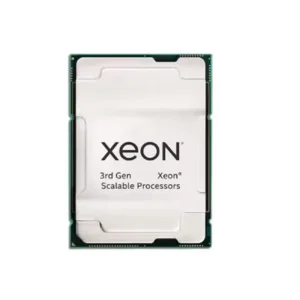
From predictive maintenance in oil refineries to automated optical inspection (AOI) on high-speed semiconductor assembly lines, enterprises require high-performance, resilient, and specialized compute hardware. These servers must process real-time video feeds, model complex physical systems, and orchestrate deep neural networks directly at the node layer. Hardware configurations like high-density GPU nodes, custom RAID controller matrices (such as the XP270-M2 with SAS3808 controllers), and scalable Xeon computing architectures form the backbones of these edge installations.
SEO Insight & Technical Trend: Modern IIoT architectures prioritize redundant, low-latency subsystems. Devices must run deep neural networks natively. Enterprise workloads now rely heavily on containerized microservices managed via Kubernetes clusters right inside factories.
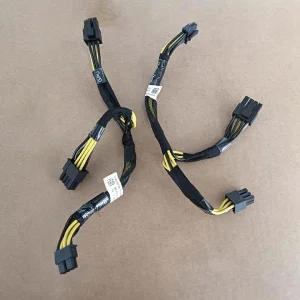
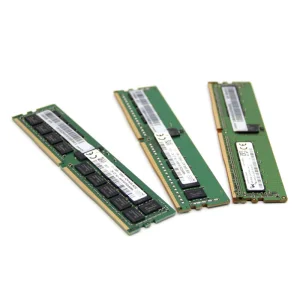
Furthermore, the emergence of localized Large Language Models (LLMs) and advanced agentic architectures (like DeepSeek) optimized for edge servers enables conversational factory automation interfaces. Engineers can interact directly with machinery data using natural language, query operational states, and diagnose anomalies without relying on remote clouds. This evolution demands robust GPU power pipelines (like the TR5TP GPU Power Cable) and high-density, multi-rank memory buffers (such as XFusion RDIMM DDR4/DDR5 RAM) to support heavy computational loads without throttling.
A direct translation of our engineering rigor, operational experience, and global reliability metrics.
Established in 2017, Shenzhen Veltrixa Intelligent Computing Co., Ltd. stands as a premium designer, manufacturer, and exporter of high-performance computing platforms, edge AI systems, and customized industrial server platforms. With more than 12 years of industry domain expertise embedded within our leadership and core engineering teams, Veltrixa bridges the gap between complex AI computing requirements and practical hardware deployment.
Every server, CPU, memory module, or custom cable leaving our facilities undergoes a strictly defined testing regimen overseen by 46 quality control professionals. Our 100% Pre-Shipment Inspection workflow includes:
Continuous operational tests under simulated industrial hot-zones up to 45°C to guarantee long-term system MTBF (Mean Time Between Failures).
Verification of PCIe bus configurations, RAID integrity matrices, memory rank architectures, and Linux distribution stability (Ubuntu Server, RHEL, Rocky Linux).
Testing storage throughput arrays and RAM frequency margins (e.g., verifying 3200MT/s configurations on 288-pin ECC RDIMMs under sustained stress).
Why sourcing from Shenzhen Veltrixa optimizes cost structure, system reliability, and time-to-market.
Modern computing hardware is not built in isolation. The city of Shenzhen represents the world's most dense and mature ecosystem for electronic components, high-speed printed circuit design (PCB), sheet metal chassis fabrication, and precision thermal solution engineering. Veltrixa leverages this geographical concentration to construct a hyper-efficient supply chain with over 1,280 certified partners. This ecosystem enables rapid component sourcing, reducing hardware prototyping times from months to weeks.
Our localized cost efficiencies directly benefit global system integrators and enterprise buyers:
Real-world deployment patterns of Veltrixa servers, memory architectures, and compute nodes.
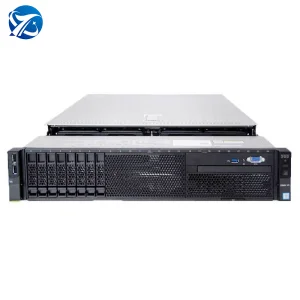
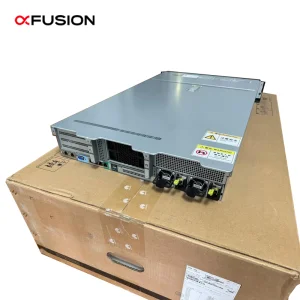
On high-speed electronic manufacturing lines, optical cameras capture up to 120 frames per second of components passing under inspection zones. Edge servers running high-density configurations, such as the xFusion 2288H V6 or 2258 V7 equipped with multiple computational accelerator cards, process these visual streams locally. By running lightweight inference models directly at the line level, systems flag micro-defects within 8 milliseconds, preventing downstream assembly failures.
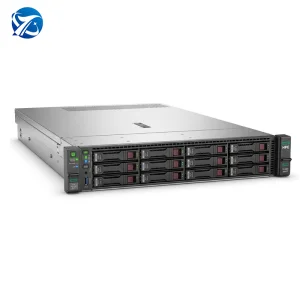
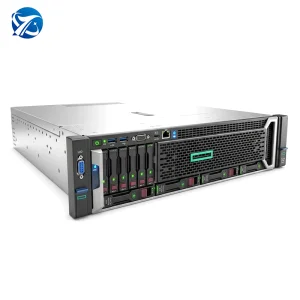
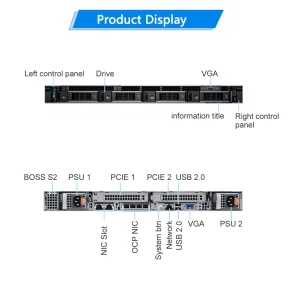
Metropolitan transportation grids deploy distributed compute architectures to optimize traffic flow and coordinate autonomous shuttle systems. These distributed systems require compact, heat-resilient 1U or 2U compute nodes (like the HPE DL360 Gen11 / Gen12 platform series) running localized container environments. By utilizing enterprise-grade memory ranks and redundant RAID controllers like the XP270-M2, these transit nodes process high-definition video feeds on-premise, minimizing network bandwidth requirements.
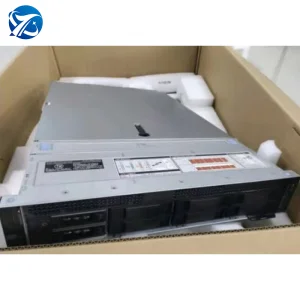
Large manufacturing conglomerates require high database transaction throughput to sync global supply chains. Servers like the xFusion 2488H V5 4-Socket Rack Server are custom-configured with high-density DDR4 or DDR5 RAM arrays. This setup facilitates massive in-memory computing workloads, ensuring ERP databases remain highly responsive under peak operational loads.
Standard industrial configurations designed for complex workloads, AI inference, and database scalability.
| Subsystem Metric | High-Density AI Edge Server | Enterprise HPC Compute Node | Deep Learning Clustering Node |
|---|---|---|---|
| CPU Capabilities | Dual Intel Xeon Scalable (up to 40 cores/socket) | Dual 144-core Intel Xeon 6 Processors | Quad-socket Intel Xeon Platinum / AMD EPYC |
| Memory Architecture | Up to 8TB DDR5 ECC RDIMM @ 4800MT/s | Up to 16TB DDR5/DDR4 System Memory | High-bandwidth Multi-Rank RDIMM arrays |
| Storage Redundancy | SAS3808 / XP270-M2 HW RAID (RAID 0,1,JBOD) | U.3 NVMe PCIe Gen5 SSD direct attachments | Hardware RAID controllers with supercapacitor backup |
| Co-Processing / Accelerators | Up to 3x Double-Width PCIe GPU adapters | Integrated Edge TPU or FPGA modules | Up to 8x HGX GPU interconnections (via OAM/PCIe) |
| Thermal & Power Envelope | Redundant 800W–1600W Titanium hot-plug PSUs | Redundant 1200W hot-plug PSUs | Liquid cooling block configurations (optional) |
Anticipating engineering milestones, architectural shifts, and the scaling of decentralized intelligence.
Future industrial applications will deploy lightweight, quantized LLMs directly onto factory-floor servers. These localized models will interpret sensor anomalies, generate system code, and orchestrate mechanical assets locally, eliminating external API dependencies.
As processor thermal design power (TDP) exceeds 350W per socket and accelerator architectures scale, traditional air cooling is reaching its limits. Expect wider adoption of sealed, liquid-to-air cooling structures within industrial server enclosures.
Compute Express Link (CXL) technologies will allow memory expansion pools to share physical space dynamically. This shift reduces system overheads and boosts data throughput for edge server clustering networks.
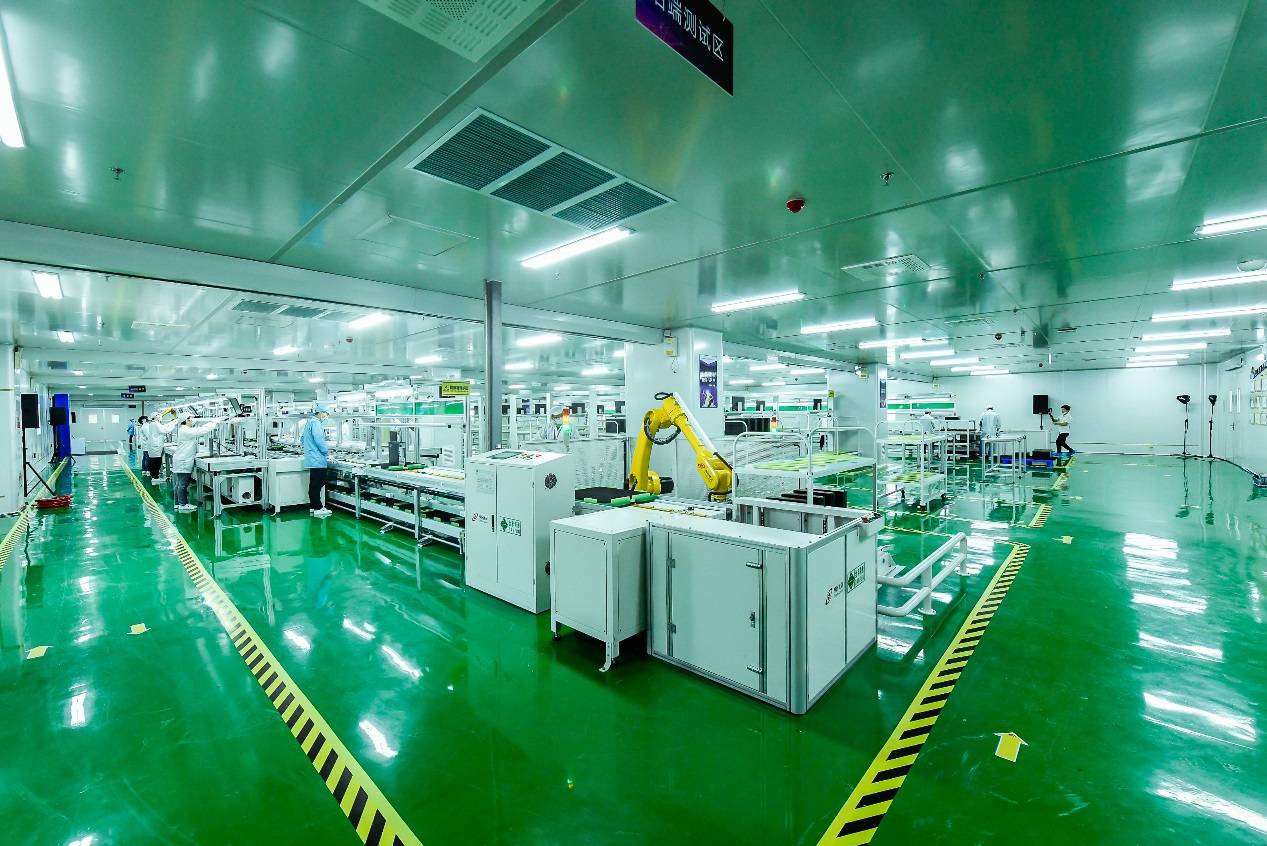
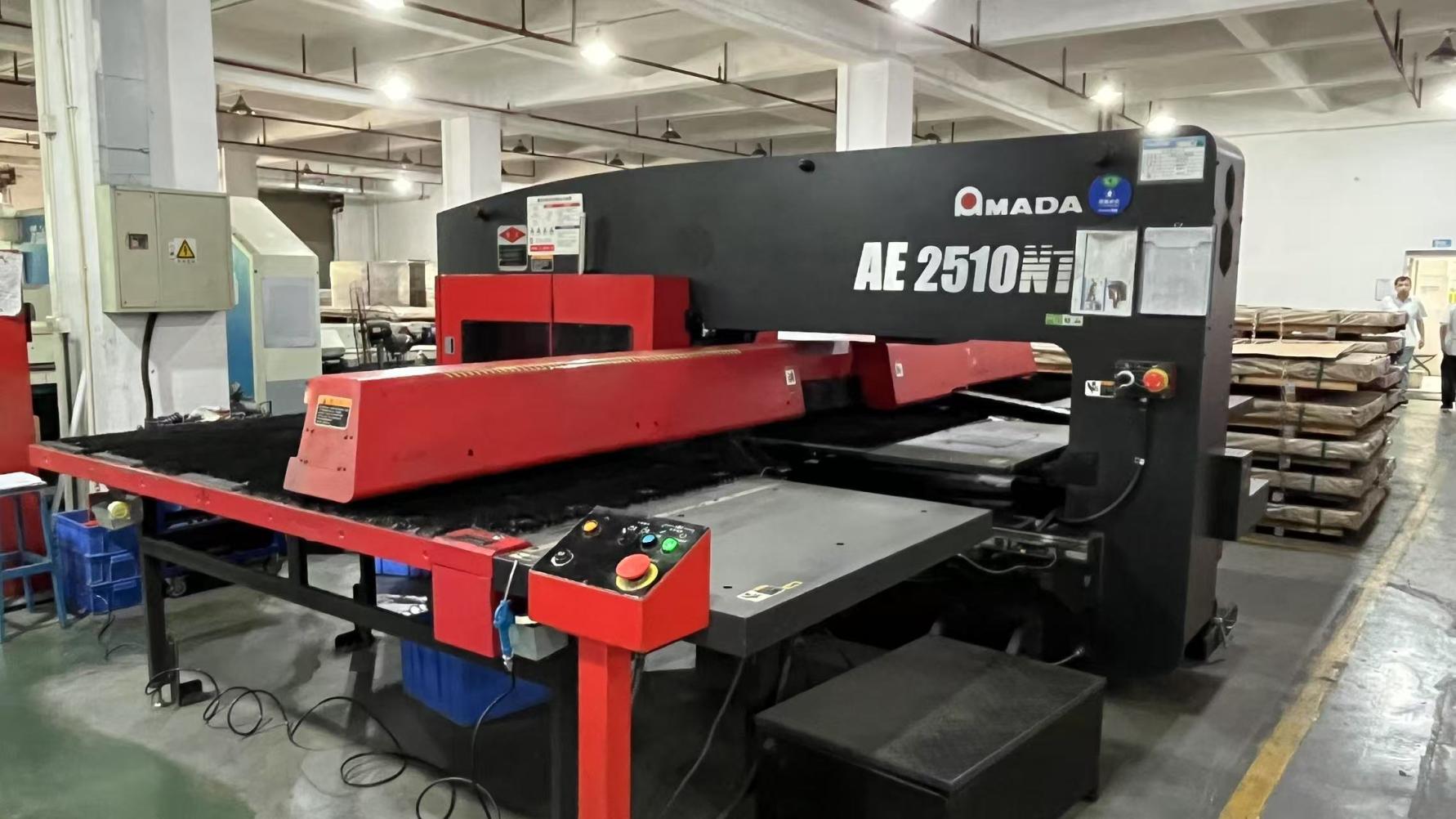
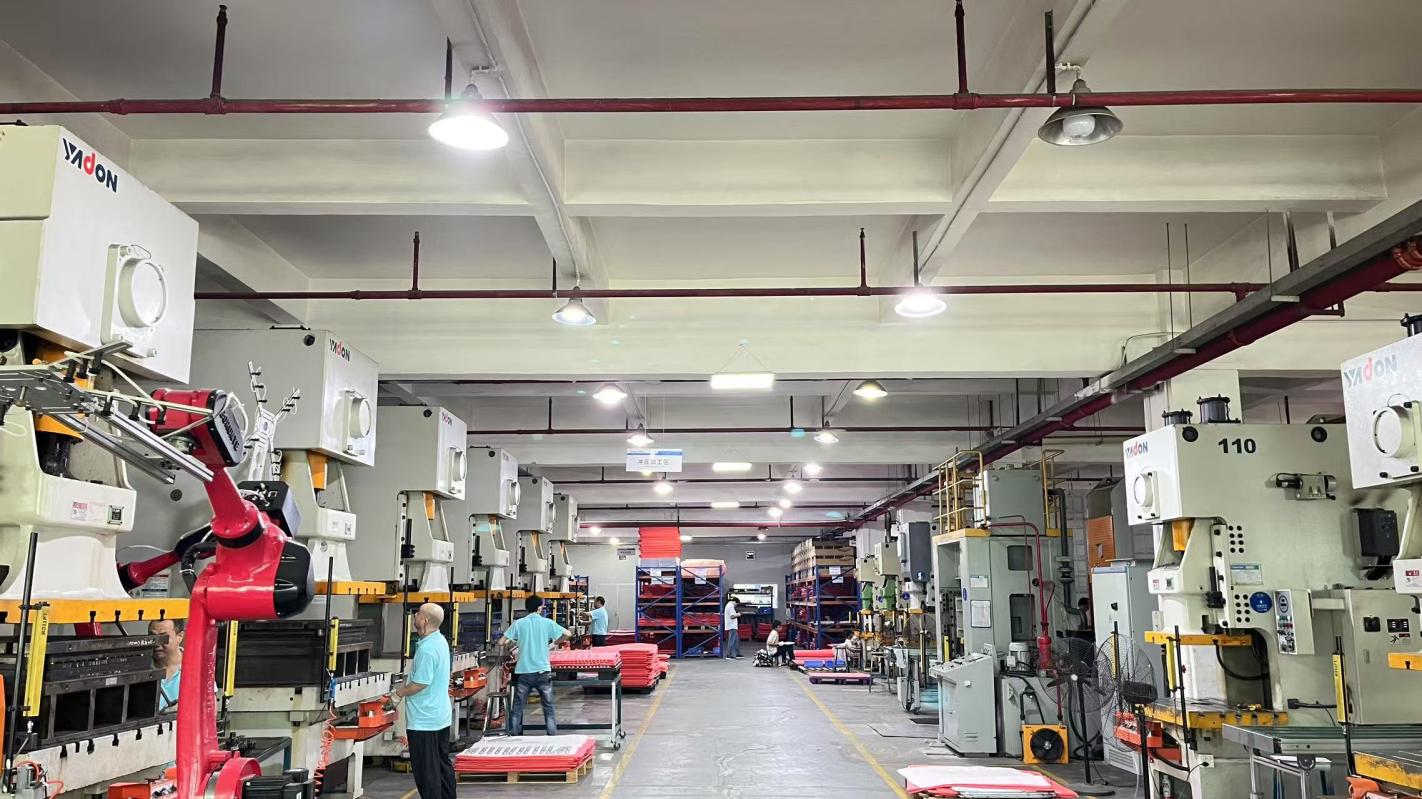
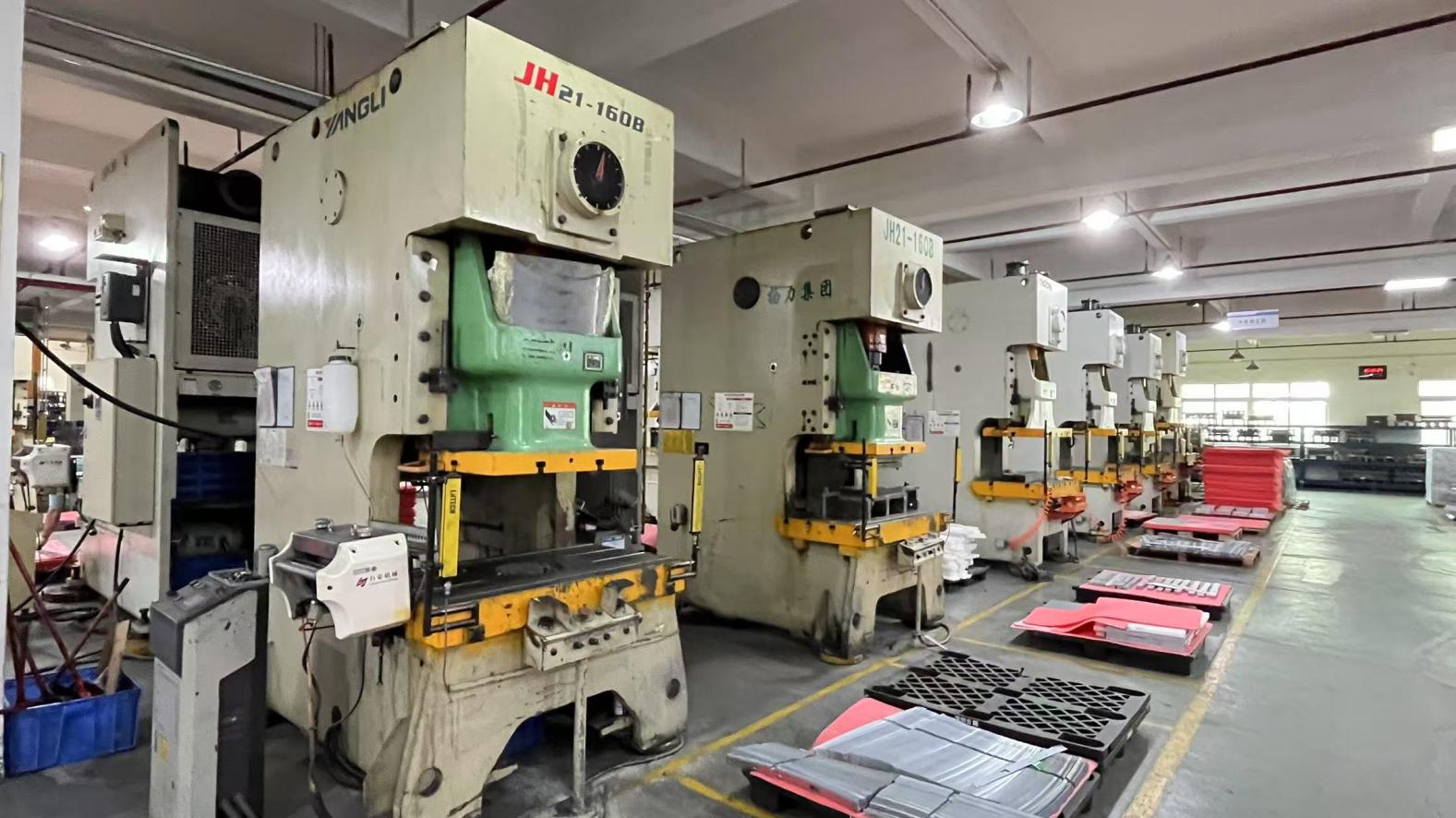
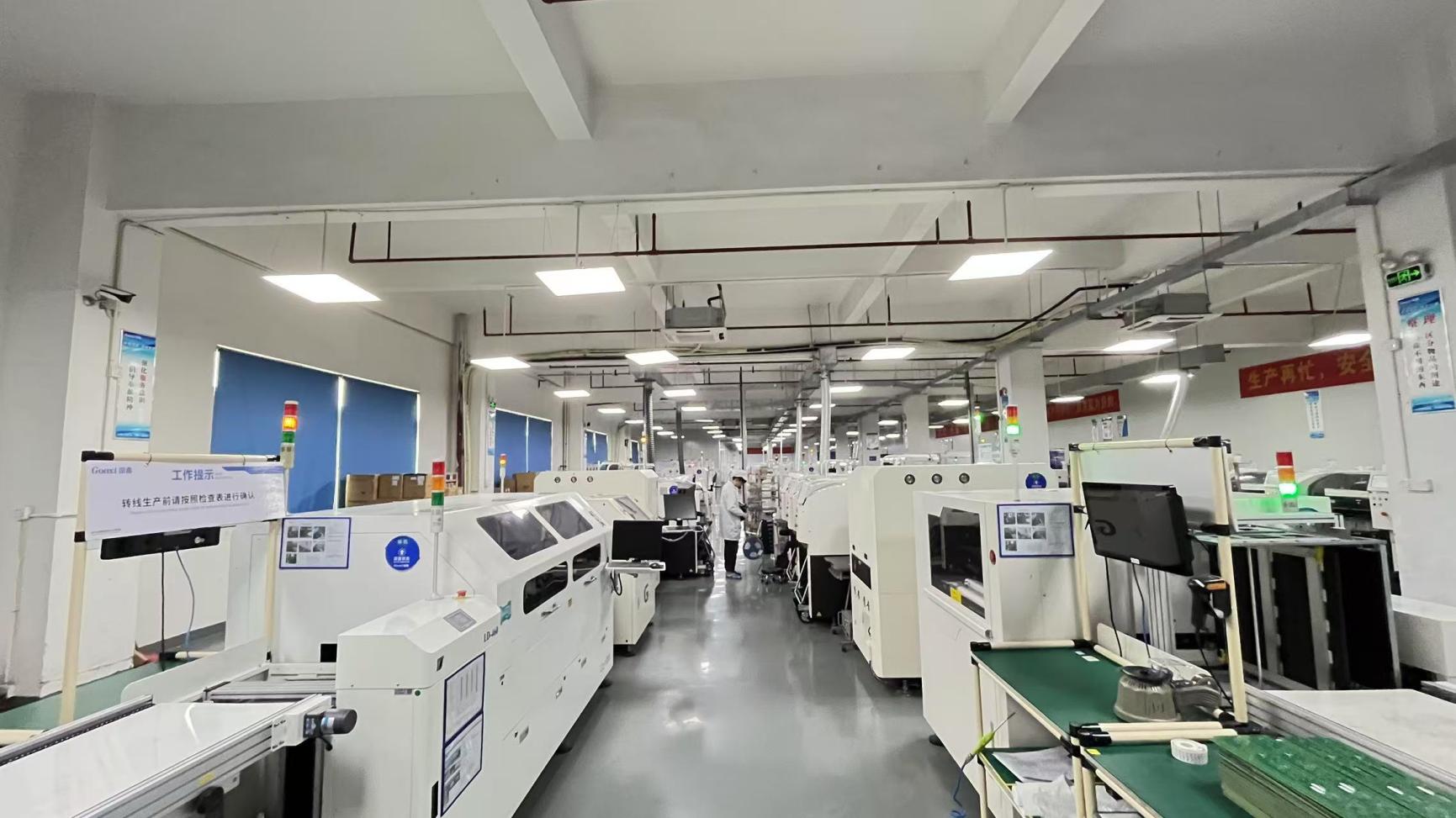
Our facility hosts production tooling, assembly bays, thermal aging enclosures, and custom functional testing areas.
Detailed answers to technical, logistical, and design-related inquiries for enterprise IT planners.
Explore high-capacity enterprise configurations designed for AI training, data centers, and advanced cloud storage.