Veltrixa
Veltrixa
Veltrixa
Immediate dispatch options for local smart-manufacturing hubs, high-capacity computing clusters, and low-latency storage setups.
Understanding the transition from assembly lines to real-time Edge AI computing environments.
Detroit, Michigan—the historic heart of global automotive manufacturing—is experiencing a profound digital transformation. Modern assembly lines no longer run on simple PLC controllers; they rely on Real-Time Edge AI, Complex CAD/CAE Simulations, and Unified Data Networks. For Tier-1 suppliers and OEMs, high-availability hardware is critical to manage the massive bandwidth generated by connected factories, robotic machinery, and autonomous vehicle telemetry.
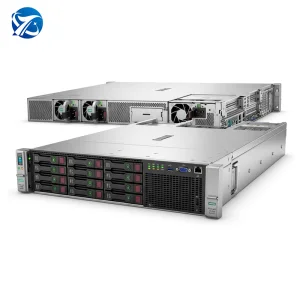
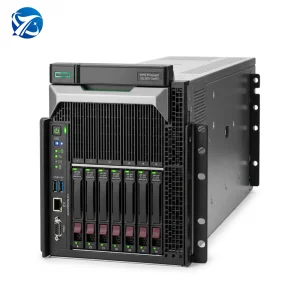
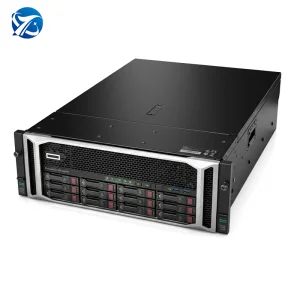
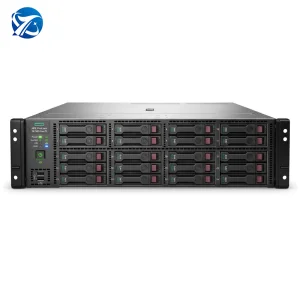
HPE ProLiant servers supply the raw computational capacity, enterprise redundancy, and high-density thermal architecture needed to survive the rigorous operational environment of manufacturing plant back-offices and Edge deployments. Our custom configurations allow systems to withstand high ambient temperatures while maintaining optimal compute outputs.
Local Detroit businesses frequently face shipping bottlenecks, high tariffs, and procurement delays for specialized, high-tier server builds. By integrating Shenzhen's agile production ecosystem with local US integration standards, we bridge the gap. We deliver customizable rack options, high-density GPU computing nodes, and enterprise-level warranties directly to Detroit's aerospace, automotive, and logistics hubs.
Looking for custom configurations compliant with Detroit automotive standards?
Consult an EngineerEstablished in 2017, Veltrixa has grown to become a leading manufacturer and solution provider specializing in AI GPU servers, high-performance computing (HPC) platforms, edge AI systems, and customized data center infrastructure. Through our advanced facilities and rigid validation programs, we support enterprises, system integrators, and researchers in Detroit and globally.
By locating our production base in Shenzhen, China, we leverage direct partnerships with major chipset and component suppliers, ensuring highly competitive pricing, deep hardware customization capability, and short lead times for high-volume orders.
Request Custom Spec SheetNo server leaves our line without passing through our rigorous multi-phase validation matrix.
Every server node undergoes functional checking, component identification verification, and physical inspection to ensure zero defects on arrival.
Our systems run at max power workloads inside a thermal chamber for up to 72 hours to proactively isolate latent silicon or integration anomalies.
Validation includes firmware mapping, IPMI setup, local hypervisor checks (ESXi, Proxmox, Hyper-V), and direct configuration matching.
| QA Test Category | Specific Verification Procedures | Detroit Project Significance |
|---|---|---|
| Thermal Validation | Thermal camera imaging under full synthetic load to confirm airflow optimization and liquid cooling seal integrity. | Prevents server throttling in non-climate-controlled warehouse and automotive stamping environments. |
| ECC Memory Diagnostics | MemTest86+ multithreaded test passes across DDR4/DDR5 banks to verify address integrity. | Crucial for manufacturing databases (MES) where memory corruption halts entire assembly lines. |
| PCIe Gen5 Lane Testing | Stress test for NVMe storage arrays and GPU interconnects to ensure zero link downgrades. | Guarantees maximum data throughput for real-time video inference and AI training models. |
| Security Validation | HPE Silicon Root of Trust & TPM module functional check for hardware-level security validation. | Protects intellectual property, proprietary CAD designs, and manufacturing control networks. |
How newer CPU architecture, high-density PCIe layout, and liquid cooling address the modern performance curve.
For organizations planning hardware refreshes in Detroit, understanding the migration path from HPE Gen11 to Gen12 platforms is vital. Gen12 models incorporate advanced processor architectures designed to increase core densities, supporting up to 144 cores per socket. This allows companies to consolidate virtualized applications and reduce physical rack footprints.
Memory bandwidth has also advanced. With DDR5 working at higher speeds, analytical queries, local databases, and heavy computer-aided engineering (CAE) operations execute with significantly lower latencies. Enhanced energy-efficient architectures help scale performance while managing power constraints in local processing units.
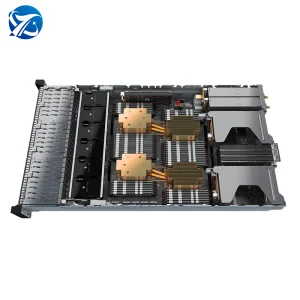
High-density calculations, especially those using clusters of powerful GPUs, generate substantial heat. Traditional air cooling often falls short, leading to thermal throttling and hardware wear. Liquid-cooled servers bypass these limits. By utilizing direct-to-chip liquid cooling setups, heat is transferred away efficiently, reducing cooling system power usage and letting chips run at maximum performance for extended periods.
Our core lineup of scalable nodes, tailored to enterprise data center standards.
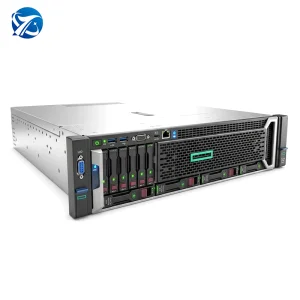
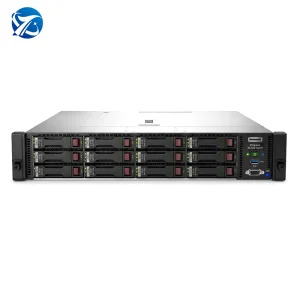
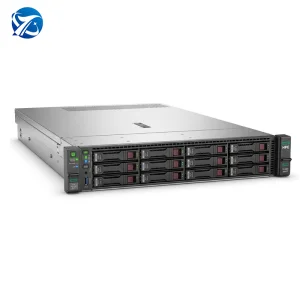
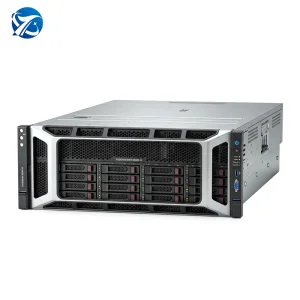
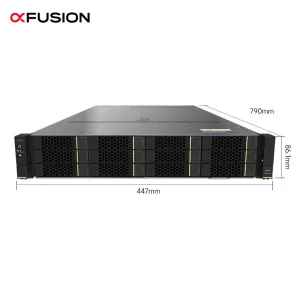
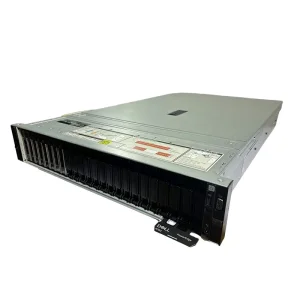
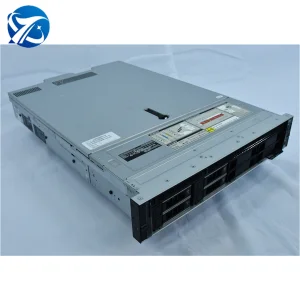
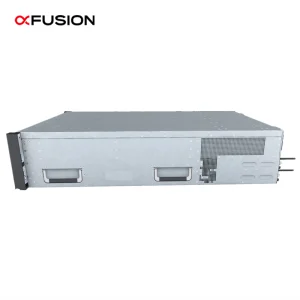
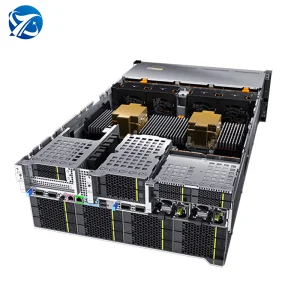
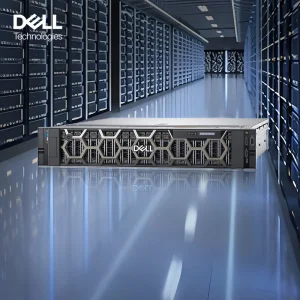
Where raw performance meets on-the-ground operational demands.
Autonomous driving systems require extensive testing. Multi-GPU servers process petabytes of sensor data (LiDAR, camera feeds) daily, running virtualization scripts to simulate millions of virtual road miles inside Detroit engineering facilities.
By processing real-time sensor streams from assembly line arms on factory-floor HPE nodes, automotive plants use predictive models to forecast bearing failures, preventing unexpected downtime.
Regional logistics operators utilize GPU-accelerated servers to run complex optimization algorithms, reducing fuel consumption and scheduling delivery networks across the Midwest.
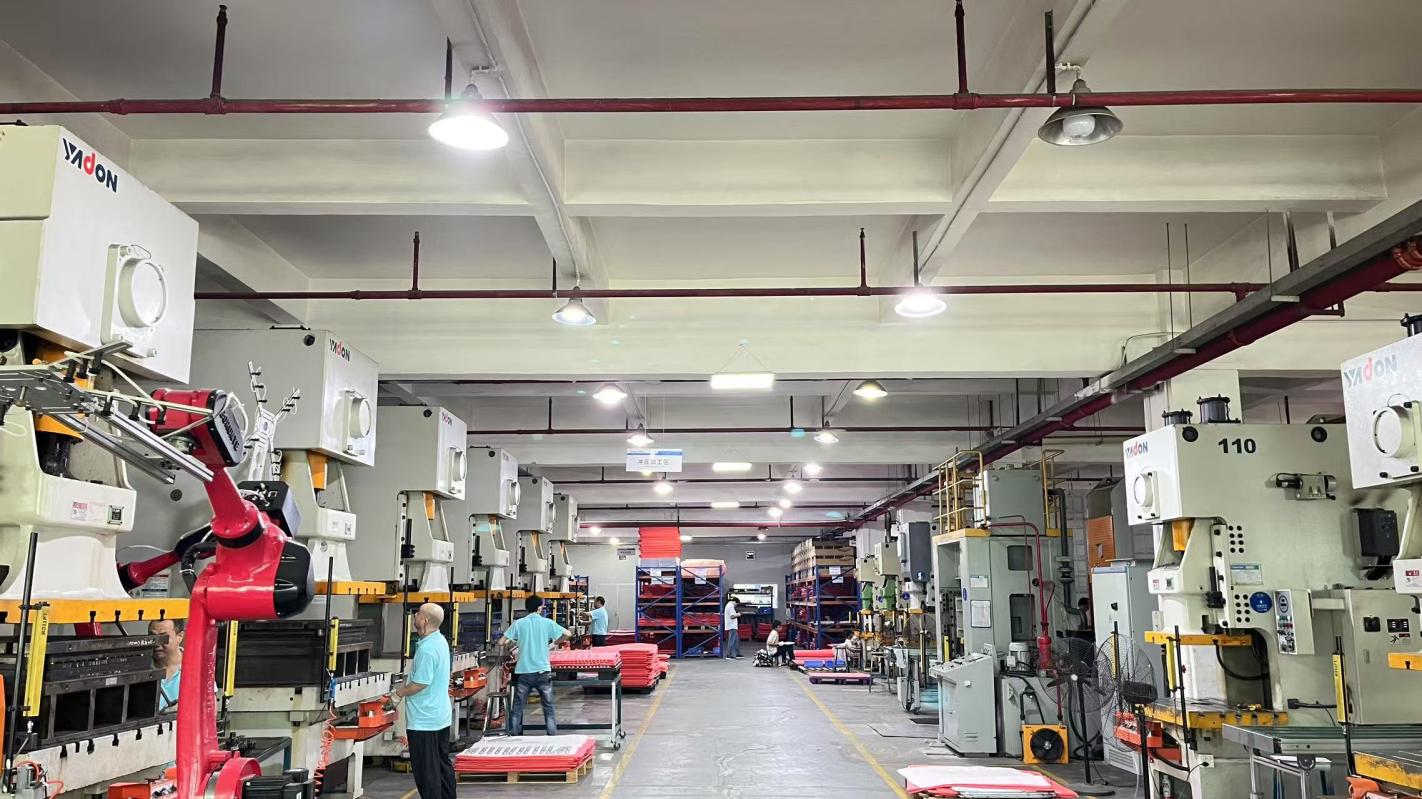
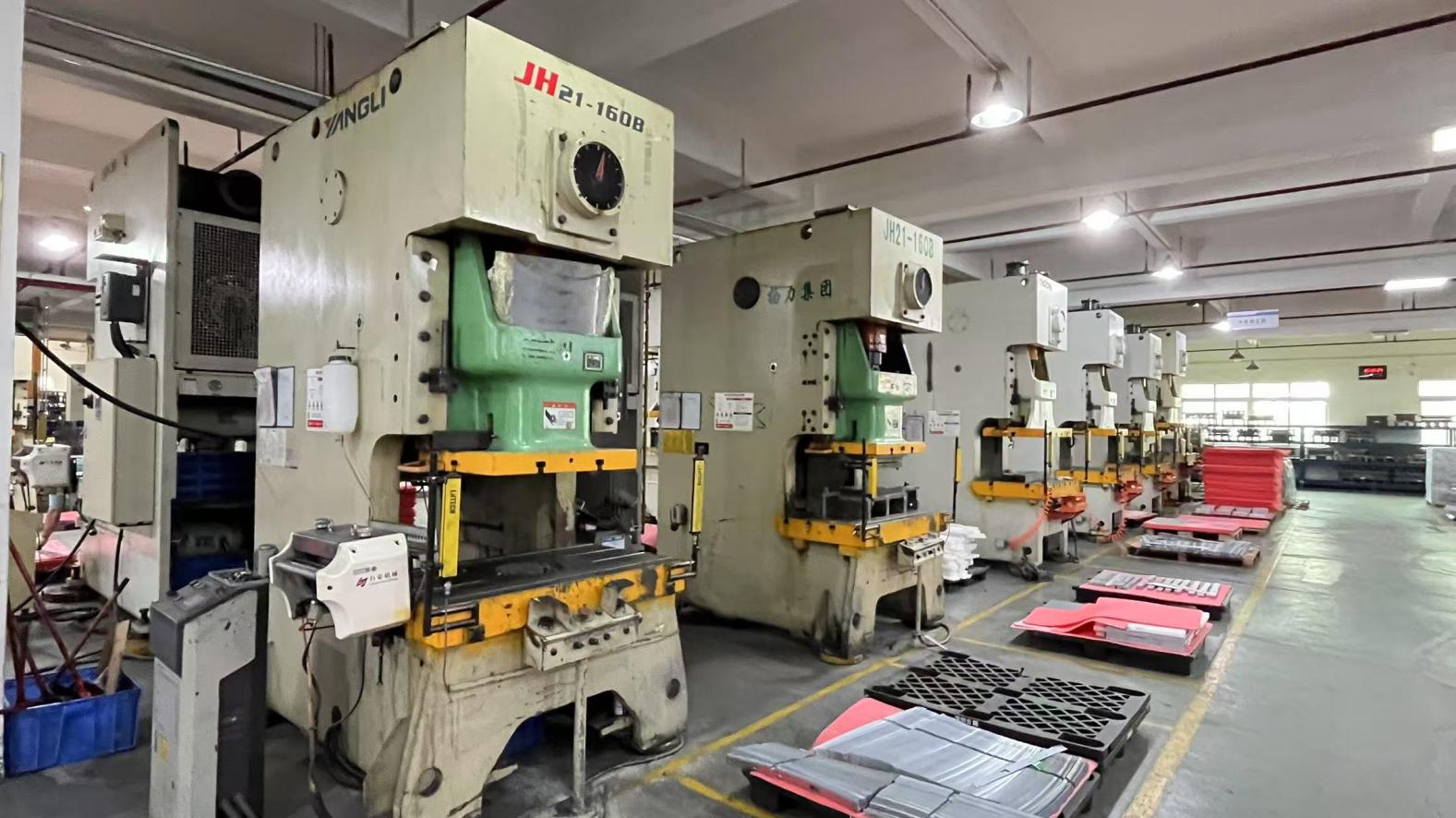
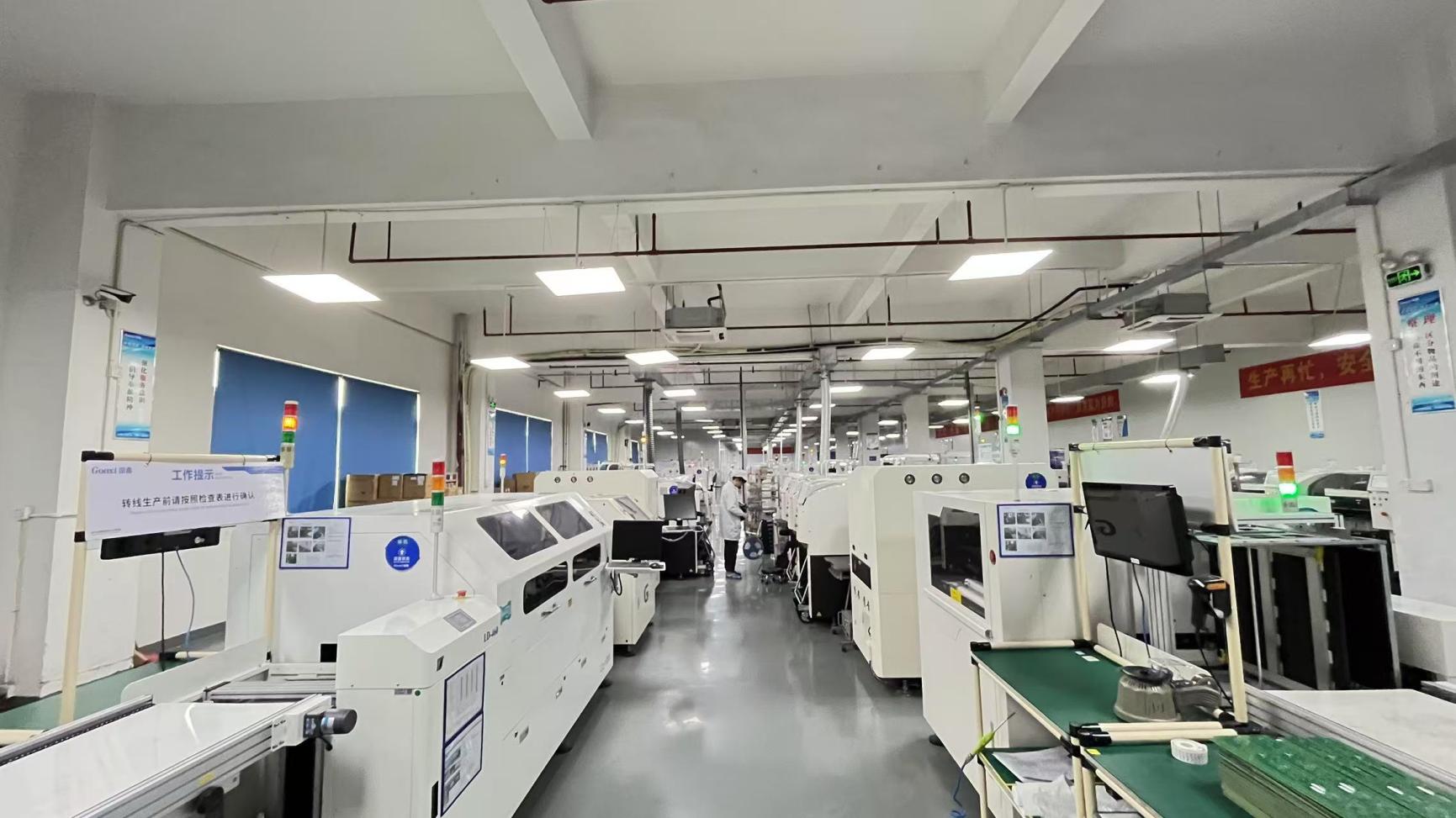
Inside Veltrixa's state-of-the-art assembly lines, testing chambers, and global shipping department.

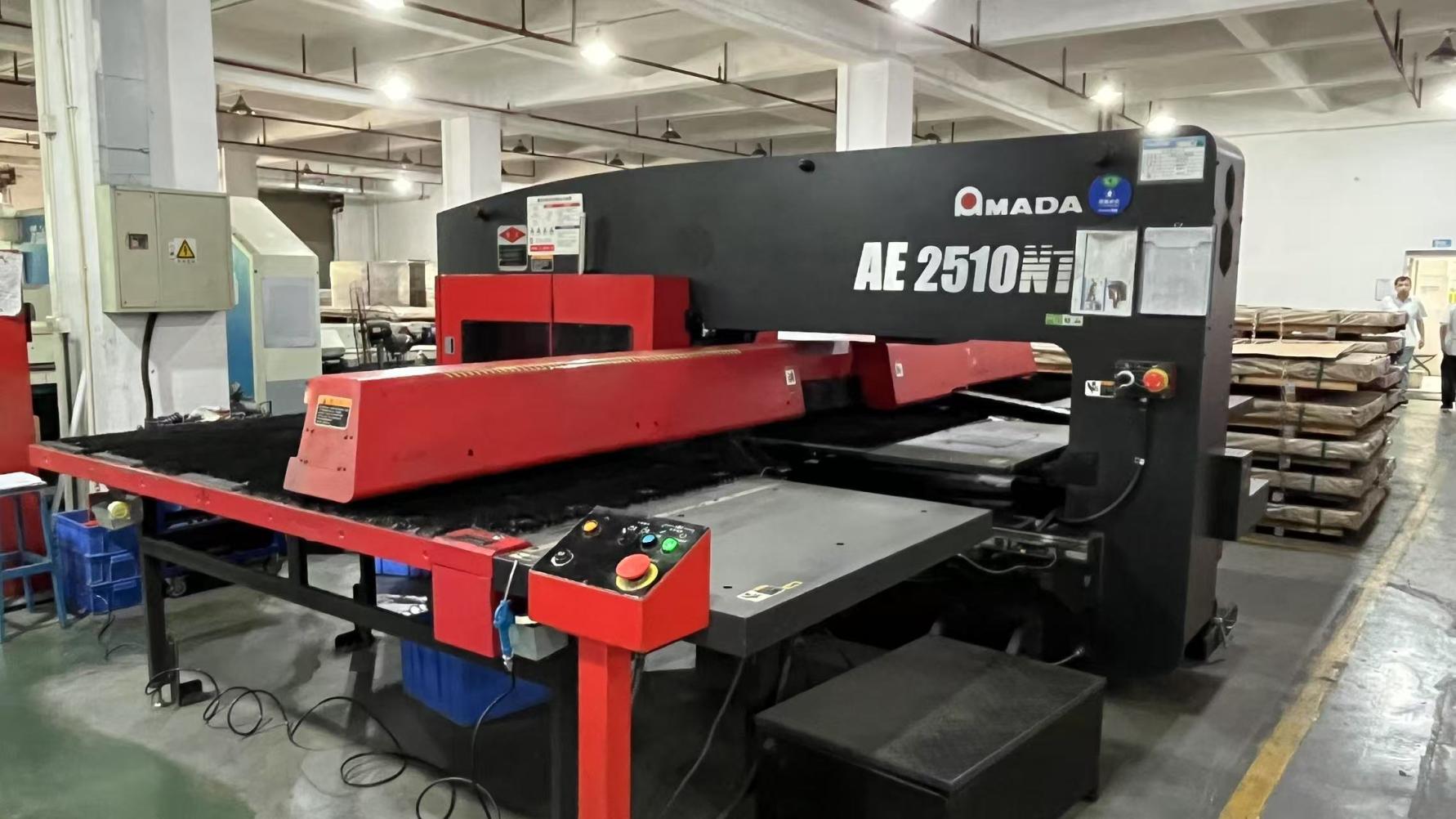
Detailed answers to direct technical and procurement questions from our clients.
Submit your detailed hardware specifications, capacity needs, or compliance requirements. Our engineering team will review and draft a custom configuration sheet.