Veltrixa
Veltrixa
Veltrixa
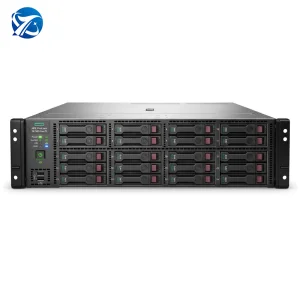
Austria’s economy relies heavily on specialized industrial engineering, advanced manufacturing (Industry 4.0), and a rapidly evolving services ecosystem. From regional manufacturing hubs in Linz, Steyr, and Graz to Vienna's bustling smart-city projects, businesses are shifting from standard cloud architectures to secure hybrid computing strategies. Under the framework of the European Green Deal and local ESG regulations, energy efficiency is a key consideration. To support these goals, data center designs must deliver maximum computing power within constrained thermal envelopes.
As Austria transitions into its digital decade, the local demand for enterprise servers is driven by data compliance mandates, specifically the NIS2 (Network and Information Security) Directive. Standard, unmodified servers often fail to meet the security requirements of modern workloads. By utilizing HPE’s ProLiant platform, featuring security innovations like the Silicon Root of Trust, Austrian enterprises can deploy hardware with boot-to-runtime verification that protects critical data assets.
All HPE servers exported to Austria comply with CE, RoHS, and WEEE directives. Our customized systems feature advanced power monitoring systems compatible with standard EU rack power distribution units (PDUs) to support local energy management guidelines.
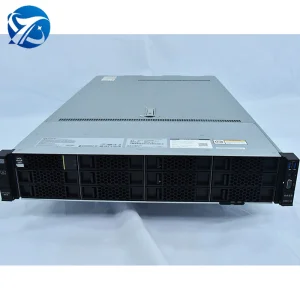
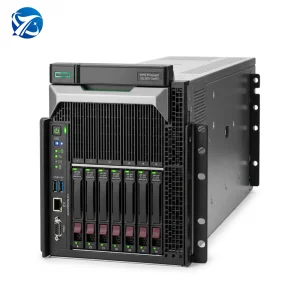
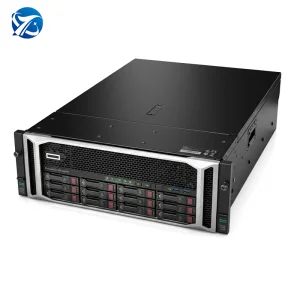
HPE ProLiant Gen12 and Gen11 servers represent the state-of-the-art in scalable multi-socket architecture. Designed to support Intel Xeon Scalable and Xeon 6 processors, these platforms offer the core densities and high-bandwidth memory sub-systems required for intensive enterprise workloads. With DDR5 memory speeds and PCIe Gen5 bus architectures, compute channels are designed to handle demanding throughput needs without bottlenecks.
For data centers in Vienna and Linz, this processing efficiency translates directly to minimized hardware footprints. A single HPE ProLiant Gen12 node can consolidate workloads that previously required multiple legacy systems. This reduction in hardware footprints helps lower cooling costs and reduces physical space requirements, supporting local green initiatives.
Security is integrated directly into the silicon of HPE ProLiant systems. Via the integrated Lights-Out (iLO 6) management processor, a secure fingerprint is burned into the ASIC during manufacturing. This creates an immutable link that verifies the system's firmware before the operating system boots.
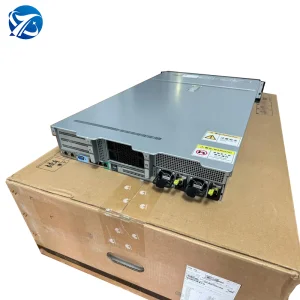
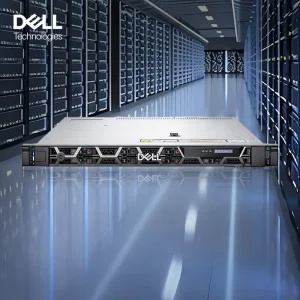
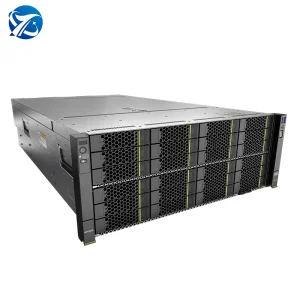
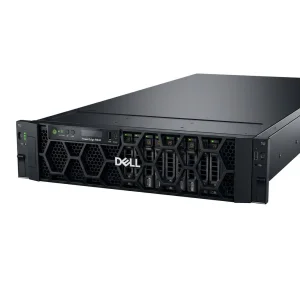
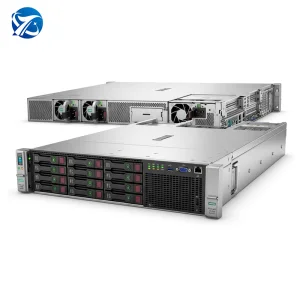
Explore our selection of specialized 1U/2U configurations, optimized for high performance, liquid cooling capability, and AI inference tasks.
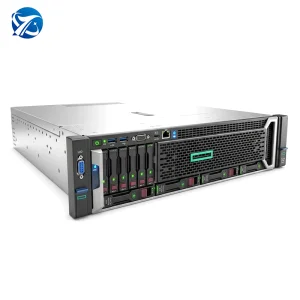
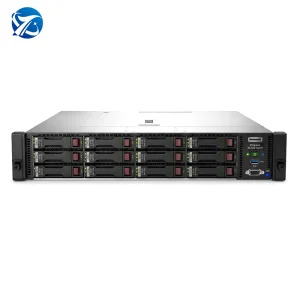
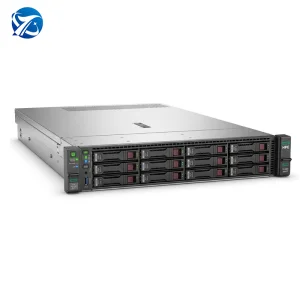
Austria’s strict energy laws require data center operators to lower their Power Usage Effectiveness (PUE) metrics. Traditional forced-air cooling methods struggle to keep pace with the heat generation of modern multi-core processors and high-TDP GPUs. This makes liquid cooling technologies increasingly important for managing high-density server configurations.
Direct-to-chip (D2C) liquid-cooling loop systems, such as those available on specialized HPE ProLiant Gen12 nodes, offer an alternative cooling method. These systems transfer heat away from critical components using liquid loops, routing thermal energy directly out of the server chassis. By reducing reliance on high-RPM fans, these platforms lower energy usage, allowing data centers to maintain stable operating temperatures while supporting local sustainability compliance goals.
Our export configurations are design-verified to integrate into Austrian cooling networks, including primary water circuits and heat-recovery systems that capture waste heat for local utility networks.
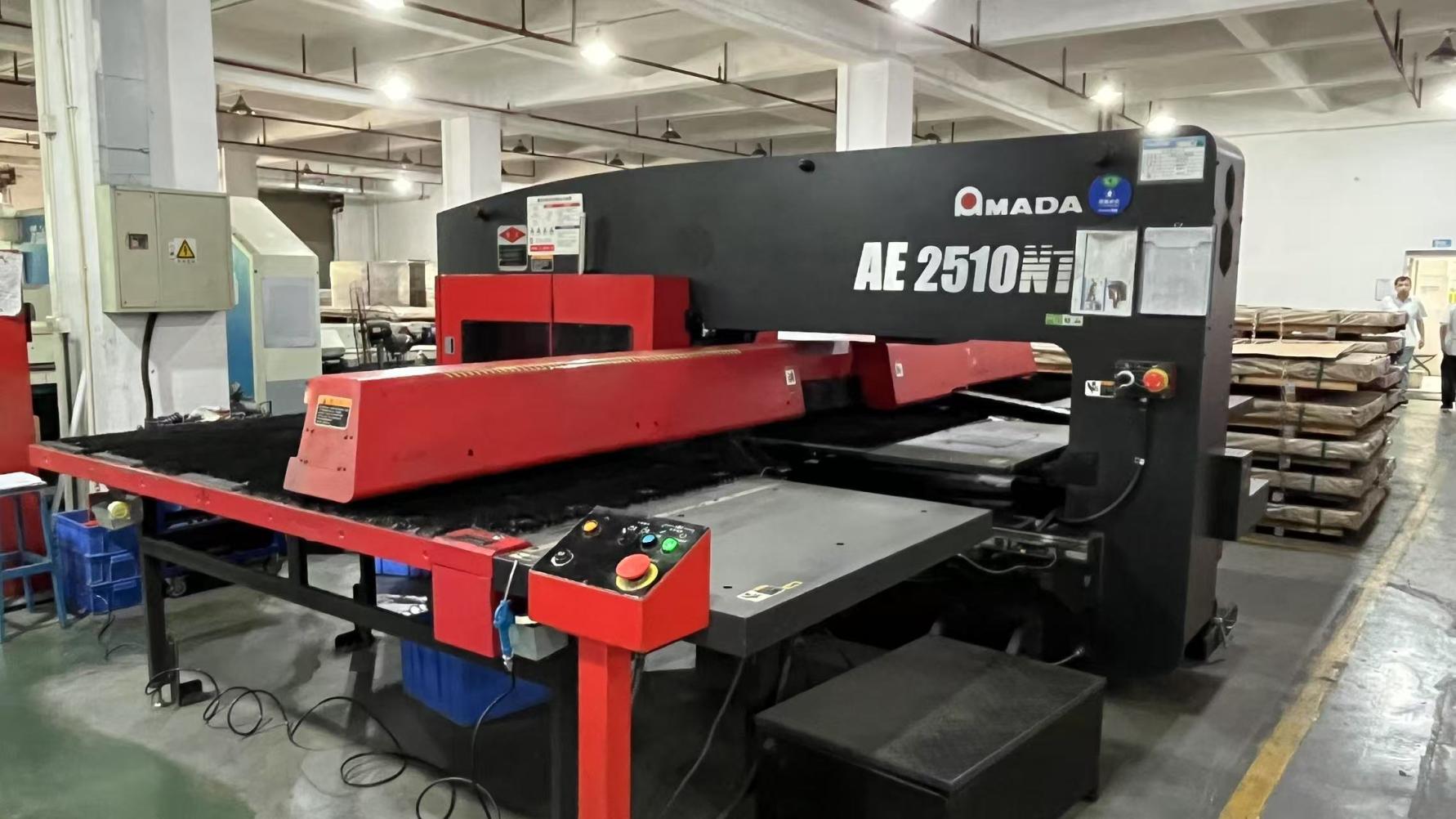
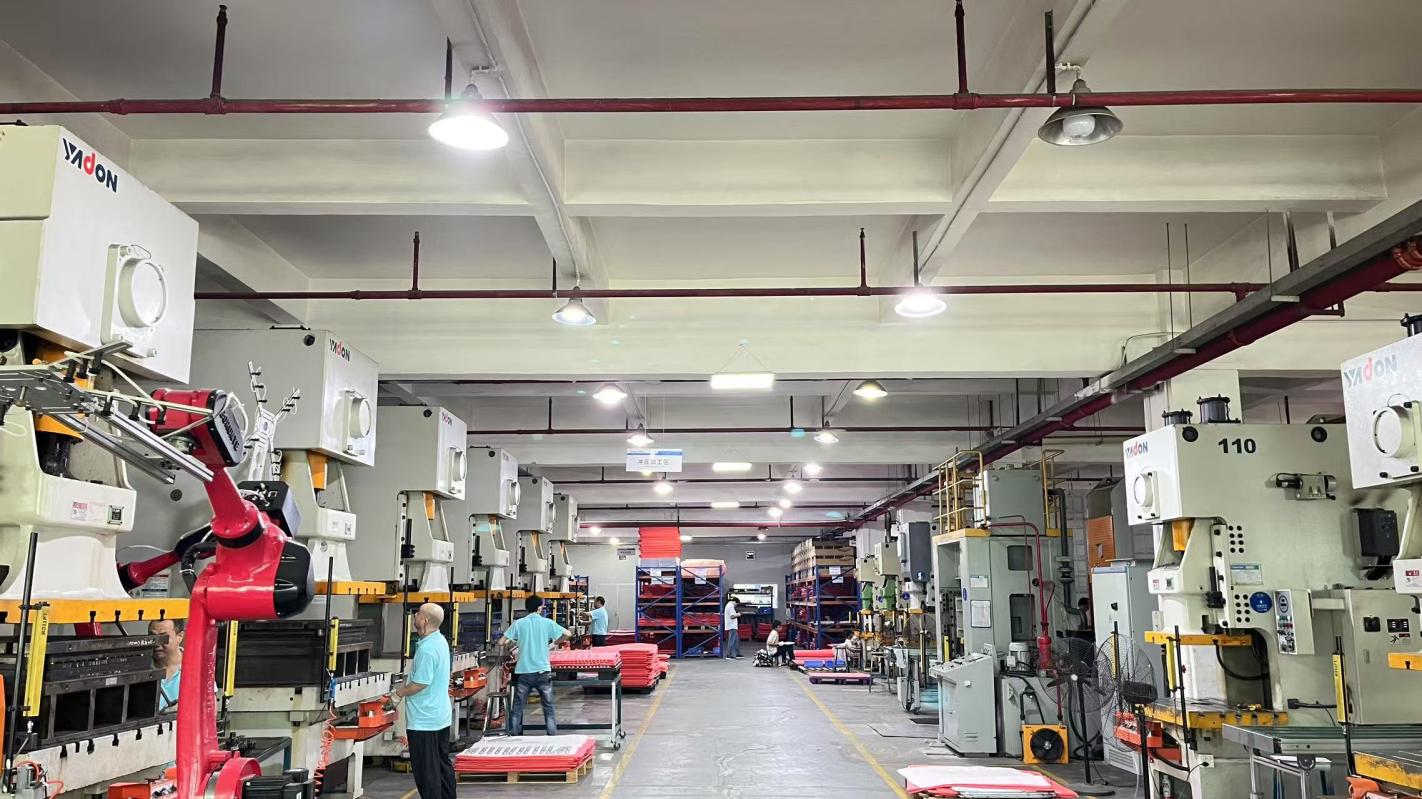
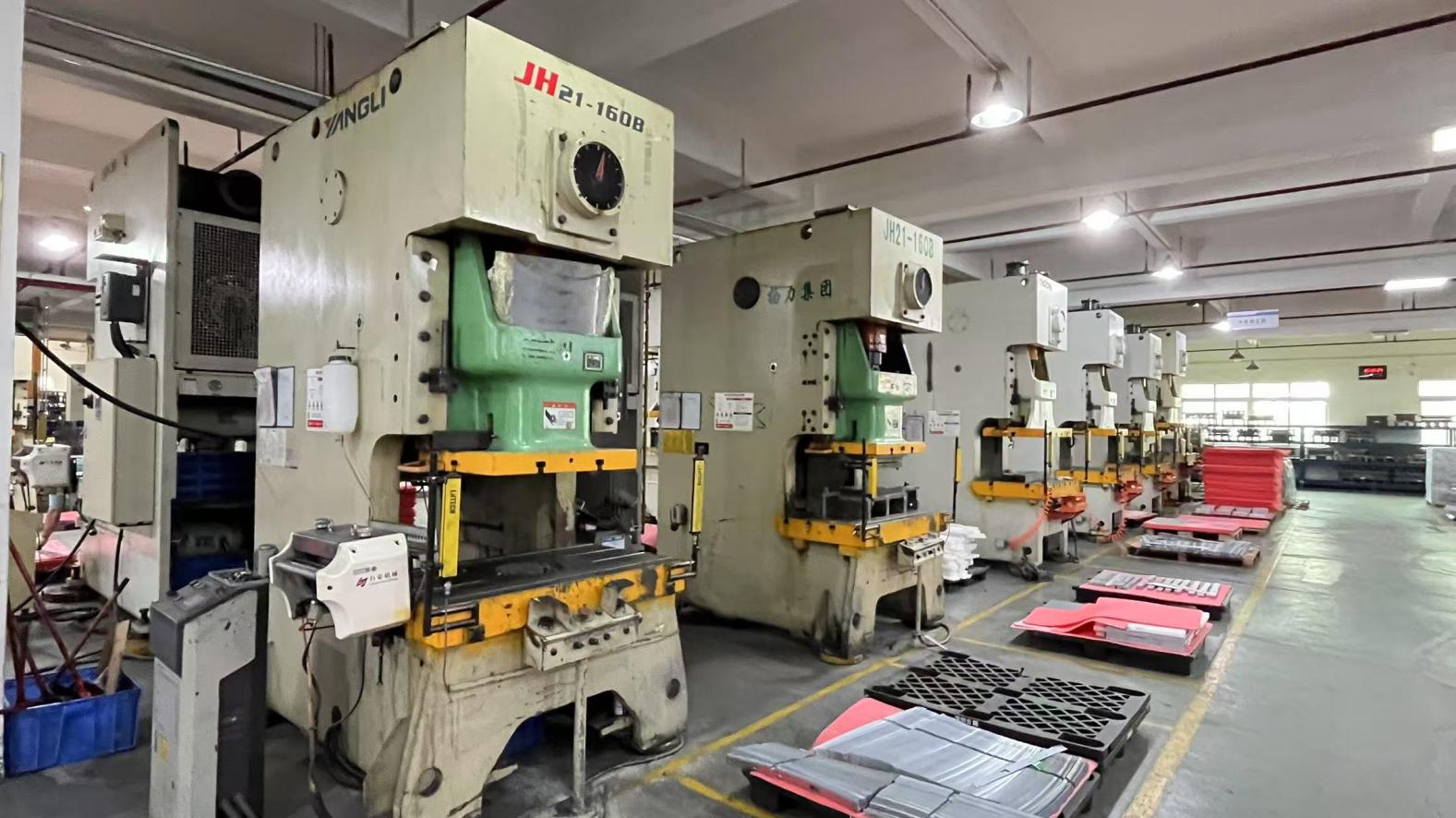
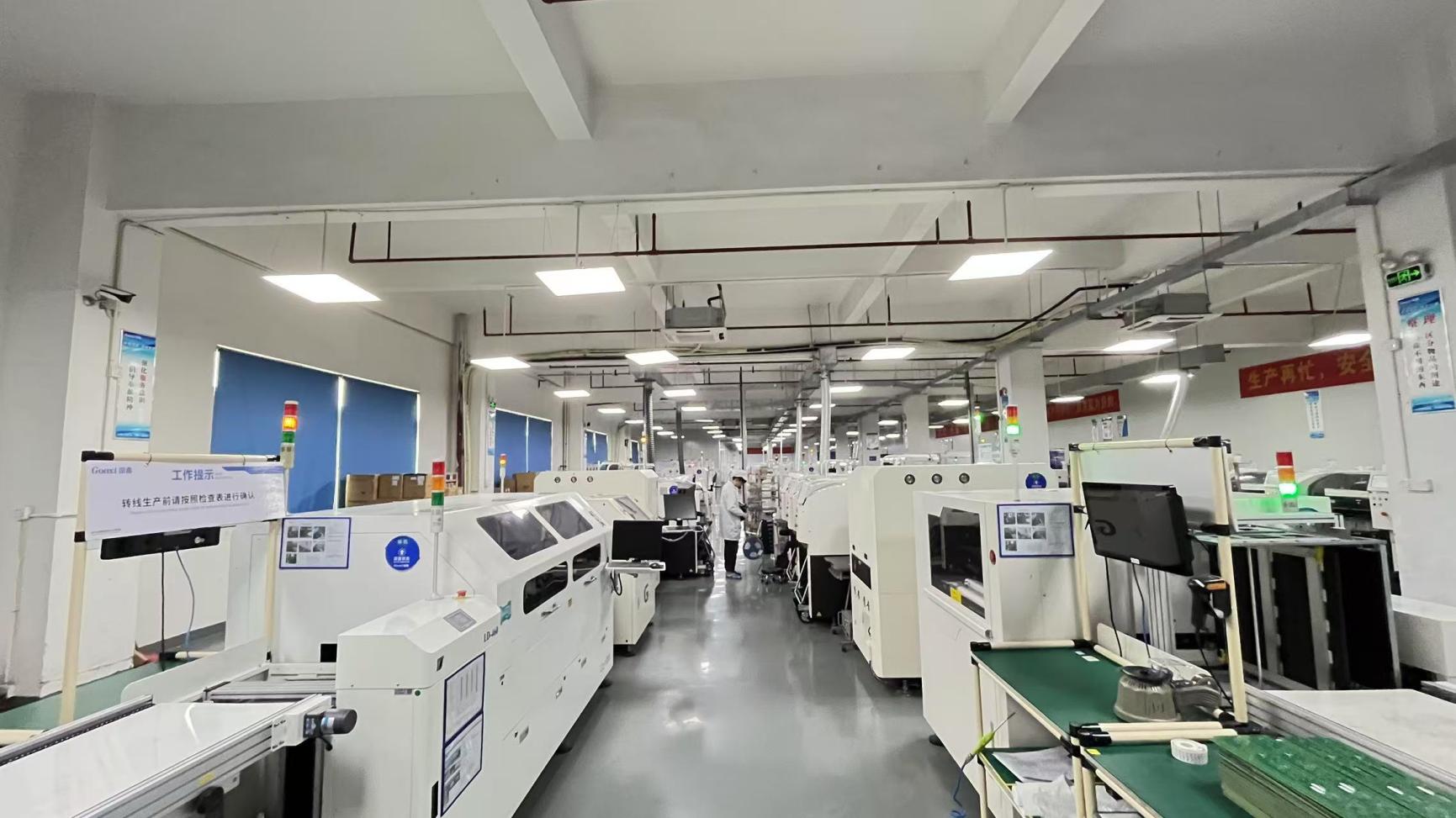
Established in 2017, Shenzhen Veltrixa Intelligent Computing Co., Ltd. is a manufacturer and exporter specializing in custom AI GPU servers, high-performance computing (HPC) nodes, and customized enterprise data center components. Operating from Shenzhen, our production facility features modern integration lines, advanced testing tools, and thermal burn-in environments designed to meet strict quality control requirements.
| Corporate Parameter | Technical Capability Description |
|---|---|
| Quality Assurance Program | 100% Pre-Shipment Inspection including functional testing, burn-in validation, compatibility checks, and structural testing by 46 QC professionals. |
| R&D Architecture Team | 86 hardware and mechanical design engineers focusing on customized OEM/ODM platforms and private label integrations. |
| Global Logistics Reach | 7 years of direct international export experience, providing optimized cargo paths to Western Europe and Austria. |
| Production Infrastructure | 386 m² modern processing facility designed to handle hardware modification, bios customization, and multi-GPU configurations. |

Deploy custom-configured HPE servers directly onto shop floors in Graz and Steyr for industrial automation, high-speed telemetry collection, and predictive maintenance algorithms.
Support latency-critical transaction databases and quantitative risk modeling for Vienna-based financial services, using secure hardware built on HPE iLO 6 cryptographic protections.
Accelerate complex physics modeling, climate simulations, and AI training workloads at universities and scientific institutions in Innsbruck, Linz, and Vienna.
As modern architectures evolve, server technologies are preparing for key updates to support future performance requirements. Future designs will transition from PCIe Gen5 to PCIe Gen6, doubling data bandwidth to support high-throughput network configurations. Compute Express Link (CXL) 3.0 integrations will also allow finer memory pooling configurations across multi-node clusters, helping data centers extract maximum utilization from installed memory pools.
Veltrixa remains aligned with these industry developments. We are continually updating our manufacturing pipelines in Shenzhen to support next-generation server standards. By offering hardware paths that accommodate future silicon architectures and advanced memory standards, we help our partners in Austria build and maintain future-ready data center infrastructures.
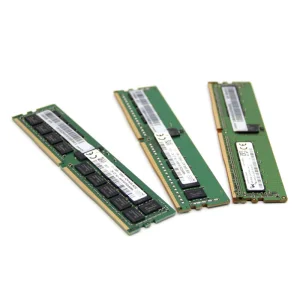
Browse our extended catalog of dual-socket platforms, GPU deep learning clusters, and specialized server memory modules.