Veltrixa
Veltrixa
Veltrixa
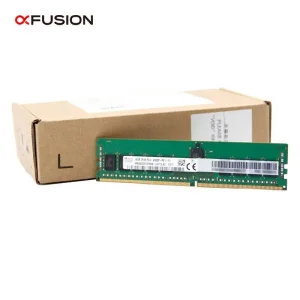
High-speed, error-correcting code (ECC) modules engineered for enterprise virtualization and critical workloads.
The convergence of high-speed network infrastructure and cloud technology in Romania requires resilient memory components.
Romania has rapidly positioned itself as one of the leading tech hubs in Central and Eastern Europe. Boasting some of the fastest broadband internet speeds globally, cities like Bucharest, Cluj-Napoca, Timișoara, and Iași have seen exponential growth in enterprise data hosting, IT outsourcing, and local research facilities. This digital shift places unprecedented pressure on enterprise server infrastructure, where system memory represents a primary performance bottleneck.
In high-availability environments, regular memory modules simply do not suffice. Critical digital systems running financial algorithms, automotive simulation systems, or high-concurrency e-commerce operations in Romania rely on ECC (Error-Correcting Code) Registered RAM. By identifying and correcting single-bit errors in real-time, ECC modules prevent silent data corruption, system lockups, and costly unplanned downtime.
Globally, the server memory industry is transitioning from legacy architectures to high-efficiency configurations. As enterprise server workloads pivot towards local AI inference, virtualization, and multi-tenant cloud hosting, memory reliability has emerged as a top-tier metrics concern. Whether deploying rack-mount solutions for deep learning or keeping regional database servers operational, using high-density RDIMM memory guarantees data integrity across the pipeline.
Why technical architecture dictates enterprise performance in modern server clusters.
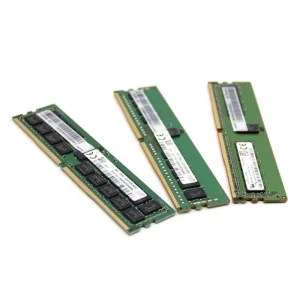
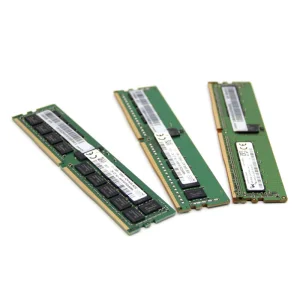
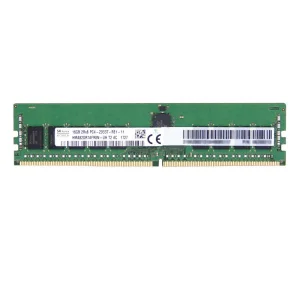
Unlike standard unbuffered RAM (UDIMM), Registered RAM (RDIMM) features an onboard register chip. This register buffers command signals between the memory controller and the DRAM chips, reducing electrical load. This enables enterprise servers to support far more memory sticks per channel, reaching densities of 64GB, 128GB, and beyond while maintaining robust signal stability.
Operating with Dual-Rank (2 Rank) architecture, our modules split DRAM chips into two separate blocks, allowing the memory controller to read one rank while preparing to write to another. Combined with a cycle time of 0.625ns, dual-ranking increases bandwidth efficiency under multi-threaded operating systems (such as VMware ESXi or Windows Server Hyper-V).
Running at a native 1.2V, our DDR4 memory keeps power consumption low. This reduces heat dissipation in multi-rack data centers, lowering cooling requirements. For Romanian hosting centers operating in strict compliance with EU ecological mandates, lowering thermal signatures directly reduces overall operational expenses (OpEx).
As a professional manufacturer operating out of Shenzhen, the global epicentre of electronic hardware design and assembly, Shenzhen Veltrixa Intelligent Computing Co., Ltd. bridges the gap between state-of-the-art DRAM wafer sourcing and direct European delivery.
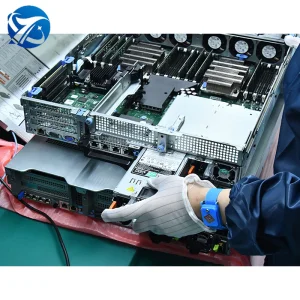
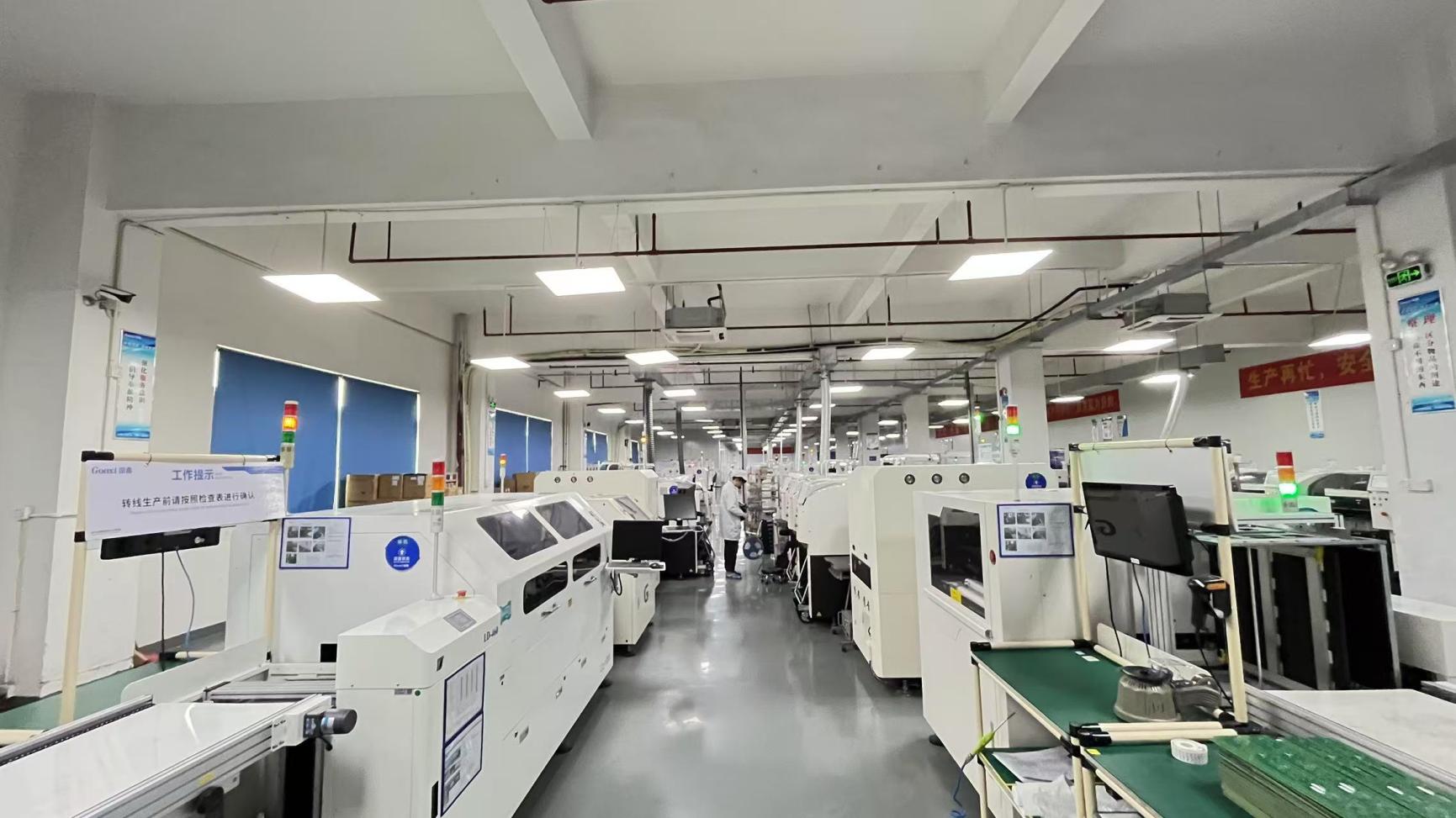
Our 386 m² specialized cleanroom production line executes rigorous integration and verification tasks, backed by a pool of 86 dedicated R&D engineers. Because we control the assembly from raw PCB substrate layouts to final firmware validation, we optimize production lead times. This allows us to supply Romanian system integrators and IT distributors without the bloated margins of secondary brokers.
Where our performance server RAM and computing modules are actively deployed across Romania.
Software development agencies based in Cluj-Napoca run containerized development microservices and high-density virtualization stacks. Our 64GB RDIMMs ensure software compilation pipelines stay lag-free.
Bucharest-based transactions and online banking portals process massive databases. The ECC functionality of our RAM stops silent data corruption in memory, securing transactions against computational errors.
Research centers in Brașov utilize high-performance computing clusters (HPC) for vehicle dynamics simulations. Our DDR4 2933/3200MHz modules provide the rapid data throughput required to match CPU cycles.
Shenzhen Veltrixa Intelligent Computing Co., Ltd. - Partnering in Global Tech Expansion
Established in 2017, Shenzhen Veltrixa Intelligent Computing Co., Ltd. is a leading manufacturer and solution provider specializing in AI GPU servers, high-performance computing (HPC) platforms, edge AI systems, and customized data center infrastructure. The company is committed to delivering reliable, scalable, and high-efficiency computing solutions for enterprises, cloud service providers, AI startups, research institutions, and system integrators worldwide.
Operating a modern assembly facility in Shenzhen, China, our hardware complies with ISO 9001:2015 criteria. In addition to server RAM modules, Veltrixa works closely with global system integrators to configure rack servers, RAID interfaces, and cooling solutions tailored for AI models, deep learning, and enterprise storage. Our annual export revenue stands at USD 18 Million, representing a decade-plus footprint in hardware testing, export clearance, and tech engineering.
Every memory module and computing unit undergoes a exhaustive testing suite, managed by our 46 quality control professionals:

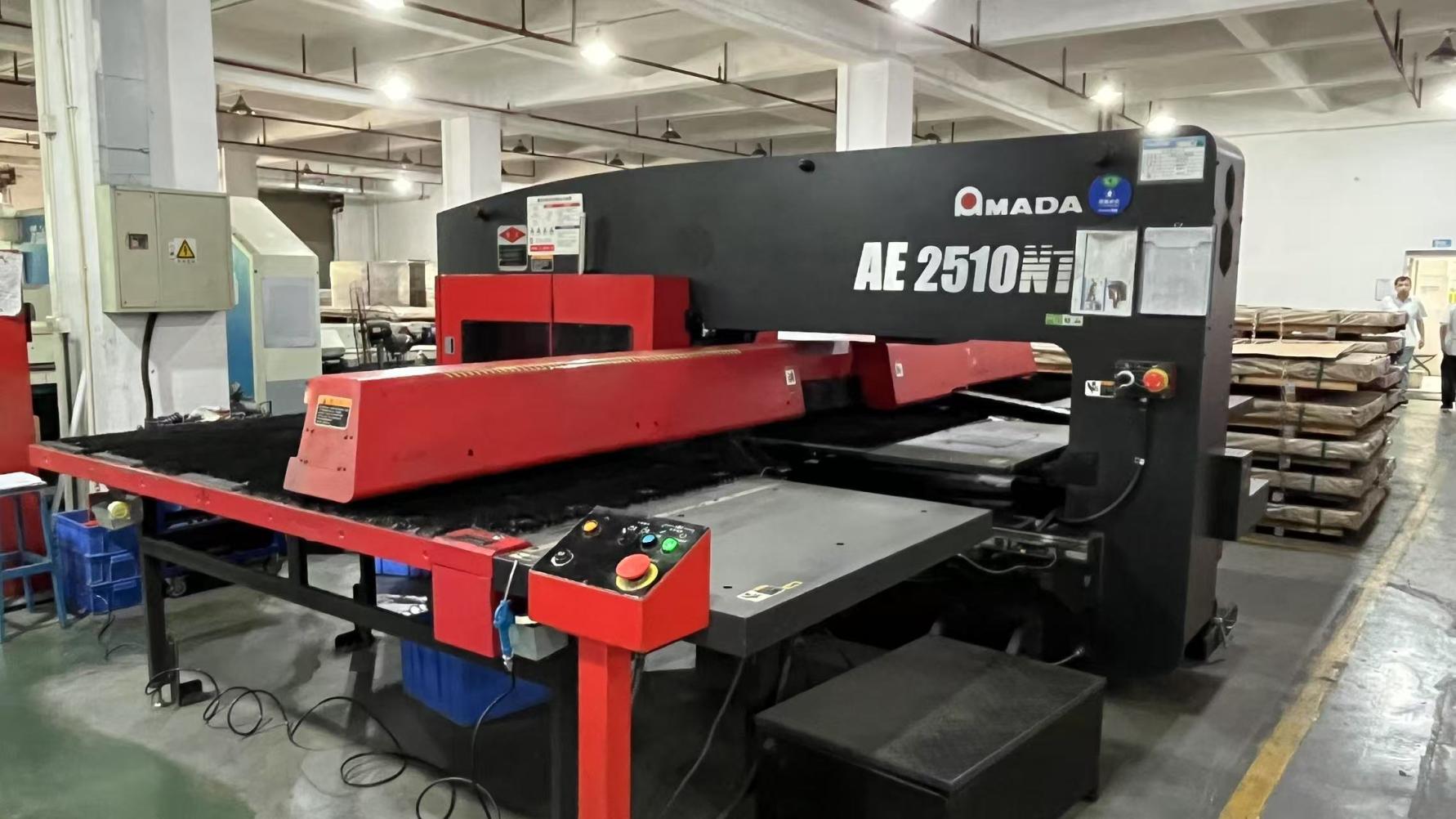
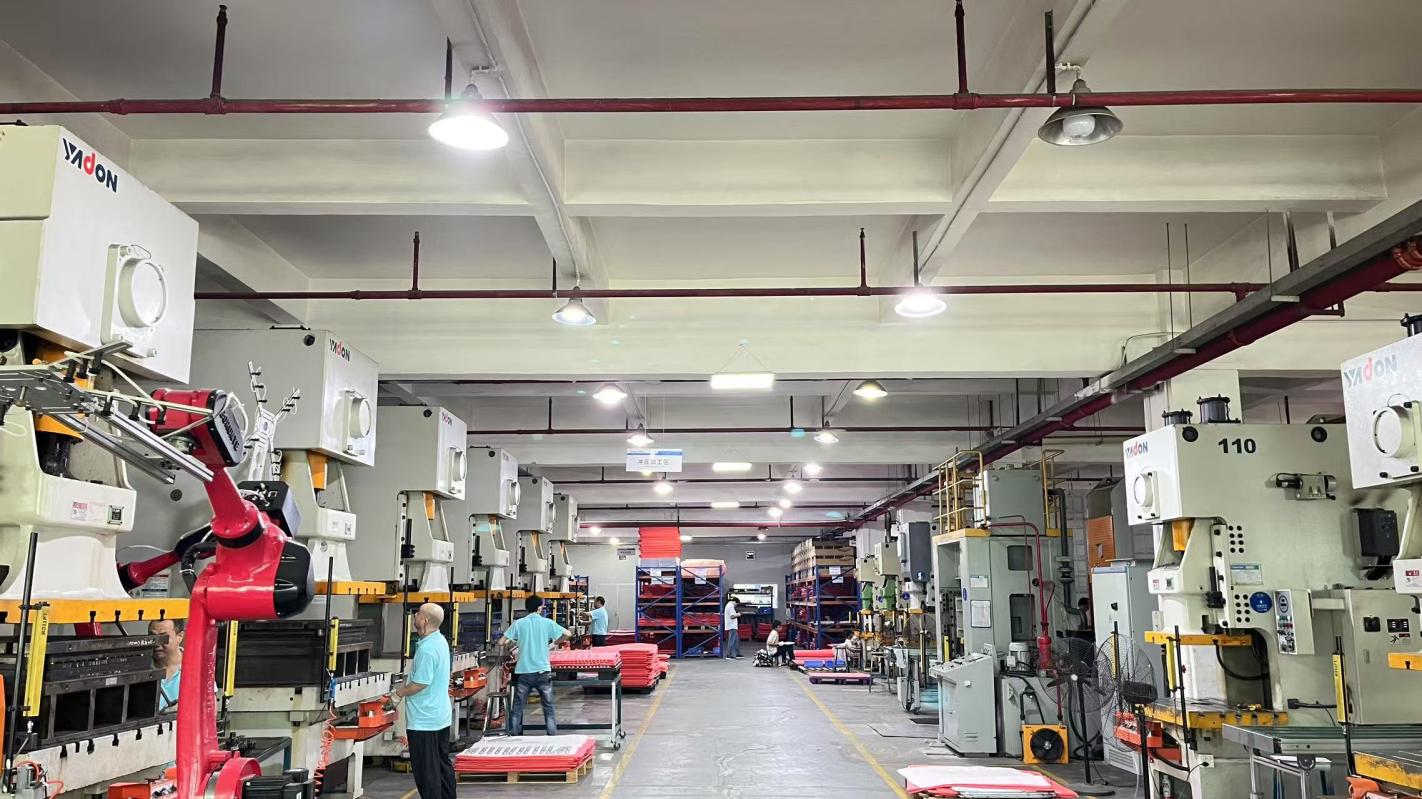
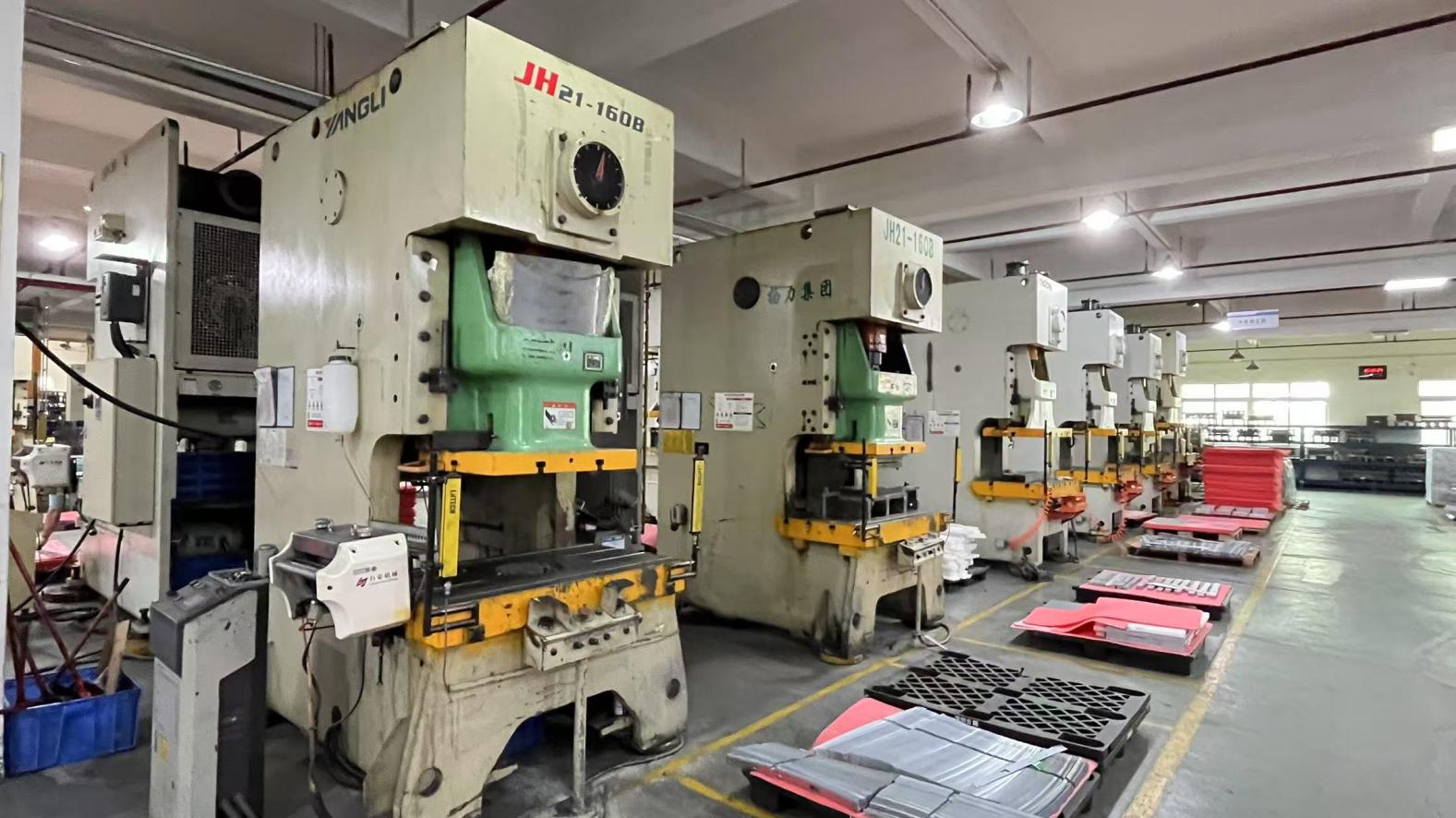
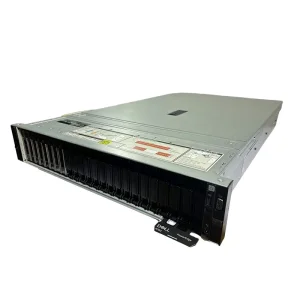
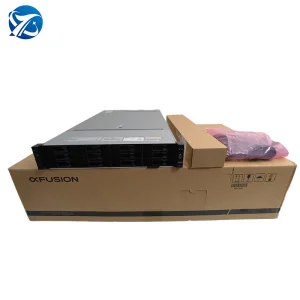
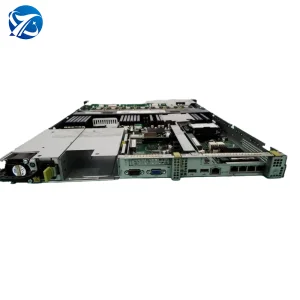
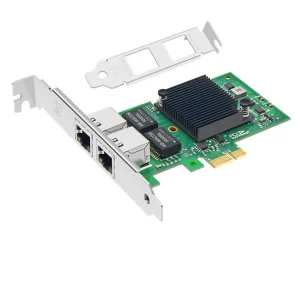
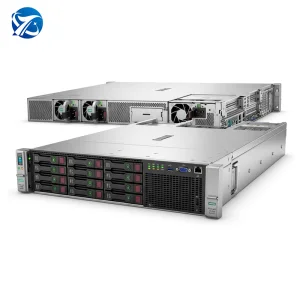
Explore our comprehensive lineup of pre-validated server systems, storage structures, and controller cards ready for deployment.
Staying ahead of system bottlenecks: A technological roadmap for engineering managers.
The rise of heterogeneous computing requires system memory pooling. CXL technologies bypass traditional bus limitations, allowing CPUs, GPUs, and network switches to share pool buffers dynamically, reducing latency in virtualized cloud environments.
As motherboard layouts restrict space, modern 3D TSV (Through-Silicon Via) packaging enables higher density. This lets systems mount up to 128GB of RAM on a single RDIMM module without increasing vertical dimensions.
High-frequency DDR4 and DDR5 memory modules generate substantial heat under continuous operations. Modern enterprise designs feature custom aluminum heatspreaders and optimized airflow profiles to minimize hotspots within rack chassis.
AI workloads require highly reliable datasets. A single memory-bit flip during training runs can invalidate hours of LLM computing cycles. Therefore, multi-level ECC and on-die error correction are becoming standard in high-density RAM chips.
Technical and logistics answers for procurement officers and system engineers in Romania.
Our engineering team verifies module SPDs against a wide array of legacy and modern server platforms. Prior to dispatch, we conduct benchmark tests on xFusion Fusionserver, Dell PowerEdge, and HP ProLiant boards, aligning SPD timings, profiles, and voltages with native manufacturer specifications.
For urgent batches, air freight routes via DHL/FedEx Express reach Henri Coandă International Airport (OTP) within 5 to 8 business days. For volume-based orders, shipping via ocean cargo to Constanța Port offers a cost-effective alternative with typical transit times of 30 to 35 days, including customs documentation support.
Yes. All server components, PCB assemblies, and RAM modules manufactured by Shenzhen Veltrixa are lead-free and fully comply with the European Union's RoHS directive. We maintain CE certification to ensure trouble-free customs clearance and implementation within European IT networks.
Our quality control protocol subjects all RAM modules to continuous thermal stresses under maximum software workloads for up to 24 hours. This screens for early component failures and ensures stability under peak enterprise demand cycles.
Yes, we provide full OEM support, including writing specific system identifiers to the SPD EEPROM. This ensures server motherboards recognize the modules correctly and prevents "non-certified hardware" warning flags on enterprise hypervisors.