 Veltrixa
Veltrixa
Veltrixa
Highly optimized computing architectures specifically tailored for Belgian enterprise workloads and green datacenter initiatives.
Belgium is fast becoming the digital heart of Western Europe. Driven by its strategic location connecting Frankfurt, London, Amsterdam, and Paris (the FLAP markets), cities like Brussels, Antwerp, Ghent, and Liège are witnessing an unprecedented rise in data center deployments. As the Belgian government accelerates its "Digital Belgium" policy framework, the demand for local servers that offer higher compute density, low-latency interconnectivity, and strict compliance with EU data sovereignty requirements has reached an all-time high.
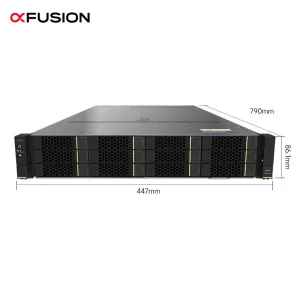
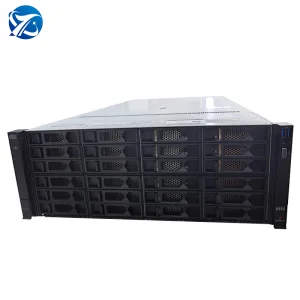
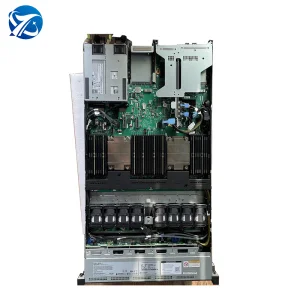
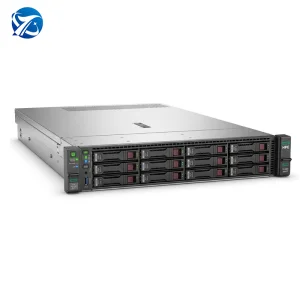
In this digital ecosystem, V7 Rack Servers serve as the backbone for high-performance computing (HPC) and artificial intelligence workloads. With industries in Flanders scaling up smart manufacturing and maritime logistics hubs in Antwerp deploying deep learning models for supply chain optimization, standard server architectures are falling short. They require the structural refinement, PCIe Gen 5 compatibility, and high thermal efficiency that only next-generation V7 rack architectures can provide.
Belgium's commitment to the European Green Deal imposes strict Power Usage Effectiveness (PUE) targets on regional data centers. System administrators are actively phasing out aging infrastructure in favor of liquid-cooled systems and high-density 1U/2U configurations. V7 generation servers incorporate advanced multi-phase power modules and dynamic airflow controls, cutting cooling energy demands by up to 27% compared to traditional servers. This efficiency represents a critical cost-saving asset for Belgian operators facing highly volatile energy prices in the European market.
Unlocking unmatched memory bandwidth, compute density, and hardware-level AI optimization.
The global enterprise server market has shifted from general-purpose CPUs to specialized heterogeneous computing structures. As modern datasets grow exponentially and AI model complexity scales, the transition from older architectures (such as V5 and V6) to V7 computing platforms has become an industry standard for forward-thinking organizations. This architectural shift addresses the physical performance limits of silicon by optimizing how processors, accelerators, and memory communicate.
| Feature Metric | Legacy Platform (V5) | Transition Platform (V6) | Next-Gen Platform (V7) |
|---|---|---|---|
| PCIe Bus Standards | PCIe 3.0 (8 GT/s bandwidth) | PCIe 4.0 (16 GT/s bandwidth) | PCIe 5.0 (32 GT/s bandwidth - AI optimized) |
| Memory Integration | DDR4 (up to 2933 MHz) | DDR4 (up to 3200 MHz) | DDR5 (up to 4800 / 5600+ MHz with CXL 2.0 support) |
| Thermal Architecture | Standard Heat Pipes (Air only) | Hybrid Air Cooling (High CFM) | Direct-to-Chip (D2C) Liquid Cooling Ready |
| CXL (Compute Express Link) | Not Supported | CXL 1.1 Support (Limited) | Full CXL 2.0 Pool Memory & Accelerator Coherency |
| GPU Configuration Support | Max 2x Double-width GPUs | Max 4x Double-width GPUs | Up to 8x/10x SXM5/PCIe High-Performance GPUs |
Crucially, the hardware deployment demands of modern open-source models like Deepseek AI have accelerated the adoption of V7 node topologies. Modern Large Language Models (LLMs) rely heavily on high memory bandwidth and ultra-fast interconnects to minimize inter-GPU latency. The V7 architecture integrates unified NVLink and UPI structures that enable multi-GPU clusters to act as a single, coherent memory space. This setup prevents compute bottlenecks during training epochs and high-concurrency inference tasks, making it the preferred configuration for AI cloud deployments.
Essential components and platforms powering hyper-converged architectures across Europe.
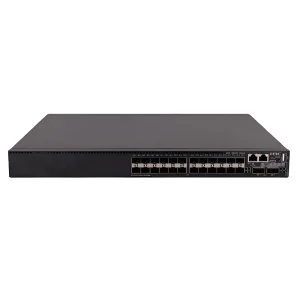
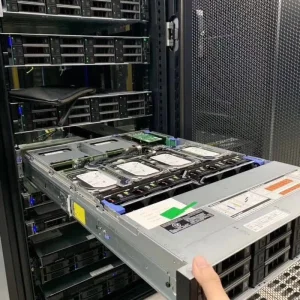
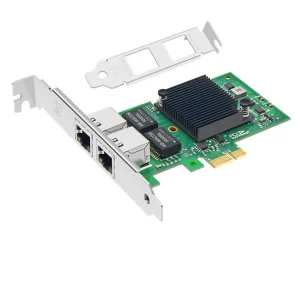
How local enterprises utilize V7 capabilities to drive productivity, intelligence, and reliability.
The Port of Antwerp-Bruges, one of Europe's largest shipping gateways, processes millions of containers annually. Handling this volume requires real-time predictive analytics to manage berth allocation, track container flow, and run automated guided vehicles (AGVs). By implementing clusters of V7 GPU Accelerated Servers, port operations can execute multi-modal computer vision models locally. This edge-AI design cuts processing delays, allowing real-time decision-making that reduces ship turnaround times and energy waste.
As the administrative center of the EU and home to global financial hubs, Brussels-based institutions demand high transactional integrity and zero data loss. Legacy platforms lack the memory performance needed for heavy concurrent operations. Deploying 4-Socket V7 Server Platforms with built-in PCIe 5.0 RAID configurations ensures sub-millisecond execution speeds. It also provides the hardware-isolated environments required to meet strict European Banking Authority (EBA) security guidelines.
Biomedical corridors in Wallonia (Liège and Charleroi) generate massive data sets through genomic sequencing and protein folding analysis. V7 rack configurations optimized for High-Performance Liquid Cooling allow researchers to run continuous GPU workloads at peak capacity. Direct-to-chip cooling prevents thermal throttling, maintaining performance during processing runs that last for weeks, while reducing overall cooling costs.
A premier global manufacturing center bringing precision high-performance server engineering to the Belgian and European markets.
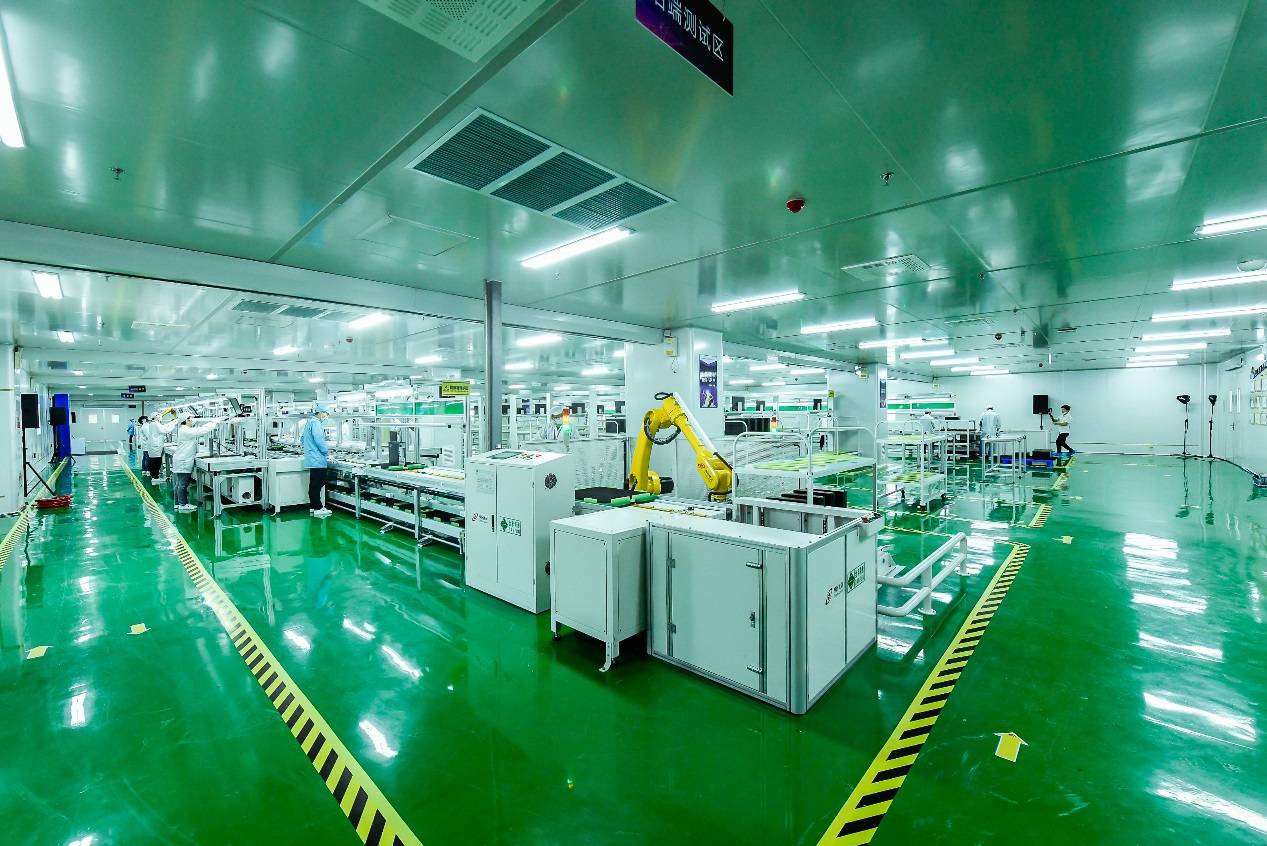
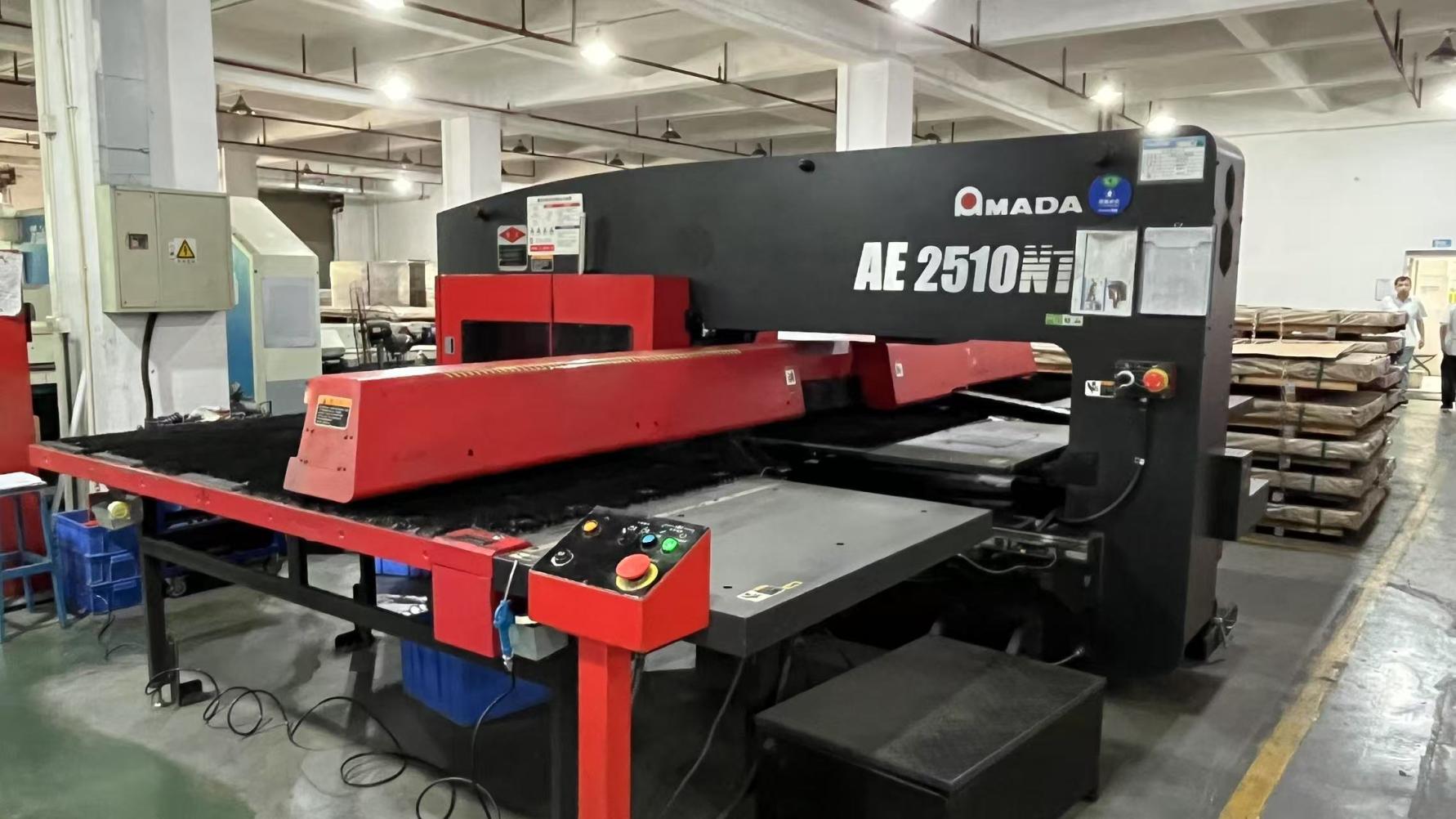
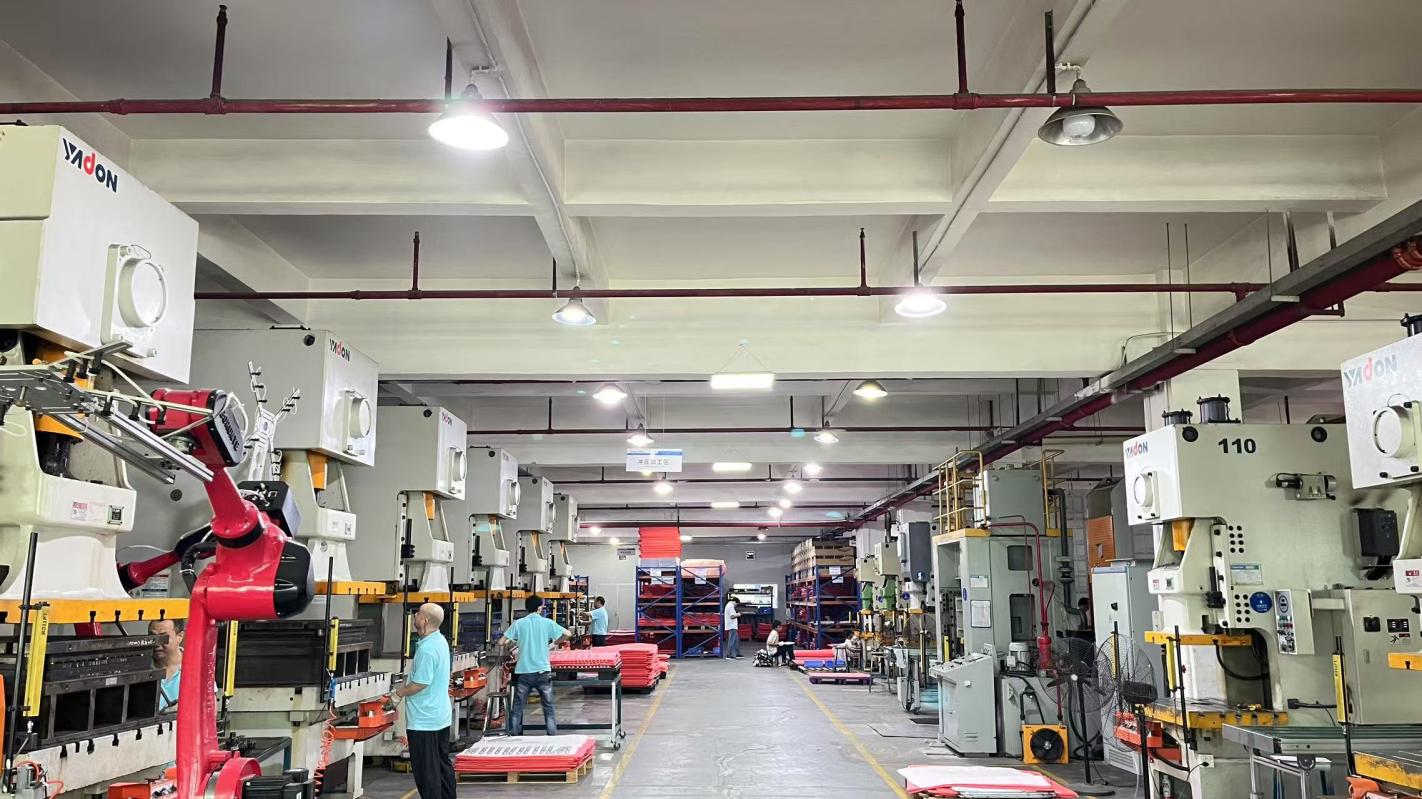
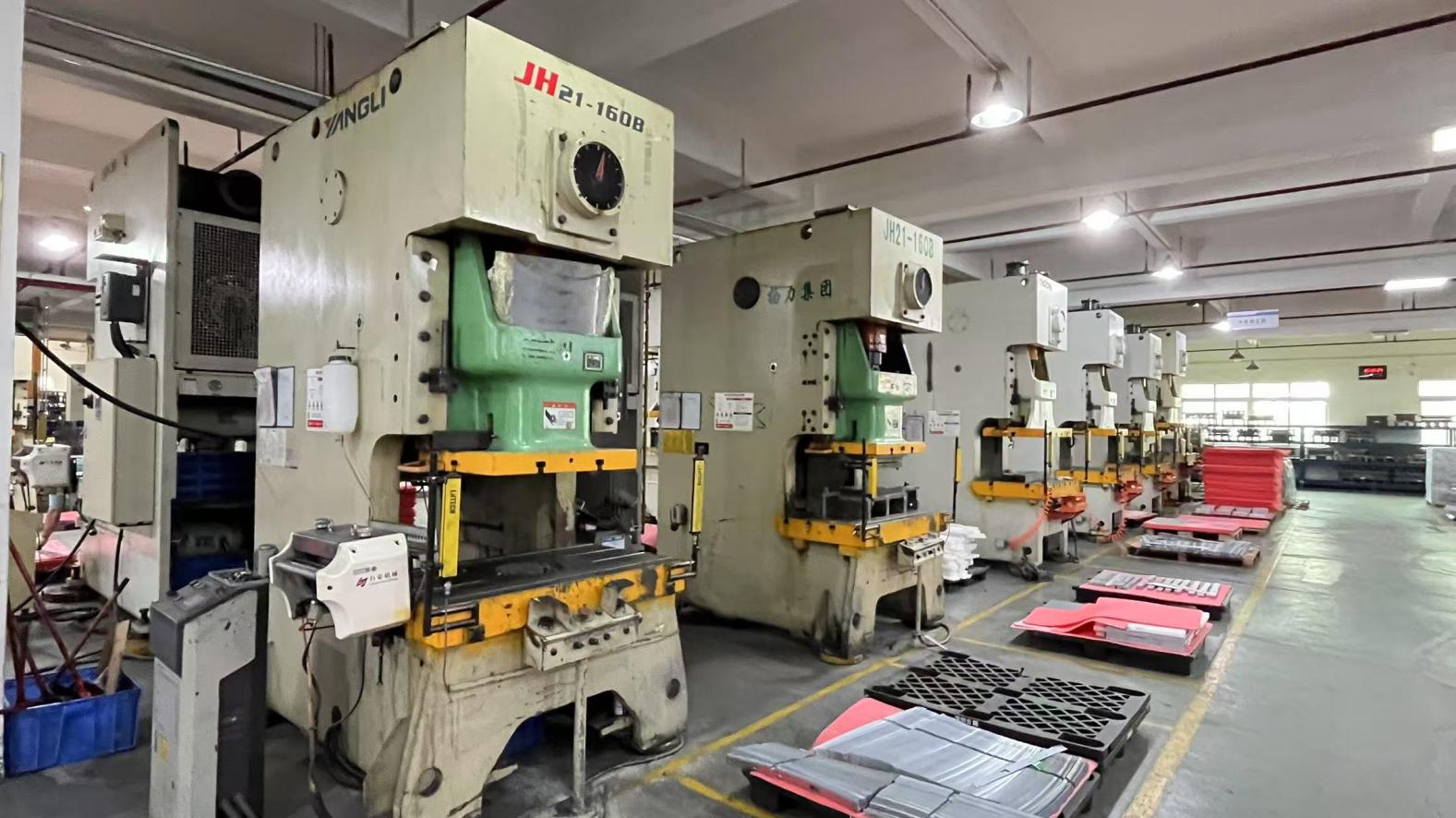
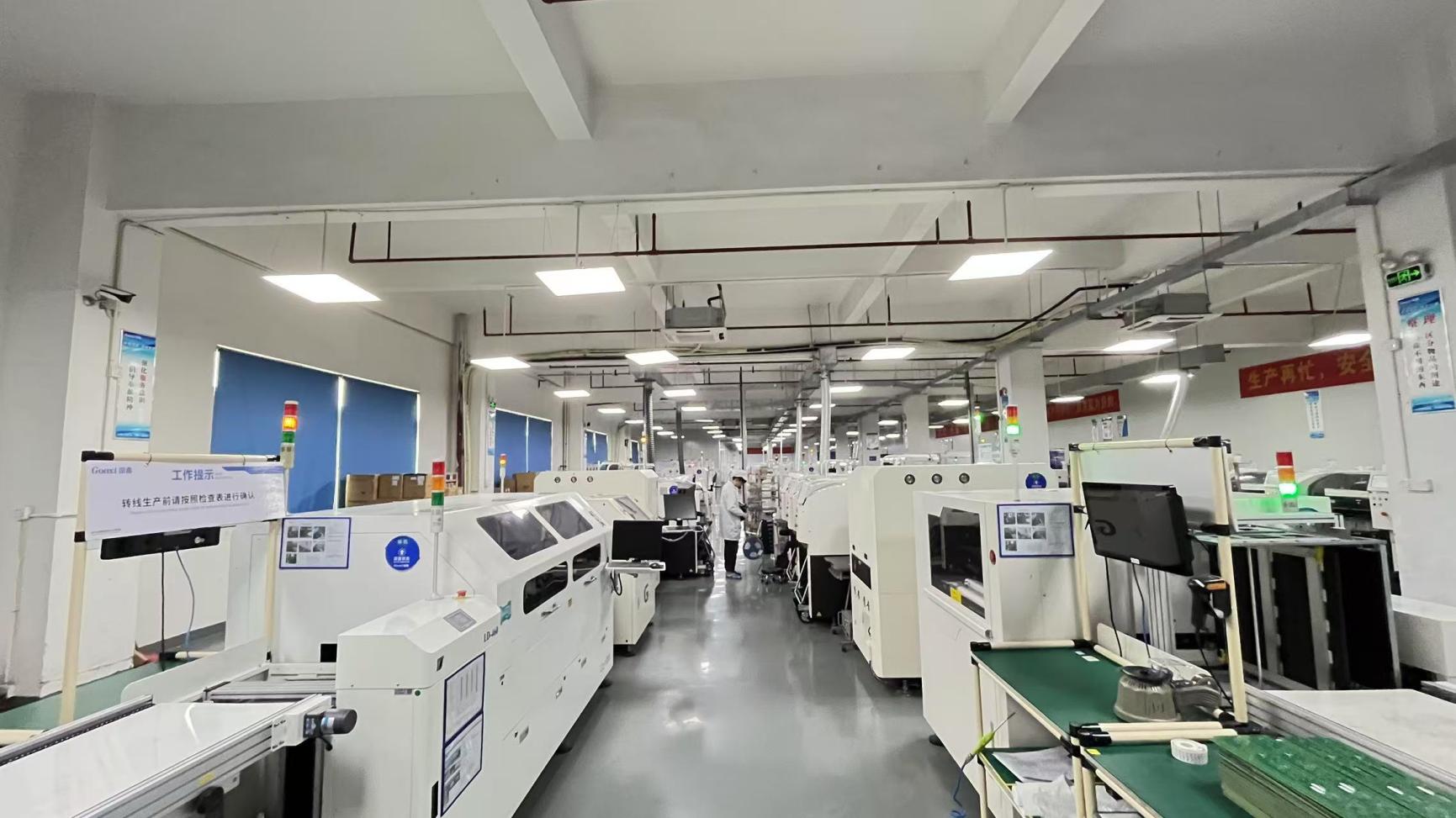
Established in 2017, Shenzhen Veltrixa Intelligent Computing Co., Ltd. operates a highly optimized, state-of-the-art precision production and customization facility. With over 12 years of industry experience, we specialize in customizing server configurations to meet specific enterprise workloads. This includes tailoring memory ratios, configuring GPU setups, and integrating rack-level components for buyers in Belgium and across the EU.
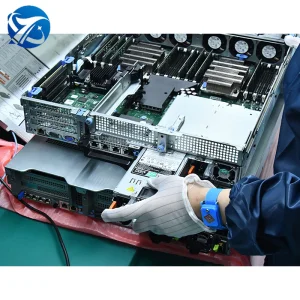
Our commitment to Quality Assurance is absolute. Every system shipped undergoes a rigorous 100% pre-shipment inspection process managed by our team of 46 quality control professionals. Our validation protocols include:
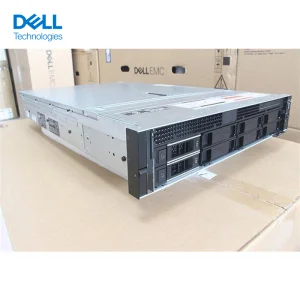
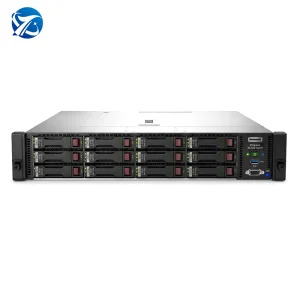
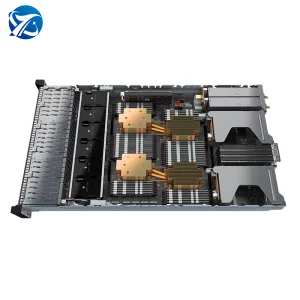
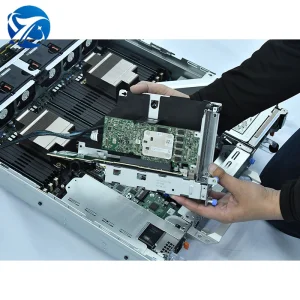
Select from our fully certified server units, designed for seamless integration into Belgian IT environments.
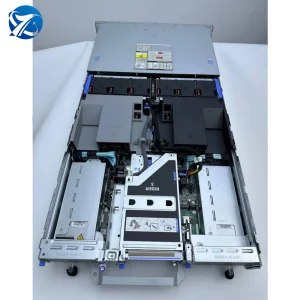
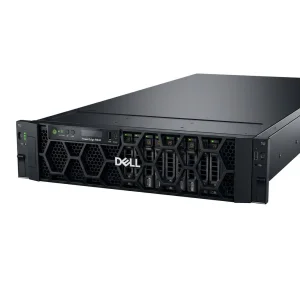
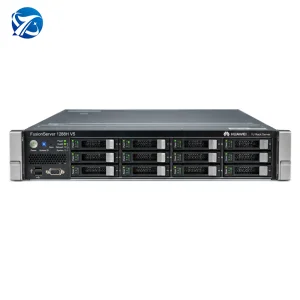
Veltrixa's development pipeline aligns with the requirements of tomorrow's datacenters.
Our technology roadmap addresses the clear market demand for higher processing density paired with lower operating overhead. As AI models become standard in corporate operations, the physical demands on server boards change. In response, Veltrixa is transitioning its server architectures to adapt to these shifts.
Expanding the availability of Direct-to-Chip (D2C) water cooling loops across the V7 catalog. This design allows high-TDP processor lines to operate continuously without thermal throttling, even in warm-water cooling setups typical of European facilities.
Integrating CXL 2.0 and CXL 3.0 switches into our custom rack solutions. This framework allows multiple processing units to share a dynamic memory pool, reducing configuration overhead for large-scale data analytics.
Integrating dedicated cryptographic hardware modules on our mainboard designs. These hardware-level roots of trust provide the encryption capabilities needed to comply with updated European cybersecurity regulations.
Our R&D team can design custom components and mainboards tailored to your software stack.
Contact Our EngineersKey technical and purchasing information for IT managers and system architects in the Belgian region.
Standard custom builds are processed, assembled, and validated at our facility within 7 to 14 business days. Transit time to major Belgian transit hubs (such as Brussels Airport or the Port of Antwerp) generally takes 5 to 7 days via express air freight, or 28 to 35 days via sea cargo, depending on order volume.
Yes. All servers, switch hardware, and expansion cards shipped to EU member states carry the CE mark and conform to the RoHS directive. We coordinate with local compliance partners to meet WEEE standards for proper disposal and recycling.
Yes. Our facility supports full ODM liquid-cooling integration. We configure direct-to-chip (D2C) cold plates, manifolds, and leakage-detection hardware. Racks are shipped pre-assembled, pressure-tested, and ready to hook up to your facility's cooling distribution units (CDUs).
All V7 rack units include ASPEED AST2600 baseboard management controllers (BMCs). These controllers fully support the Redfish API, HTML5 virtual consoles, and standard IPMI 2.0 protocols. This enables IT administrators in Belgium to monitor, update, and manage hardware remotely from central offices.
Get in touch with our team today to discuss your technical specifications, request a quote, or schedule a design review with our engineering department.
Send Inquiry Now