Veltrixa
Veltrixa
Veltrixa
High-throughput, hybrid-cloud servers optimized for localized Kansai enterprise workloads, smart manufacturing, and AI model deployments.
As Japan’s second-largest metropolitan area, the Osaka-Kansai region is undergoing a massive industrial renaissance. Known historically for its heavy manufacturing, metallurgy, and chemical sectors, the Kansai region is aggressively pivoting toward Society 5.0. This initiative integrates IoT, physical robotics, and high-performance artificial intelligence (AI) directly into the shop floor and corporate offices.
From the R&D labs of Yodoyabashi and Umeda to the sprawling smart factories of the Kansai Industrial Belt, the need for dense, high-efficiency computation has never been more urgent. Real-time predictive maintenance, local deep learning deployment (such as DeepSeek and localized LLMs), and hyperconverged databases require localized, ultra-low latency compute clusters.
Modern server design is transitioning from generic computing nodes to specialized, application-focused AI frameworks optimized for lower power usage.
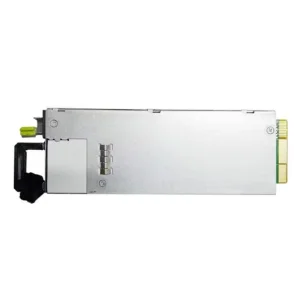
With global energy costs rising—particularly in Japan under Kansai Electric Power Co. rates—server efficiency is paramount. Using Titanium 900W to 2000W redundant PSUs dramatically cuts idle draw and heat load, saving significant operational expenditure (OPEX) in density-sensitive urban datacenters.
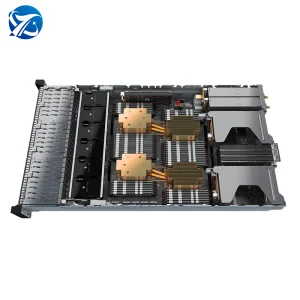
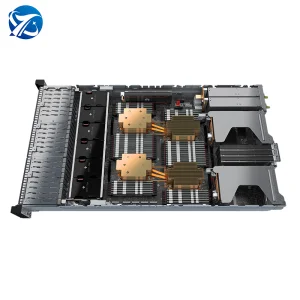
Modern enterprise servers must be designed to accommodate massive AI models like DeepSeek. This demands high memory bandwidth, PCIe 4.0/5.0 expansion slots, and multi-GPU optimization. These architectures allow companies to host private data sets securely inside their own firewalls without paying SaaS premiums.
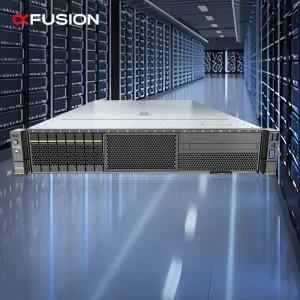
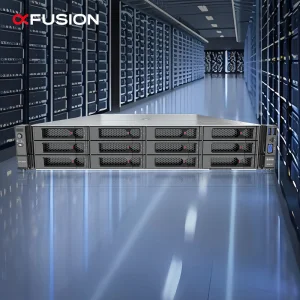
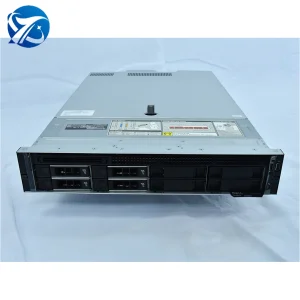
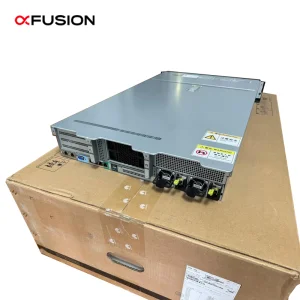
By fusing compute, storage, and networking into single 2U modules (like the xFusion 2288H V6), companies reduce physical cabling, minimize component failure points, and dynamically reallocate virtual environments to adapt to changing commercial demand.
| Server Model Class | Primary Application Profile | Thermal Design Power (TDP) Range | Expansion Capabilities | Optimized Workload |
|---|---|---|---|---|
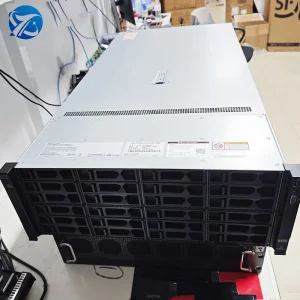
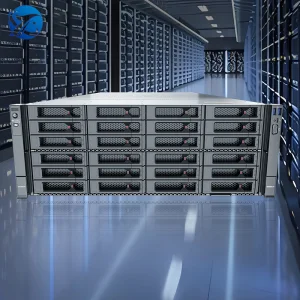
| 2U 2-Socket (e.g. 2258 V7) | General enterprise backend, SQL databases, distributed storage | Low-to-Medium (Up to 350W per CPU) | Up to 12x 3.5" or 24x 2.5" drive options | Virtualization & Hybrid Storage clusters |
| HCI Optimized (e.g. 2288H V6) | Hyperconverged virtualization, high-density ERP, private cloud nodes | Medium-to-High (Up to 270W per CPU) | High IOPS PCIe Gen 4 slots, 1500W Redundant PSU | Mission-critical database clusters, Docker/K8s nodes |
| Multi-GPU Platforms (e.g. G5500/G8600 V7) | AI training, parallel scientific calculations, DeepSeek deployments | Ultra-High (Up to 800W per GPU/Nodes) | Direct PCIe Gen 5 linkage, NVLink compatibility | Large Language Model (LLM) fine-tuning & execution |

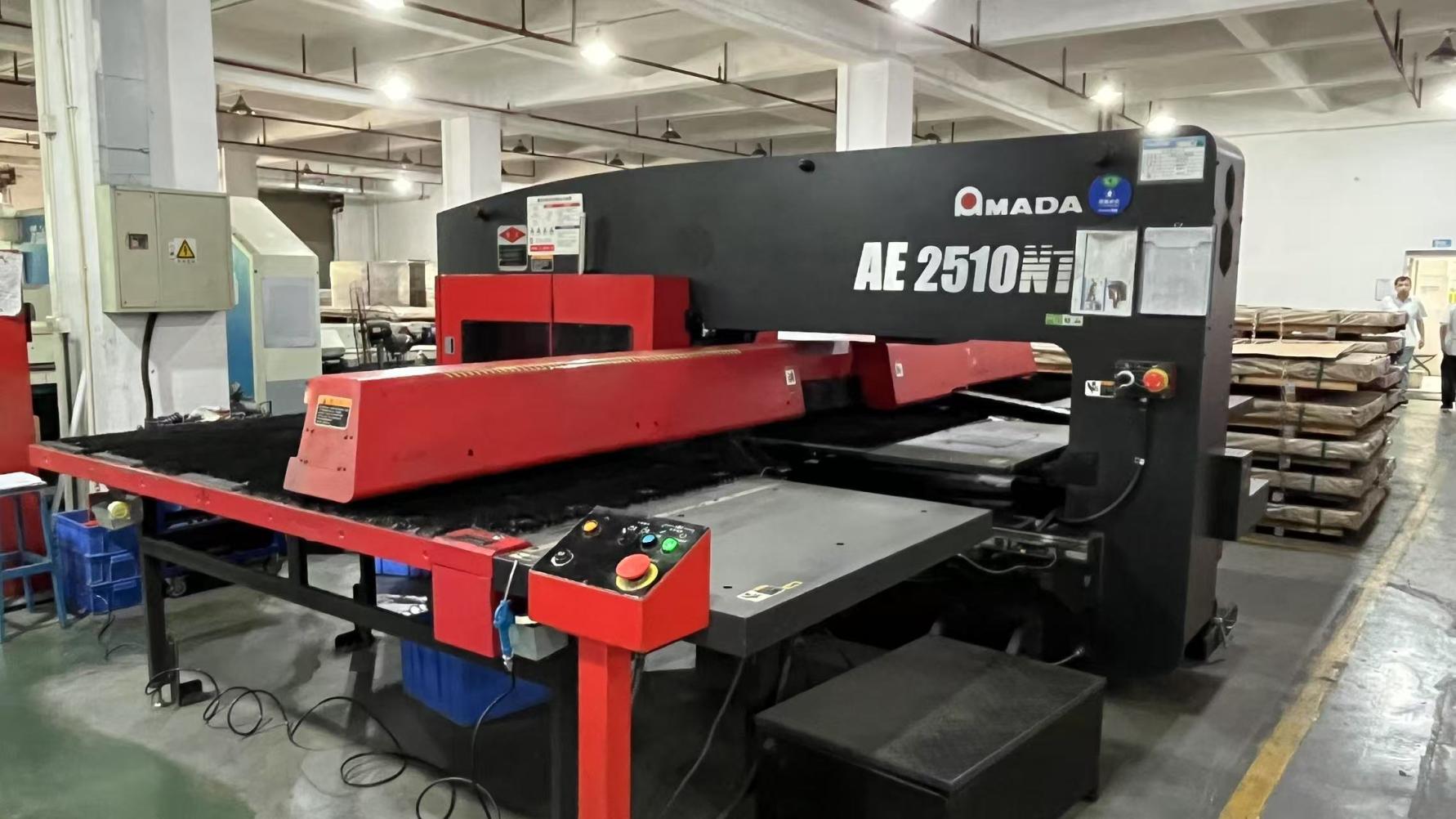
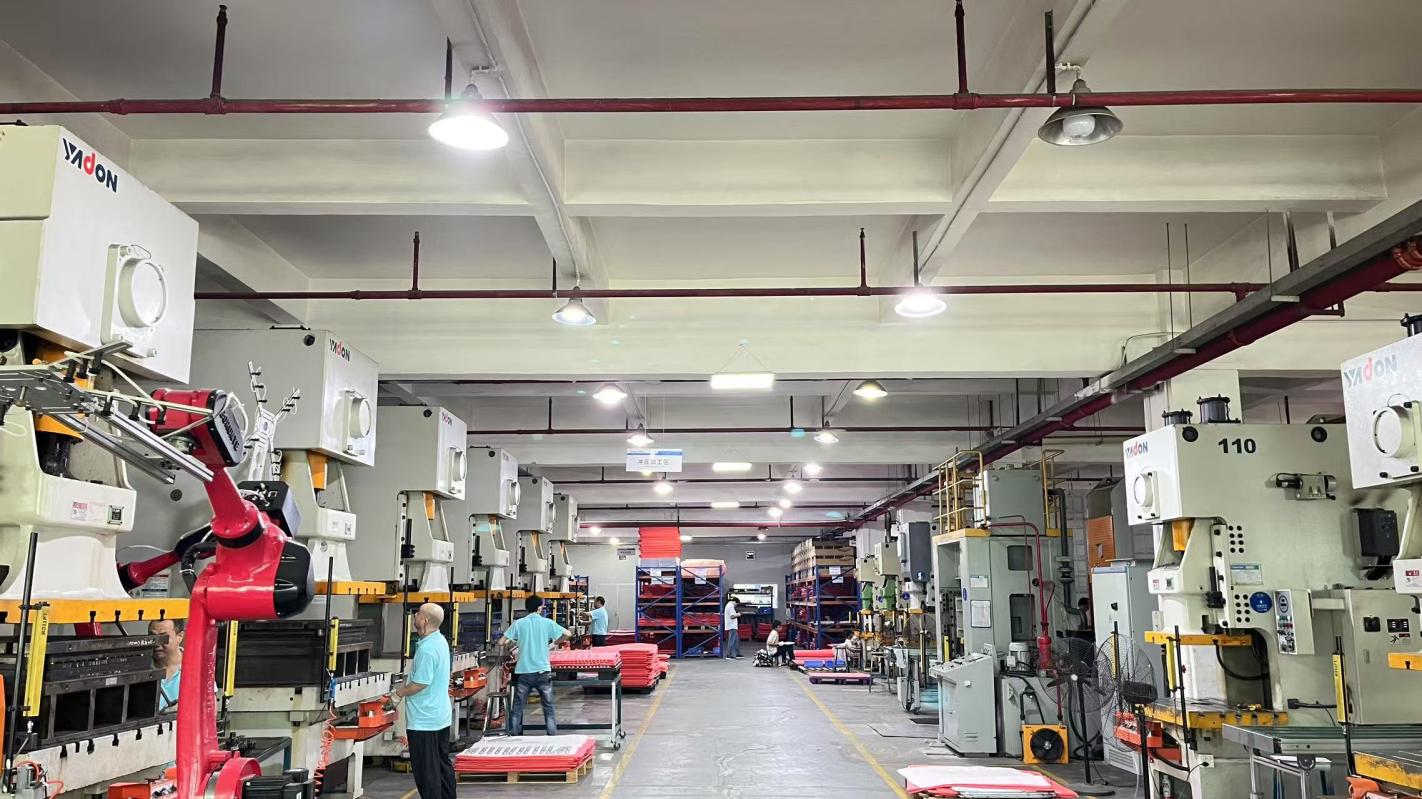
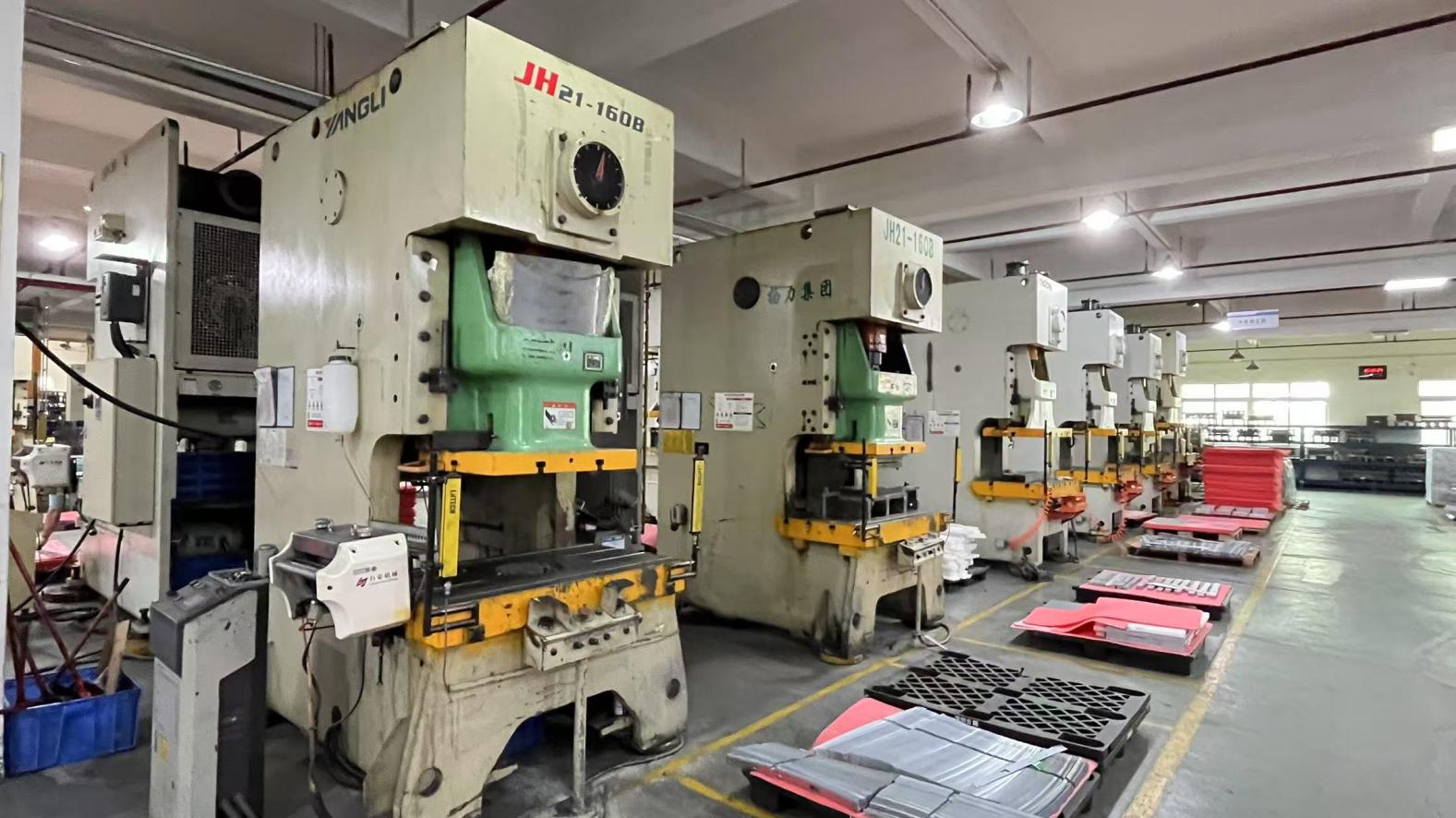
Operating from the tech capital of Shenzhen, Shenzhen Veltrixa Intelligent Computing Co., Ltd. leverages a highly integrated component ecosystem to engineer resilient computing hardware. Through our close partnerships with leading tier-1 silicon providers, PCB manufacturers, and precision metal-fabrication facilities, we insulate enterprise clients from typical supply-chain bottlenecks.
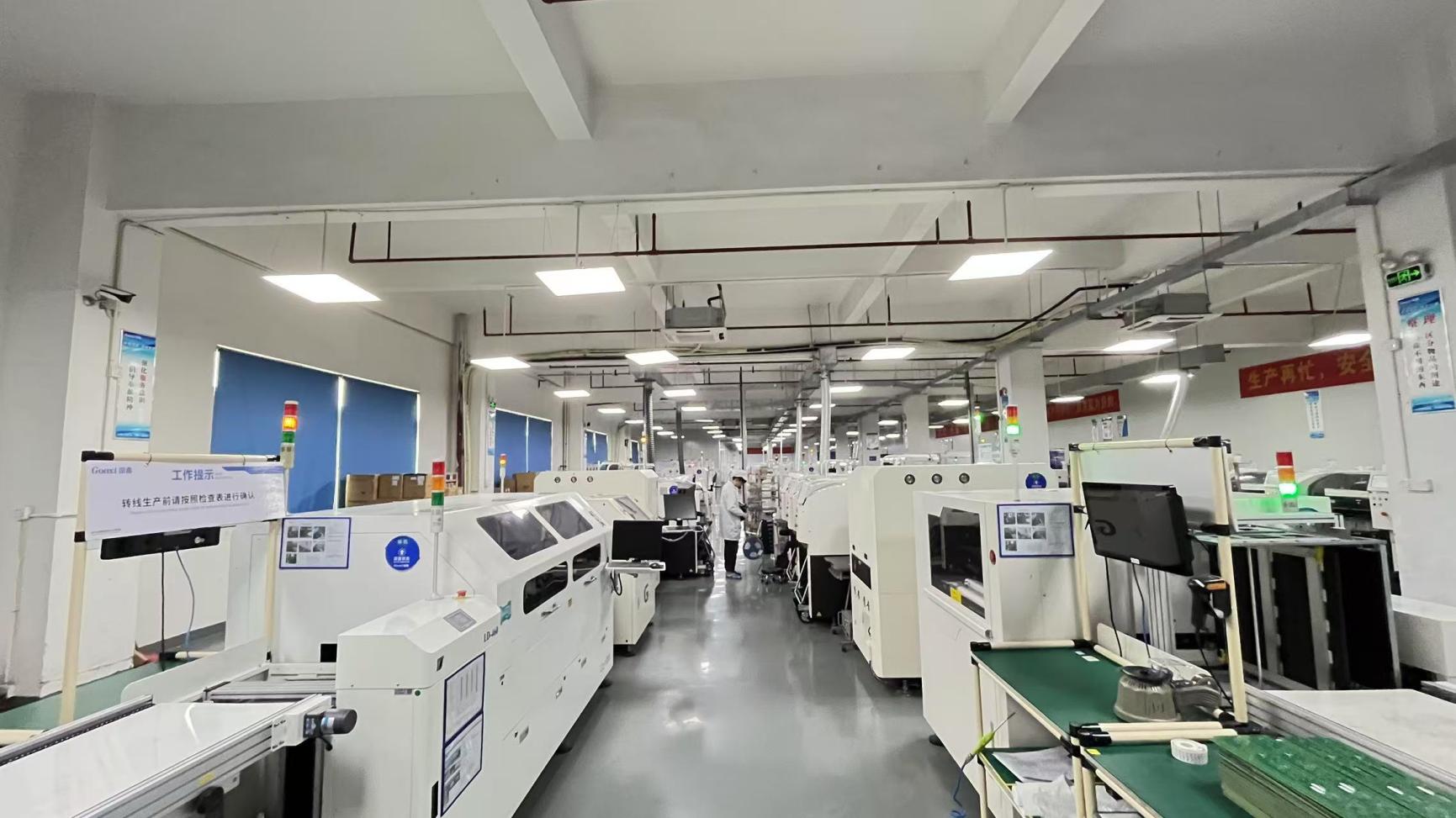
Our modern production workflow adheres to strict international testing standards. By integrating automatic visual inspections (AOI), high-temperature stress testing (burn-in), and deep compatibility diagnostics before container loading, we guarantee out-of-the-box reliability. When shipping from Shenzhen to Osaka Port, our logistics pipelines ensure fast customs clearance and fast regional delivery.
Ensure maximum uptime and scalability with server-grade hardware extensions verified for strict environmental standards.
Empowering digital infrastructure through specialized engineering, hardware prototyping, and reliable global distribution networks.
Established in 2017, Shenzhen Veltrixa Intelligent Computing Co., Ltd. is a specialized manufacturer and solution provider of high-performance computing (HPC) hardware, AI GPU servers, edge AI engines, and redundant enterprise storage clusters. From our modern development hubs, we service research institutes, cloud operators, and system integrators across Japan, North America, Western Europe, and Southeast Asia.
Our team focuses on thermal design testing, power management integration, and full rack cabinet pre-installation, facilitating seamless deployment upon hardware arrival.
Select the hardware platform matching your industrial compute, edge inference, or private cloud storage specifications.
Answering key procurement, compatibility, and compliance questions for Japanese and global data centers.
Get in touch with our system engineers today to customize chassis layouts, CPU core counts, ECC RAM density, and storage architectures.