Veltrixa
Veltrixa
Veltrixa
Shenzhen Veltrixa Intelligent Computing Co., Ltd. supplies the technological foundation for high-density enterprise architecture and next-generation storage safety.
Established in 2017, Shenzhen Veltrixa Intelligent Computing Co., Ltd. stands as a premier manufacturer and exporter specializing in AI GPU computing architectures, high-performance edge storage systems, and specialized datacenter integrations. With 12 years of industry experience in complex server layouts and 7 years of direct export experience, Veltrixa bridges the gap between hardware execution and strict data compliance requirements.
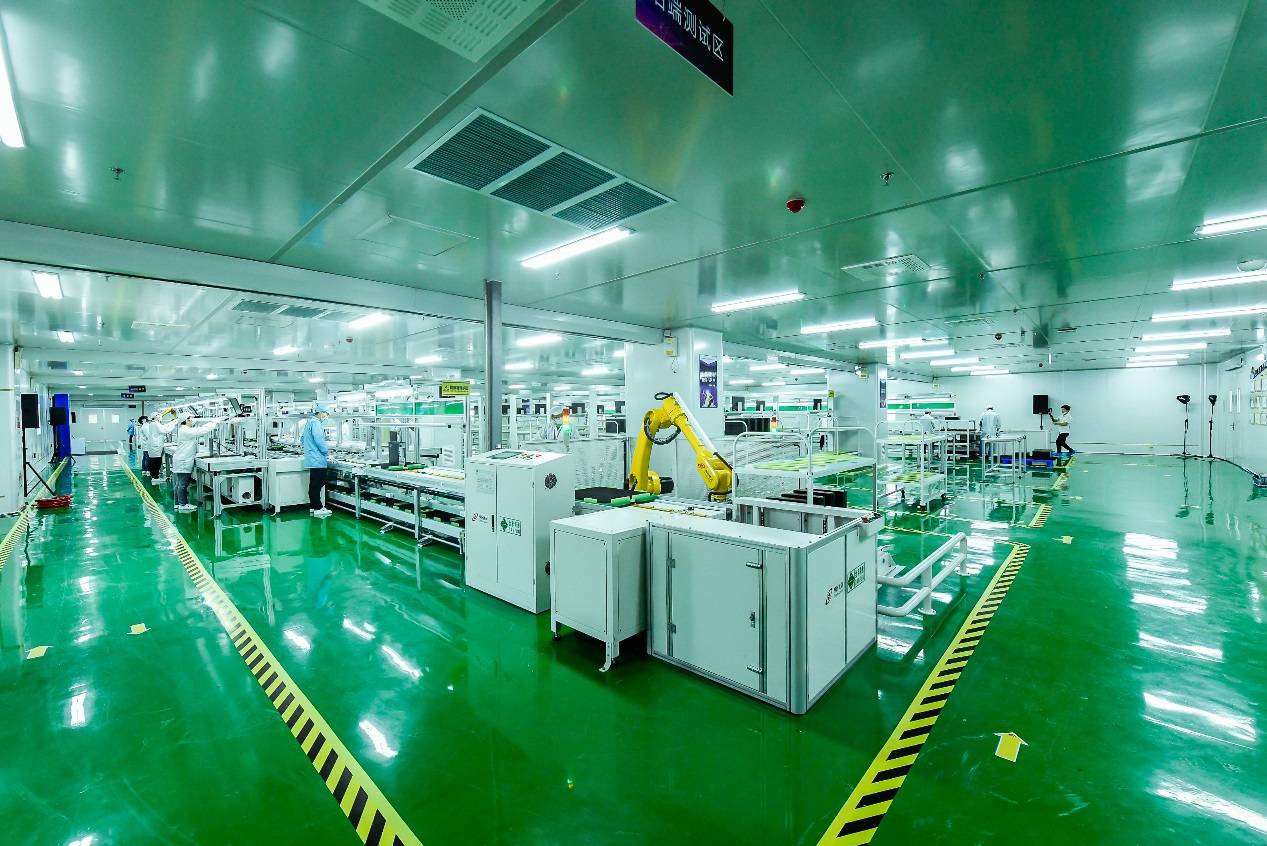
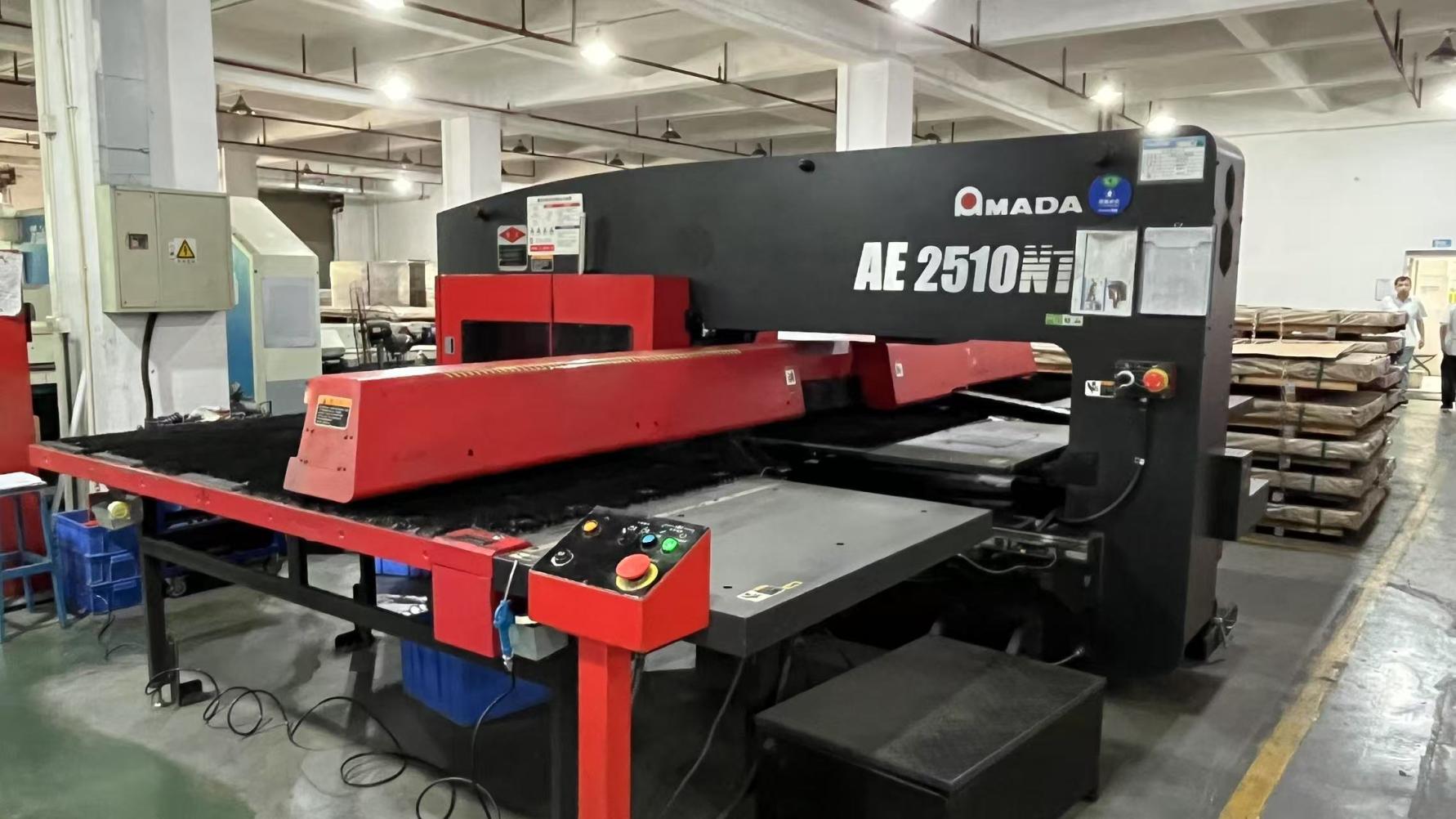
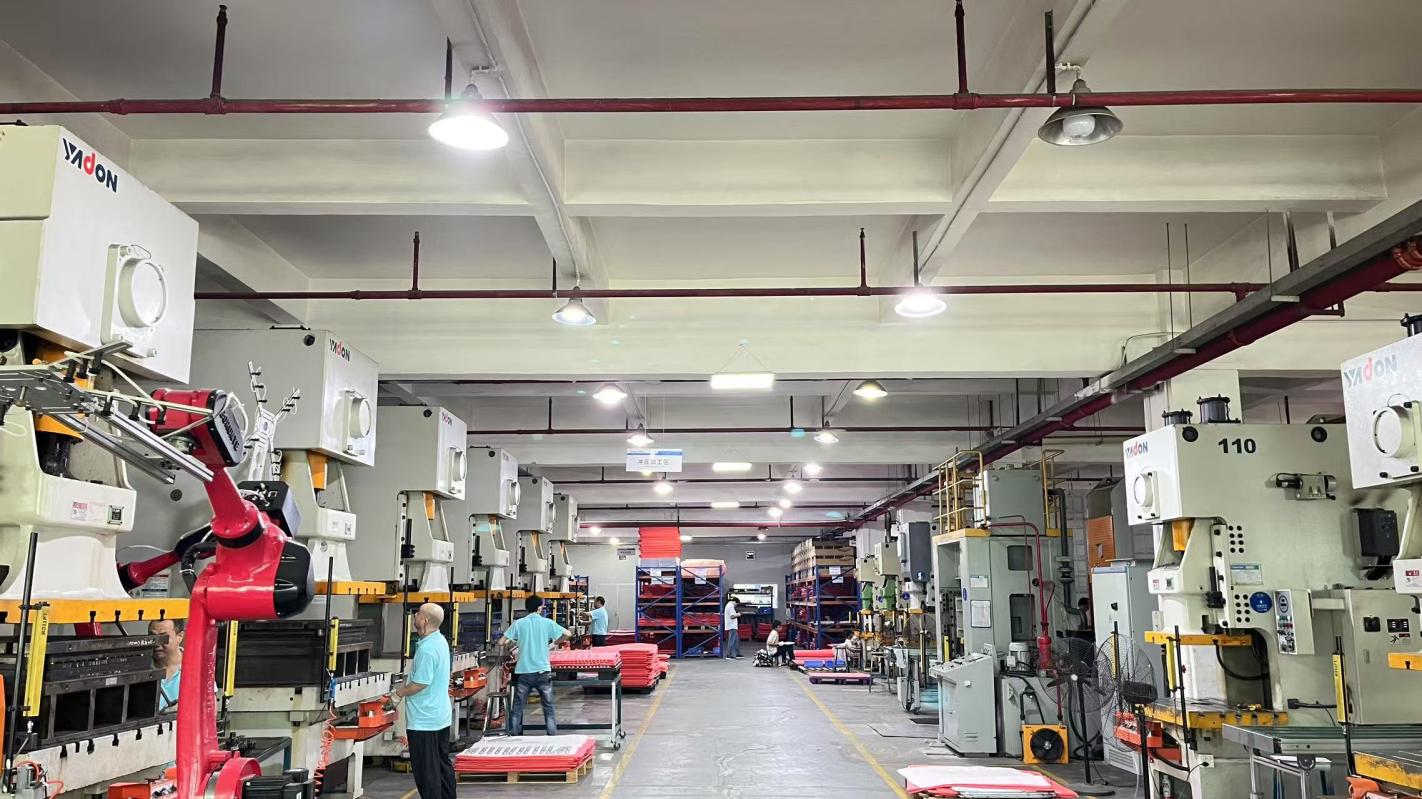
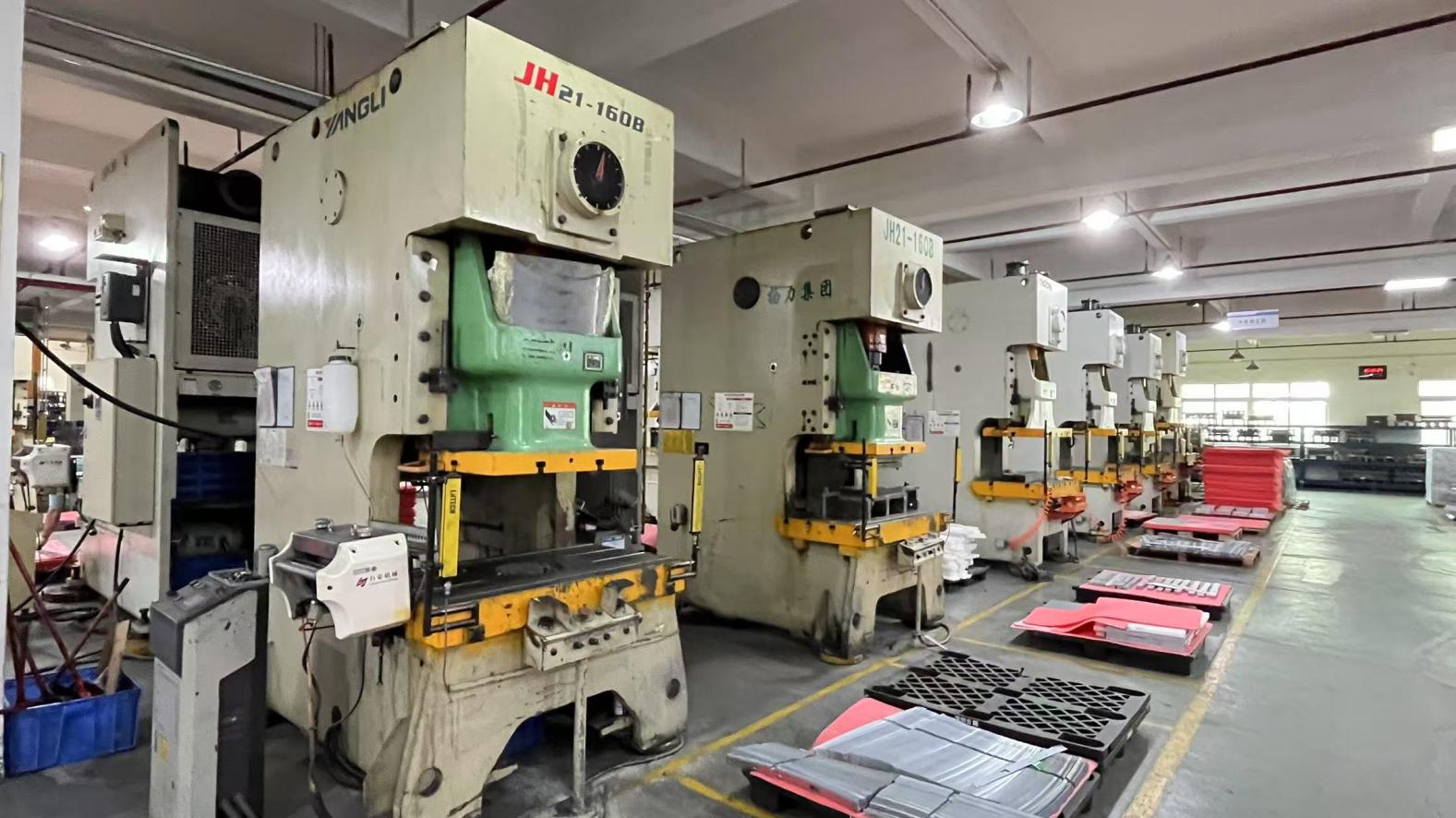
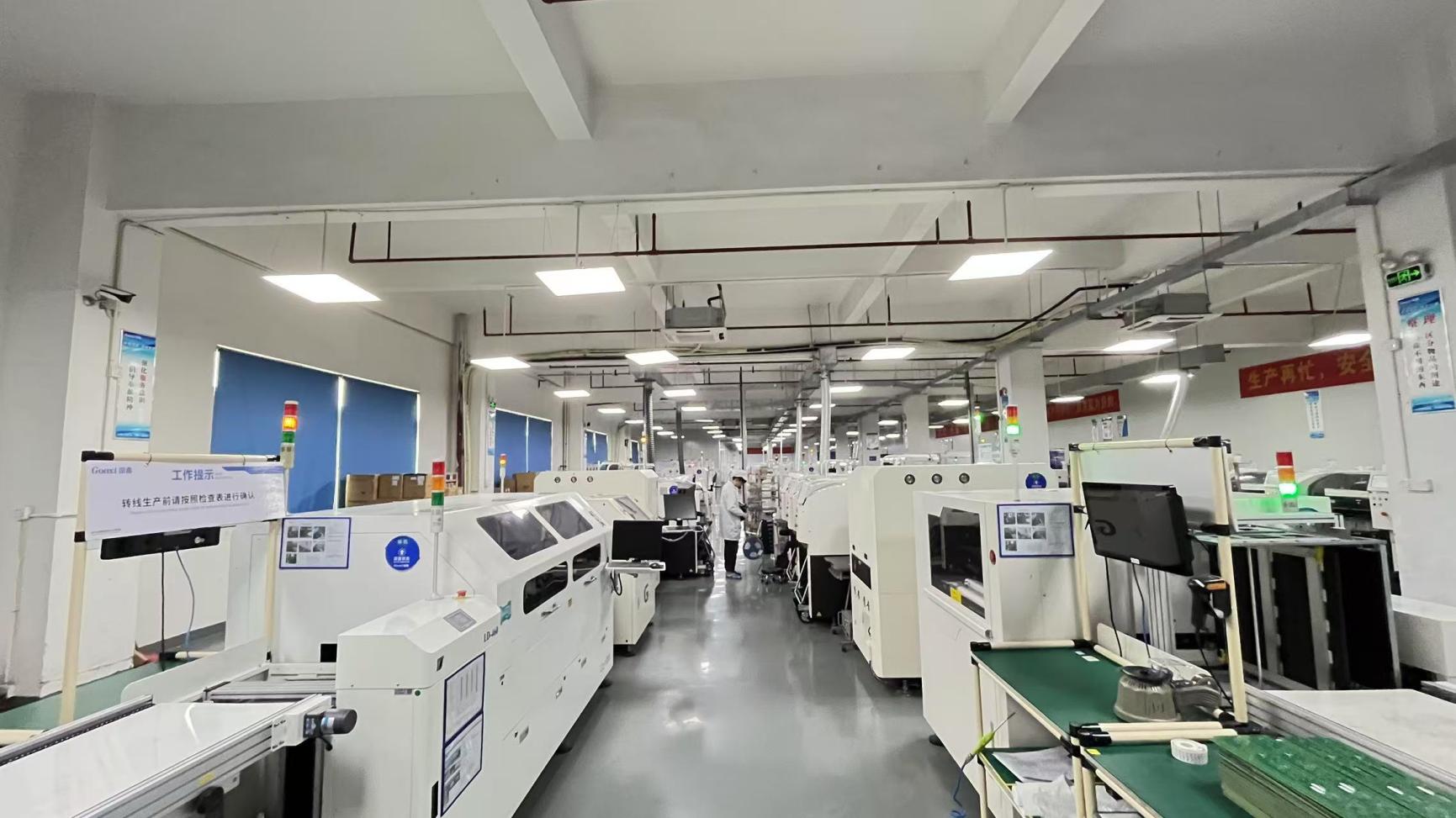
Operating a modernized, precision-engineered assembly facility in Shenzhen covering 386 m², we support systemic OEM, ODM, private-label branding, and complete rack-level system integration. Our business logic focuses heavily on supply chain integrity, operating with more than 1,280 global supply chain partners to ensure product continuity and components procurement for key industrial players across North America, Western Europe, Southeast Asia, the Middle East, and Australia.
Every server undergoes a series of strict tests including dynamic functional testing, burn-in validation, performance benchmarking, thermal simulation, and component compatibility verification executed by 46 certified QC specialists.
Driven by 86 specialized R&D hardware and systems engineers, Veltrixa developed and launched 124 customized platform models last year, adapting to CXL storage pooling and liquid cooling paradigms.
From deep hardware configuration to rack integration with customized Linux kernel optimizations and secure hypervisors, we ensure absolute design compatibility with legacy hardware.
Enterprise data storage has moved beyond simple physical backup capacity. With the rise of deep neural networks, large language models (LLMs) like DeepSeek, and real-time edge processing, data has become both an enterprise's most valuable asset and its greatest liability. Storage arrays must deliver high input/output operations per second (IOPS) while protecting data from advanced threats at the hardware level.
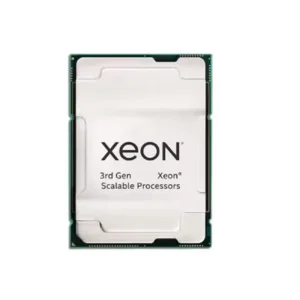
Modern data security is built on a "Zero Trust" hardware model. From the moment a system boots up, the server firmware must verify its cryptographical signatures against an immutable secure boot mechanism. Advanced processors, such as the Intel Xeon Scalable family (including 4309Y, 4310, 4314, 5317, 5320, and 6330 series), feature hardware-accelerated memory encryption technologies like Intel Software Guard Extensions (SGX) and Total Memory Encryption (TME). These features create isolated enclaves in system memory, preventing host OS compromises from leaking data.
Procuring secure storage units for enterprise use requires balancing upfront capital expenditure against long-term operational resilience and risk mitigation. When purchasing, hardware architects prioritize three core features:
| Requirement Metric | Enterprise Specification | Veltrixa Technical Alignment |
|---|---|---|
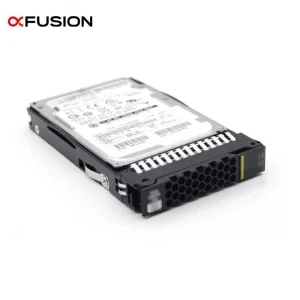
| Encryption Standard | FIPS 140-3 Level 3, AES-256 | Self-Encrypting Drives (SED), Hardware TPM 2.0 Integration |
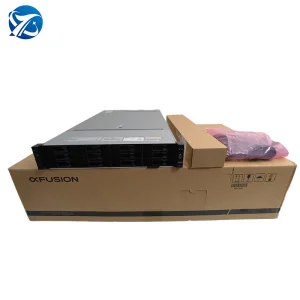
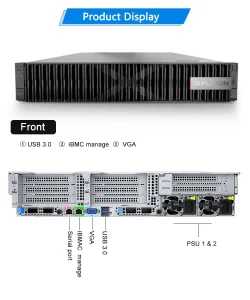
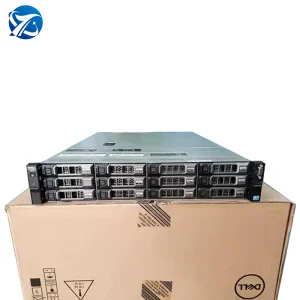
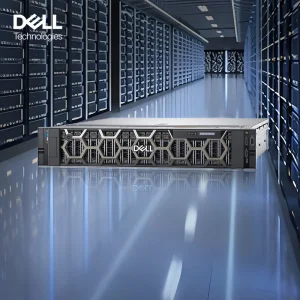
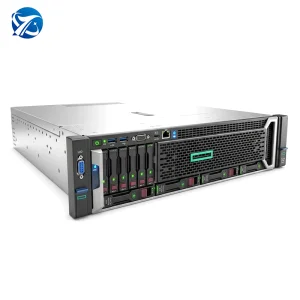
| Bus Architecture | PCIe Gen4 / Gen5 Compatibility | Native support on xFusion 2288H V7 and Dell PowerEdge R760 |
| Mean Time Between Failures | > 2,500,000 Hours (MTBF) | 100% Pre-Shipment Burn-In & Thermal Validation Testing |
| Physical Platform Resilience | 1U/2U High-Density Rack Mount | Optimized dual-socket system layouts with smart power control |
Different enterprise environments have unique requirements for storage configurations. Veltrixa engineers and delivers solutions tailored to specific industries:
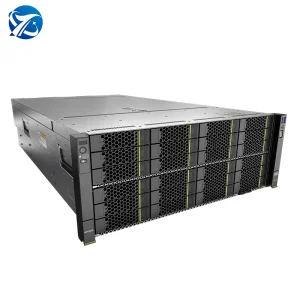
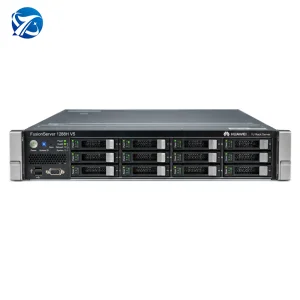
AI model training demands high write endurance and zero-latency data staging. Systems like the xFusion 2258 V7 Deepseek Storage Server and FusionServer 1288H V6 combine GPU processing power with high-speed local NVMe arrays. These configurations enable GPUDirect Storage (GDS), establishing a direct path between storage devices and GPU memory to bypass host CPU overhead.
For transactional databases, write latency and data validation are critical. Our configurations combine enterprise-grade SAS HDD setups with dual-socket processors like the Intel Xeon 4310 or 5318Y, utilizing RAID controllers with flash-backed cache protection. This structure prevents write-hole issues and ensures complete data integrity even during sudden power failure events.
Edge storage must perform reliably in high-temperature, high-vibration, and dust-prone environments. Veltrixa Edge AI servers feature dust filtration, vibration-dampening drive cages, and smart thermal control algorithms. These designs ensure continuous data ingestion from local camera feeds and IoT sensors without performance throttling.
Compliance is a critical operational requirement. Enterprise infrastructure must comply with regional regulatory standards. Veltrixa hardware platforms are designed to help operators meet strict compliance criteria:
As the industry moves toward high-density computing, standard cooling methods are reaching their physical limits. The thermal design power (TDP) of modern dual-socket CPU configurations often exceeds 700W, and when paired with high-performance storage arrays, standard air cooling systems consume excessive power.
Veltrixa is advancing its technical roadmap by introducing direct-to-chip liquid cooling systems and immersive thermal management designs. By routing liquid coolant directly across processors and critical storage controller chips, we can lower rack PUE (Power Usage Effectiveness) from a standard 1.5 down to under 1.15. This thermal efficiency enables higher storage densities within standard 1U and 2U rack cabinets, such as the HPE ProLiant Compute DL360 Gen12 and Dell PowerEdge R660XS lines.
Traditional storage layouts are limited by the physical boundaries of PCIe lanes and memory hierarchies. The introduction of CXL protocol interfaces allows us to offer shared, dynamic memory pools across CPUs and GPUs. This design enables servers to access massive data sets at cache-coherent memory speeds, reducing latency for complex vector databases and deep learning pipelines.
Find technical answers to common questions about deploying, securing, and maintaining enterprise storage hardware.