Veltrixa
Veltrixa
Veltrixa
High-throughput SAN controllers, network HBA cards, and enterprise rackmount compute units optimized for storage area network integration.
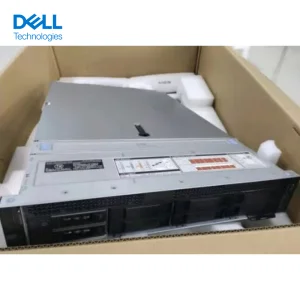
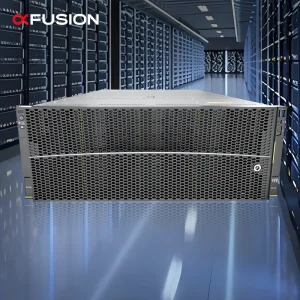
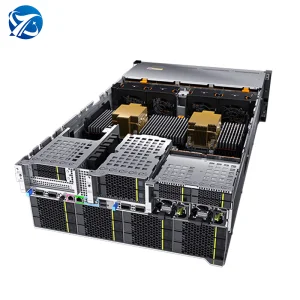
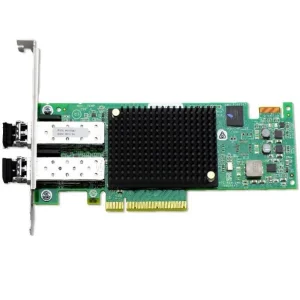
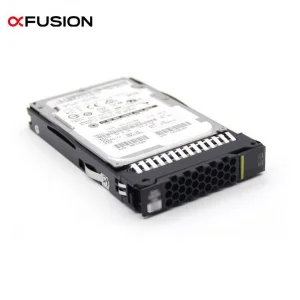
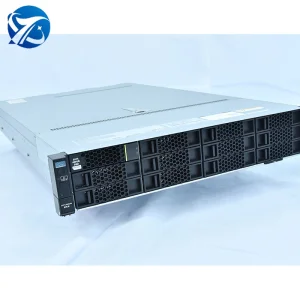
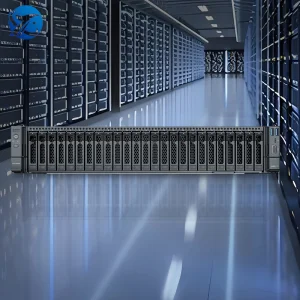
Modern cloud architecture, relational databases, and low-latency storage services rely on dedicated Storage Area Networks (SAN) to deliver block-level access to high-density disk arrays. Unlike Network Attached Storage (NAS) which operates at the file sharing level, a SAN enables servers to connect directly to storage devices over a high-performance network fabric, creating a consolidated, unified pool of storage resource accessible by virtualization hypervisors and core operating systems.
By leveraging dedicated physical fabrics such as Fibre Channel (FC) or high-speed IP networks (via iSCSI or NVMe over Fabrics), enterprise storage architectures gain major advantages in throughput, horizontal scale, and operational robustness. Modern high-density SAN designs demand structural resilience, including dual-controller architectures, redundant power supplies (such as the 2000W hot-plug systems), and dedicated host interface cards to prevent latency spikes under heavy concurrent I/O requests.
Integrating high-speed physical layers is vital. The use of specialized Fibre Channel Host Bus Adapters (HBAs) like the Emulex LPe35002 Dual Port 32GB HBA Card ensures that physical server nodes communicate with storage controllers over SFP28 interfaces without overloading host CPU cycles. This dedicated offloading is the cornerstone of sub-millisecond data pipelines.
As deep learning deployments like DeepSeek and high-density GPU computing clusters expand, data pipelines must ingest petabytes of unstructured files at unprecedented speeds. Storage systems that cannot keep up with local network infrastructure act as direct bottlenecks to GPU throughput. A SAN optimized with enterprise SSD arrays or high-performance SATA configurations handles extreme concurrent write-back workloads during AI model checkpointing and training iterations.
Furthermore, standard servers require high-bandwidth PCI Express lanes and redundant networking configurations to scale as reliable storage endpoints. Multi-socket rack systems, such as the xFusion FusionServer 2288H V6, serve as ideal storage heads or high-capacity SAN nodes when fitted with robust HBA interfaces and NVMe storage controller cards.
| SAN Network Type | Primary Fabric / Connection | Key Architecture Advantage | Typical Workload Scenarios |
|---|---|---|---|
| Fibre Channel SAN | 32G/64G FC Optical Cable (SFP28+) | Ultra-low latency, zero packet loss, hardware-level offloading | Financial transaction core, Tier-1 enterprise databases |
| IP-SAN (iSCSI) | 10GbE / 25GbE / 100GbE Copper or Fiber | Leverages existing Ethernet switches, cost-efficient scaling | Medium-sized virtual machine pools, shared backup spaces |
| NVMe over Fabrics | InfiniBand, RoCE (RDMA over Ethernet) | End-to-end NVMe performance, minimal software stack overhead | AI training clusters, real-time analytics engines, big data |
Shenzhen Veltrixa Intelligent Computing Co., Ltd. leads in design, engineering, and validation of high-density computational systems and SAN target infrastructure.
Established in 2017, Shenzhen Veltrixa Intelligent Computing Co., Ltd. is a premier manufacturing hub and custom solutions integrator specialized in high-performance computing (HPC) nodes, AI GPU systems, and storage networking. Working from our modern factory site in Shenzhen, China, our facilities utilize state-of-the-art testing systems to assure client standards are reached.
With 12 years of industry experience and 7 years of active export operations, we provide reliable hardware platforms across global pipelines. Our supply chain comprises over 1,280 verified partners, guaranteeing consistent access to controller chipsets, RAM (including DDR4 ECC RDIMMs), storage media, and high-performance PCIe accessories.
Quality reliability is crucial in operational storage networks. A single storage failure can halt critical enterprise workflows. At Veltrixa, we employ 46 professional quality control inspectors who enforce strict testing checklists for all hardware before shipment. Our quality assurance protocol includes:
Operating out of Shenzhen gives Veltrixa immediate proximity to the world's most dense electronic components ecosystem. From bare PCBs and high-capacity storage controllers to custom system enclosures, our team accesses raw material pipelines with minimal lead time. This cluster effect permits rapid custom development and prototyping of storage array frameworks and SAN switch components.
For international buyers, this equates to shorter production cycles, flexible minimum order quantities (MOQs), and cost efficiencies. Our integration center handles custom sheet metal designs, backplane adaptations, and dual-redundant power system setups, ensuring we deliver robust ODM solutions for data storage and processing centers worldwide.
Enterprise procurement teams must verify that hardware systems comply with international trade, environmental, and security certifications. Veltrixa guarantees compliance with local requirements across key regions, including North America, Western Europe, and Australia:
How enterprise organizations utilize high-density block storage to power mission-critical operations.
Enterprise virtualization platforms (like VMware vSphere or Proxmox) require shared storage clusters to manage live virtual machine migrations (vMotion). A high-speed SAN provides the sub-millisecond block response times required to prevent OS stuttering on host clusters.
When training large models like DeepSeek, systems save multi-gigabyte training weight files at regular intervals. Utilizing high-throughput SAN targets allows training nodes to offload these checkpoints instantly, maximizing GPU compute cycles.
Hospital Picture Archiving and Communication Systems (PACS) handle high-resolution image data from MRI and CT systems. SAN targets supply the low-latency retrieval speeds doctors need to access vital diagnostic imagery quickly.
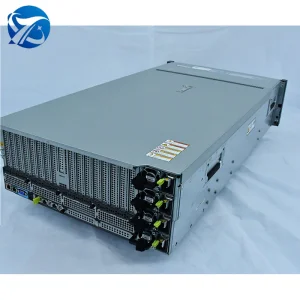
Expand capacity and enterprise capabilities with our certified rack storage arrays and memory modules.
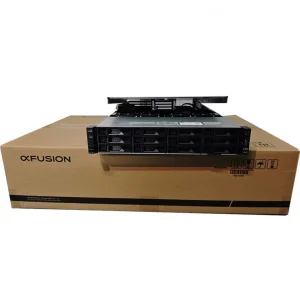
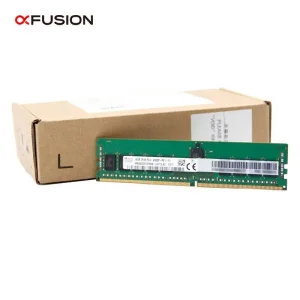
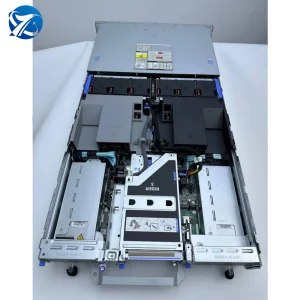
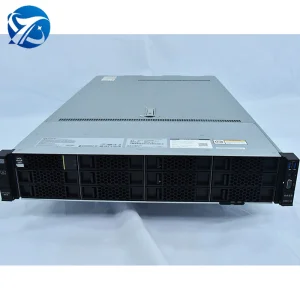
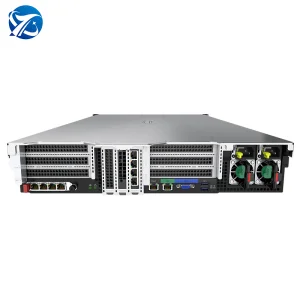
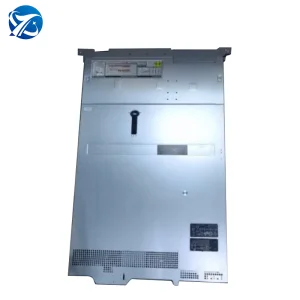
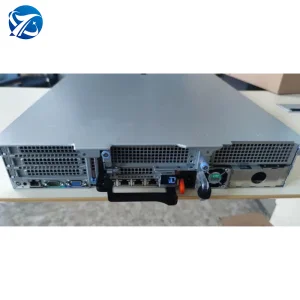
Critical engineering answers to general SAN hardware and deployment challenges.
A Storage Area Network (SAN) processes block-level storage operations where storage targets appear to host systems as local drives. In contrast, Network Attached Storage (NAS) operates at a file-level protocol (such as NFS or SMB) over standard IP networking. SAN architectures provide lower latency and higher performance, making them suitable for databases, virtual machine hypervisors, and data processing systems.
Our storage nodes and custom host targets support standard SAN block protocols, including Fibre Channel (FC) at 16G/32G rates, iSCSI over 10G/25G/100G Ethernet, and NVMe over Fabrics (NVMe-oF) using RDMA over Converged Ethernet (RoCE) or InfiniBand networks. Enterprise-grade Host Bus Adapters like the Emulex LPe35002 can be pre-configured on request.
We maintain a team of 46 quality control specialists who run a 100% pre-shipment validation protocol. This check includes long-duration thermal stress cycles, memory ECC checks, high-load IOPS profiling on storage backplanes, and compliance testing with Windows Server, VMware ESXi, and Linux distributions.
Yes, we provide full hardware customization (OEM/ODM), private labeling, custom backplane wiring, redundant power supplies (like hot-swap 2000W modules), and pre-integrated PCIe cards. Customers can configure systems with tailored drive bays (3.5-inch or 2.5-inch configurations) to match specific enterprise space constraints.
Our server lineup includes multi-socket systems designed for GPU training platforms and low-latency storage. By using high-bandwidth PCIe switches and high-speed network connections, our platforms support parallel training configurations and minimize bottlenecks during checkpoint saves.
We offer multi-year hardware component replacement options and direct technical assistance through our engineering support team. Our engineers assist with remote hardware diagnosis, firmware updates, and deployment configurations to minimize system downtime.
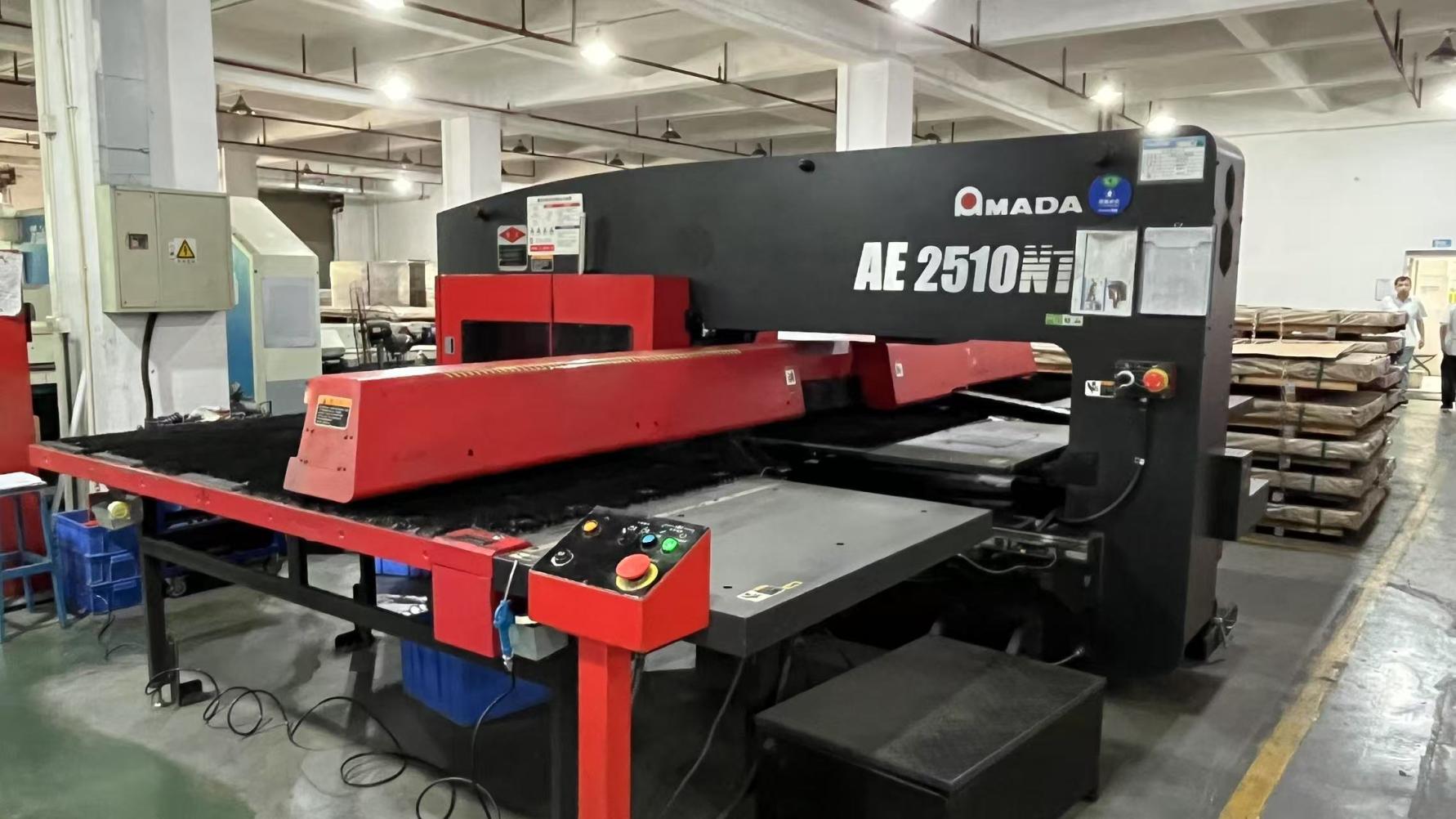
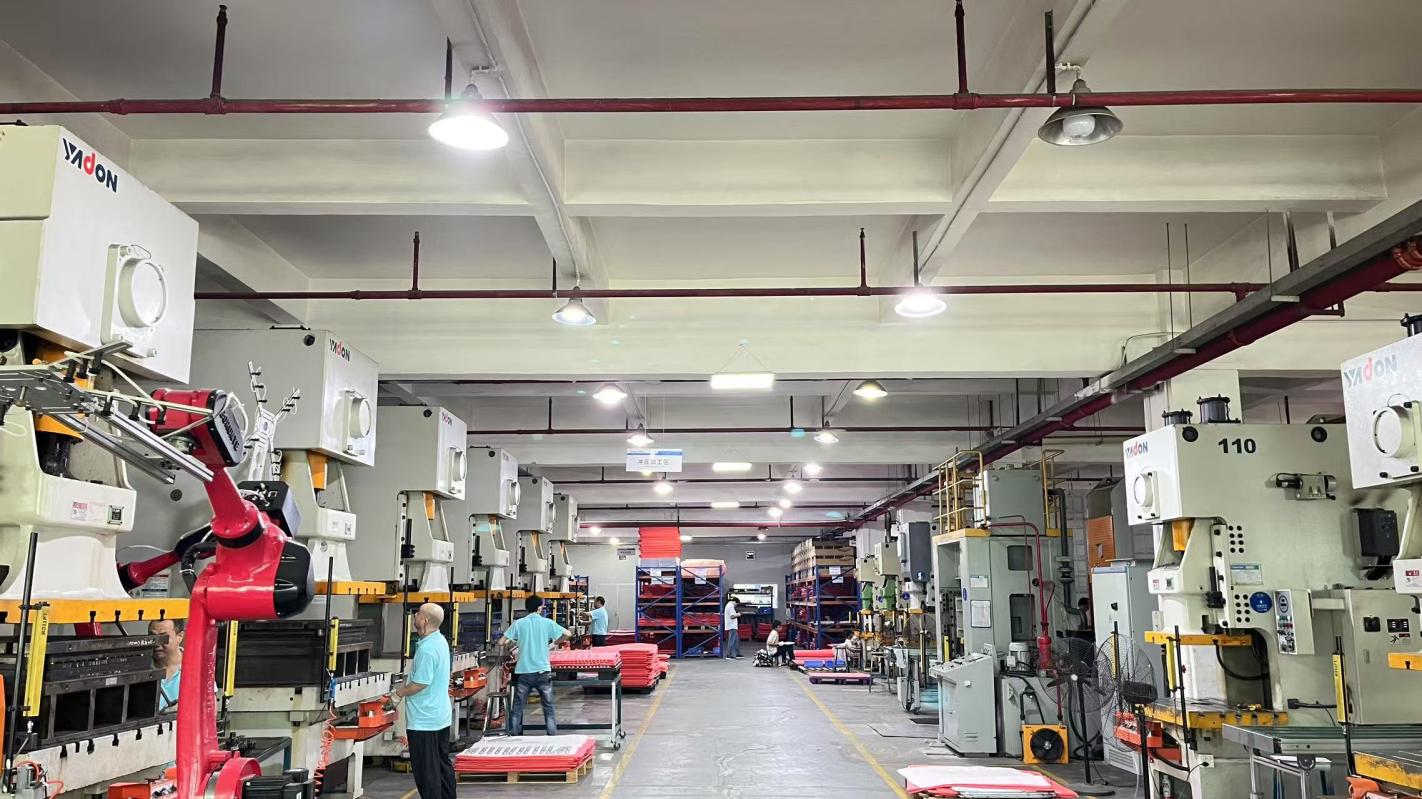
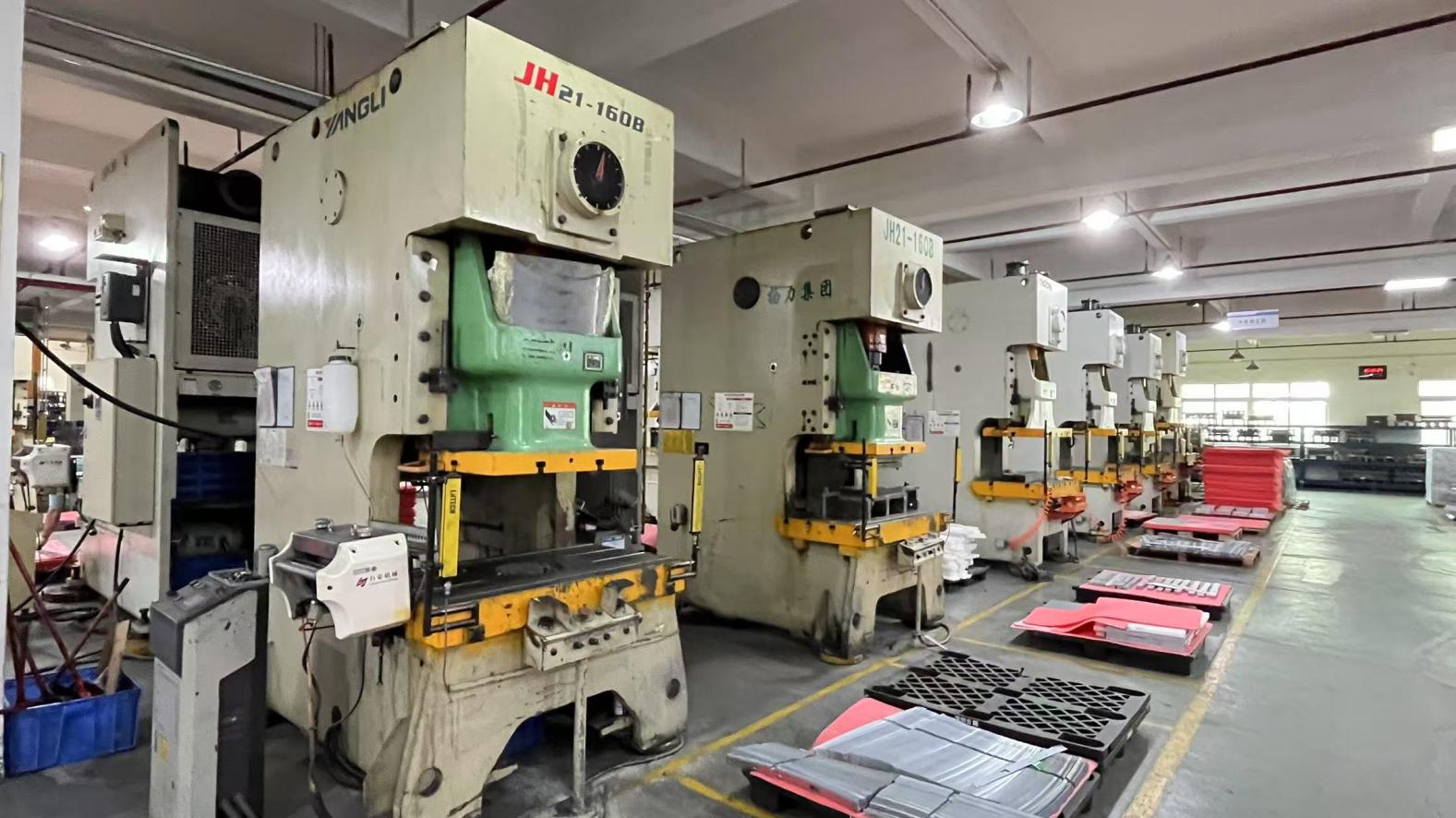
Inside the Veltrixa facility: assembly pipelines, server burn-in stations, and hardware testing zones.