Veltrixa
Veltrixa
Veltrixa
Deploy industry-leading virtualization clusters with enterprise-grade server infrastructure
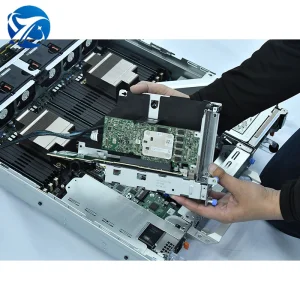
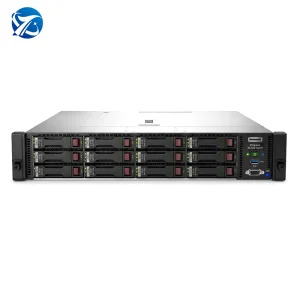
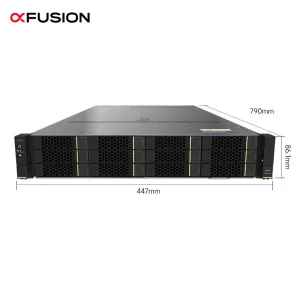
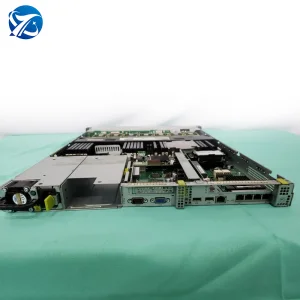
Underpinning international enterprise cloud and virtualization systems with rigorous Chinese hardware engineering
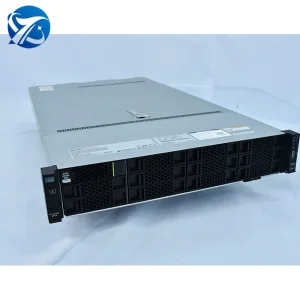
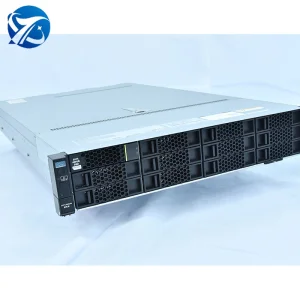
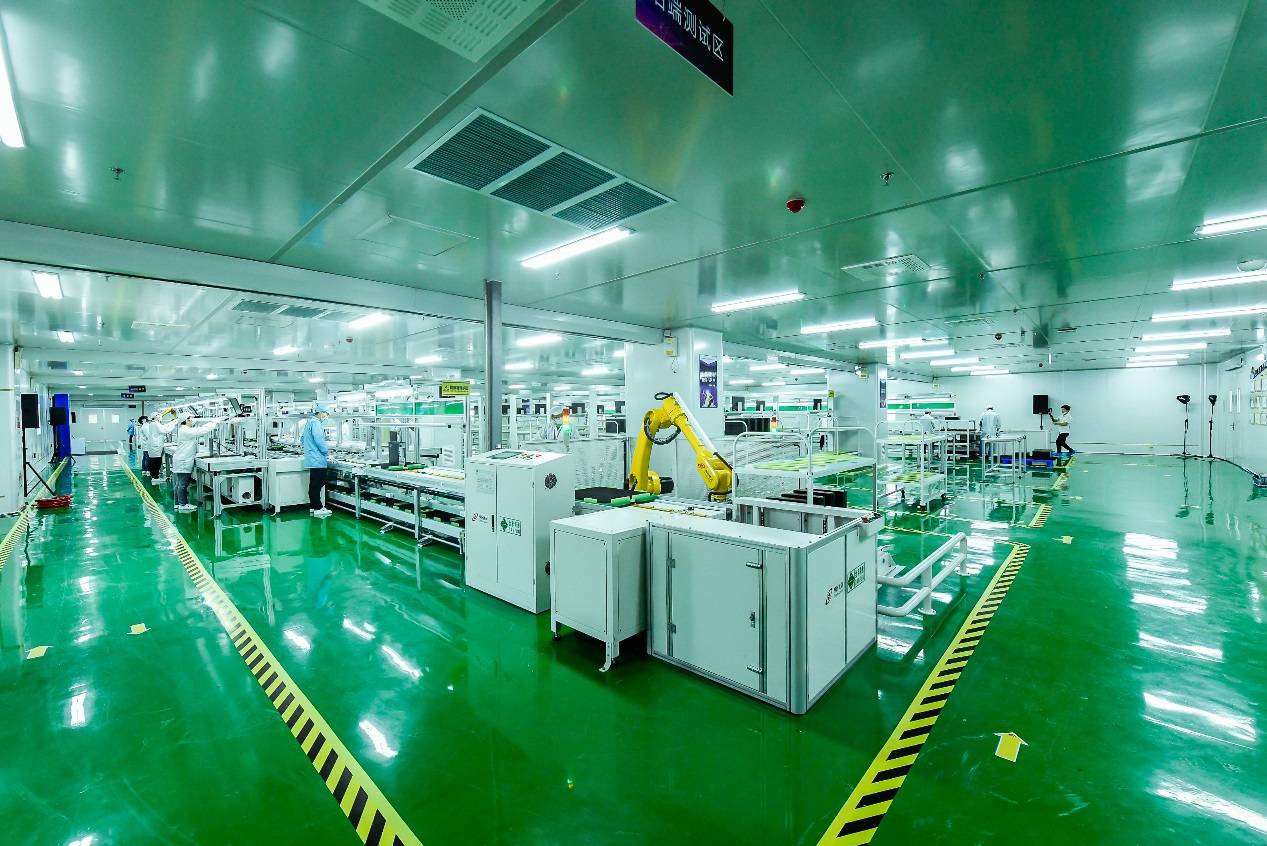
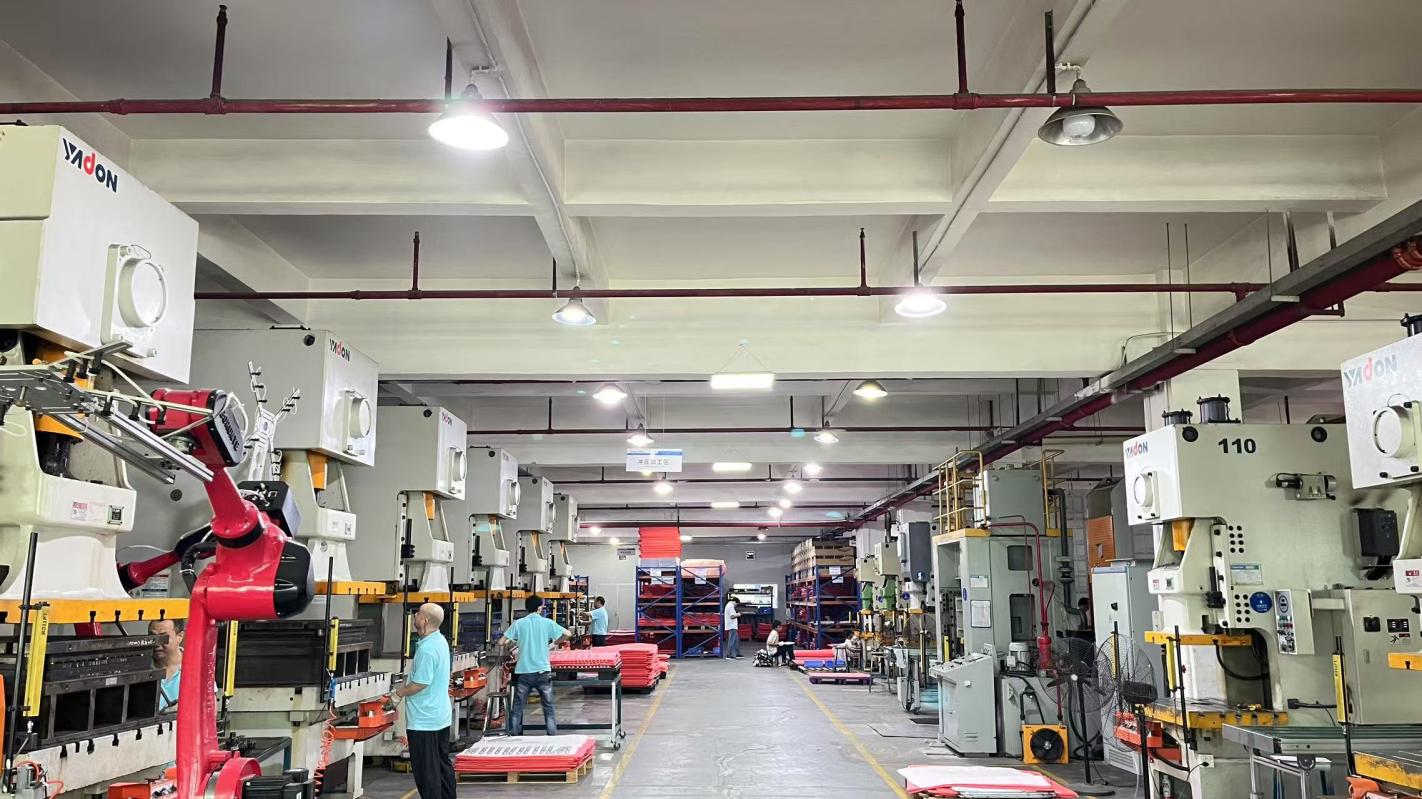
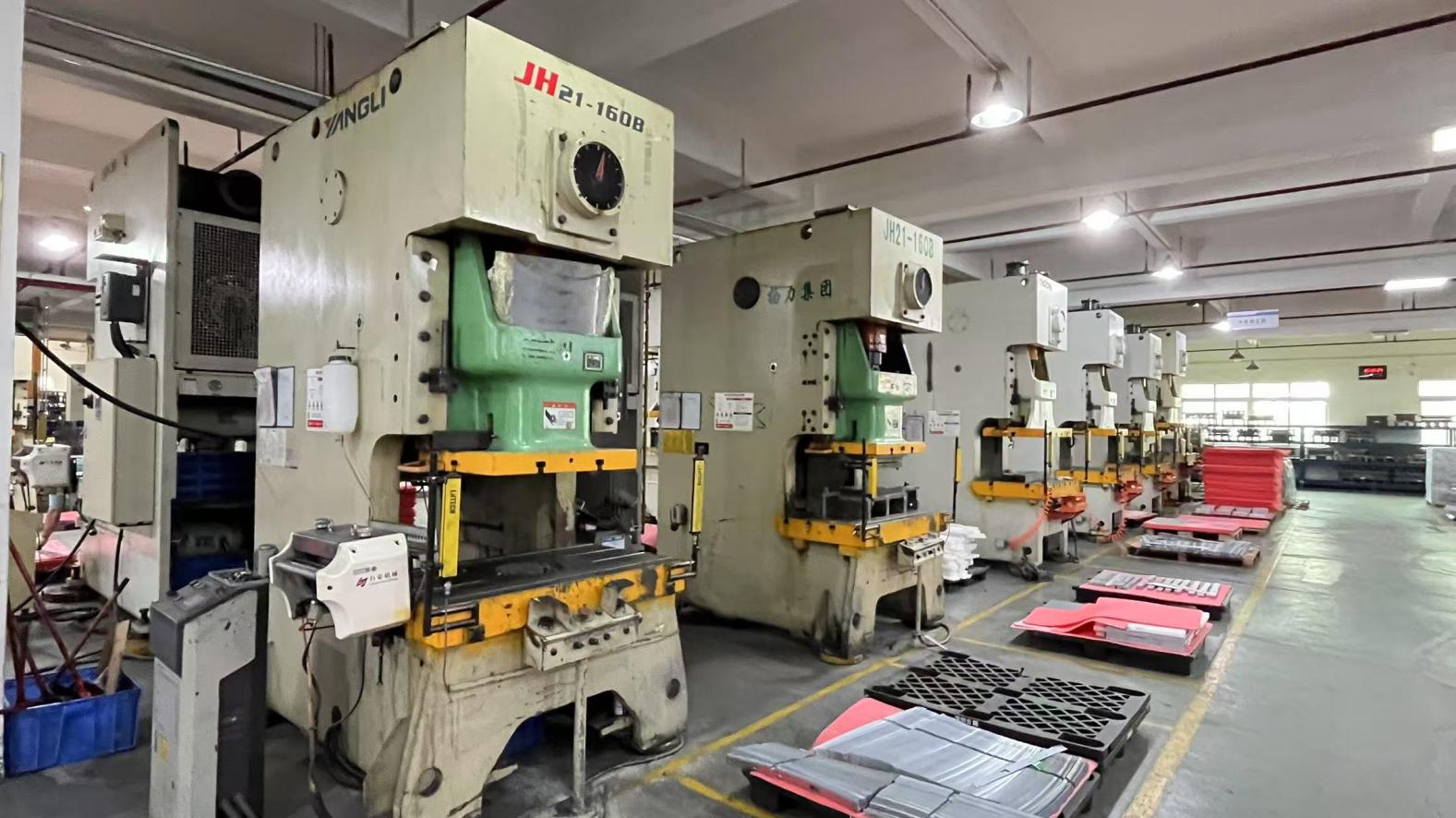
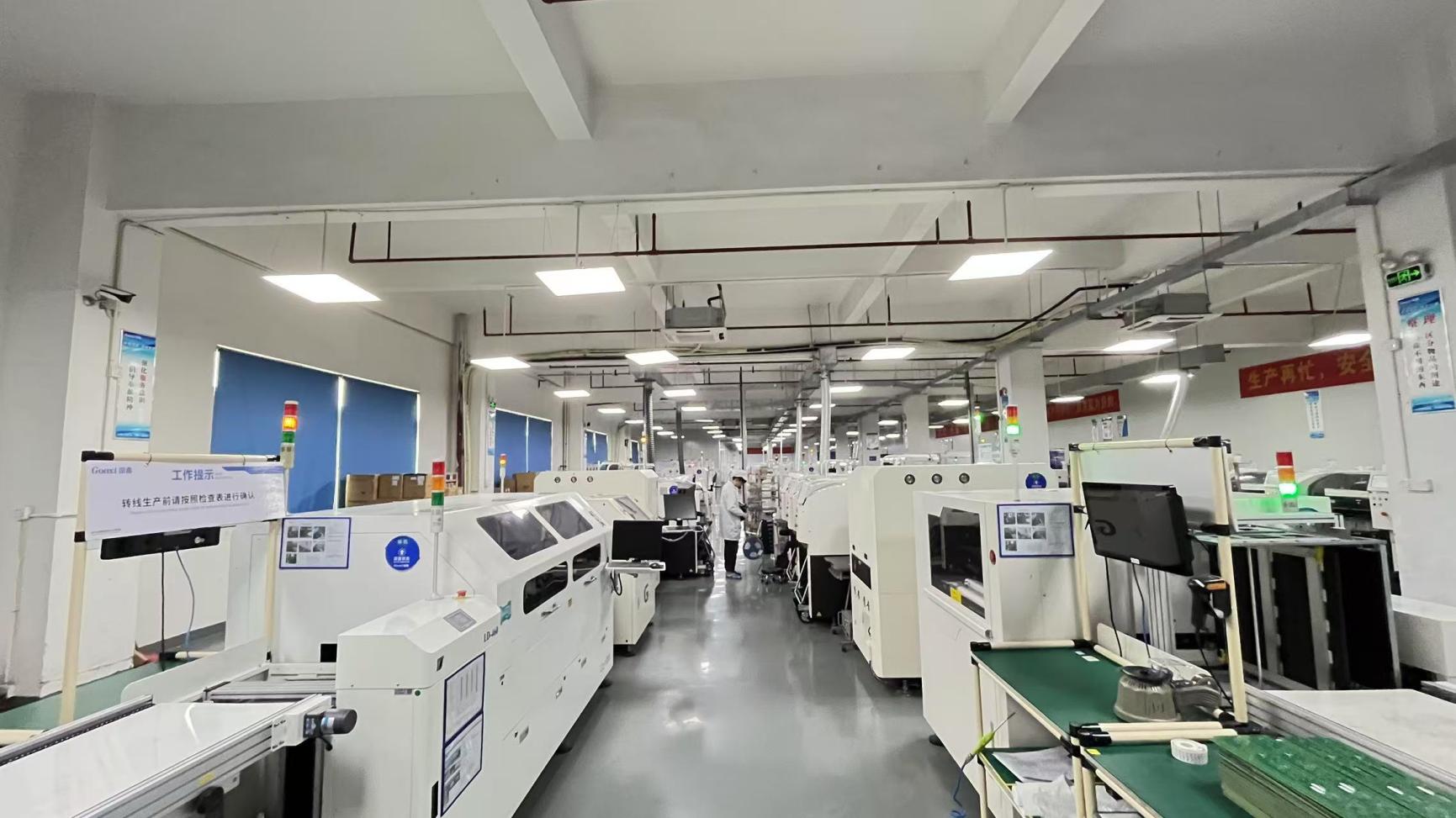
Established in 2017, Shenzhen Veltrixa Intelligent Computing Co., Ltd. has positioned itself at the nexus of high-density server design and bare-metal hypervisor integration. Operating from a highly specialized production footprint in Shenzhen, Veltrixa fuses architectural design and production agility to supply standard and customized server chassis, custom power distribution modules, and multi-socket server nodes.
With an annual export revenue exceeding USD 18 Million and cumulative industry involvement spanning 12 years, Veltrixa drives digital transformation across North America, Western Europe, the Middle East, and APAC. We address hardware-level compatibility—the critical layer below hypervisors like VMware ESXi, Proxmox VE, KVM, and Microsoft Hyper-V.
Decoupling software dependencies from bare-metal hardware constraints for modern virtualization architectures
Enterprise procurement pathways are transitioning rapidly. Historically, enterprise IT relied on proprietary hardware-software stacks. Today, rising software licensing costs (such as VMware vSphere paradigm shifts) have forced a migration toward open-source hypervisors (Proxmox, KVM, XCP-ng) deployed on reliable, open commodity architecture. To support massive consolidation ratios (the number of virtual machines per physical core), procurement officers look to optimize three structural components:
Modern workloads demand unprecedented core counts. Single-socket and dual-socket systems utilizing Intel Xeon Scalable or AMD EPYC platforms must maintain high memory bandwith to feed cores without memory bottlenecks. Achieving optimal cores-to-VM mapping prevents noisy-neighbor resource exhaustion.
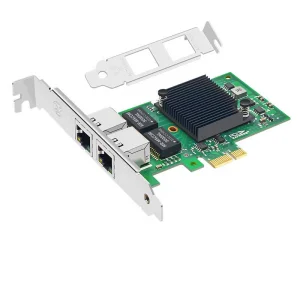
Storage-intensive applications in virtualized environments demand NVMe-over-Fabrics (NVMe-oF) architectures. High-speed networking components (10Gbps to 100Gbps SmartNICs) routing through PCIe Gen 5 pipelines prevent latency bottlenecks during live migrations (VMotions) of hypervisor hosts.
Hardware controllers like the LSI 9560-16i with integrated supercapacitor cache protection act as protection rings. They guarantee write-back cache consistency for VMs even during unexpected physical power failures, preserving logical partition tables.
Deciding hardware specifications based on virtualization engine demands and compute footprints
| Virtualization Architecture | Target Host Specs | I/O & PCIe Layout | Recommended Application | Typical Node Count |
|---|---|---|---|---|
| Hyperconverged Infrastructure (HCI) | Dual-socket Intel Xeon, 1TB-2TB DDR5 ECC | PCIe 5.0, NVMe Gen5, LSI 9560 RAID | Enterprise Private Cloud / vSAN Clusters | 3 to 32 Nodes |
| AI Inference & Deep Learning | Multi-Socket Xeon, Multi-GPU (e.g., L40S, H100 PCIe) | PCIe 5.0 x16 Switched Topology | Virtualized LLM Inference, vGPU deployments | 1 to 8 Nodes |
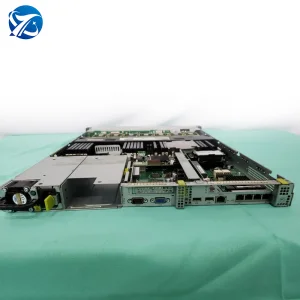
| Edge Virtualization | 1U Intel Xeon Single-Socket, 256GB DDR5 | 10Gbps Ethernet, Redundant Hot-Swap AC PSUs | Branch Office Virtualization, Container orchestration | Standalone / 2-Node HA |
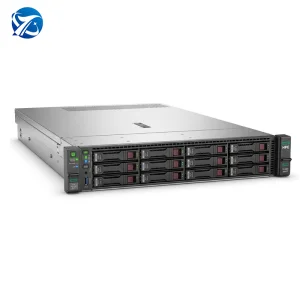
| High-Density Storage (NAS/SAN) | Dual Xeon, 12x 3.5" or 24x 2.5" Bay Chassis | 12Gb/s SAS Backplane, Dual-Port 25GbE NICs | VM Backup repositories, Persistent volumes | 4 to 12 Nodes |
Engineering longevity and regional adherence for hyper-converged hardware systems
As server component TDPs approach 350W-400W (e.g., modern CPU and GPU stacks), air cooling reaches its volumetric capacity. Veltrixa is advancing rack-level liquid cooling loops (direct-to-chip water plates) to support high-density virtualization farms. By maintaining core operational temperatures below thermal throttling limits, virtualization clusters run up to 18% more efficiently with lower Power Usage Effectiveness (PUE) scores.
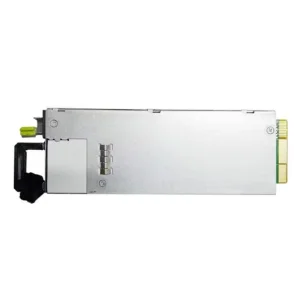
Exporting to Europe, North America, and Australia demands compliance with international security and electrical protocols. Veltrixa infrastructure complies with FCC Class A, CE Mark, RoHS directive, and is manufactured under ISO 9001:2015 frameworks. Every hardware layer from custom system boards to the 900W/1500W/2000W redundant power supplies is checked for electrical safety, voltage fluctuations, and thermal performance.
To avoid dead-on-arrival scenarios and assure high reliability for critical operations, Veltrixa applies a strict quality assurance protocol before items leave the factory:

Technical validation and procurement answers for IT architects and system operators
Discover scalable solutions and components designed for enterprise virtualization layouts